



 English
 Español





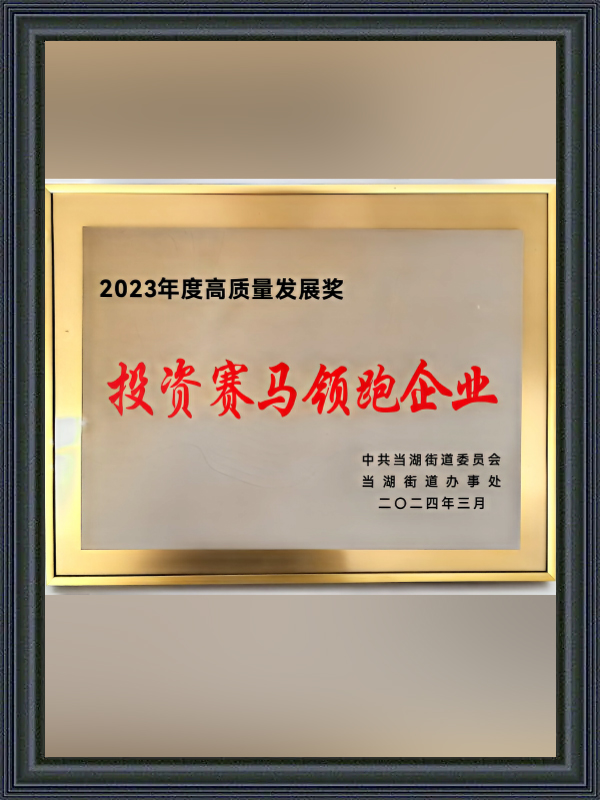
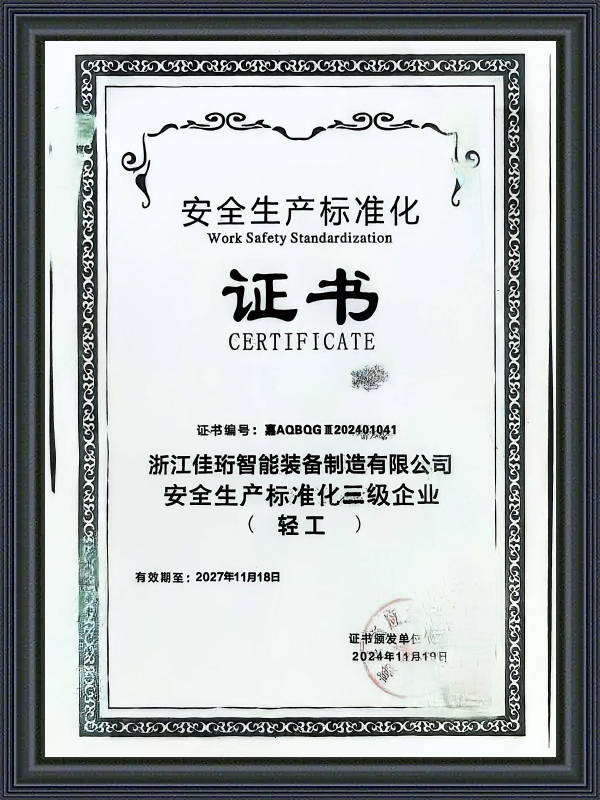
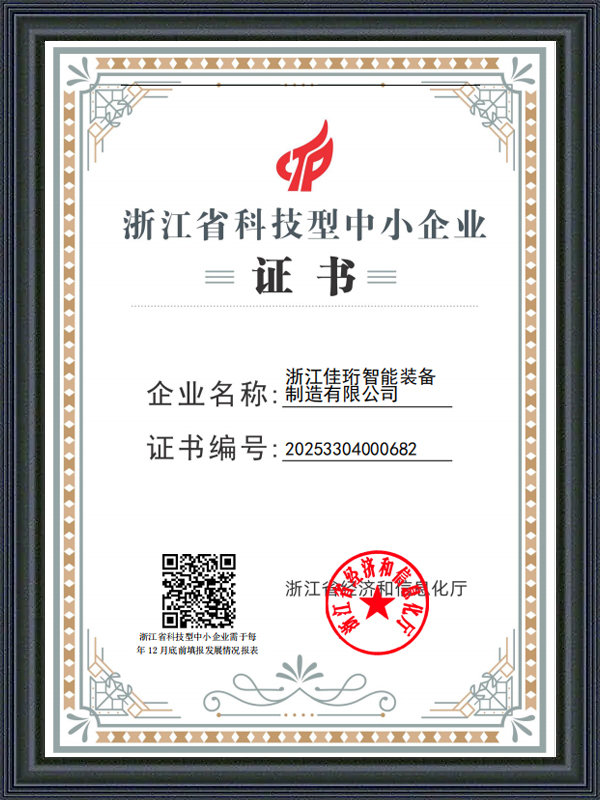



SLS Nylon 3D Printing Service Manufacturer
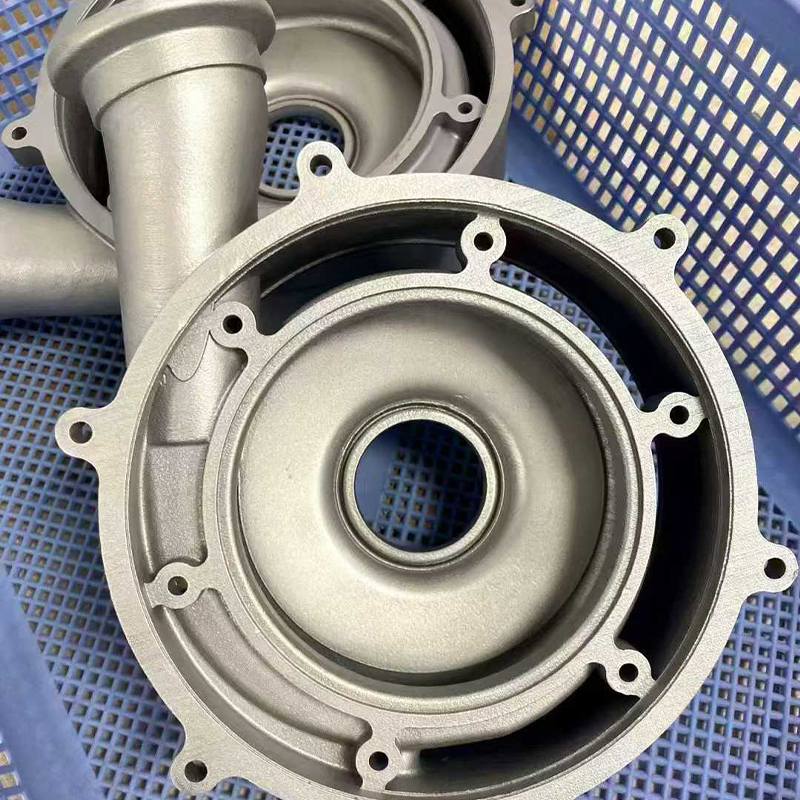
Zhejiang Jiaheng Intelligent Equipment Manufacturing Co., Ltd. is a China SLS nylon 3D printing service manufacturer and OEM/ODM factory producing functional nylon parts by selective laser sintering. Our SLS Nylon 3D Printing Service builds strong, tough components layer by layer from nylon powder, with no support structures to remove and no tooling to cut.
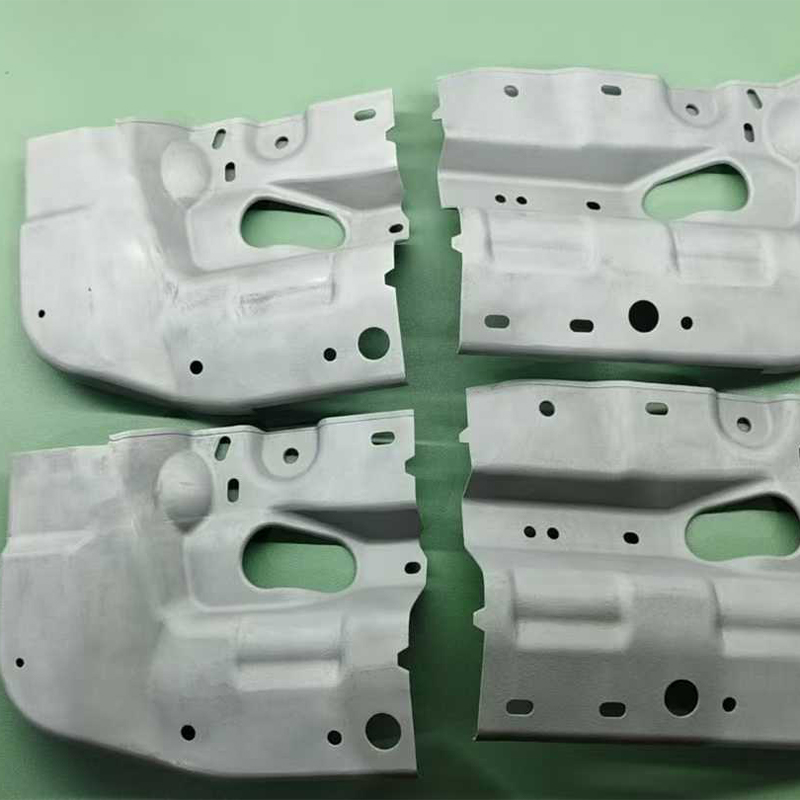
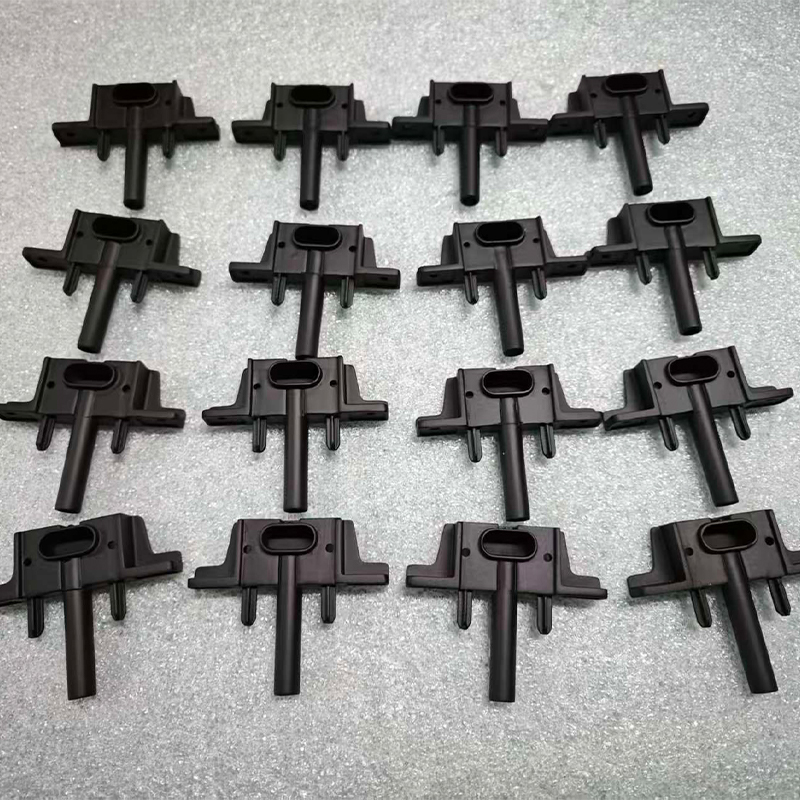
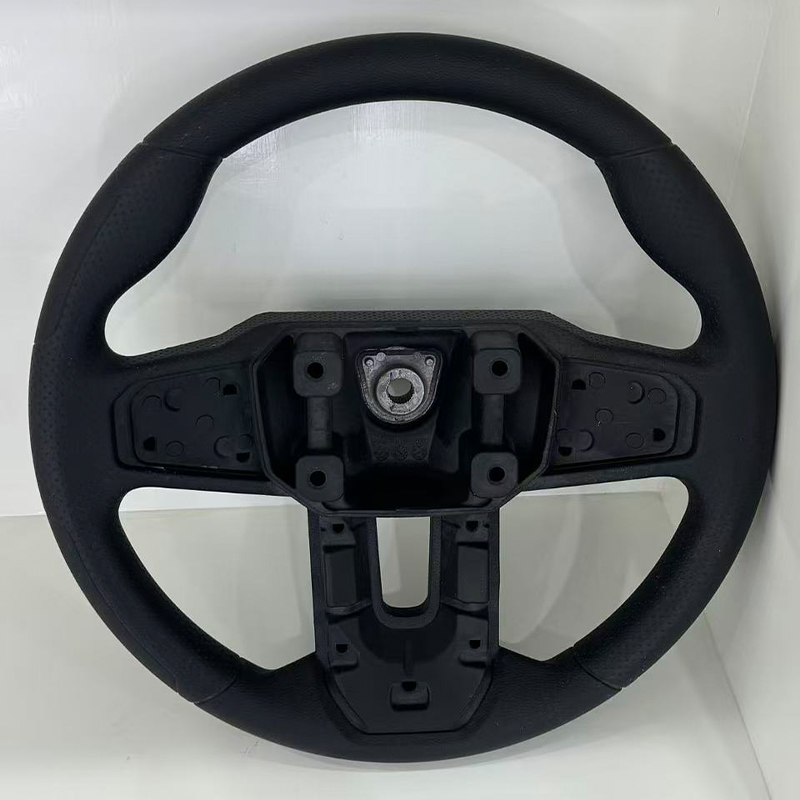
The process suits snap-fit components, thin-walled housings, ducting, brackets and end-use functional parts that must survive impact, repeated assembly and dimensional checking. We run SLS alongside resin, metal and FDM printing, CNC machining, vacuum casting and surface finishing, so a nylon build can move directly into post-processing, fitting or small-batch replication on one platform.
How Selective Laser Sintering Works in Our Workshop
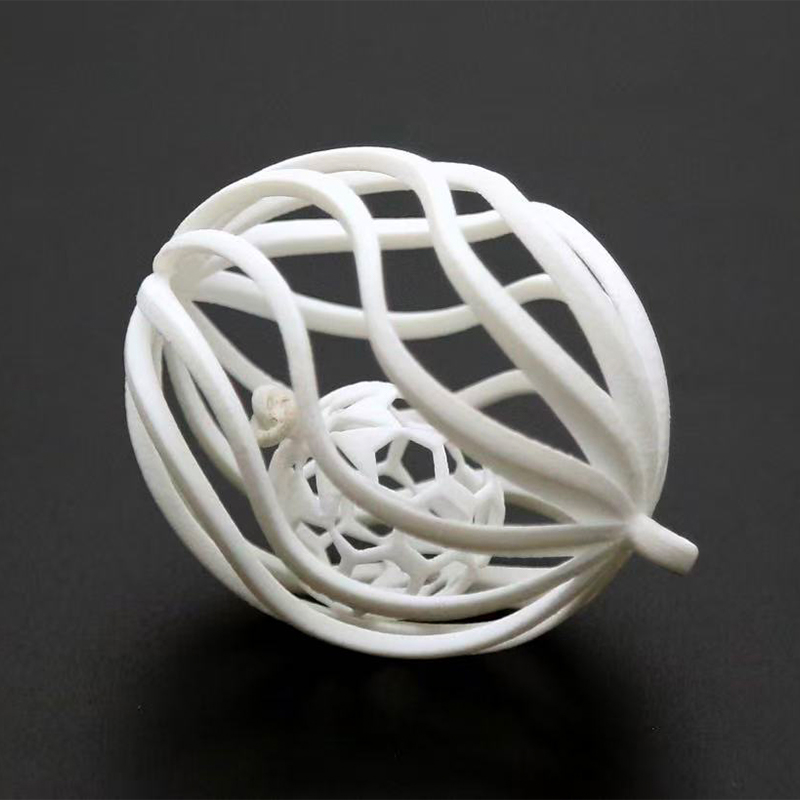
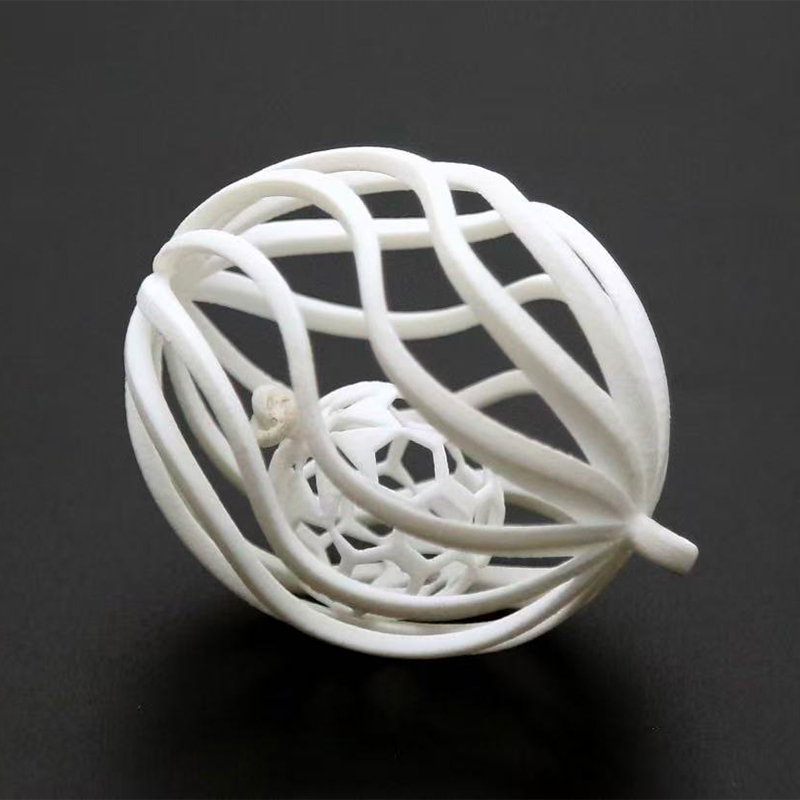
A laser traces each cross-section of the part into a bed of nylon powder, fusing the polymer; the bed then drops, a fresh powder layer is spread, and the next section is sintered. Because unsintered powder supports the part during the build, overhangs, internal channels and nested assemblies can be produced in a single job without dedicated support material.
- Support-free geometry: internal cavities, undercuts and moving joints can be built in place.
- Layer-by-layer fusion: isotropic-in-plane mechanical behaviour with good impact toughness.
- Build nesting: multiple parts and mirrored pairs packed into one build volume for consistent batch output.
- Powder reuse control: sieving and refresh ratios managed to keep mechanical properties stable across a build.
Our SLS Nylon Material Range
Material choice drives stiffness, colour and thermal behaviour more than any other decision in an SLS project. Our range covers the three variants most often specified for functional prototypes and end-use parts.
White Nylon
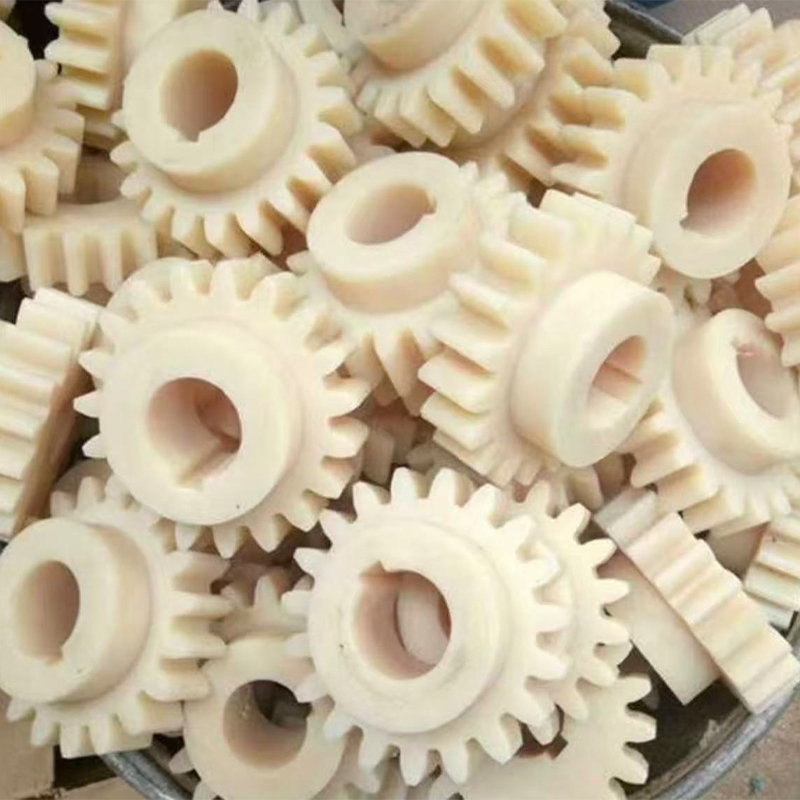
The primary material of our SLS service. Strong and tough, it produces functional parts with a natural off-white surface that accepts dyeing, painting and other finishing.
Black Nylon
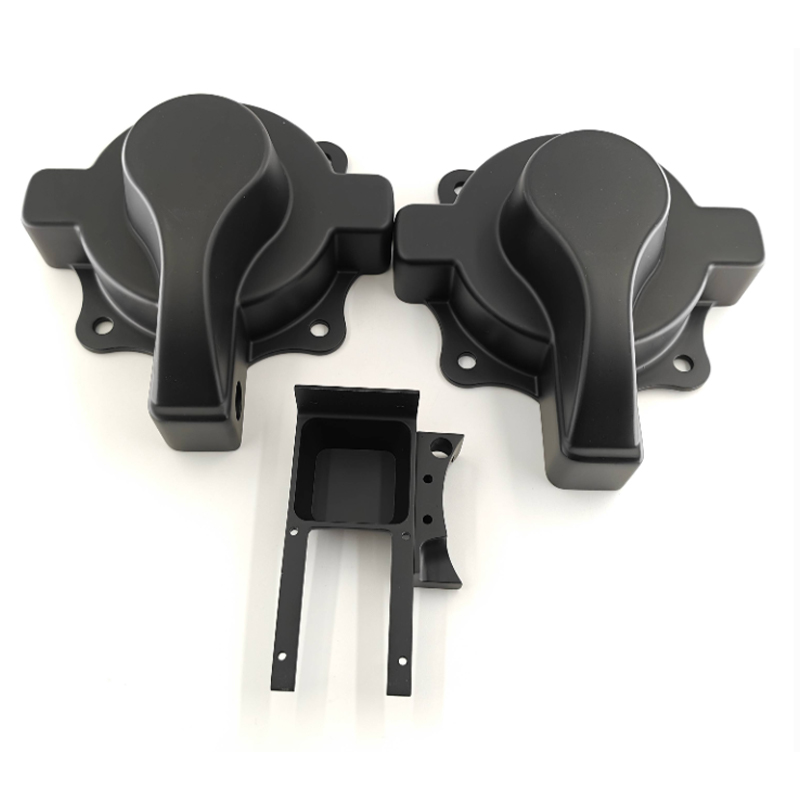
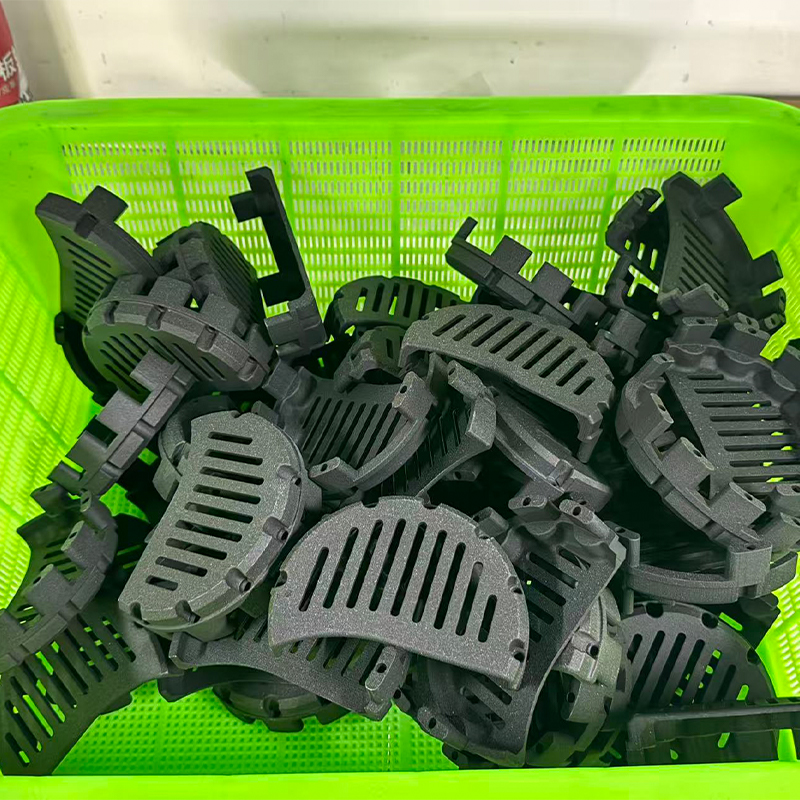
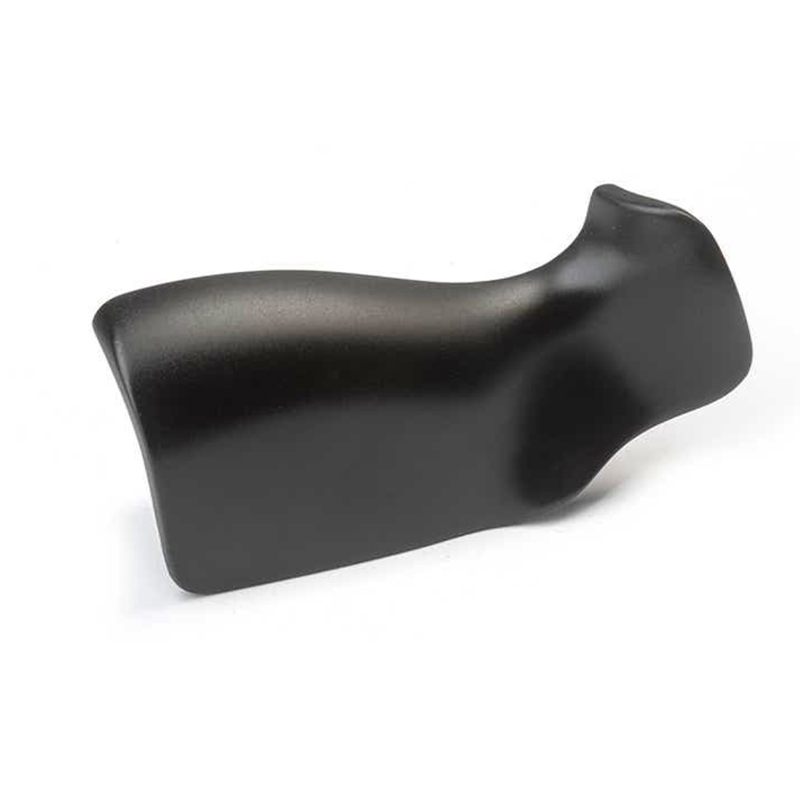
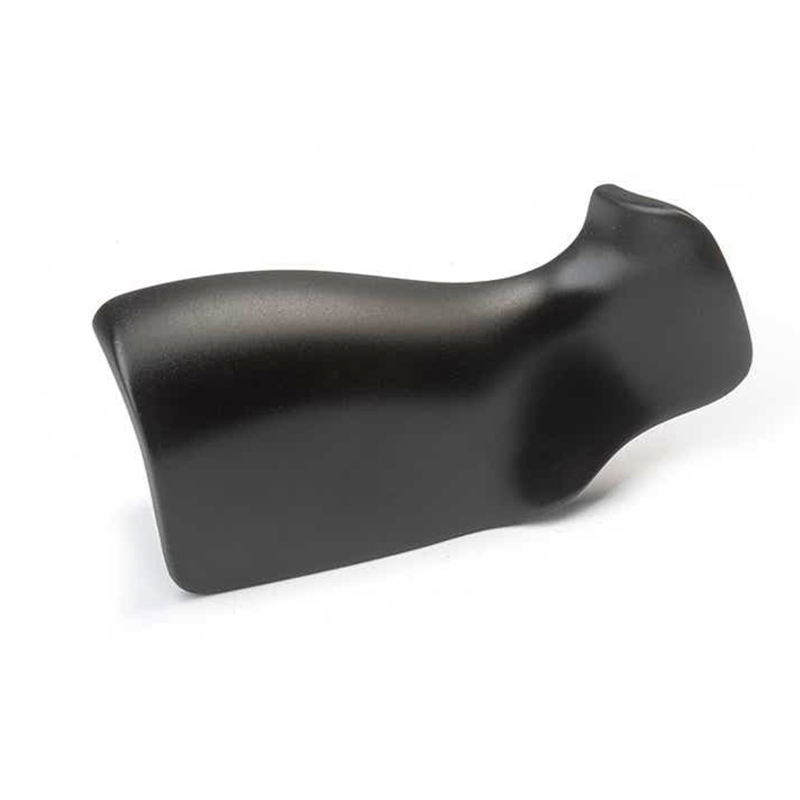
Pigmented nylon with mechanical properties identical to white nylon, giving a uniform dark appearance for visible housings, covers and consumer-facing parts.
Nylon + Glass Fiber
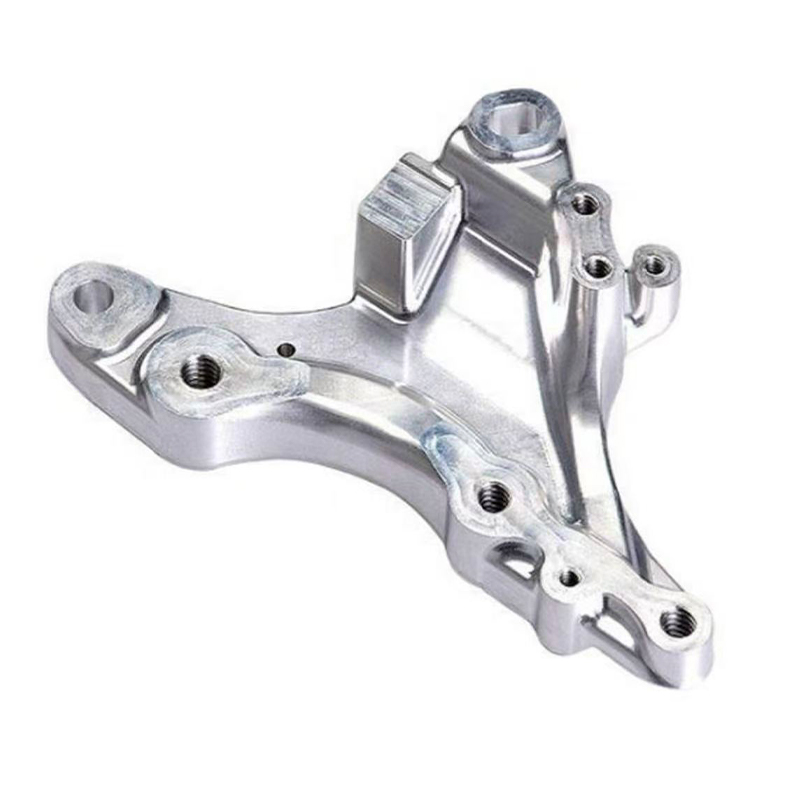
Glass-fiber reinforced nylon that raises rigidity and heat resistance in sintered parts, for load-bearing brackets, structural housings and stiff thin-wall sections.
Matching Material to Application
| Material | Typical Application | Selection Driver |
|---|---|---|
| White Nylon | Snap-fit clips, thin-walled housings, jigs, functional prototypes | Impact toughness and dimensional stability |
| Black Nylon | Visible covers, enclosures, wearable housings, fixtures | Uniform dark appearance with the same mechanical profile |
| Nylon + Glass Fiber | Structural brackets, load-bearing housings, stiff panels | Higher rigidity and heat resistance |
| Nylon + post-processing | Presentation models, colour-coded assemblies, textured parts | Appearance and surface requirement |
Specification Meaning for SLS Parts
SLS quotations and drawings are read against a small set of variables. We confirm each one against the model before the build is released.
- Build envelope: maximum part size per build; larger assemblies are split and joined or produced in sections.
- Wall thickness: minimum practical walls for self-supporting sintered geometry, agreed per feature.
- Dimensional tolerance: stated per drawing, with critical features identified for inspection.
- Layer thickness: affects surface finish and build time rather than part strength.
- Surface finish: as-sintered, bead-blasted, dyed, painted or polished, depending on the visible faces.
- Insert and thread provision: heat-set inserts, tapped holes or clearance holes defined at the modelling stage.
Configuration Options We Build Into a Job
Nylon SLS parts are rarely ordered as a single geometry. We configure the build around how the part will be used and how many are needed.
- Single units and nested batches: one-off prototypes through to repeat production runs in the same process.
- Mirrored and left/right pairs: built together so handed parts match.
- Living hinges and snap features: printed in the fused state without assembly.
- Metal insert bosses: modelled to accept heat-set threaded inserts for screw-fastened assemblies.
- Colour and finishing: natural white, black, dyed or painted to a reference.
- Post-machining: critical bores, faces and threads finished on CNC where sintered tolerance is not sufficient.
Where SLS Nylon Fits in Our Manufacturing Platform
SLS is one route among several in our workshop, and the choice between them follows part function rather than preference. Where a project needs a different balance of surface, strength or cost, we move it to the appropriate process.
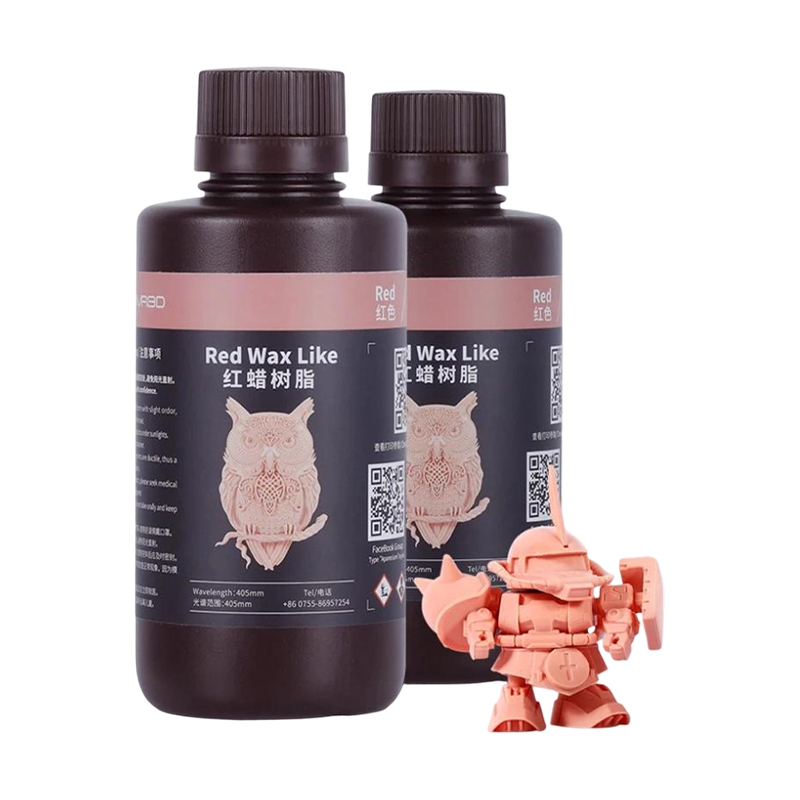
- SLA Resin 3D Printing Service for smooth, fine-detail visual models and master patterns.
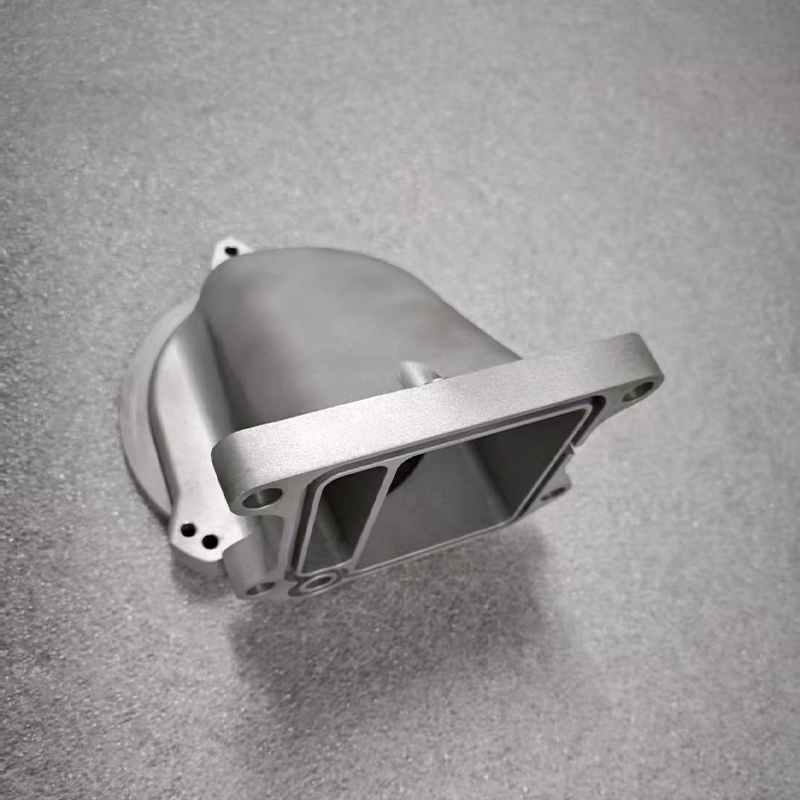
- SLM Metal 3D Printing Service for metal components in tool steel, titanium, aluminium and stainless steel.
- FDM Plastic 3D Printing Service for large, low-cost fixtures and engineering-grade thermoplastics.
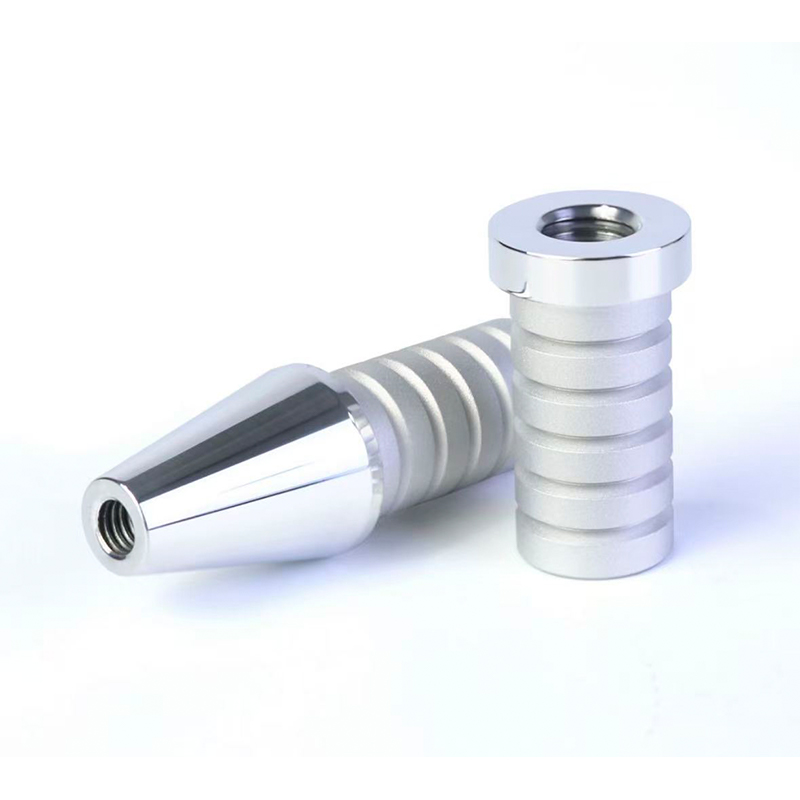
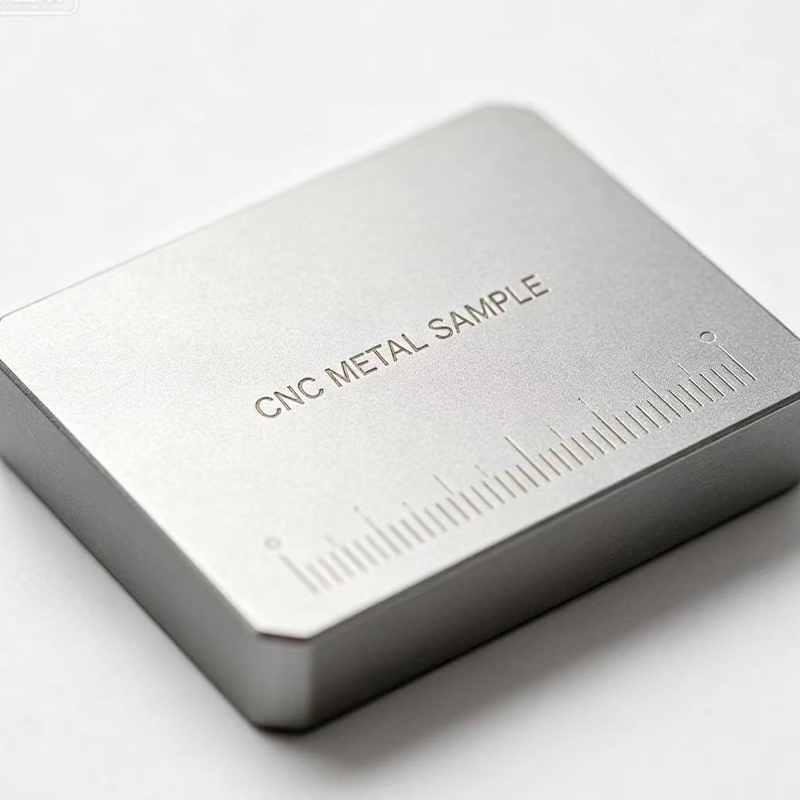
- CNC Milling Service for tight-tolerance machined parts and post-machining of sintered features.
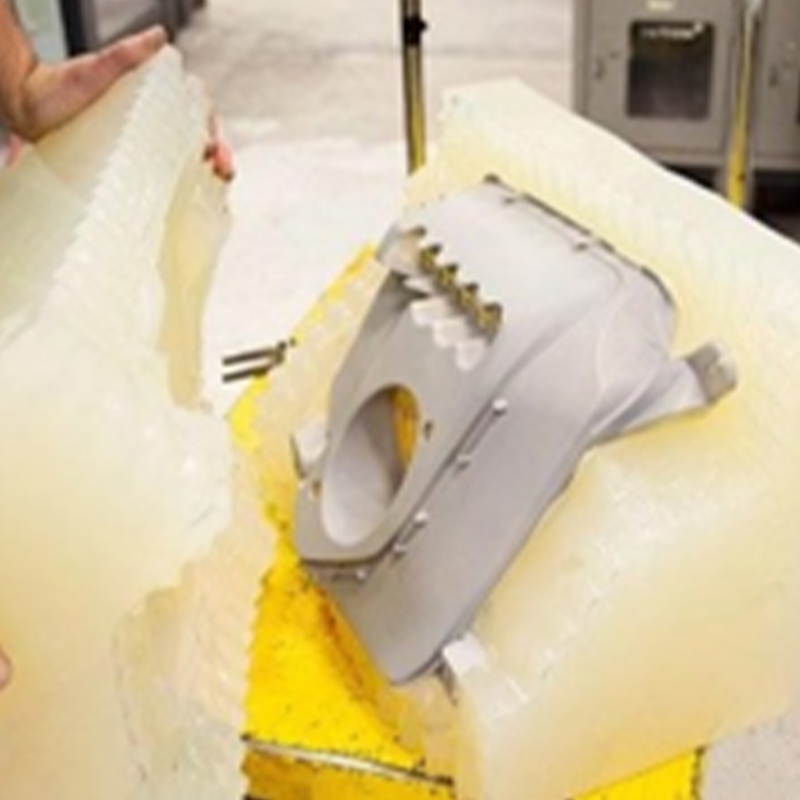
- Vacuum Casting for small-batch urethane replication from an SLS or SLA master.
Surface finishing follows the same logic: bead blasting, dyeing, painting, laser engraving and silk-screen printing are applied to nylon parts where appearance or identification matters. A full process map sits under Products.
Quality Control and Acceptance
We implement full-process inspection covering raw material incoming check, in-process sampling and finished product verification. Every customized workpiece is checked against dimensional tolerance and appearance standards, so prototype and batch output stay consistent.
- Powder and material control: incoming material checked before storage to cut quality risk at source.
- In-process sampling: periodic checks during production to hold machining and build precision.
- Final shipment check: dimensional and visual inspection before packing; only conforming parts are released.
- Inspection records: measured values reported against the agreed critical dimensions.
Customer drawings, models and product data are handled under project zoning, staff non-disclosure agreements and an isolated internal network, so files are not transmitted outside the authorised workflow.
Post-Processing, Assembly and Delivery Scope
Parts leave the build chamber with powder removed from internal channels and surfaces. From there we apply the finishing agreed for the project and, where required, fit inserts, assemble sub-groups and pack to a defined scope.
- Powder removal, bead blasting and surface preparation.
- Dyeing, painting, laser engraving or printing for identification and appearance.
- Insert fitting, tapping and light assembly of matched components.
- Protective packing suitable for export shipment, with parts labelled by drawing number.
Information We Use to Configure Your Solution
Our proposal is built from the working point of the part, not from a generic price list. The following inputs let us confirm material, build orientation, finishing and inspection scope before quoting.
| Project Input | What It Determines |
|---|---|
| 3D model (STEP, STL or native CAD) | Build orientation, nesting, wall thickness review |
| 2D drawing with tolerances | Critical dimensions, inspection plan, post-machining needs |
| Material and colour requirement | White, black or glass-fiber reinforced nylon; dye or paint |
| Quantity and batch pattern | Nesting strategy, repeat-run planning, packing |
| Function and load case | Wall thickness, reinforcement, insert provision |
| Surface and assembly requirement | Finishing route, insert fitting, sub-assembly scope |
Frequently Asked Questions
What is SLS nylon 3D printing used for?
It is used for functional parts that need impact toughness and dimensional stability: snap-fit components, thin-walled housings, brackets, ducting, jigs and end-use parts. Because no support structures are required, complex internal geometries and nested assemblies can be produced in one build.
Which nylon material should I specify?
White nylon is our primary SLS material and covers most functional parts. Black nylon has identical mechanical properties with a uniform dark appearance for visible components. Nylon with glass fiber raises rigidity and heat resistance where the part carries load or sees higher service temperature.
Can SLS nylon parts be machined or finished after printing?
Yes. Critical bores, faces and threads can be finished on CNC where sintered tolerance is not sufficient, and parts can be bead blasted, dyed, painted, laser engraved or printed to suit the application.
How do you control quality on a nylon build?
We check incoming material before storage, sample during production and inspect finished parts against the agreed dimensional tolerance and appearance standard. Only conforming parts are released for packing and shipment.
What do you need to quote an SLS nylon job?
Send the 3D model, a 2D drawing with tolerances, the material and colour requirement, quantity and batch pattern, the function or load case, and any surface or assembly requirement. We review the geometry and confirm the configuration before quoting.
Can SLS nylon parts be produced in repeat batches?
Yes. We accept custom orders of all batch sizes, from single prototype units to repeat production runs, with the same material and inspection approach applied across the series.


