- 3D Printing Services

- CNC Machining Services

- Vacuum Casting Services

- Surface Finishing Services



 English
 Español

Industrial 3D Printing Service Guide: Types, Uses, Comparison
Content
- 1 What Commercial 3D Printing Services Cover Today
- 2 Common Types of 3D Printing Services and Their Characteristics
- 3 How Industrial 3D Printing Service Systems Work: Process and Structure
- 4 Application Scenarios and Selection Criteria for 3D Model Printing Service
- 5 Detailed Comparison: Large Scale 3D Printing Service Technologies
- 6 Industry Adoption Trends for Large 3D Printing Services
- 7 Selection Criteria Weighted Across Service Types
- 8 Industry Distribution of Large Scale 3D Printing Applications
- 9 Maintenance Guidance for Industrial 3D Printing Equipment
- 10 Choosing a Best 3D Printing Service Provider
- 11 Frequently Asked Questions
- 11.1 What size parts can a large scale 3d printing service typically produce?
- 11.2 How do I choose between resin, nylon, and metal for an industrial 3D printing service project?
- 11.3 Is a commercial 3d printing service suitable for production runs, not just prototypes?
- 11.4 What post-processing should I expect from a 3d model printing service?
- 11.5 What should I look for in a best 3d printing service provider for long-term partnerships?
What Commercial 3D Printing Services Cover Today
A reliable commercial 3D printing service should be able to move a design from digital file to physical part using the process, material, and finishing method that fit the part's real function, not just whichever machine happens to be available. That means offering multiple polymer and metal processes, engineering support for design-for-manufacturing feedback, and a clear path from prototype to small-batch or larger production runs. Buyers searching for 3D Printing Services are usually trying to solve one of three problems: they need a functional prototype quickly, they need a low-volume production run without tooling investment, or they need a large, dimensionally accurate part that standard desktop printers cannot produce.
This distinction matters because the term "3D printing" now covers a wide spread of technologies, machine sizes, and material families. An Industrial 3D Printing Service provider working with engineering-grade resins, nylon powders, or metal alloys operates very differently from a hobbyist-scale print shop, both in equipment investment and in the quality controls applied to each build. Companies evaluating a large scale 3d printing service for enclosures, jigs, fixtures, or architectural mockups need to understand build volume limits, layer resolution trade-offs, and post-processing requirements before committing to a supplier.
The sections below walk through the common process types, how the equipment behind an industrial 3d printing service actually works, where each technology fits best, how the major options compare side by side, how to keep printing systems running reliably, and the questions buyers most frequently ask before selecting a 3d model printing service partner.
Key takeaway: the right 3D printing service is defined by process-material fit and post-processing capability, not by print size alone.
Common Types of 3D Printing Services and Their Characteristics
Most providers of 3D Printing Services organize their offering around a handful of established process families. Each family uses a different mechanism to build a part layer by layer, which directly affects surface finish, mechanical strength, dimensional accuracy, and the size of part that can realistically be produced in one piece.
| Process Family | Typical Materials | Best Suited For |
|---|---|---|
| Stereolithography (SLA/DLP) | Photopolymer resins | High-detail prototypes, master patterns for molding |
| Selective Laser Sintering (SLS) | Nylon powders (PA11, PA12) | Functional parts, snap fits, small-batch production |
| Fused Deposition Modeling (FDM/FFF) | Thermoplastics (ABS, PLA, PETG, PC) | Large format parts, jigs, fixtures, low-cost prototypes |
| Metal Powder Bed Fusion | Stainless steel, aluminum, titanium alloys | Load-bearing components, tooling inserts, complex geometry |
Each of these process families brings different capabilities to a commercial 3d printing service menu. Resin-based processes deliver fine surface detail and are frequently chosen for parts that will later be used as master patterns for silicone tooling. Powder-based nylon processes tend to produce isotropic, durable parts suitable for repeated functional testing or short production runs, since parts are supported by surrounding unsintered powder rather than added support structures. Large-format thermoplastic extrusion machines extend build volume well beyond what a benchtop printer can achieve, which is why they are the backbone of most large 3d printing services aimed at oversized enclosures, tooling, or architectural-scale mockups. Metal processes sit at the top of the cost and lead-time spectrum but unlock geometries and material properties that machining alone cannot always match economically.
Buyers should treat this table as a starting filter rather than a final answer. Wall thickness, expected mechanical load, exposure to heat or UV, and required tolerance all influence which process is genuinely appropriate, and an experienced 3d model printing service provider will normally ask about the part's end use before recommending a material.
No single process family covers every use case, which is why multi-process suppliers offer more practical flexibility than single-technology shops.
How Industrial 3D Printing Service Systems Work: Process and Structure
Regardless of the specific technology, an Industrial 3D Printing Service follows the same basic workflow: a 3D CAD model is sliced into thin horizontal layers, the machine deposits or solidifies material layer by layer according to that slice data, and the finished part is removed, cleaned, and post-processed. The differences between machines lie mainly in how each layer is formed and how the part is supported during the build.
Core Structural Components
- A motion system (gantry, delta arms, or robotic arm) that positions the print head or laser with repeatable accuracy across the build volume
- A material delivery mechanism, such as an extrusion nozzle, resin vat with a light source, or a powder recoating blade
- An enclosed, temperature-controlled chamber that reduces warping and improves layer adhesion, especially important for large-format thermoplastic prints
- A build platform that lowers or advances as each new layer is added, defining the maximum usable build volume
- Control software that manages slicing, toolpath generation, and in some systems real-time monitoring of layer quality
For a large scale 3d printing service, the motion system and chamber design become especially critical. Larger gantries introduce more opportunity for mechanical deflection, so industrial-grade machines use reinforced frames, linear rails, and closed-loop motor feedback to hold tolerance across a build area that may span well over a meter in any dimension. Heated chambers also become more important as part size increases, because larger cross-sections cool unevenly and are more prone to warping if ambient temperature is not tightly controlled.
After the physical build finishes, most parts still require secondary steps before they are functional or presentable. Support removal, sanding, vapor smoothing, or media blasting are common for polymer parts, while metal parts often go through stress-relief heat treatment, machining of critical surfaces, and sometimes surface coatings. A capable 3D Printing Services provider integrates these downstream steps into a single project timeline rather than leaving the client to source multiple vendors.
Frame rigidity, chamber control, and integrated post-processing are what separate industrial-grade systems from consumer-grade printers at large build sizes.
Application Scenarios and Selection Criteria for 3D Model Printing Service
Choosing the right 3d model printing service starts with matching the part's function to the process capable of delivering it economically. The table below lays out common application scenarios alongside the selection factors that matter most for each.
Common Application Scenarios
|
Key Selection Criteria
|
A part destined for outdoor use, for example, needs a material rated for UV stability and temperature swings, which rules out several resin formulations regardless of how sharp their surface detail looks in a first prototype. A part that will be assembled into a moving mechanism needs a process that produces consistent wall thickness and predictable shrinkage, since even small dimensional drift can cause fit issues at scale. Companies sourcing from a commercial 3d printing service for the first time often underestimate how much post-processing time adds to total lead time, particularly for metal parts that require heat treatment or machining of mating surfaces.
Order volume is another deciding factor. A single prototype rarely justifies the setup time associated with metal powder bed fusion, while an order of several hundred identical brackets may be better served by injection molding once initial designs are validated through 3D printing. This is where combining 3D Printing Services with silicone mold replication for small-batch runs offers a practical middle path between one-off printing and full tooling investment, letting teams validate demand before committing to higher-volume manufacturing methods.
Matching part function, expected volume, and finish requirements up front avoids costly rework later in the production cycle.
Detailed Comparison: Large Scale 3D Printing Service Technologies
The chart below compares approximate maximum practical build envelope across common processes used by a large scale 3d printing service. These figures represent typical industrial-grade equipment ranges rather than any single machine model. Build volume is only one variable, but it is often the first filter buyers apply when a project involves an oversized part.
As the chart shows, resin and powder-based systems generally top out at build envelopes suited to individual components rather than full assemblies, which is why they remain the standard choice for detail-critical parts rather than oversized structures. Large-format thermoplastic extrusion and robotic arm-based systems extend that envelope considerably, making them the practical choice when a single continuous print needs to exceed two meters in any dimension. This scaling advantage comes with trade-offs: larger nozzles used in large-format extrusion typically produce visibly coarser layer lines than resin or powder processes, so a smooth cosmetic finish usually requires additional sanding or coating work. Lead time also tends to increase with build volume, since larger parts simply take longer to print layer by layer even at higher extrusion rates. For buyers comparing a large 3d printing services provider against a smaller-format shop, confirming both maximum build volume and expected surface finish for the specific material is essential before committing to a project timeline.
Build volume scales with process type, and larger-format systems generally trade some surface finish for the ability to print oversized parts in one piece.
Industry Adoption Trends for Large 3D Printing Services
Industrial adoption of additive manufacturing has broadened steadily as materials and machine reliability have improved. According to industry manufacturing reports, the share of companies using 3D printing for functional parts and tooling, rather than only visual prototypes, has grown year over year. The area chart below illustrates this general upward trend in adoption of Industrial 3D Printing Service capabilities across manufacturing sectors over a recent multi-year period, expressed as a relative adoption index rather than an absolute figure.
The upward slope across the illustrated period reflects several converging factors rather than a single cause. Material libraries have expanded well beyond early-generation plastics to include engineering nylons, fiber-reinforced composites, and a wider range of metal alloys, which has made 3D printing viable for parts that previously required traditional manufacturing. Machine reliability and repeatability have also improved, reducing the failed-print rate that once made industrial-scale production runs impractical. At the same time, more manufacturers have adopted a hybrid model that pairs printing for prototypes and short runs with silicone mold replication or machining for medium-volume production, extending the practical reach of a single commercial 3d printing service relationship. Supply chain disruptions in recent years also pushed some manufacturers toward on-demand, distributed production models where local printing reduces dependence on long lead-time tooling. Together these factors point toward continued, gradual growth in adoption rather than a short-term spike, which is a useful context for buyers deciding whether to build internal capacity or rely on an external 3D Printing Services partner.
Adoption has grown steadily as material options and machine reliability improved, not because of any single technology breakthrough.
Selection Criteria Weighted Across Service Types
Different buyers weigh selection criteria differently depending on whether they need a fast prototype, a precision component, or a large structural part. The radar chart below compares how four common priorities, speed, surface finish, mechanical strength, and cost efficiency, are typically weighted when choosing between resin printing and a large scale 3d printing service using large-format extrusion. Each axis is scored on a relative scale of one to five based on typical process characteristics rather than a specific machine's specification sheet.
The comparison highlights why process selection is rarely a matter of one technology being universally superior. Resin printing scores strongly on surface finish, which explains its popularity for master patterns and cosmetic prototypes, but it scores lower on maximum build size and cost efficiency at scale. Large-format extrusion shows the opposite pattern, scoring higher on build size and cost efficiency for large parts while trading away some surface finish quality that typically needs to be addressed through sanding or coating. Neither profile is inherently better; the right choice depends on which axis matters most for the specific part in question. This is a useful framework for buyers to apply internally before contacting a 3d model printing service provider, since it clarifies which trade-offs are acceptable for a given project. A provider offering multiple process families can also help buyers split a single project across technologies, for example printing a cosmetic shell in resin while using large-format extrusion for a structural internal frame.
No process wins on every axis, so buyers should rank their top two priorities before selecting a technology.
Industry Distribution of Large Scale 3D Printing Applications
Demand for large 3d printing services is not evenly distributed across industries. Some sectors rely heavily on large-format printing for functional tooling and structural mockups, while others use it mainly for display models or early-stage concept validation. The donut chart below breaks down an illustrative distribution of large-scale print demand by industry segment, based on general patterns observed across manufacturing and design sectors.
Consumer goods and architectural or display modeling together represent a substantial share of large-format printing demand, largely because both sectors regularly need oversized, one-off, or short-run pieces where tooling investment is difficult to justify. Industrial equipment manufacturers use large-scale printing primarily for jigs, fixtures, and protective housings that support internal production lines rather than for parts sold directly to end customers. Automotive tooling represents a smaller but consistent share, often centered on interior trim mockups and low-volume tooling aids rather than structural vehicle components. The sizable "other/mixed" category reflects how broadly applicable large-format printing has become, spanning everything from exhibition displays to custom furniture prototypes. For a commercial 3d printing service provider, this spread of demand underscores the value of supporting multiple materials and finishing options rather than specializing narrowly in a single industry vertical.
Large-format printing demand spans many industries, which favors suppliers with broad material and finishing capability over narrow specialists.
Maintenance Guidance for Industrial 3D Printing Equipment
Consistent output from an Industrial 3D Printing Service depends heavily on disciplined equipment maintenance. Larger machines, in particular, accumulate wear across more moving parts and cover more distance per print, which makes regular upkeep a bigger factor in output quality than it is on smaller desktop units.
Routine Maintenance Checklist
- Inspect and clean nozzles or resin optics regularly to prevent clogging and maintain print resolution
- Check linear rails, belts, and lead screws for wear, and re-lubricate moving components on a set schedule
- Calibrate the build platform and bed leveling before large or long-duration prints to avoid mid-print failures
- Monitor chamber temperature and humidity, since material properties such as nylon powder moisture content are sensitive to environmental conditions
- Replace filtration components on resin and powder systems to protect operators and maintain consistent material quality
- Keep firmware and slicing software updated to benefit from improved toolpath algorithms and bug fixes
Preventive maintenance schedules should scale with machine usage rather than following a fixed calendar interval. A large-format extrusion system running near-continuous production shifts will need more frequent nozzle inspection and belt tensioning checks than a machine used only occasionally. Metal powder bed systems require particularly careful maintenance of gas flow and filtration systems, since inconsistent shielding gas coverage can directly affect part density and mechanical properties. Providers offering a best 3d printing service experience typically document these maintenance intervals internally and track machine performance data over time, allowing them to catch early signs of nozzle wear or motion system drift before it affects a client's parts.
Operators should also maintain clear records of material batch numbers and storage conditions, since powders and resins can degrade if stored outside recommended temperature and humidity ranges. This traceability becomes especially important for functional or load-bearing parts, where inconsistent material properties between batches could affect performance in ways that are not visible from an external inspection alone.
Maintenance intervals should track actual machine usage and material handling conditions, not a generic fixed schedule.
Choosing a Best 3D Printing Service Provider
Identifying a best 3d printing service partner for a specific project comes down to matching capability, communication, and downstream support to what the project actually requires. A provider that only prints parts and hands them back without design feedback puts more risk on the buyer's side, particularly for teams without in-house additive manufacturing experience. Look for a partner who reviews files for printability issues such as unsupported overhangs or wall thickness problems before committing to a print run, since catching these issues early avoids wasted material and schedule delays.
It is also worth evaluating whether a provider can support a project beyond the initial print. Many projects evolve from a single prototype into a small production run, and having a manufacturer or supplier who can pivot from 3D printing into silicone mold replication for low-cost, high-precision small-batch production, or into CNC machining for tighter tolerances, saves considerable coordination effort compared with managing separate vendors at each stage. Surface treatment capability, such as painting or coating, is another factor that often gets overlooked until a client needs a presentation-ready part on short notice.
Zhejiang Jiaheng Intelligent Equipment Manufacturing Co., Ltd. operates in this space as an OEM commercial 3d printing service manufacturer and ODM large 3d printing services supplier, working with clients across resin, nylon, and metal 3D printing alongside advanced machining capability. The company's design team supports clients in turning early concepts into practical, manufacturable product designs, and its silicone mold replication process allows teams to move into low-cost, high-precision small-batch production once a design is validated. Surface treatments such as painting are applied in-house to bring parts closer to a finished, presentation-ready state. Because design, printing, machining, mold replication, and finishing sit on one platform, clients working with this kind of one-stop industrial 3d printing service can move from concept to physical product without managing multiple external vendors, which tends to reduce both coordination overhead and total project time. Whether a buyer is a small design studio wholesaler sourcing a handful of prototypes or a manufacturer scaling into small-batch production, this kind of integrated support is generally more valuable over the life of a product than any single machine's specification.
A provider that combines printing, machining, mold replication, and finishing under one roof reduces coordination risk across the full product development cycle.
Frequently Asked Questions
What size parts can a large scale 3d printing service typically produce?Large-format extrusion and robotic arm-based systems can generally print single parts exceeding two meters in one or more dimensions, while resin and powder-based industrial machines are usually better suited to parts under one meter. Exact limits vary by machine and material, so it is best to confirm build volume directly with the provider for a specific project. |
How do I choose between resin, nylon, and metal for an industrial 3D printing service project?The choice depends primarily on mechanical requirements and finish expectations. Resin suits high-detail, cosmetic, or master-pattern parts; nylon powder suits functional, repeatable parts that need durability without metal's cost and lead time; and metal is reserved for load-bearing or high-temperature applications where plastic materials cannot meet performance requirements. |
Is a commercial 3d printing service suitable for production runs, not just prototypes?Yes, for low to moderate volumes, particularly when combined with processes like silicone mold replication that reduce per-unit cost once a design is finalized. For higher-volume production, injection molding or other traditional manufacturing methods generally become more cost-effective, so 3D printing is often used to validate a design before scaling into those methods. |
What post-processing should I expect from a 3d model printing service?Common post-processing includes support removal, sanding, vapor smoothing, media blasting, and painting or coating for polymer parts, while metal parts may require heat treatment and machining of critical surfaces. Ask the provider which steps are included in their standard workflow versus offered as an additional service. |
What should I look for in a best 3d printing service provider for long-term partnerships?Look for a manufacturer or supplier offering multiple print processes, in-house machining and finishing, clear design-for-manufacturing feedback, and the ability to scale from prototype to small-batch production without switching vendors. Consistent communication and documented quality processes also matter for maintaining reliability across repeat orders. |
-
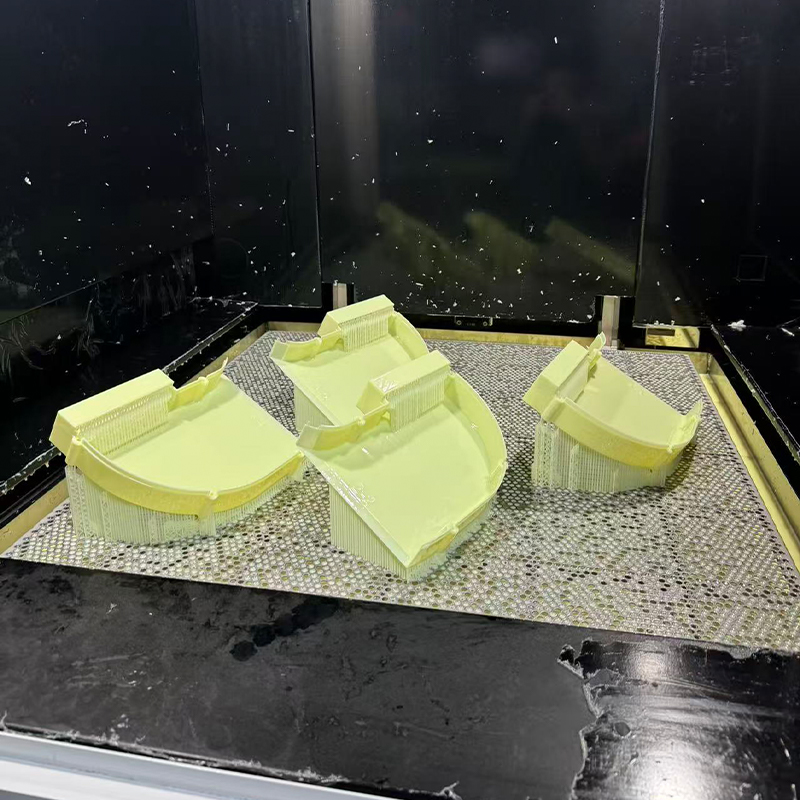 Yellow ABS-Like Resin 3D Printing Service
-
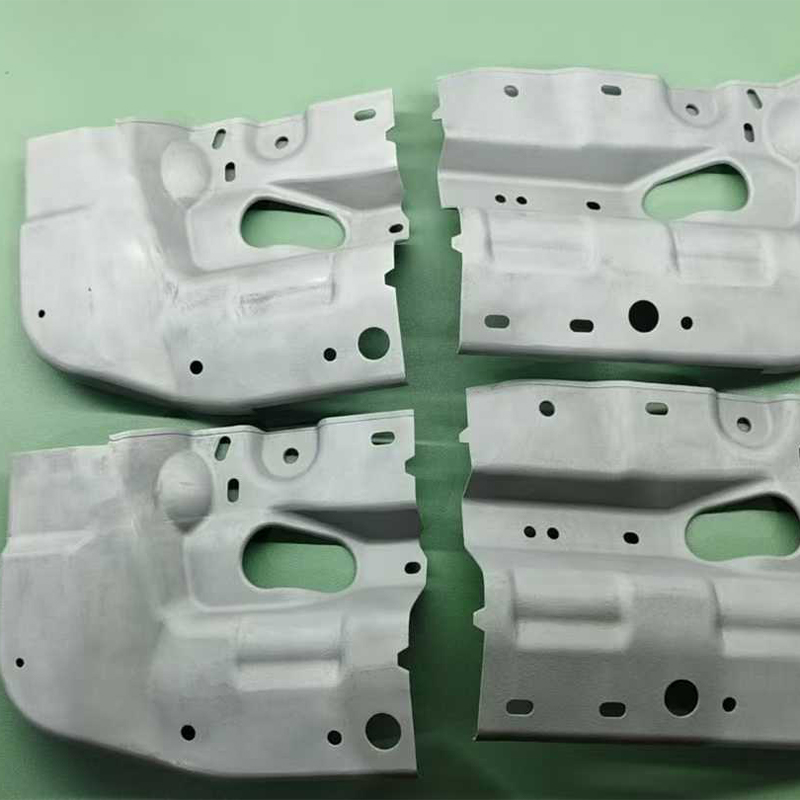 Aluminum Alloy AlSi10Mg 3D Printing Service
-
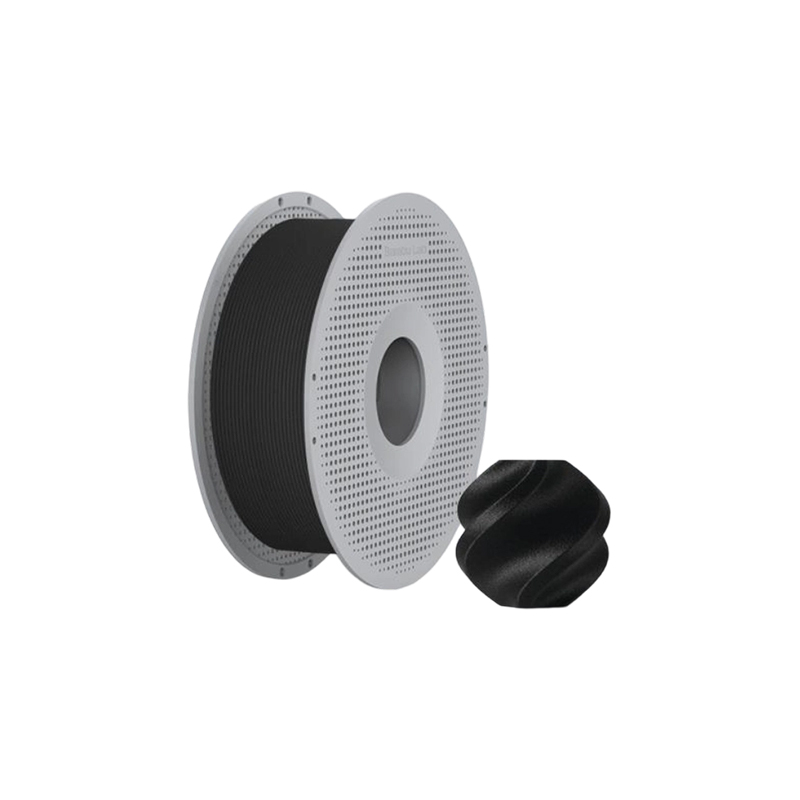 PAHT+CF High-Temp Nylon Carbon Fiber Reinforced Material 3D Printing Service
-
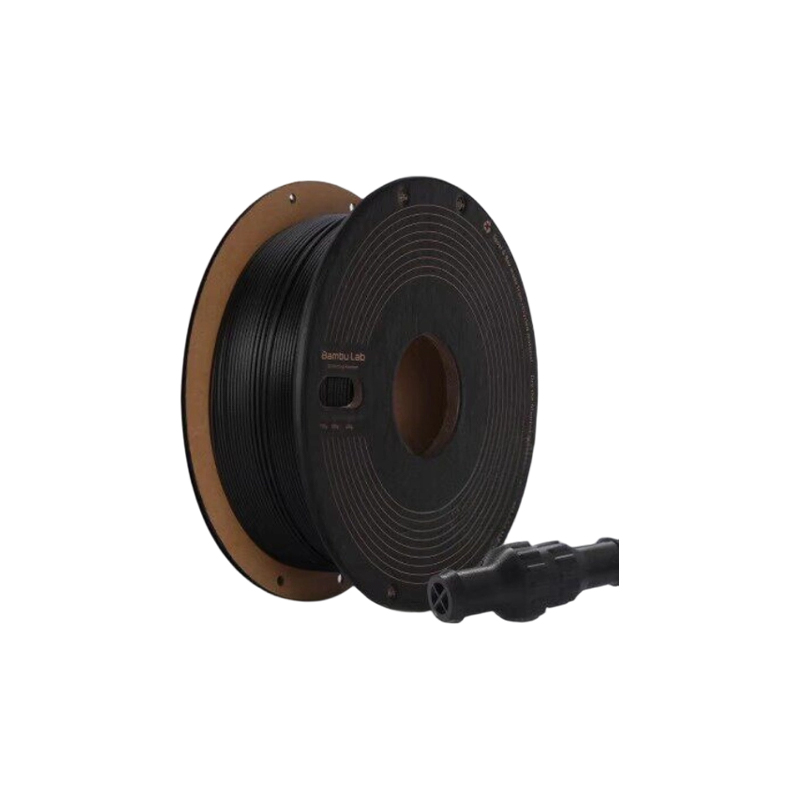 PPS+CF Carbon Fiber Reinforced Material 3D Printing Service
-
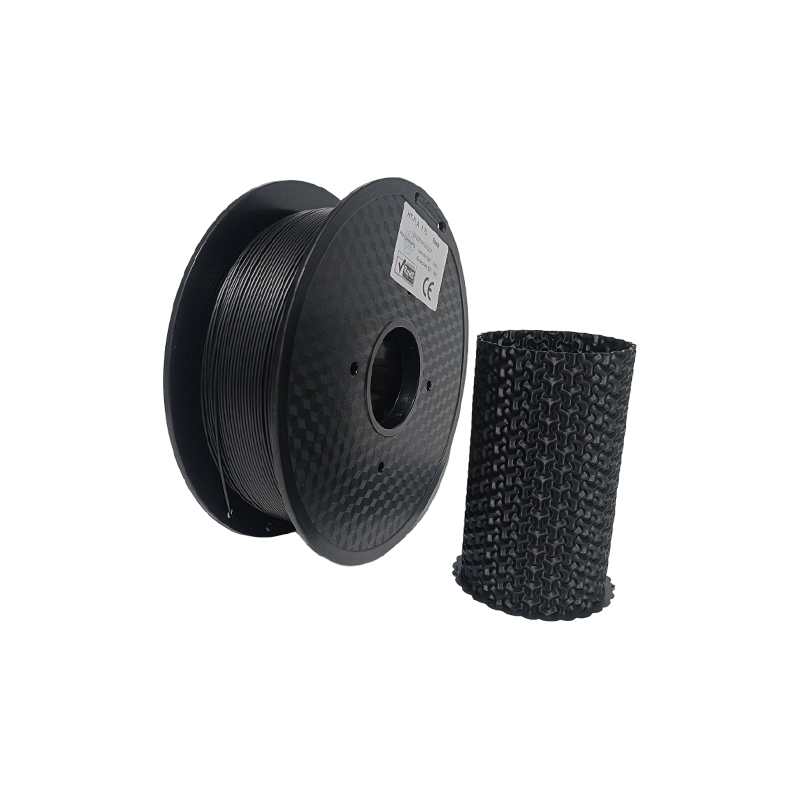 HT-PLA High-Temperature PLA Material 3D Printing Service
-
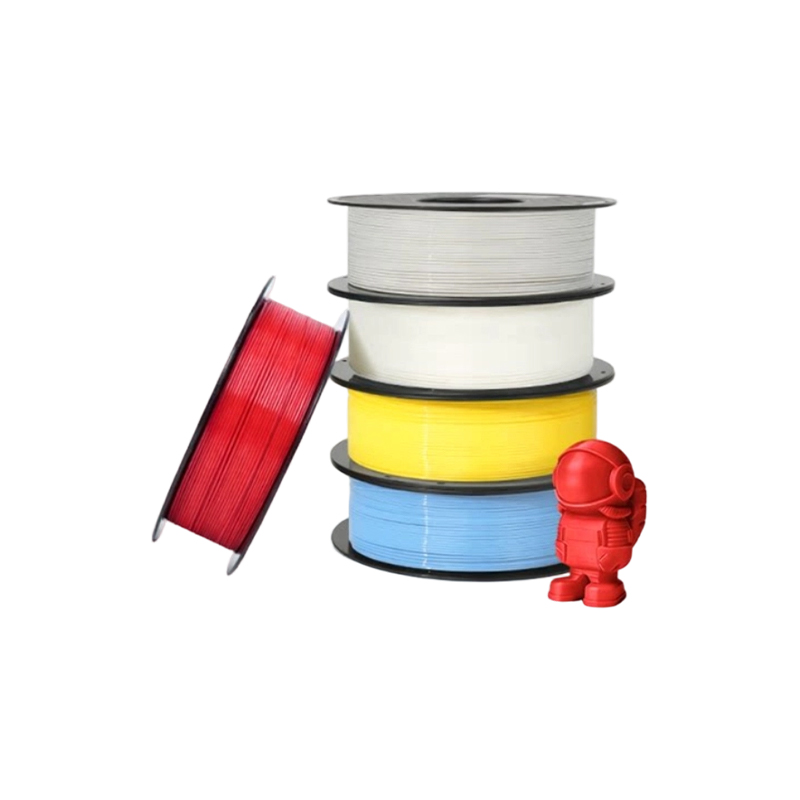 Standard FDM Materials 3D Printing Service (PLA, PETG, ABS)
Contact Information
-

zjjh@jiahzn.cn
-

+86-18936159957
-
+86-18966326325
ADD
-

Building 7, No. 188, Hongni Section of Zha Wang Road, Danghu Subdistrict, Pinghu City, Jiaxing City, Zhejiang Province, China
Copyright © 2026 by Zhejiang Jiaheng Intelligent Equipment Manufacturing Co., Ltd. OEM/ODM Integrated Smart Manufacturing Platform Manufacturers
