



 English
 Español








CNC Turning Service Manufacturer for Rotational Precision Parts
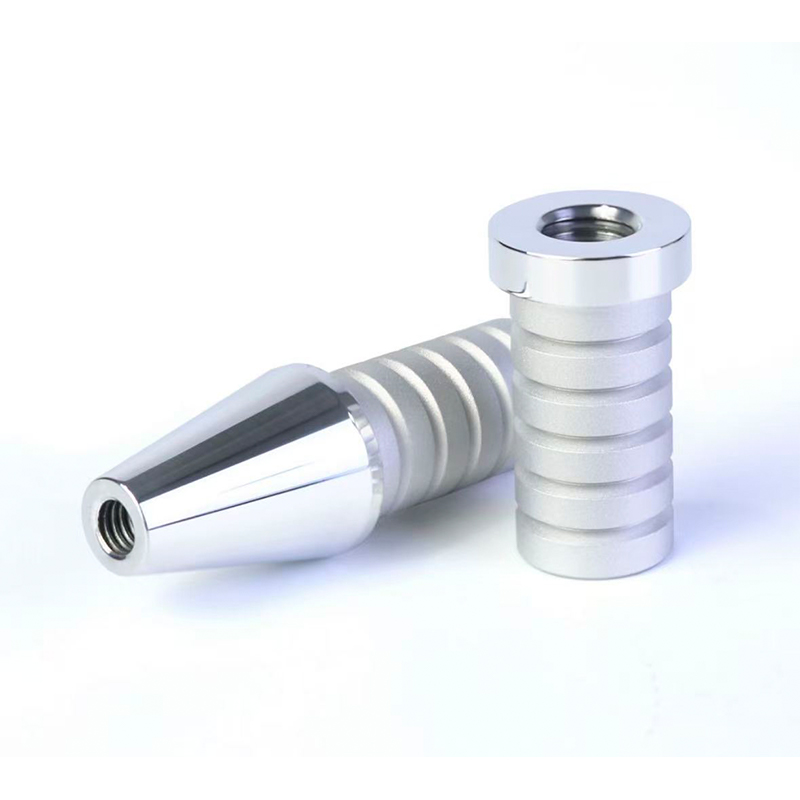
Zhejiang Jiaheng Intelligent Equipment Manufacturing Co., Ltd. is a China-based CNC turning service manufacturer and OEM/ODM factory producing rotational parts on CNC lathes. Our turning work covers shafts, sleeves, bushings, fittings and connectors turned from metal and engineering plastic bar stock, supplied as prototypes and in small-batch production runs.
Turning sits inside our integrated platform alongside CNC Milling Service, silicone mold replication and surface finishing, so a turned part can move from bar stock to finished, coated component without leaving our production base.
What Our CNC Turning Service Covers
Our CNC Turning Service is built around diameter accuracy and surface quality on rotationally symmetric geometry. We turn external diameters, internal bores, shoulders, grooves, threads and chamfers, and we hold concentricity between turned features where the part function depends on it.
- Typical geometry: shafts, stepped shafts, sleeves, bushings, spacers, threaded fittings, connectors and sealing seats.
- Production mode: single prototypes, functional samples and repeat small-batch runs from the same program.
- Combined operations: turning paired with milling for flats, slots and cross-holes on the same part.
- Post-processing: heat treatment for hardness, plus grinding, polishing, sandblasting, anodizing, electroplating and painting.
Material Range We Turn
Material selection drives strength, corrosion resistance, wear behaviour and self-lubrication, so we confirm the grade before programming. Our standard turning stock includes:
| Material Group | Grades We Machine | Typical Turning Application |
|---|---|---|
| Aluminum alloy | 6061, 5052, 2A12, 7075 | Lightweight shafts, housings, spacers, brackets |
| Stainless steel | 303, 304, 316, 316L, 420, 430, 17-4PH, 301 | Corrosion-resistant fittings, medical connectors, seals |
| Alloy steel | Q235 (A3), 45#, Cr12, 3Cr13, GCr15, 40Cr, 65Mn, SKD11 | Load-bearing shafts, pins, hardened wear parts |
| Engineering plastics | PTFE, POM, nylon PA6 | Low-friction bushings, insulators, chemical-contact parts |
Specifications That Define a Turned Part
We quote and inspect against the features that control fit and function, not against a single headline number. The specification set we work to includes:
- Dimensional tolerance: stated per feature on the drawing, with tighter control on mating diameters and bores.
- Geometric control: concentricity, runout, straightness and perpendicularity between turned features.
- Surface finish: as-turned finish for general parts, refined by grinding or polishing where sealing or sliding contact requires it.
- Threads and fits: metric and imperial threads, plus shaft-and-bore fit classes specified by the customer.
- Hardness: achieved through heat treatment when the application demands wear resistance.
Where Turned Parts Fit
Turned components appear wherever rotation, sealing or fluid transfer is involved. Applications we regularly support include motor rotor shafts, hydraulic fittings, medical catheter connectors, seals and chemical piping joints, across prototyping and small-batch production.
Shafts, bushings and fittings for powertrain, chassis and thermal-management assemblies.
Catheter connectors, instrument sleeves and rehabilitation accessories in stainless and titanium grades.
Joint pins, connecting rods and end-effector components requiring repeatable fit.
Piping joints, valve seats and seal carriers in corrosion-resistant grades and PTFE.
Configuration Options on a Turning Project
Turning is rarely the only operation a part needs. We configure the process route around the drawing and the production quantity, and we confirm the route before cutting metal.
- Turn-only or turn-and-mill: single-operation turning for pure rotational geometry, or combined operations where flats, slots and cross-holes are present.
- Material form: bar stock in the specified grade and diameter, with material certificates available on request.
- Heat treatment: applied before or after final turning depending on the hardness target and the distortion allowance.
- Surface finishing: grinding, polishing, sandblasting, anodizing, electroplating or painting, matched to appearance and corrosion requirements.
- Assembly scope: individual turned parts or sub-assemblies where the turned component is combined with other machined or molded parts.
Quality Control and Acceptance
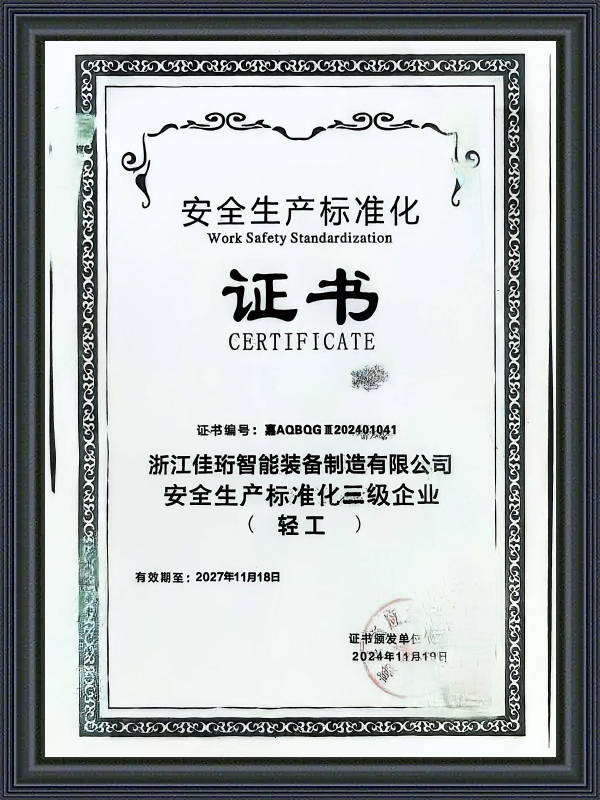
Our quality system covers raw material incoming inspection, in-process sampling during production and finished-product dimensional verification. Every customized workpiece is checked against the dimensional tolerance and appearance standards agreed for that project.
- Raw material inspection before storage, so grade and condition are confirmed at the source.
- Periodic in-process sampling to keep machining precision stable across a batch.
- Final inspection of dimensions and appearance before goods are released for delivery.
- Inspection records and dimensional reports supplied with the shipment where the project requires them.
Customer drawings, models and product data are protected through project zoning in separate closed workshops, staff non-disclosure agreements and an isolated internal network that blocks unauthorized transmission of drawing files.
Information We Use to Configure Your Turning Solution
A turning quotation is only accurate when it reflects the real working point of the part. We prepare the configuration and price from the following inputs:
| Input | What We Need | Why It Matters |
|---|---|---|
| Geometry | 3D model or 2D drawing with full dimensions | Defines tooling, operation sequence and cycle time |
| Material | Grade, condition and any certificate requirement | Sets cutting parameters, finish and corrosion behaviour |
| Tolerances | Per-feature tolerance and GD&T callouts | Determines inspection method and process capability |
| Quantity | Prototype, sample or batch volume, with repeat forecast | Drives setup amortization and production planning |
| Finish & treatment | Surface finish, heat treatment, coating or anodizing | Adds operations and affects final dimensions |
| Delivery | Destination, packaging and documentation needs | Shapes packing method and shipping scope |
Project Support from Drawing to Delivery
Our design team reviews the part early and suggests changes that reduce downstream production cost, such as adjusting a wall thickness, relaxing a non-functional tolerance or consolidating two turned parts into one. During processing we keep technical communication open so details can be adjusted without restarting the project.
Turned parts can be paired with other processes on the same order: Precision CNC Milling Service for prismatic features, Vacuum Casting for low-volume housings, and Grinding, Polishing & Sandblasting for final surface condition. After-sales follow-up covers usage questions and repeat production demands.
Frequently Asked Questions
We turn aluminum alloys 6061, 5052, 2A12 and 7075; stainless steels 303, 304, 316, 316L, 420, 430, 17-4PH and 301; alloy steels Q235, 45#, Cr12, 3Cr13, GCr15, 40Cr, 65Mn and SKD11; and engineering plastics including PTFE, POM and nylon PA6.
Rotationally symmetric parts are the natural fit: shafts, stepped shafts, sleeves, bushings, spacers, threaded fittings, connectors and seal seats. Parts with flats, slots or cross-holes are usually turned and milled in the same route.
Yes. Heat treatment is applied to raise hardness and mechanical performance, and turned surfaces can be ground, polished, sandblasted, anodized, electroplated or painted. We sequence treatment and finishing so final dimensions remain within tolerance.
We accept custom orders of all batch sizes. Prototypes and functional samples are produced from the same program used for repeat small-batch runs, which keeps dimensional consistency between the sample and later deliveries.
Incoming material is inspected before storage, periodic sampling runs during production, and finished parts receive dimensional and appearance verification against the agreed standards. Inspection records accompany the shipment when the project requires them.
Send the 3D model or 2D drawing, material grade, per-feature tolerances, surface finish and treatment requirements, quantity and repeat forecast, and the delivery destination. Our team returns a configuration and quotation based on that working point.


