



 English
 Español








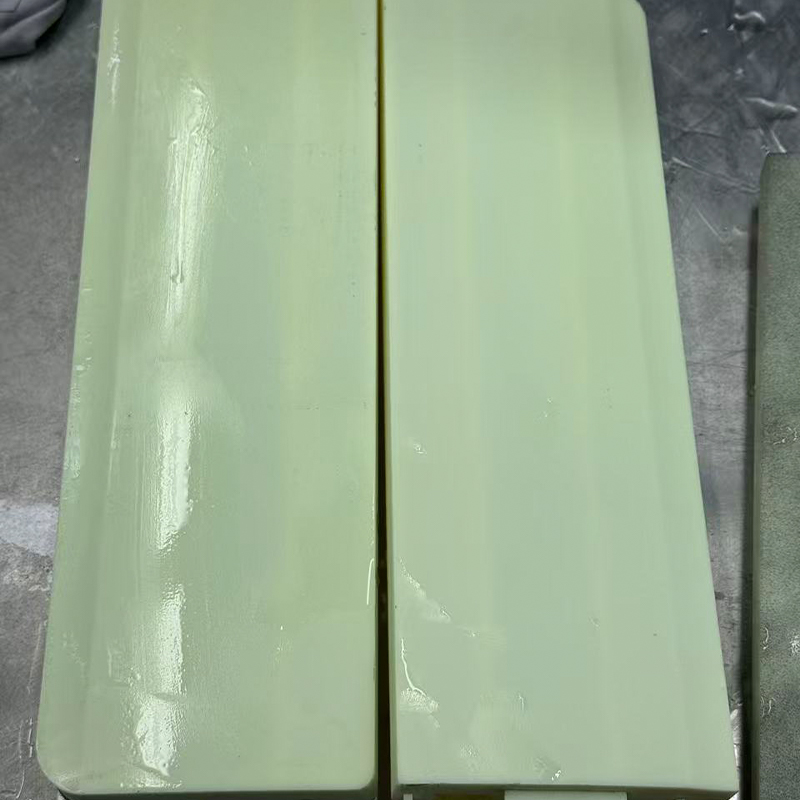
CNC Machining Services Manufacturer for Metal and Plastic Parts
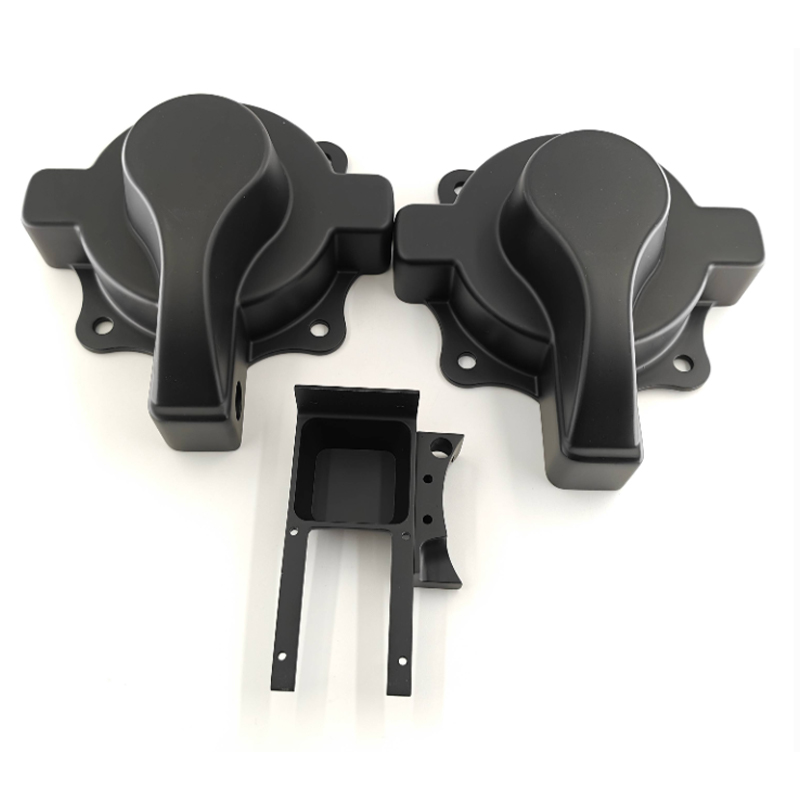
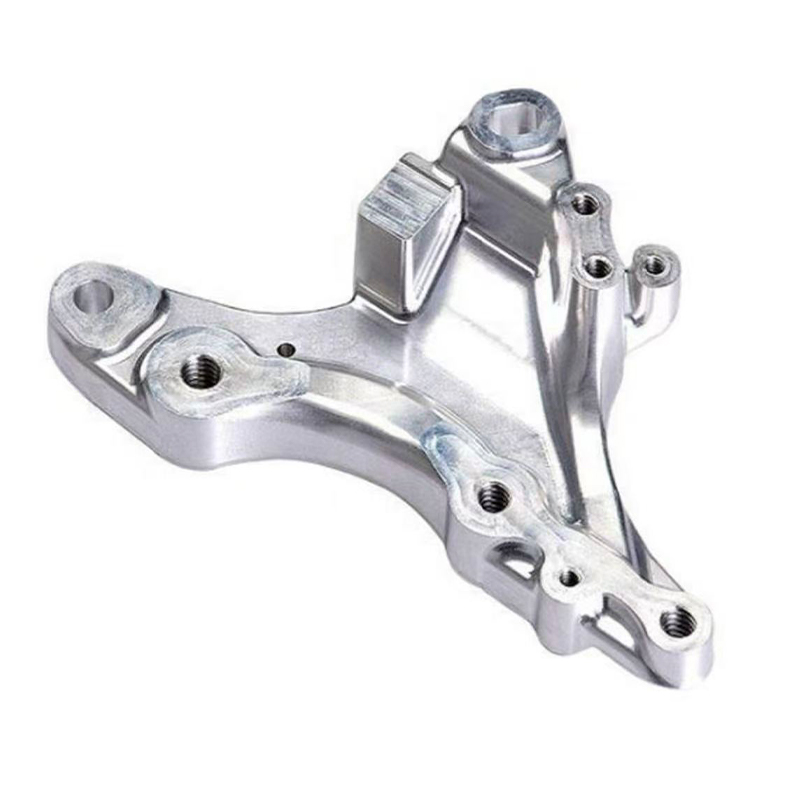
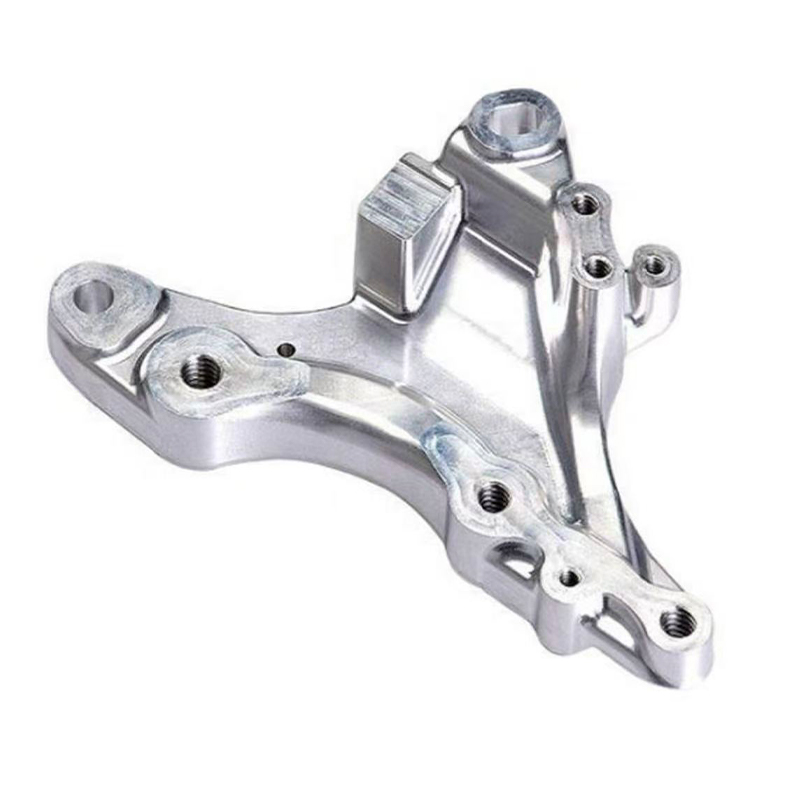
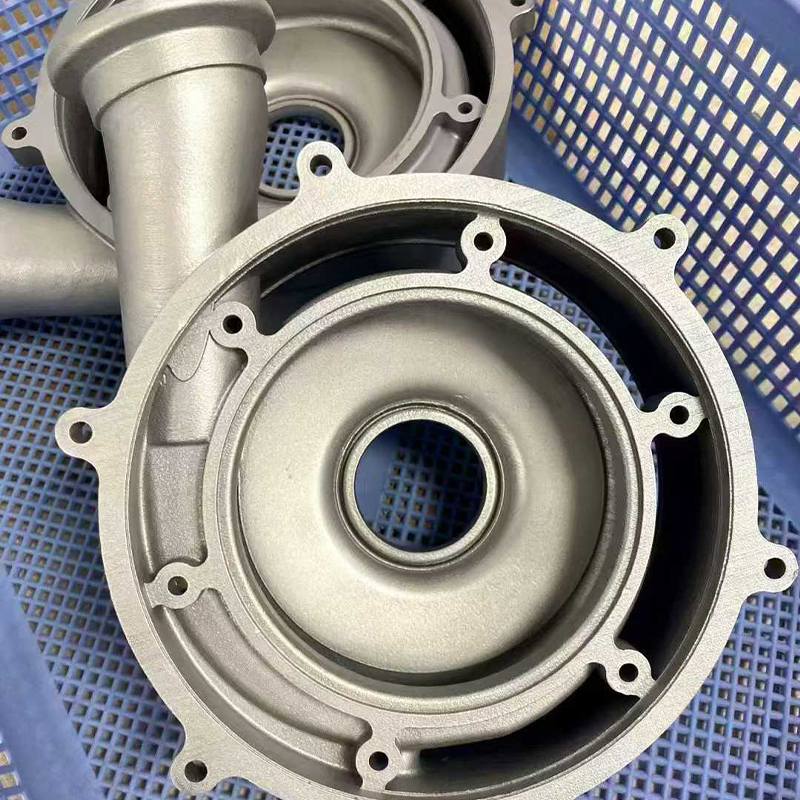
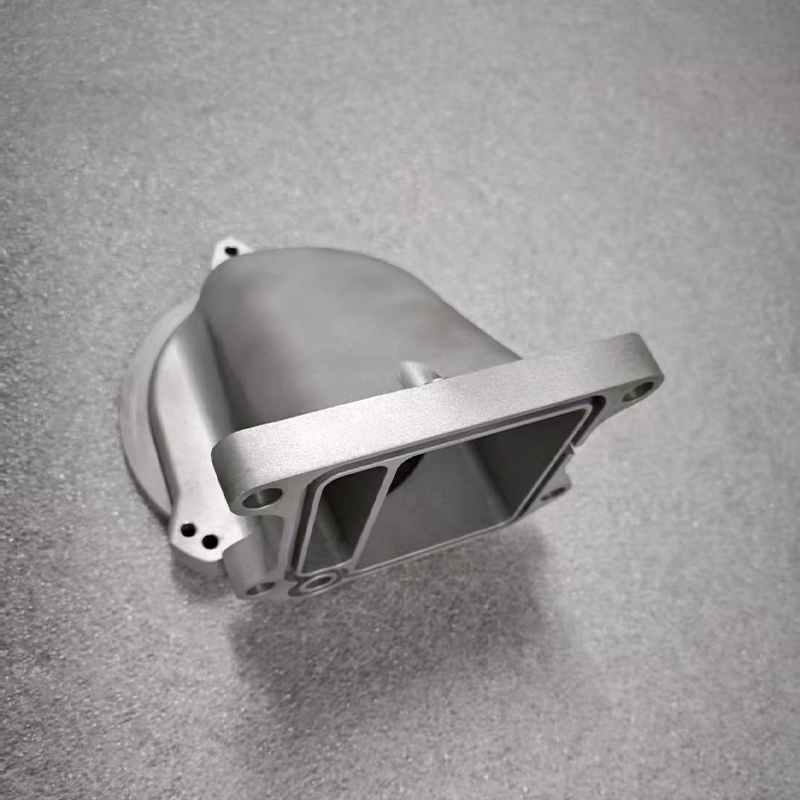
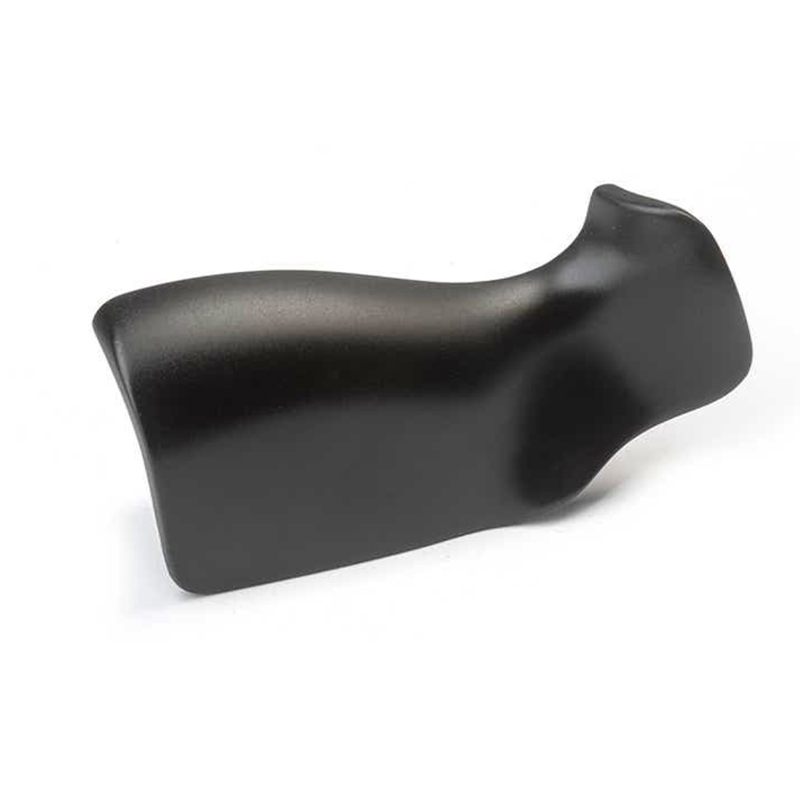
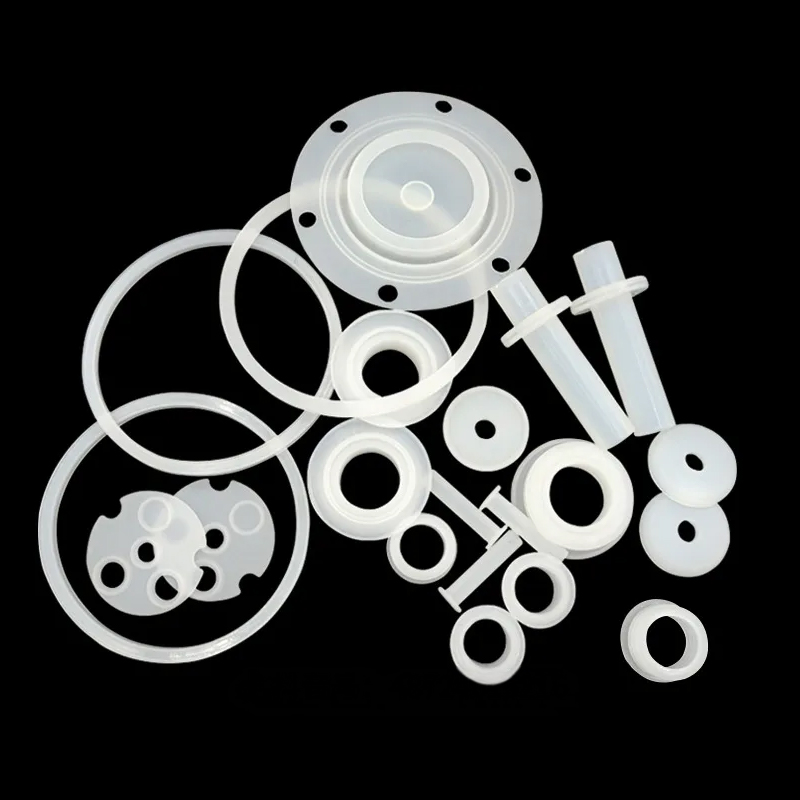
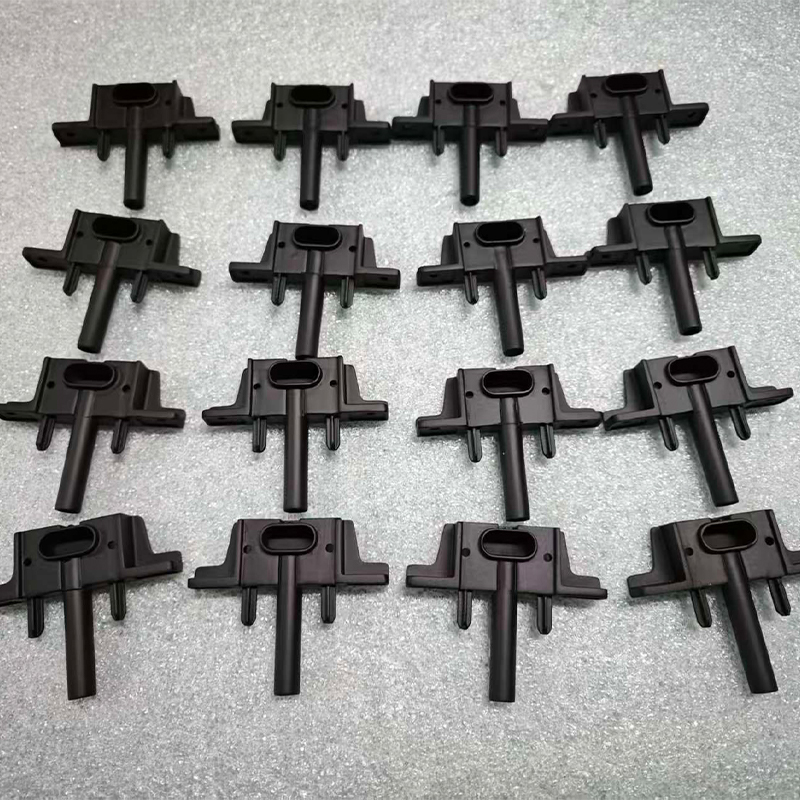
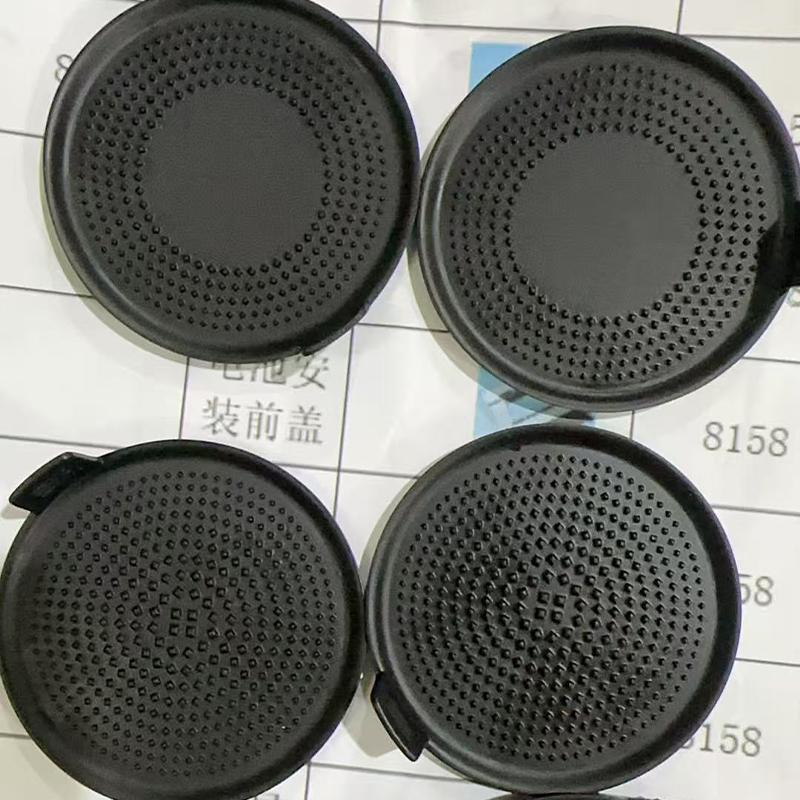
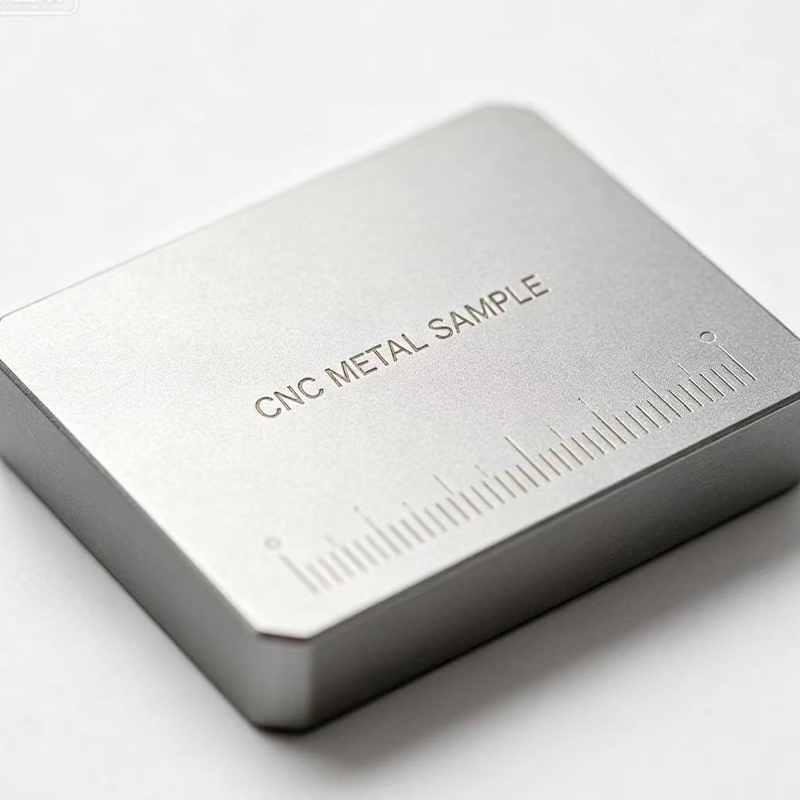
Zhejiang Jiaheng Intelligent Equipment Manufacturing Co., Ltd. is a China CNC machining services manufacturer producing functional and appearance parts on high-speed gantry milling machines, 3–5 axis machining centers and CNC lathes. We machine aluminium alloys, stainless steel, alloy steel, copper alloys and more than 30 engineering plastics, from single prototypes to repeat small batches.
Our CNC Machining Services sit inside one integrated platform with 3D printing, vacuum casting and surface finishing, so a part can move from raw stock to a finished, coated component without leaving our production base in Pinghu, Zhejiang.
Our CNC Machining Range
Three machining routes cover the majority of prototype and low-volume production work. Each route is quoted from the same drawing set and can be combined on one order when a project contains both rotational and prismatic parts.
| Service | Equipment | Typical Parts | Tolerance Position |
|---|---|---|---|
| CNC Milling Service | 3, 4 and 5 axis machining centers | Heat sink housings, medical device enclosures, mold inserts, insulation components | Up to 0.1 mm |
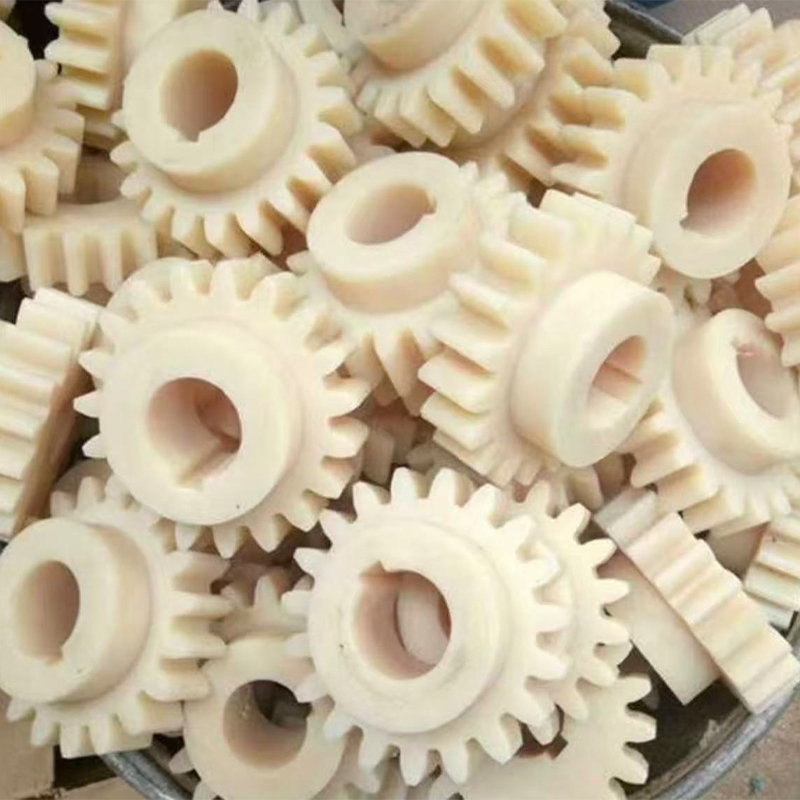
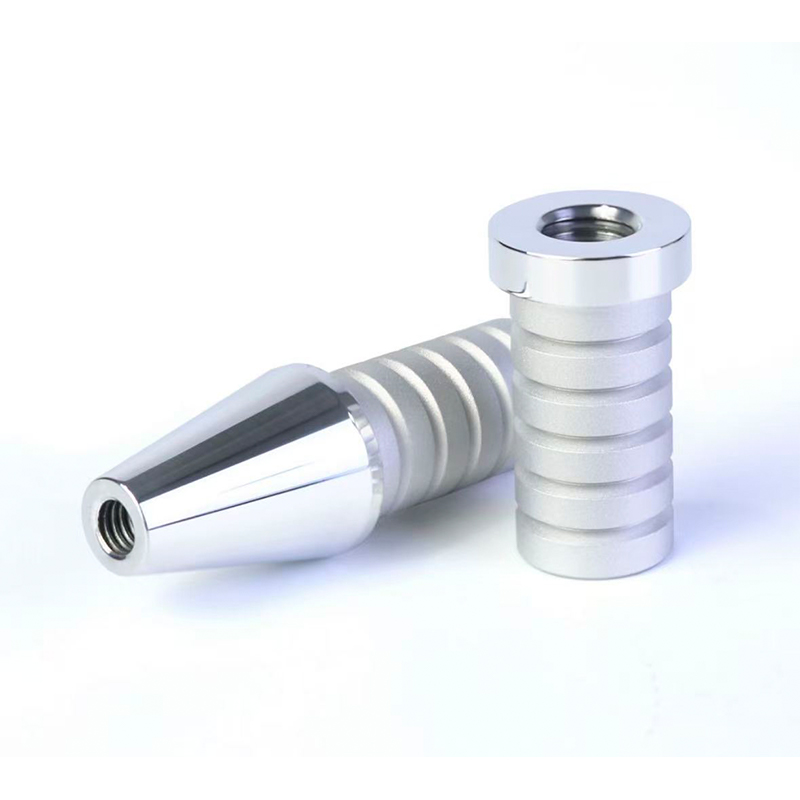
| CNC Turning Service | CNC lathes | Motor rotor shafts, hydraulic fittings, catheter connectors, seals, pipe joints | Controlled diameter and roundness |
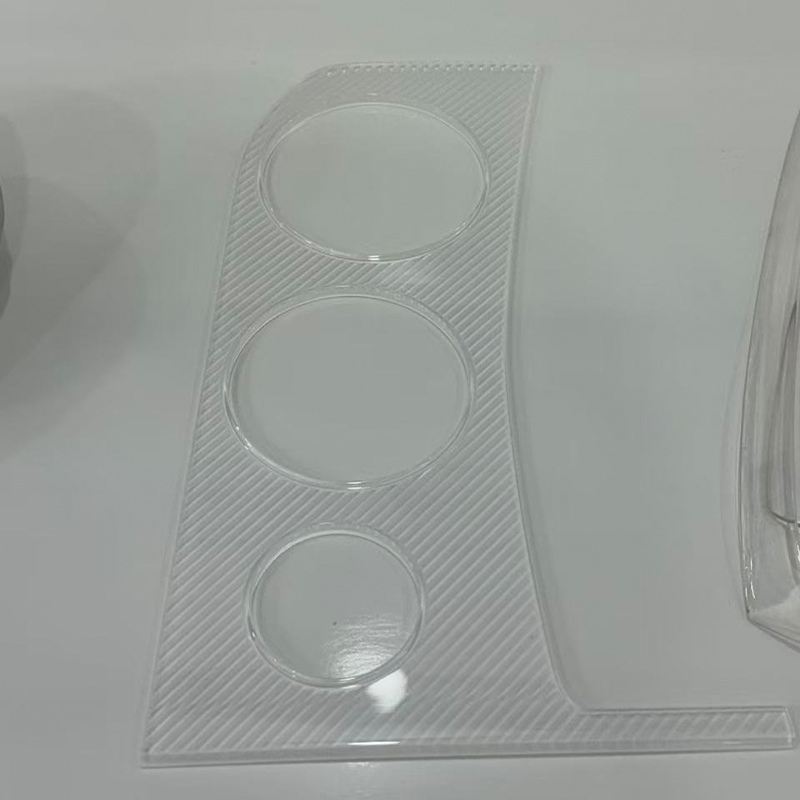
| Precision CNC Milling Service | High-speed gantry engraving and milling machines, work area up to 2 × 1 m | Automotive decorative molds, texture masters, nameplates, light guide plates | Large-format single-setup alignment |
Material Coverage and Selection
Material choice drives tool path, cutting parameters and finishing sequence. We hold stock and process experience across four material systems, and we confirm the grade before programming rather than substituting at the machine.
- Aluminium alloys: 6061, 5052, 2A12 and 7075 for housings, brackets and structural prototypes.
- Stainless steels: 303, 304, 316, 316L, 420, 430, 17-4PH and 301 for corrosion-resistant and medical-adjacent parts.
- Alloy steels: Q235 (A3), 45#, Cr12, 3Cr13, GCr15, 40Cr, 65Mn and SKD11 for wear and load-bearing components.
- Engineering plastics: ABS, PTFE, POM, bakelite, PMMA, PPS, PU, PC, PEEK, PP, PVC, FR4, HDPE, LDPE and PA6 — over 30 grades in total.
Where a part must combine strength, corrosion resistance or self-lubrication, we match the plastic or metal grade to the working condition and note the trade-off between machinability, surface finish and cost in the proposal.
Application Fit Across Industries
Our machining work supports automotive, consumer electronics, UAV and eVTOL, robotics and general industrial equipment development. The common requirement is a part whose fit, surface texture and mechanical performance approach final mass-production standards.
Automotive
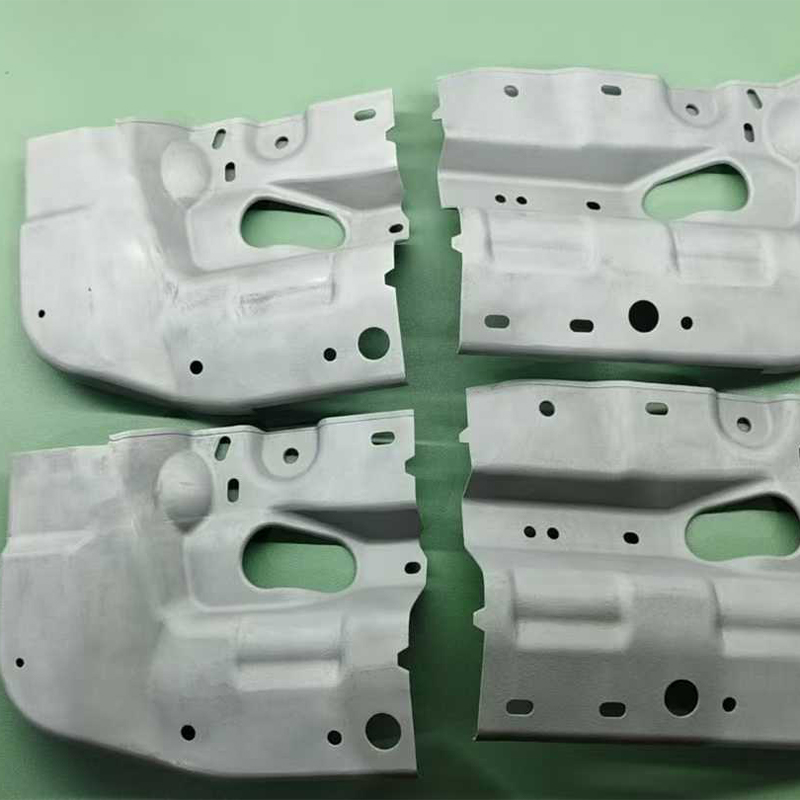
Decorative mold masters, interior trim prototypes and lightweight structural parts for new energy vehicle programmes.
Consumer Electronics
Earphone and wearable housings, appliance components and appearance parts requiring tight fit and clean surfaces.
UAV & eVTOL
Integrated complex parts and lightweight components that reduce part count and assembly weight.
Robotics
Joints, connecting rods and end-effectors where weight reduction and repeatable geometry matter.
Specification Meaning and Operating Boundaries
Machining tolerance is stated against the feature that controls assembly, not as a blanket figure for the whole part. Our multi-axis work holds a maximum machining tolerance of 0.1–0.15 mm, which is the band we quote for complex surfaces, undercuts and multi-face features completed in one setup.
- Multi-axis interconnection allows one-step moulding of complex structures and irregular surfaces, reducing re-fixturing error.
- Surface quality is set by the finishing route — as-machined, sandblasted, polished or coated — and is agreed before programming.
- Wall thickness and feature size are reviewed against the chosen material, since thin plastic walls and deep metal pockets behave differently under cutting load.
- Threads, bores and mating faces are called out on the drawing so the inspection plan can verify them directly.
Configuration Options and Finishing Integration
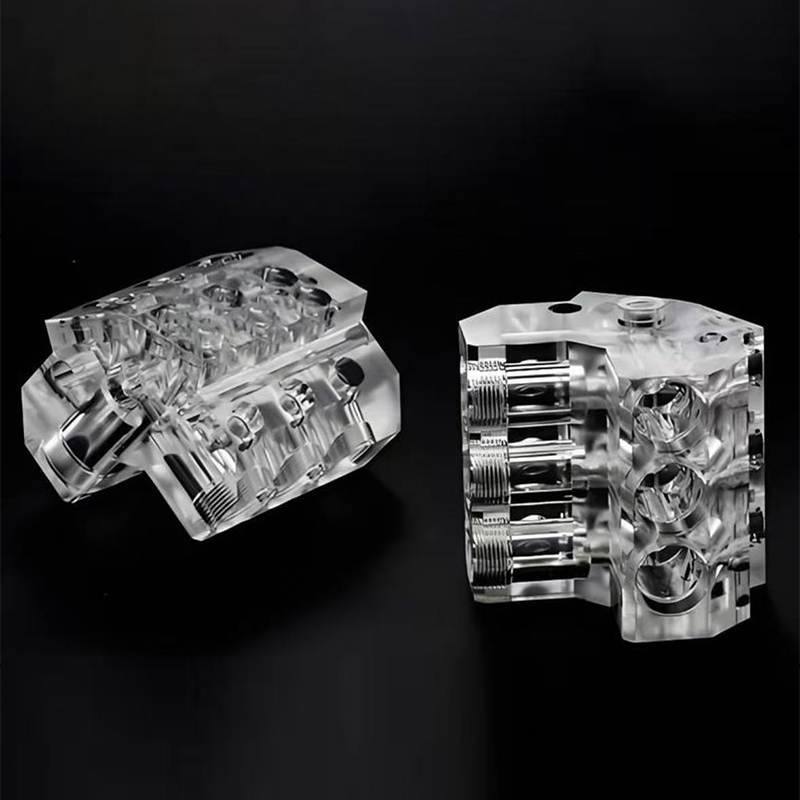
Each order is configured from the drawing, the batch quantity and the cosmetic requirement. Machined parts can continue directly into our Surface Finishing Services for soft or hard coating, laser engraving, decal and silk screen printing, electroplating and anodizing, matte or glossy painting, transparent part treatment, and grinding, polishing and sandblasting.
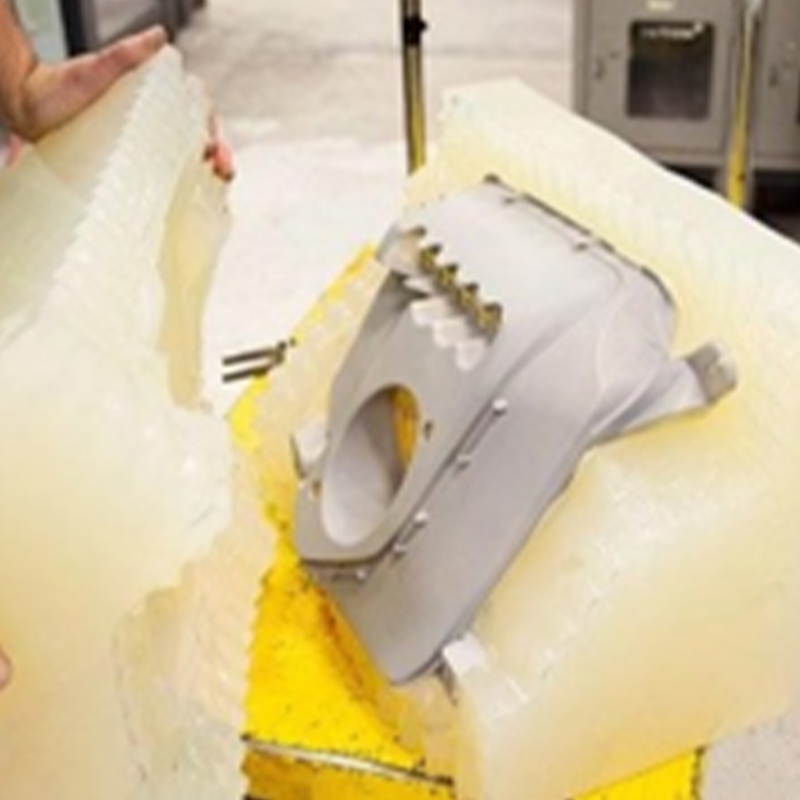
When a project needs a small batch of near-production parts rather than machined units, we can use a machined or printed master to build silicone tooling and produce parts through Vacuum Casting Services. This keeps the same geometry and finish language across the prototype and pre-production stages.
Quality Control and Acceptance
We run full-process inspection: raw material incoming check, in-process sampling during production, and finished product dimension verification. Every customized workpiece is inspected against its dimensional tolerance and appearance standard before it is released.
- Raw materials are tested before storage to cut quality risk at the source.
- Periodic sampling during machining stabilizes precision across a batch.
- Final shipment check covers dimensions and appearance; only qualified goods are delivered.
- Project zoning, staff non-disclosure agreements and an isolated internal network protect drawings, models and product data.
Information We Use to Configure Your Solution
We prepare a configuration and quotation from the working point, material and production target. The following inputs let us confirm process route, tolerance, finishing and batch plan without a second round of questions.
| Input | What It Determines |
|---|---|
| 3D model and 2D drawing | Feature geometry, datum scheme, critical dimensions and inspection plan |
| Material grade and condition | Tool path, cutting parameters, heat treatment and finishing compatibility |
| Quantity and repeat demand | Machining versus silicone replication, fixture planning and batch scheduling |
| Tolerance and fit requirement | Machine selection, setup count and measurement method |
| Surface and colour standard | Finishing sequence, texture reference and appearance acceptance |
| Assembly and interface context | Mating clearances, insert and thread requirements, packaging scope |
Project Support, Documentation and Serviceability
Our design team reviews the model early and returns optimization suggestions that reduce subsequent production cost, then keeps technical communication open during processing so details can be adjusted flexibly. After delivery we follow up on product usage and re-production demands.
Parts are packed to protect machined surfaces and finished coatings, and the delivery scope is confirmed with the order. Where a part will be serviced or replaced in the field, we retain the machining data so repeat units match the original geometry.
Frequently Asked Questions
What tolerance can Jiaheng hold on CNC machined parts?
Our multi-axis machining holds a maximum machining tolerance of 0.1–0.15 mm, which is the band we quote for complex surfaces, undercuts and multi-face features completed in one setup. Tighter or looser requirements are reviewed feature by feature against the material and geometry.
Which materials do you machine?
We process aluminium alloys 6061, 5052, 2A12 and 7075; stainless steels 303, 304, 316, 316L, 420, 430, 17-4PH and 301; alloy steels including Q235, 45#, Cr12, 3Cr13, GCr15, 40Cr, 65Mn and SKD11; copper alloys; and more than 30 engineering plastics such as ABS, POM, PEEK, PC, PTFE, PA6 and FR4.
Can you produce both prototypes and small production batches?
Yes. We accept custom orders of all batch sizes. Single prototypes run on the same equipment as repeat batches, and when quantities justify it we can move the geometry into silicone tooling through our vacuum casting route to keep cost and finish consistent.
How is surface finish handled after machining?
Machined parts continue into our surface finishing line for coating, anodizing, electroplating, laser engraving, printing, painting and polishing. The finishing sequence is agreed with the order so appearance acceptance is defined before production starts.
How do you protect our drawings and product data?
Projects run in zoned, closed workshops, all staff sign non-disclosure agreements, and drawing files are held on an isolated internal network that prevents unauthorized external transmission.
What do you need to quote a CNC machining project?
Send the 3D model and 2D drawing, material grade, quantity, tolerance and fit requirements, surface and colour standard, and any assembly context. We confirm the process route, finishing and batch plan from those inputs and return a configuration with the quotation.


