



 English
 Español








Compression Molded Silicone Parts Manufacturer
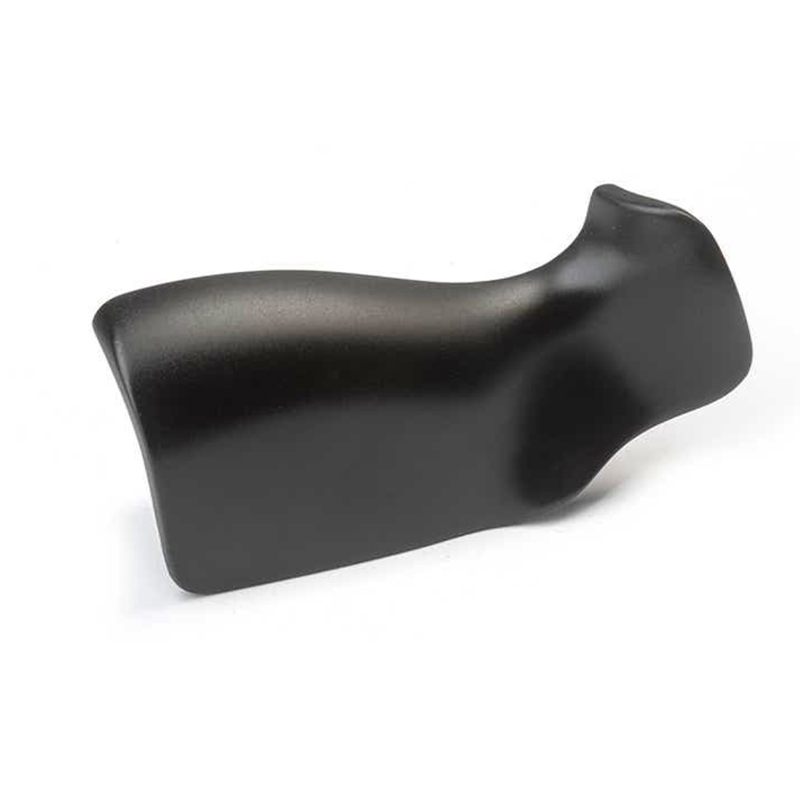
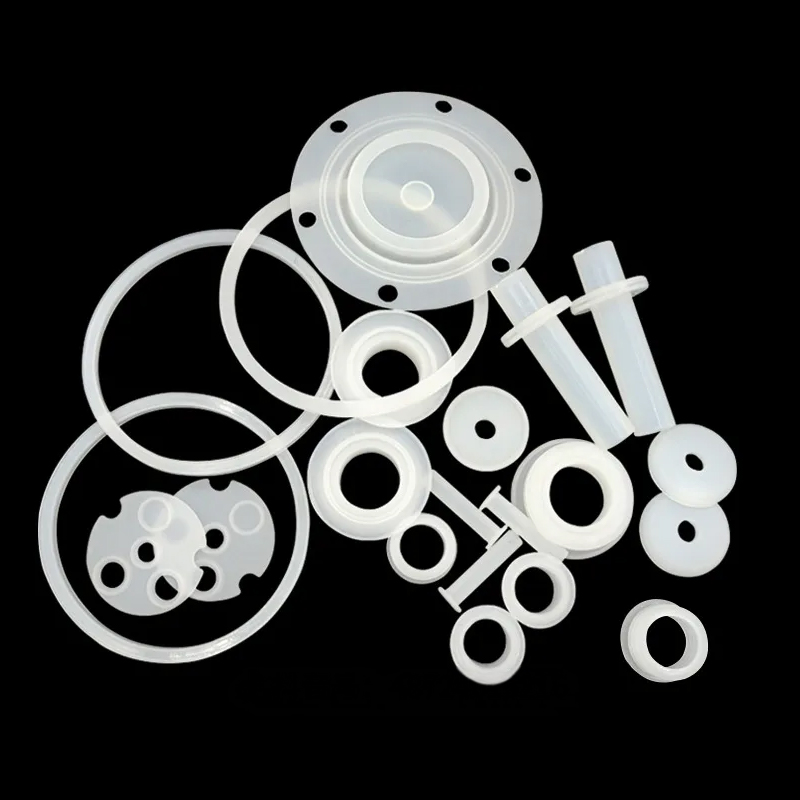
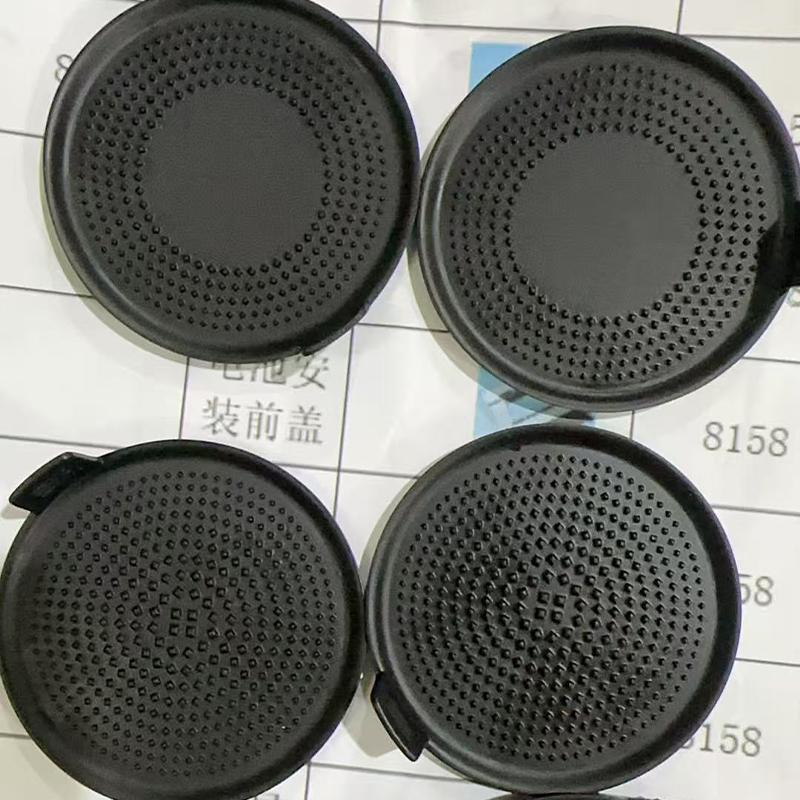
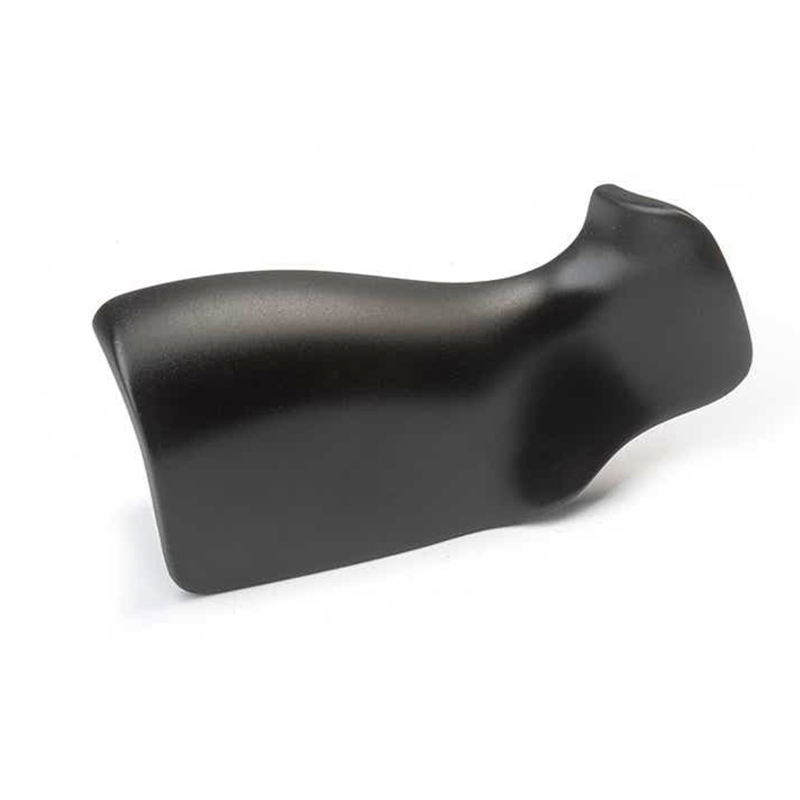
Zhejiang Jiaheng Intelligent Equipment Manufacturing Co., Ltd. is a China-based OEM/ODM compression molded silicone parts manufacturer and factory. We cure silicone rubber in heated molds under pressure to produce soft, flexible, high-temperature-resistant components for seals, anti-slip grips and soft parts in wearable devices.
Our silicone molding line sits inside a wider one-stop platform covering 3D printing, CNC machining, vacuum casting and surface finishing, so a silicone program can start from a printed or machined master model and finish with a painted, printed or coated part from the same production base.
What Compression Molding Produces
Compression molding places a preformed silicone charge into a heated cavity, closes the press and cures the rubber under combined heat and pressure. The process suits elastomeric parts that must stay soft and dimensionally repeatable across a production run.
- Hardness control: Shore A hardness is selected per application and held with high repeatability across cavities and batches.
- Thermal and weather resistance: cured silicone retains flexibility over a wide service temperature range and resists UV and aging.
- Contact safety: formulations can be specified to meet food-grade or skin-contact safety requirements.
- Geometry: seals, gaskets, pads, grips, buttons, sleeves and soft over-molded inserts.
Application Fit Across Our Range
Silicone compression molding is one process in our Products portfolio. The table below shows where each service fits when a project mixes elastomer parts with rigid housings, prototypes or finished surfaces.
| Service | Typical Part | Where It Fits |
|---|---|---|
| Compression Molded Silicone Parts | Seals, grips, soft wearable components | Flexible, heat-resistant elastomer parts in low to medium volume |
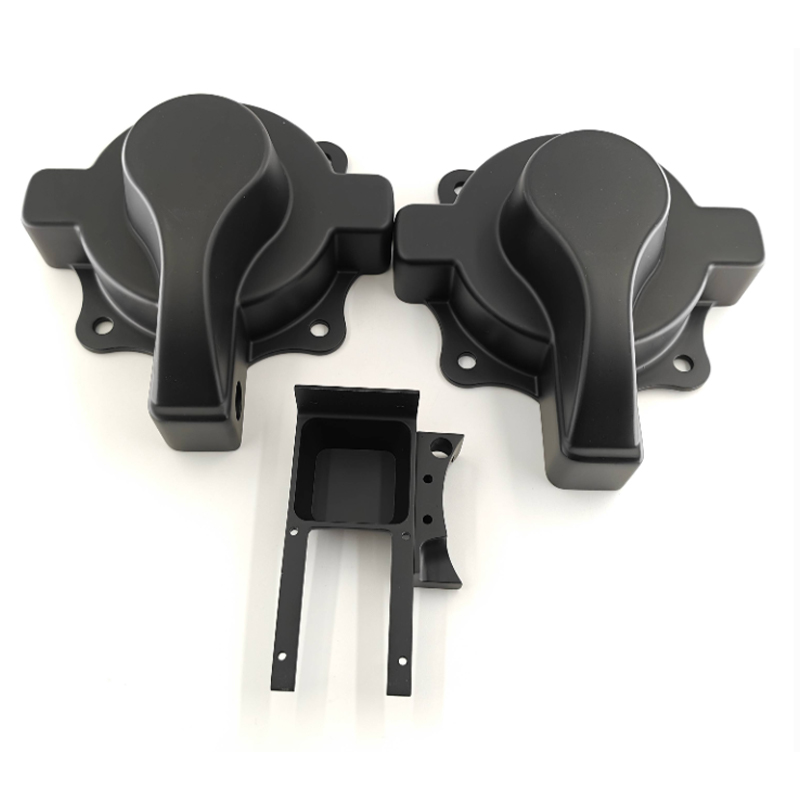
| Vacuum Casting | Urethane housings, covers, enclosures | Rigid or rubber-like parts beside silicone components |
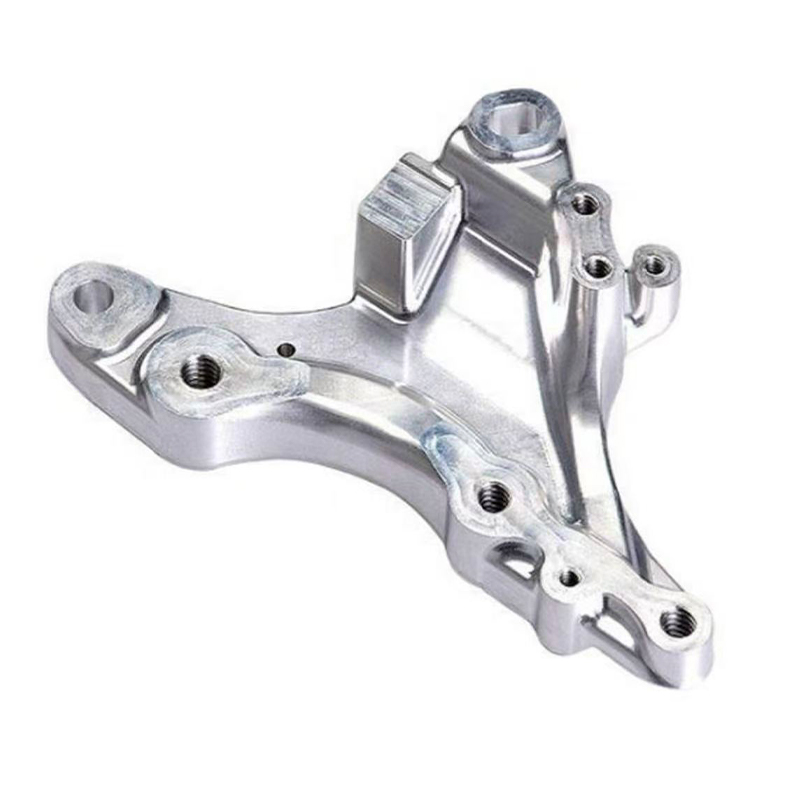
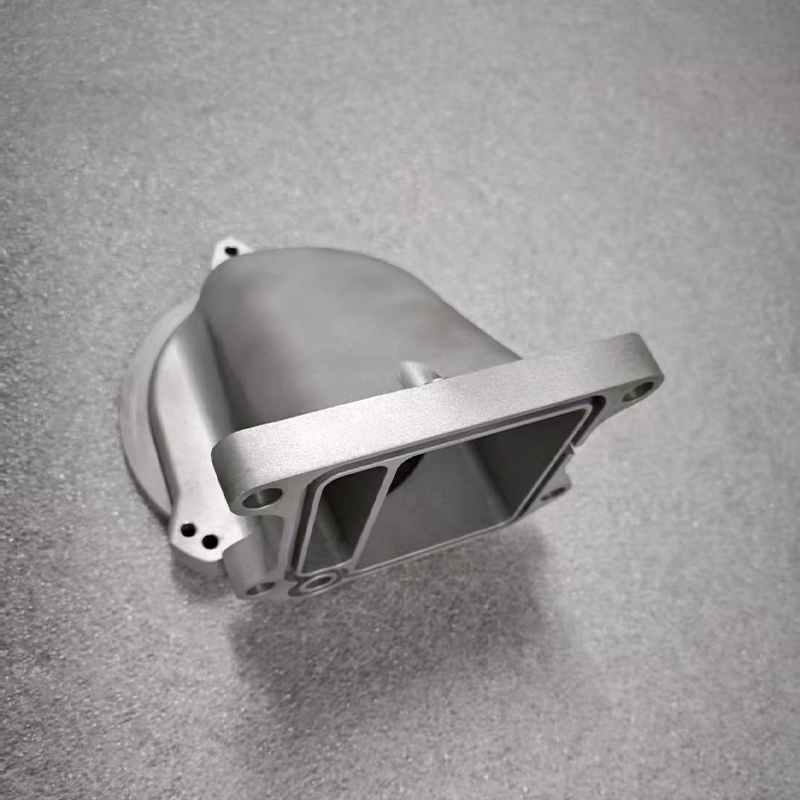
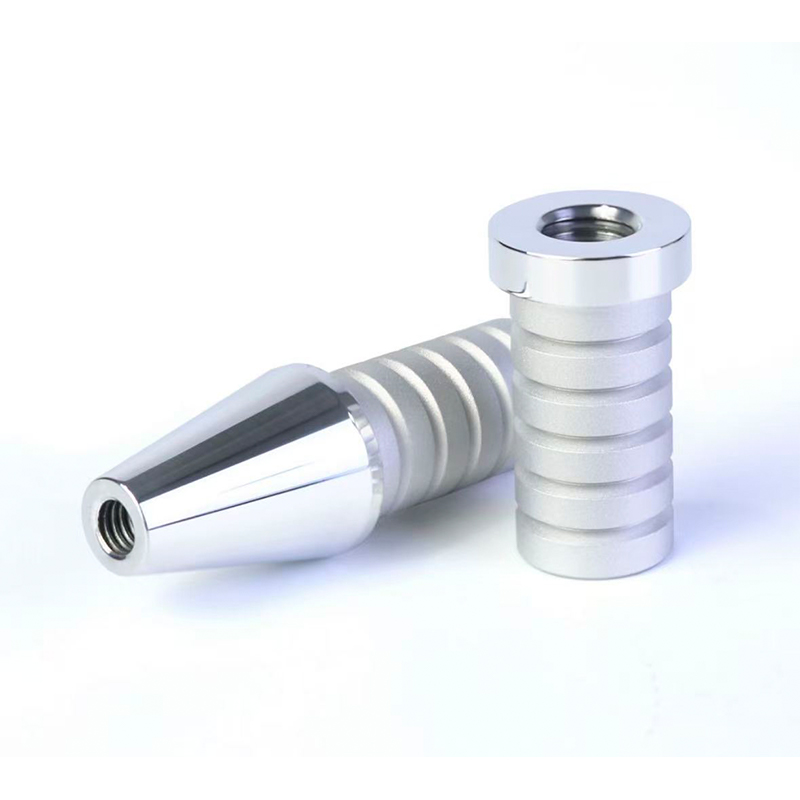
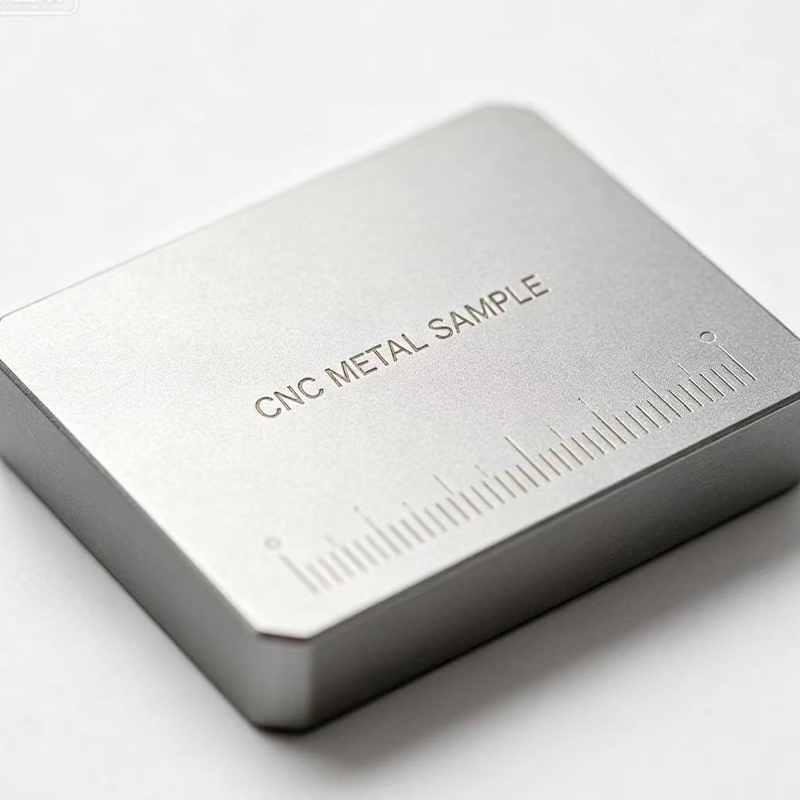
| CNC Milling Service | Mold inserts, master models, fixtures | Tooling and mating metal or plastic parts |
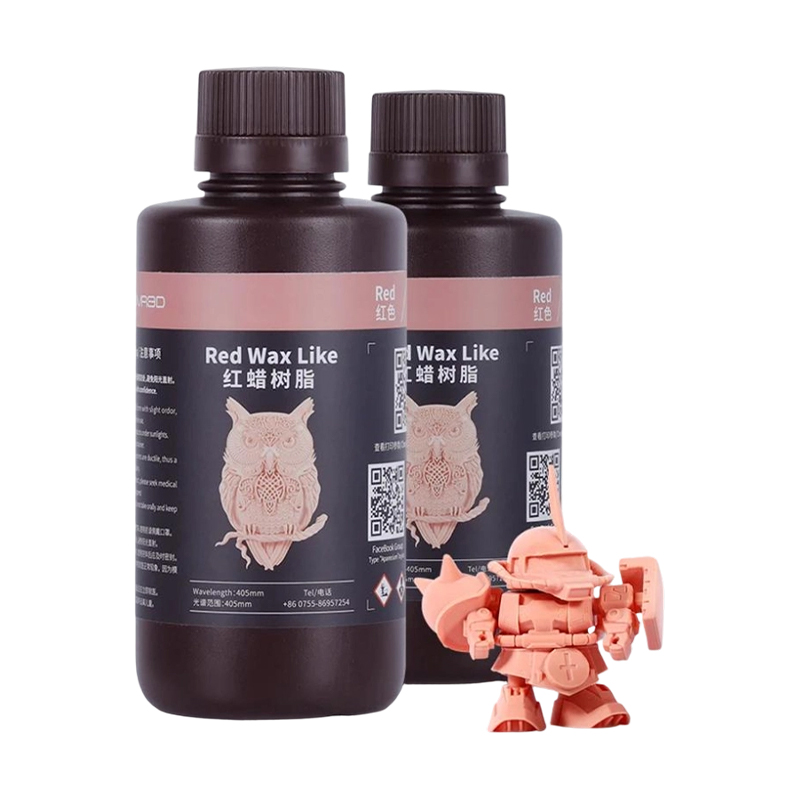
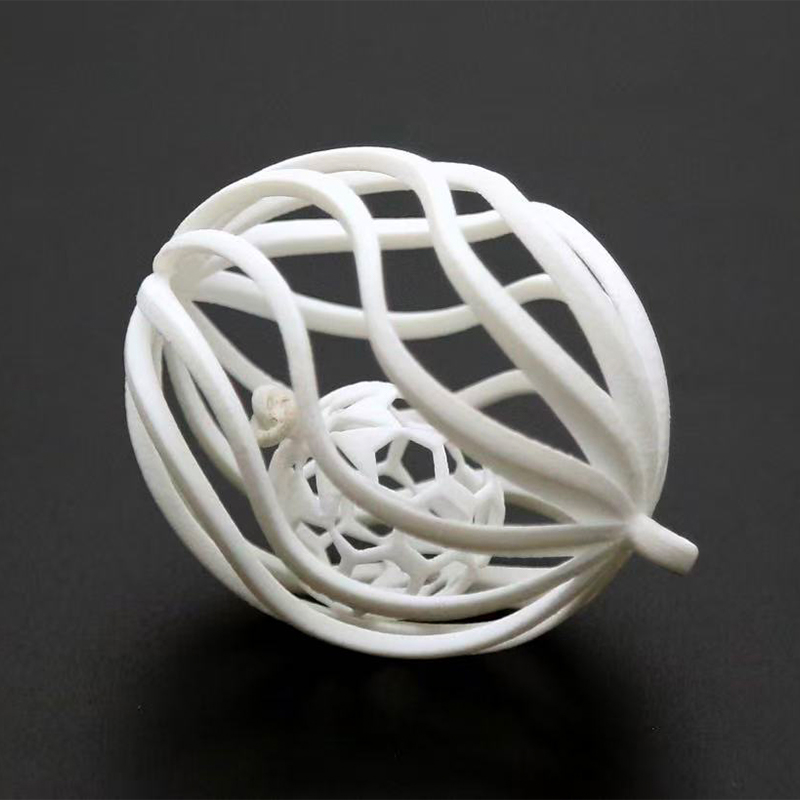
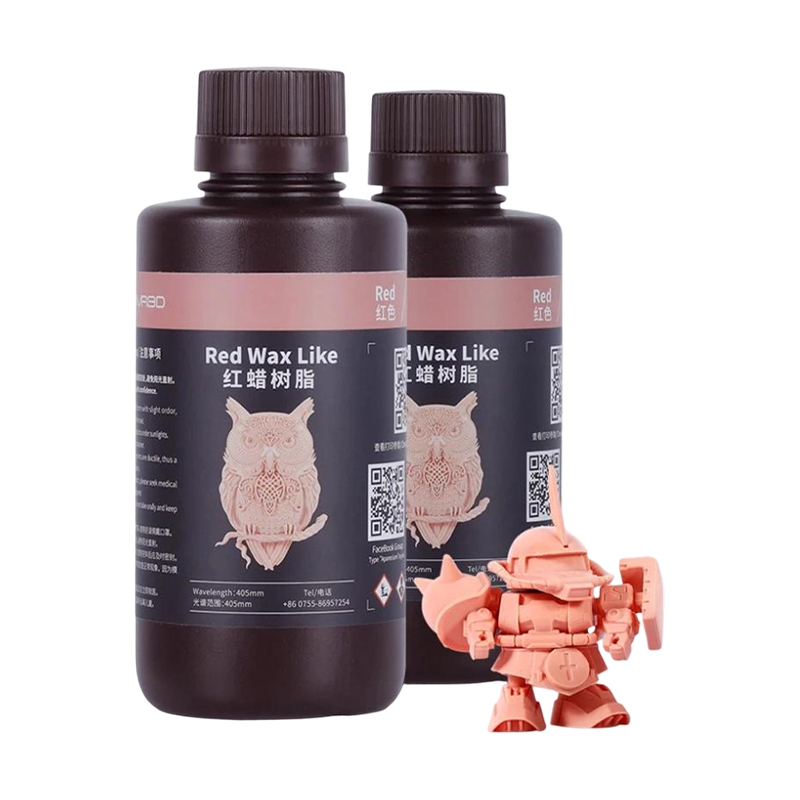
| SLA Resin 3D Printing Service | Patterns, fit-check prototypes | Fast geometry validation before mold cutting |
| Painting & Coating (Matte / Glossy Finish) | Colored or textured assemblies | Appearance matching on adjacent rigid parts |
Specifications We Build To
Silicone part performance is defined by a small set of variables. We confirm each one against the drawing and the working environment before mold design starts.
- Shore A hardness: soft grades for skin-contact pads and grips, firmer grades for load-bearing seals.
- Wall and section thickness: governs cure time, flow in the cavity and compression-set behavior.
- Draft and parting line: placed to keep sealing faces and visible surfaces clean.
- Tolerance stack: critical sealing dimensions are identified separately from cosmetic dimensions.
- Color and finish: pigment matching and matte or glossy surfaces where appearance matters.
- Service conditions: continuous temperature, contact media and flexing cycles.
Mold and Tooling Approach
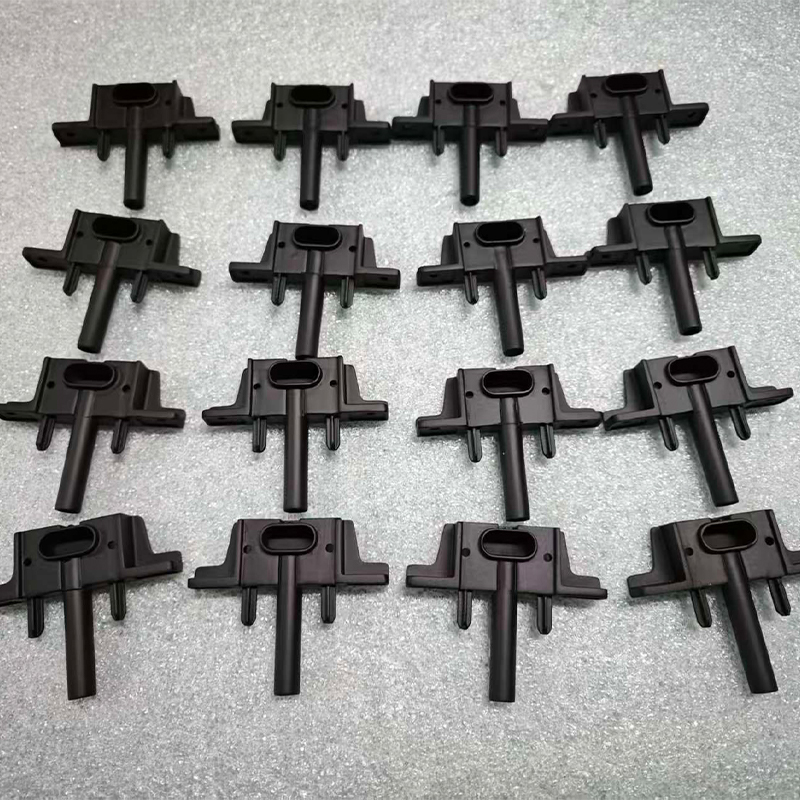
Silicone molds are built from a master pattern produced by SLA resin printing or CNC machining, which lets us validate fit and appearance before committing to production tooling. Multi-cavity layouts are used where annual volume justifies the tool investment, and single-cavity tools support trial builds and engineering changes.
From Prototype to Small-Batch Production
Silicone mold replication supports low-cost, high-precision small-batch production, which suits programs that need functional samples before hard tooling. We accept custom orders across batch sizes, from single prototype sets to repeat production runs.
Quality Control and Acceptance
Our quality system covers the full process rather than final inspection alone. Every customized workpiece is checked against dimensional tolerance and appearance standards.
- Raw material inspection: incoming silicone compounds are tested before storage to cut quality risk at source.
- In-process sampling: periodic sampling during production stabilizes cure and dimensional precision.
- Final shipment check: finished parts receive comprehensive inspection; only qualified goods are delivered.
- Documentation: inspection records and dimensional reports accompany the shipment scope agreed for the project.
Design data is handled under project zoning in closed workshops, staff non-disclosure agreements and an isolated internal network, so drawings and models are not transmitted without authorization.
Installation, Assembly and Downstream Finishing
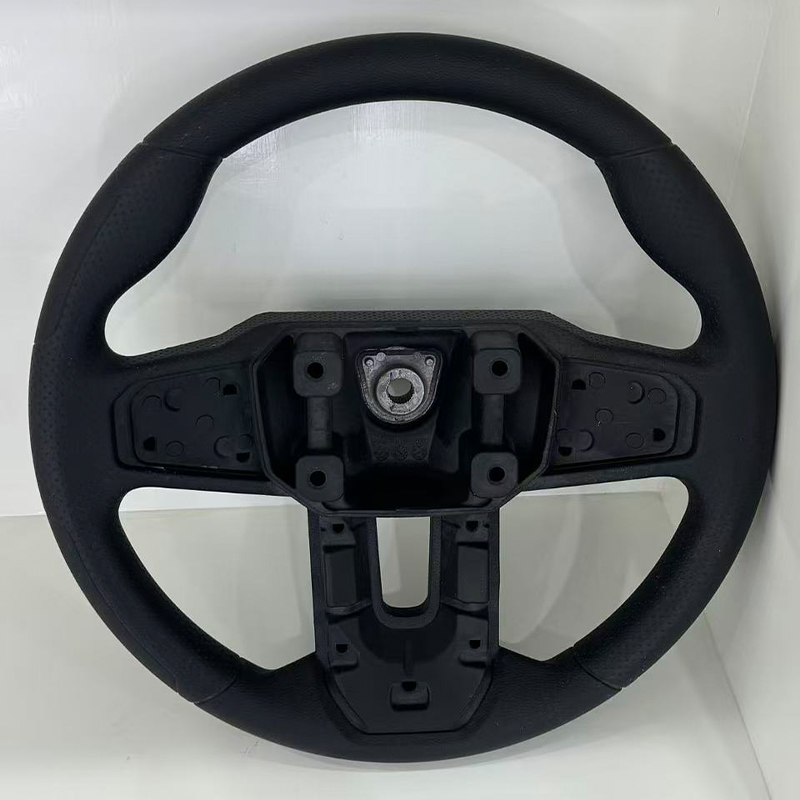
Silicone parts are usually assembled into a housing, so we plan the interface rather than the elastomer part alone. Mating rigid components can be produced by Precision CNC Milling Service or vacuum casting, and appearance parts can be painted, laser engraved or silk-screen printed in the same facility.
- Sealing faces and compression allowances defined against the mating groove.
- Adhesive bonding, press-fit or mechanical retention specified per assembly method.
- Surface finishing, marking and color matching applied after molding where required.
- Packaging and delivery scope agreed per order, including part separation and labeling.
Information We Use to Configure Your Solution
A quotation and mold proposal are prepared from the working point of the part, not from a catalog number. The following inputs let us confirm process route, tooling and inspection plan.
| Input | What It Determines |
|---|---|
| 3D model and 2D drawing | Cavity layout, parting line, draft and tolerance stack |
| Shore A hardness and color | Compound selection and pigment matching |
| Service temperature and contact media | Grade choice and cure parameters |
| Annual volume and batch size | Single or multi-cavity tooling and production planning |
| Inspection and acceptance criteria | Sampling plan, dimensional report and appearance standard |
| Assembly interface and finishing | Mating part process, coating, printing or engraving |
Maintenance, Spare Parts and Support
Silicone tooling wears with cycle count, so we track cavity condition and advise on refurbishment or replacement before dimensional drift appears. After-sales follow-up covers product usage questions and re-production demands, and repeat orders are produced against the original approved drawing and inspection record.
Early design optimization suggestions are provided during review to reduce downstream production cost, and in-process technical communication allows details to be adjusted flexibly as the program develops.
Frequently Asked Questions
What silicone hardness range can you mold?
Shore A hardness is selected per application and held with high repeatability. Soft grades are used for skin-contact pads and grips, while firmer grades suit load-bearing seals. The exact grade is confirmed against your drawing and service conditions.
Can silicone parts meet food-grade or skin-contact requirements?
Yes. Formulations can be specified to meet food-grade or skin-contact safety requirements. We confirm the required standard with the material selection so the compound and the acceptance criteria match.
How is tooling made for a new silicone part?
We build the master pattern by SLA resin printing or CNC machining, validate fit and appearance, then cut the silicone mold. Multi-cavity tools are used where volume justifies the investment; single-cavity tools support trial builds and engineering changes.
What inspection is performed before shipment?
Raw material is inspected before storage, periodic sampling runs during production, and finished parts receive comprehensive inspection against dimensional tolerance and appearance standards. Only qualified goods are delivered.
Can you supply mating rigid parts and finished surfaces?
Yes. Housings and mating components can be produced by CNC machining or vacuum casting, and appearance parts can be painted, laser engraved or silk-screen printed within the same production base.
How do we start a silicone molding project?
Send the 3D model, 2D drawing, hardness and color target, service conditions, annual volume and inspection criteria. We review the design, propose the process route and tooling, and return a configuration and quotation for the working point you specify.


