



 English
 Español












Precision CNC Milling Service Manufacturer for Large Molds and 3D Surfaces
As a Precision CNC Milling Service Manufacturer manufacturer, we match product configuration to the application, operating limits, interfaces and acceptance criteria defined for each project.
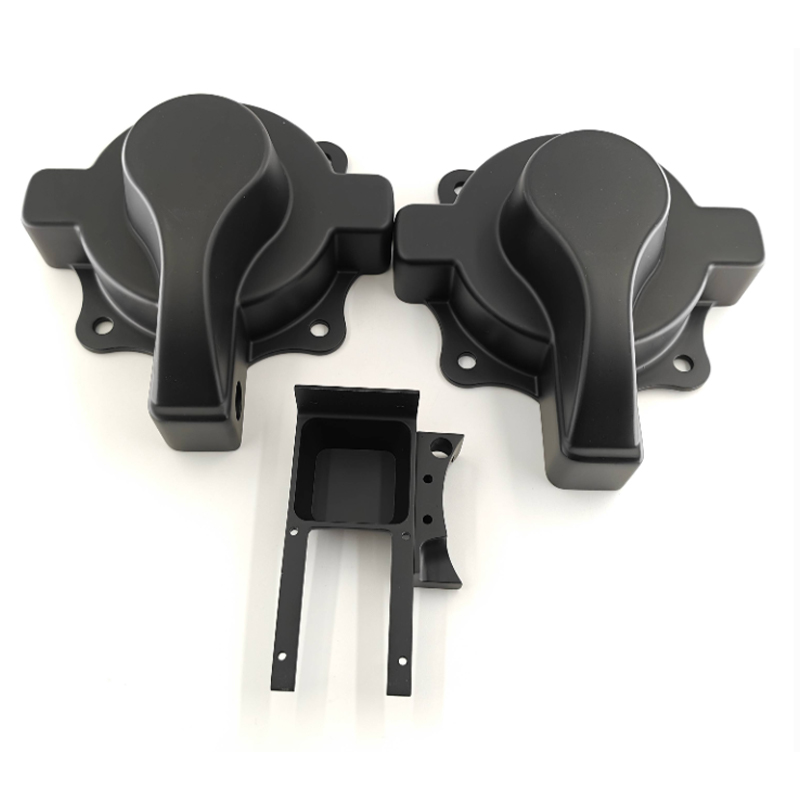
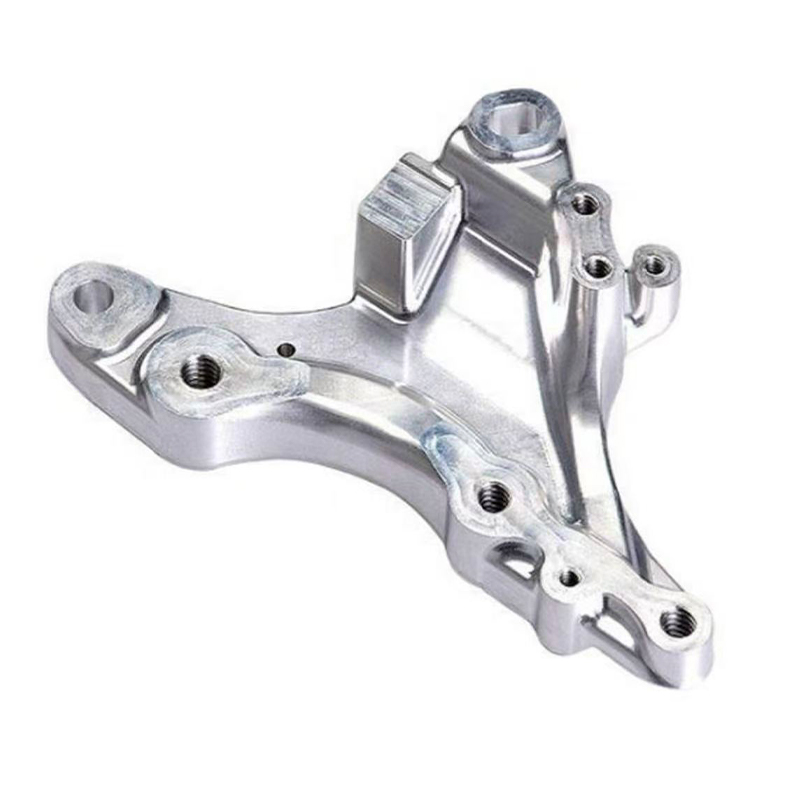
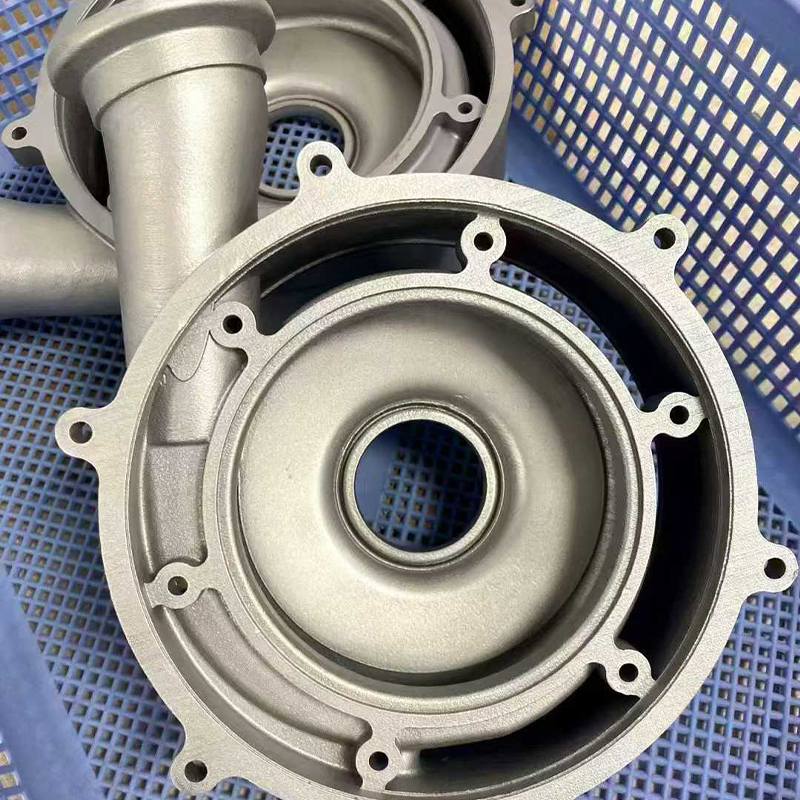
Zhejiang Jiaheng Intelligent Equipment Manufacturing Co., Ltd. is a China Precision CNC Milling Service Manufacturer working from an integrated production base that combines 3D printing, CNC machining, silicone mold casting and surface finishing. Our Precision CNC Milling Service is built around high-speed gantry engraving and milling machines with a maximum work area of 2 × 1 meters, aimed at large-format precision engraving and 3D surface machining rather than only small prismatic parts.
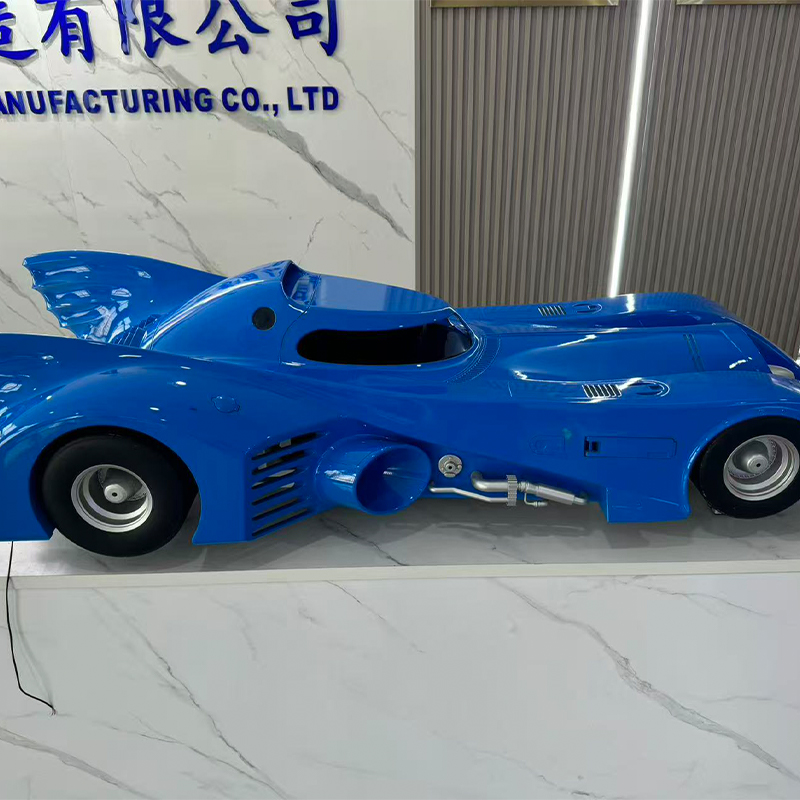
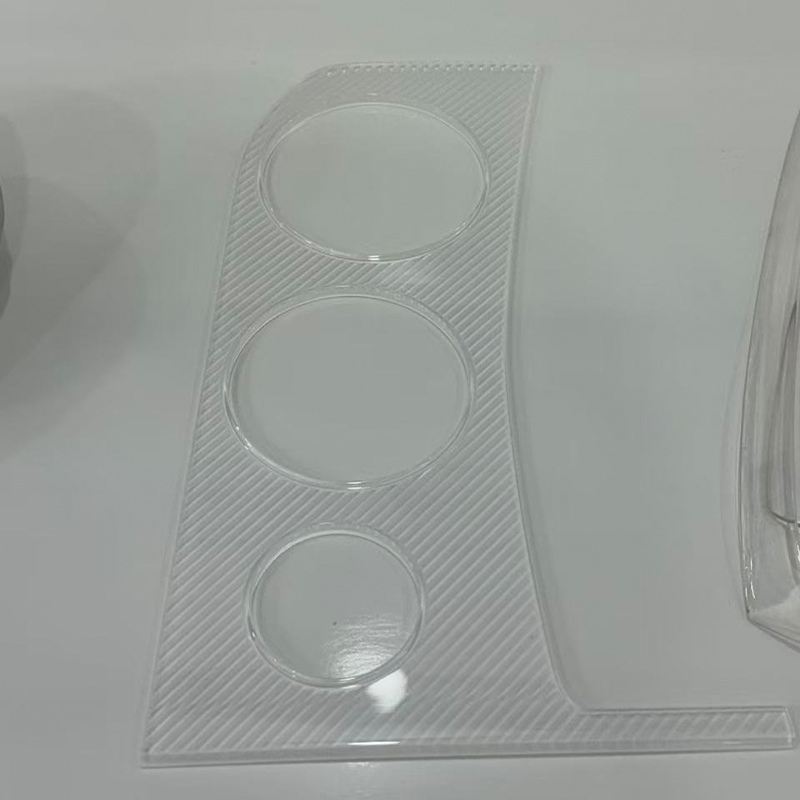
The service fits automotive decorative molds, injection and die-casting mold texture masters, industrial nameplates, light guide plates and exhibition models where surface precision, texture clarity and machining speed decide the outcome. We quote from the working point: material, part size, surface requirement, tolerance and batch quantity.
What Our Precision CNC Milling Service Covers
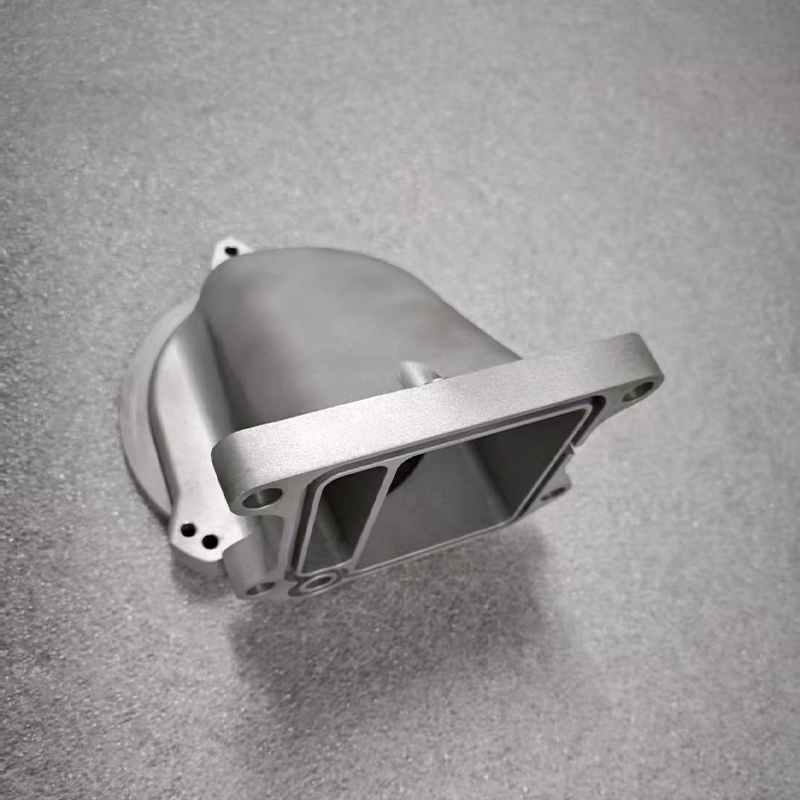
Our gantry platform performs both large-format engraving and 3D contour milling, so a large mold half or structural panel can be machined in a single setup. Single-setup work keeps alignment between features and reduces the re-fixturing error that appears when oversized parts are moved between machines.
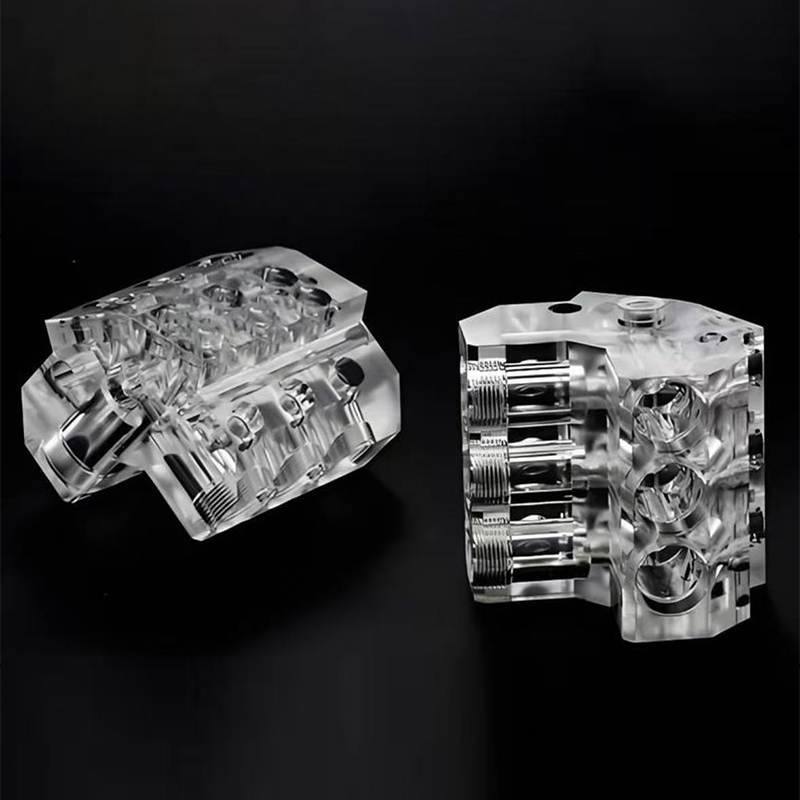
Because the spindle path is programmed for continuous surface motion, the process suits textured surfaces, relief patterns and complex 3D shapes. We also produce leather-grain mold masters, permanent markings and optical-grade transparent polishing on the same platform.
- Large work envelope: up to 2 × 1 m, allowing large-size molds and structural parts to be completed in one setup.
- Surface-oriented cutting: fast machining speed with high surface precision for texture and relief work.
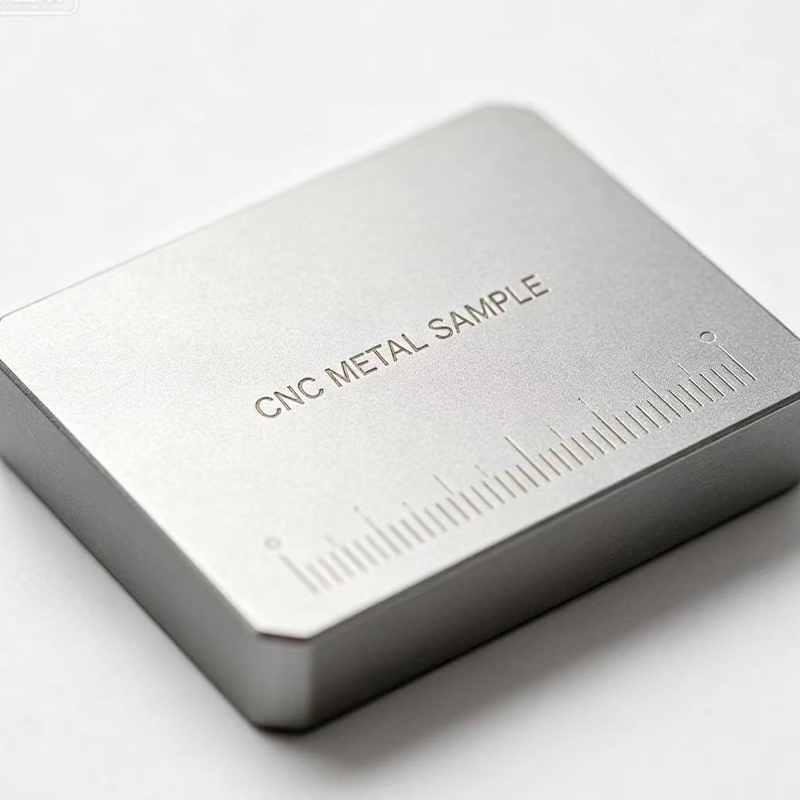
- Texture and marking masters: leather-grain masters, permanent markings and engraved identification features.
- Optical-grade finishing: transparent polishing for light guide plates and optical surfaces.
- Material-matched tooling: cutting tools and parameters selected per material to keep texture clear and extend tool life.
Materials We Machine
Material selection drives tool choice, feed rate, cooling and the achievable surface. Our process window covers aluminium alloys, stainless steels, alloy steels and engineering plastics, and we match the tooling to each group.
| Material Group | Grades We Machine | Typical Milled Work |
|---|---|---|
| Aluminium alloy | 6061 / 5052 / 2A12 / 7075 | Large structural panels, mold inserts, nameplates, light guide plate masters |
| Stainless steel | 303 / 304 / 316 / 316L / 420 / 430 / 17-4PH / 301 | Wear-resistant mold details, engraved plates, corrosion-resistant fixtures |
| Alloy steel | Q235 (A3) / 45# / Cr12 / 3Cr13 / GCr15 / 40Cr / 65Mn / SKD11 | Injection and die-casting mold texture masters, tooling plates, wear parts |
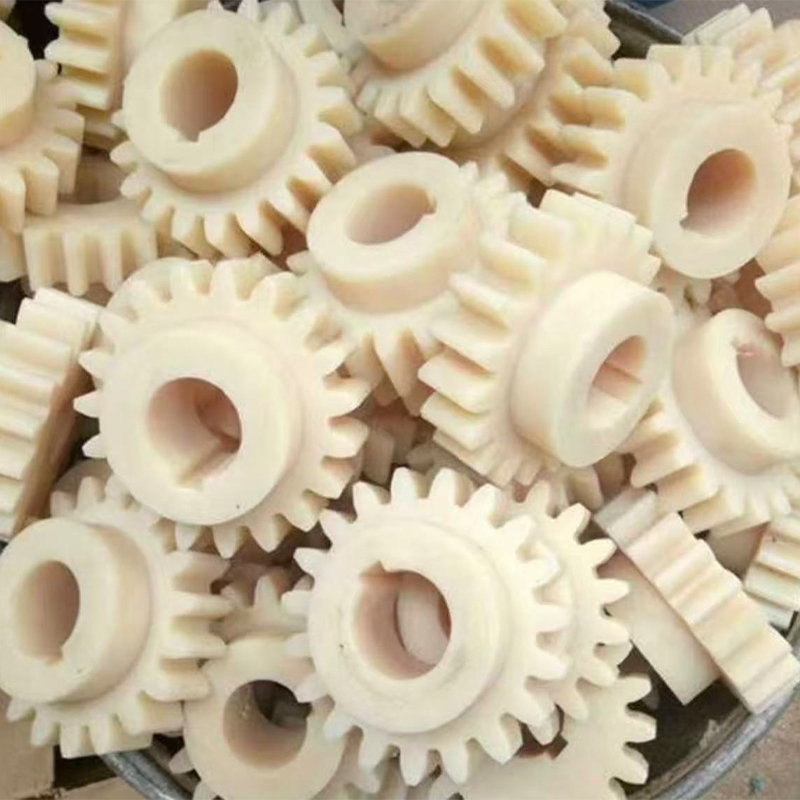
| Engineering plastics | PMMA, ABS, bakelite, FR4 | Transparent and semi-transparent parts, insulation plates, display models |
Application Fit Across Our Production Platform
Precision milling rarely stands alone in a project. Where a part needs a different geometry, a softer tooling route or a specific finish, we move it across our own processes instead of splitting the job between unrelated workshops.
Mold and texture masters
Gantry milling produces the leather grain, relief and engraved detail that later transfers to injection or die-casting tooling. Masters can be paired with Vacuum Casting for low-volume replication.
Rotational and turned parts
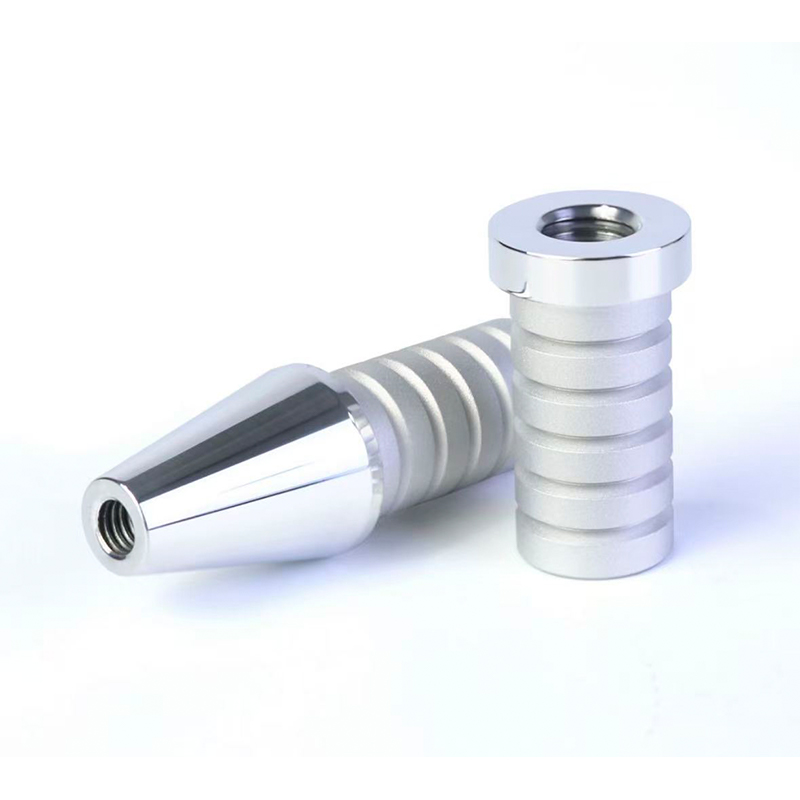
Cylindrical features, threads and bores are handled by our CNC Turning Service so a milled housing and its mating shaft arrive as one coordinated set.
Appearance and function
After milling, parts can move into Grinding, Polishing & Sandblasting or coating to reach the specified appearance and surface condition.
Specification Meaning: What We Confirm Before Cutting
A milling quotation is only meaningful when the drawing, the material and the inspection method agree. We confirm the following points with the customer before programming, because each one changes the toolpath or the fixture.
- Part envelope: length, width and height against the 2 × 1 m work area, including the stock allowance needed for clamping.
- Critical tolerances: which dimensions and datums are functional, and which are reference only.
- Surface requirement: texture depth, relief detail, gloss level or optical transparency on the finished face.
- Material condition: grade, temper or heat-treatment state, since these affect cutting behaviour and dimensional stability.
- Quantity and repeatability: single master, prototype set or repeat batch, which determines whether we build dedicated fixtures.
- Downstream process: whether the part is a mold master, a display model or a functional component, and what happens to it next.
Quality Control and Acceptance
Our quality system runs across the whole order rather than only at the end. Raw material is checked before it enters storage, sampling is carried out during production to keep machining precision stable, and finished workpieces are inspected against dimensional tolerance and appearance standards before delivery.
- Incoming material check: grade and condition verified before machining starts.
- In-process sampling: periodic measurement during the milling cycle to hold the working tolerance.
- Final dimension and appearance verification: every customized workpiece checked against the agreed tolerance and finish standard.
- Confidentiality: project zoning in closed workshops, staff non-disclosure agreements and an isolated internal network protect drawings and models.
Information We Use to Configure Your Solution
We prepare the process route and quotation from the project data below. Where a drawing is still in development, an early review lets us suggest design adjustments that reduce later production cost.
| Project Input | Why We Need It |
|---|---|
| 3D model or 2D drawing (STEP, IGES, DWG, PDF) | Defines geometry, datums and the machining strategy |
| Material grade and condition | Sets tooling, cutting parameters and achievable finish |
| Critical tolerances and inspection method | Determines fixturing, measurement plan and acceptance criteria |
| Surface and texture specification | Selects finishing steps and polishing sequence |
| Quantity and delivery schedule | Plans machine time, fixture investment and batch flow |
| Downstream assembly or process | Aligns mating features and interface dimensions with the next step |
From Milling to a Finished Part
Milled parts often continue through our platform before shipment. A transparent light guide plate can be polished to optical clarity, a mold master can be replicated in silicone, and a display model can be painted or laser engraved. This keeps the interface dimensions consistent because the same team holds the drawing from first cut to final finish.
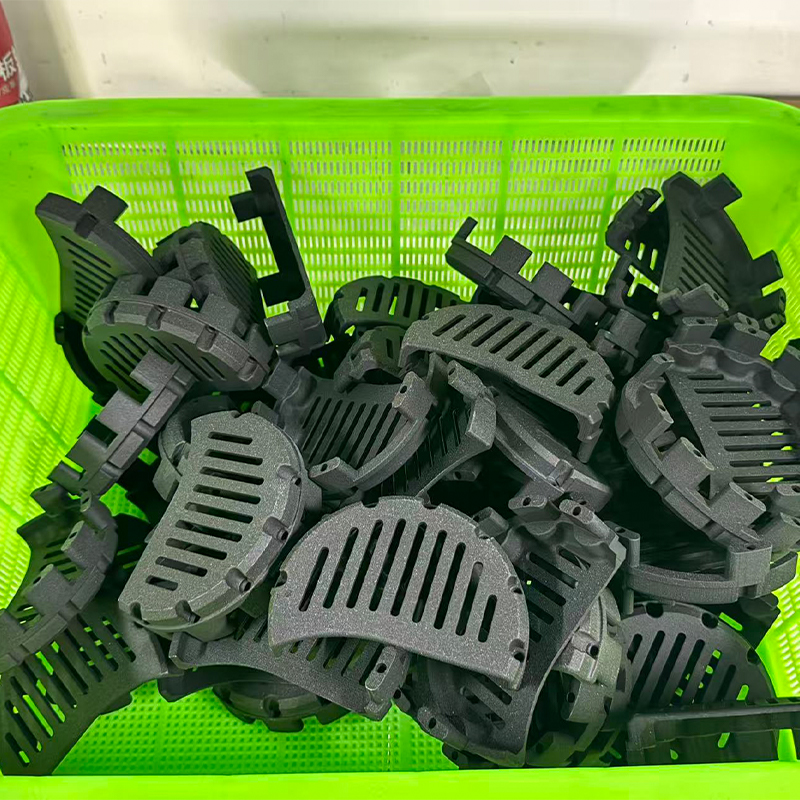
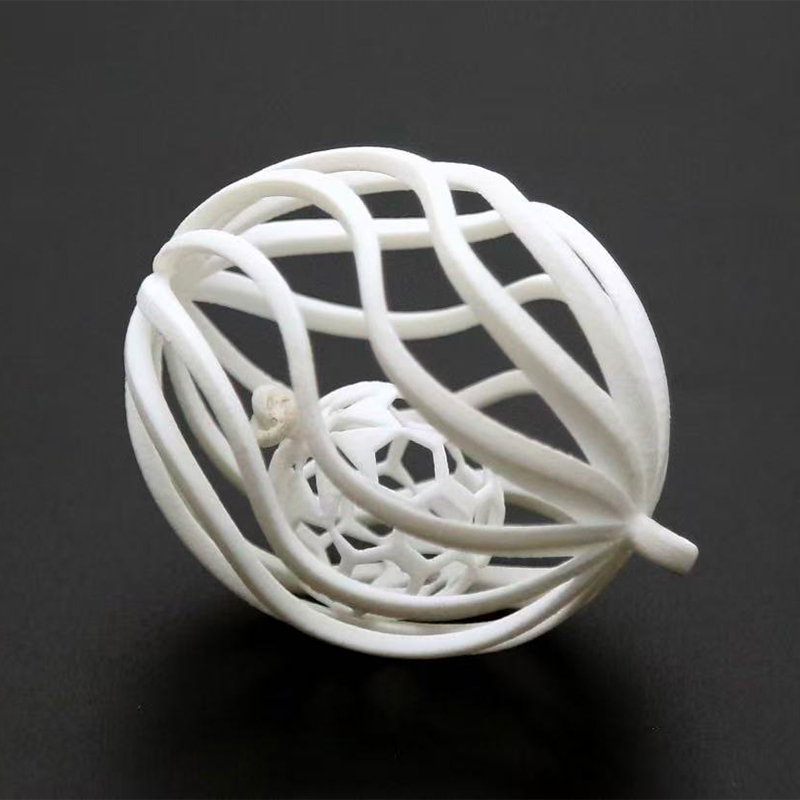
Our production base integrates resin, nylon and metal 3D printing, CNC precision machining, silicone vacuum casting and diversified surface treatment, so prototype samples, custom parts and small or large batch contract manufacturing can be coordinated on one platform. The full range is listed under Products.
Frequently Asked Questions
What is the maximum part size you can mill?
Our high-speed gantry engraving and milling machines have a maximum work area of 2 × 1 meters. Parts within that envelope can be machined in a single setup, which preserves alignment accuracy across large molds and structural parts.
Which materials are available for precision milling?
We machine aluminium alloys 6061, 5052, 2A12 and 7075; stainless steels 303, 304, 316, 316L, 420, 430, 17-4PH and 301; alloy steels Q235 (A3), 45#, Cr12, 3Cr13, GCr15, 40Cr, 65Mn and SKD11; and engineering plastics including PMMA, ABS, bakelite and FR4.
Can you produce leather-grain and textured mold masters?
Yes. The process is suited to textured surfaces, relief patterns and complex 3D shapes, and we produce leather-grain mold masters, permanent markings and optical-grade transparent polishing. Tooling and cutting parameters are matched to each material so the texture reads clearly.
How is quality verified before shipment?
Raw material is inspected before storage, periodic sampling runs during production to stabilize machining precision, and finished workpieces receive dimensional and appearance verification against the agreed tolerance and finish standard. Only qualified goods are delivered.
Do you support both prototypes and repeat batches?
We accept custom orders of all batch sizes, from single prototype samples and mold masters to repeat production runs. Quantity and schedule are part of the configuration review because they determine fixture investment and machine planning.
How do you protect our drawings and models?
Projects are zoned in independent closed workshops to prevent cross-project data exposure, all staff sign non-disclosure agreements, and drawing files are held on an isolated internal network that blocks unauthorized external transmission.


