



 English
 Español








Vacuum Casting Services from Zhejiang Jiaheng
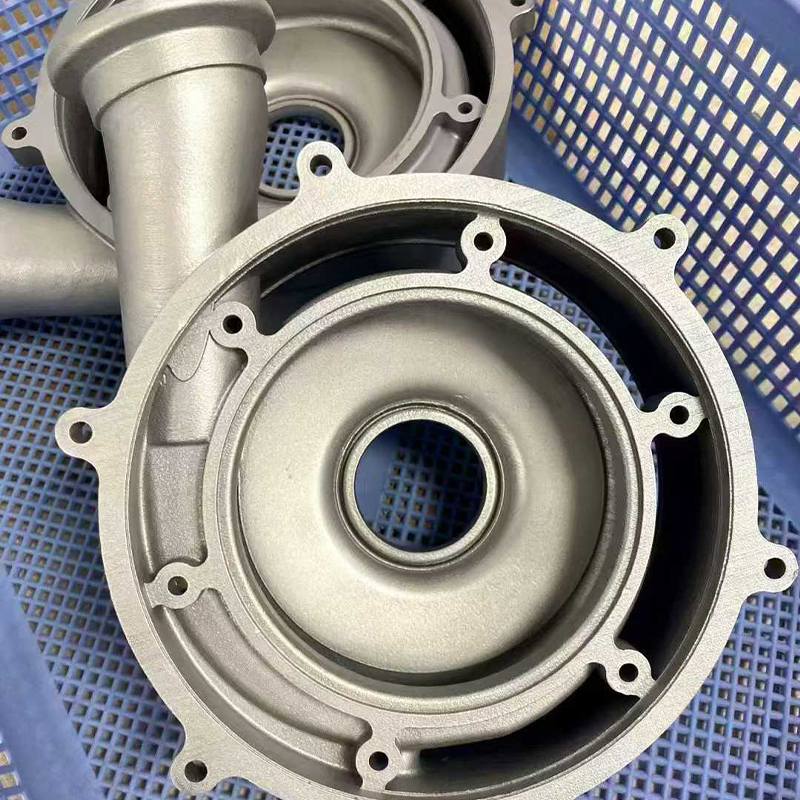
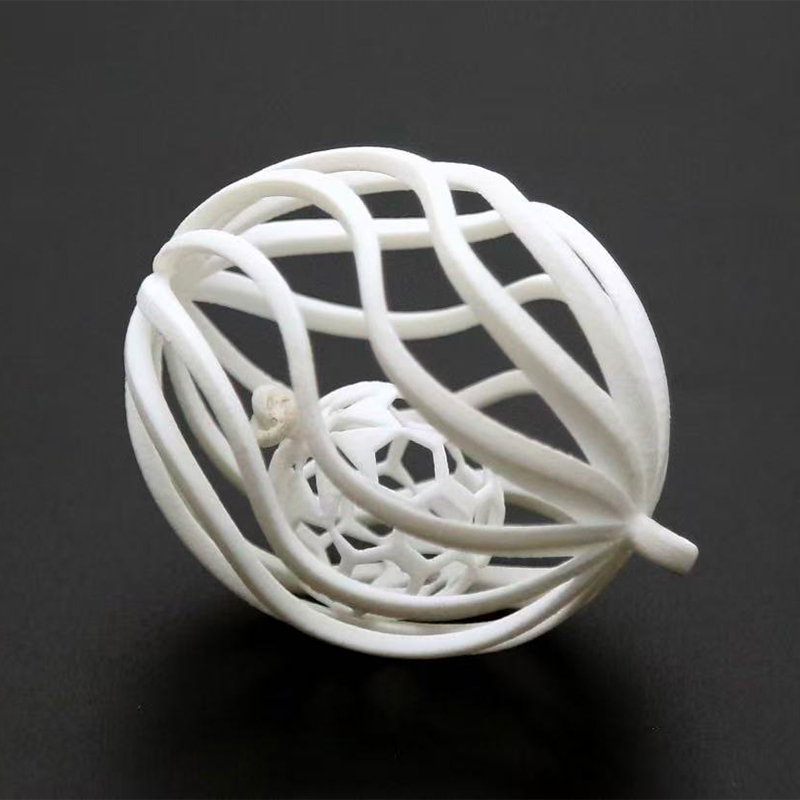
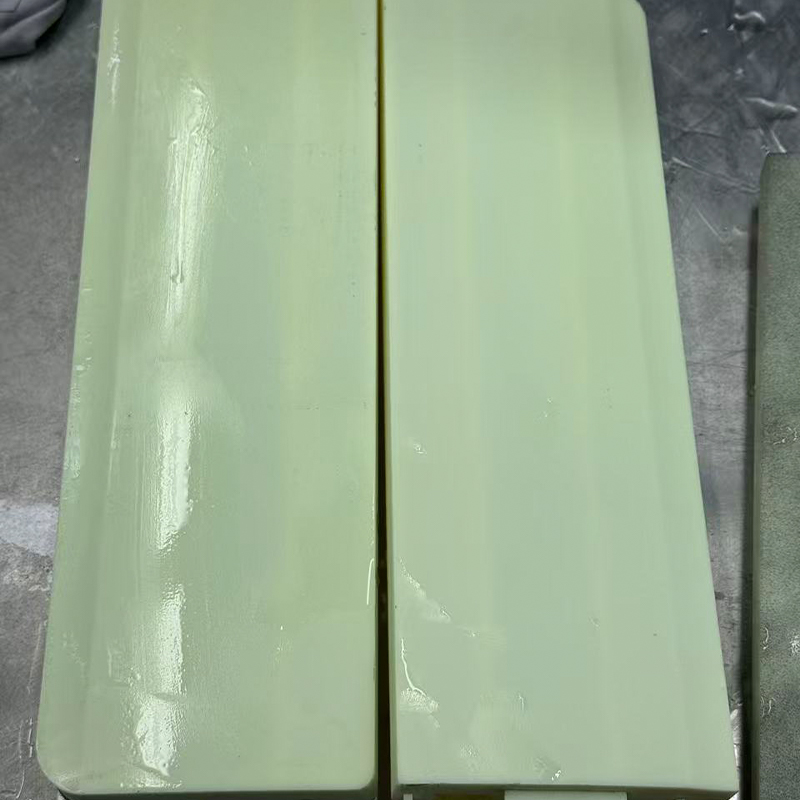
Zhejiang Jiaheng Intelligent Equipment Manufacturing Co., Ltd. is a China vacuum casting services manufacturer producing polyurethane and silicone parts in silicone molds under vacuum and low pressure. We build the master model by 3D printing or CNC machining, cast the replica, then finish it on the same production base, so a program moves from digital file to painted, printed or coated part without steel tooling.
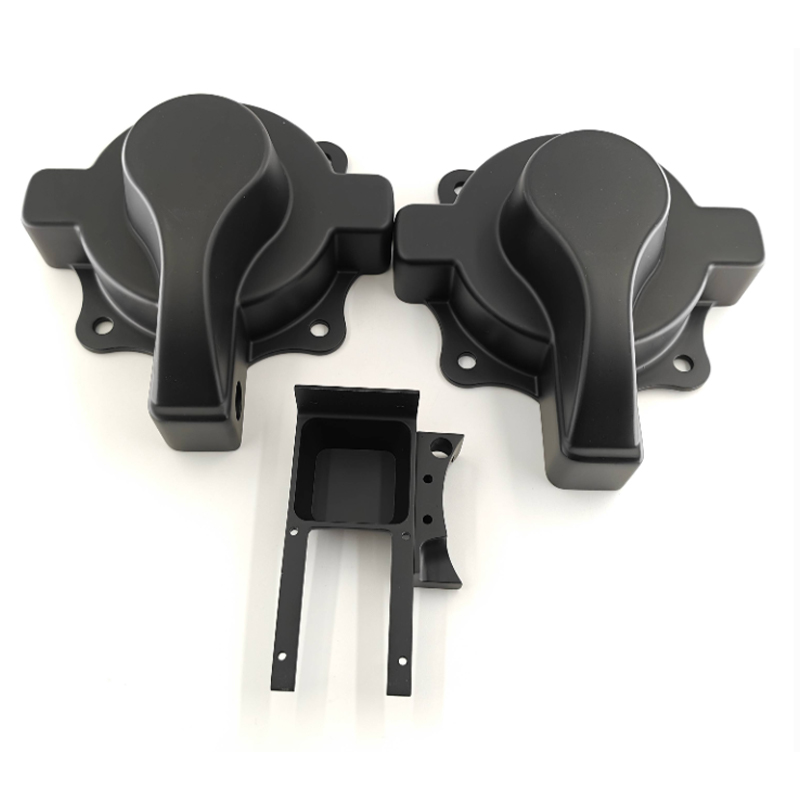
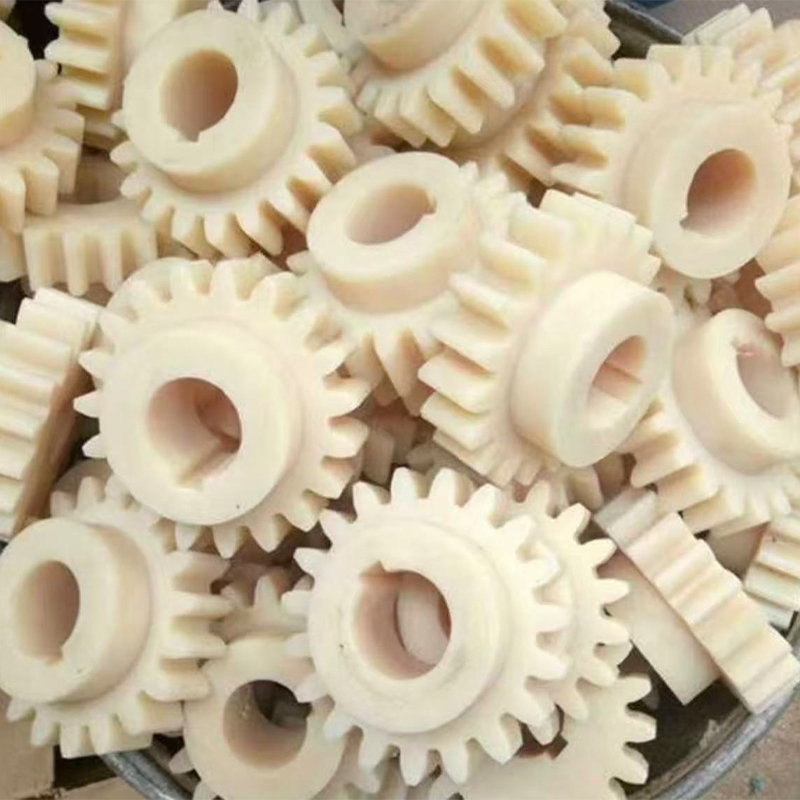
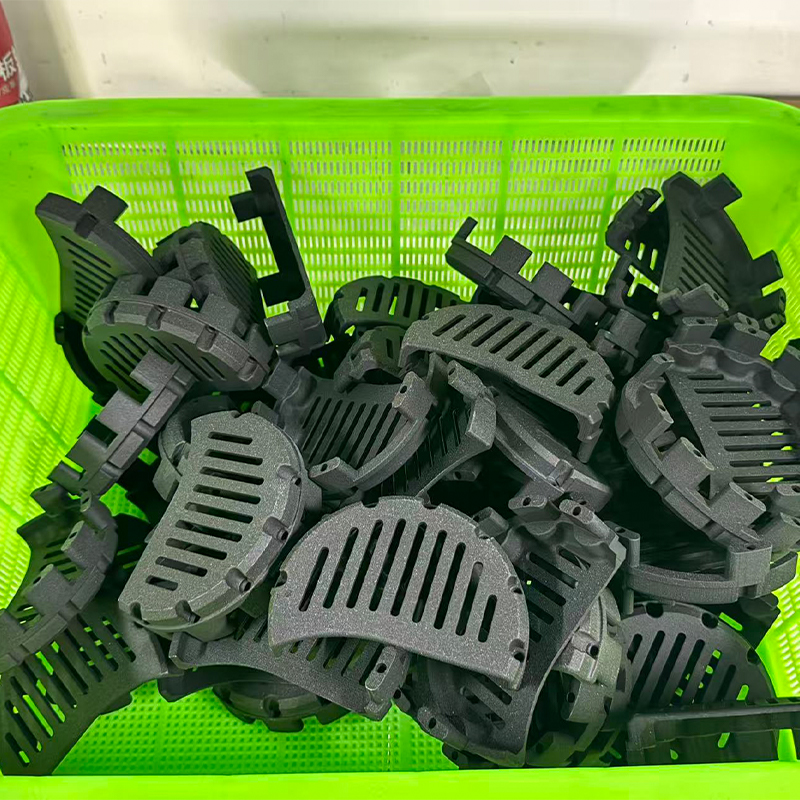
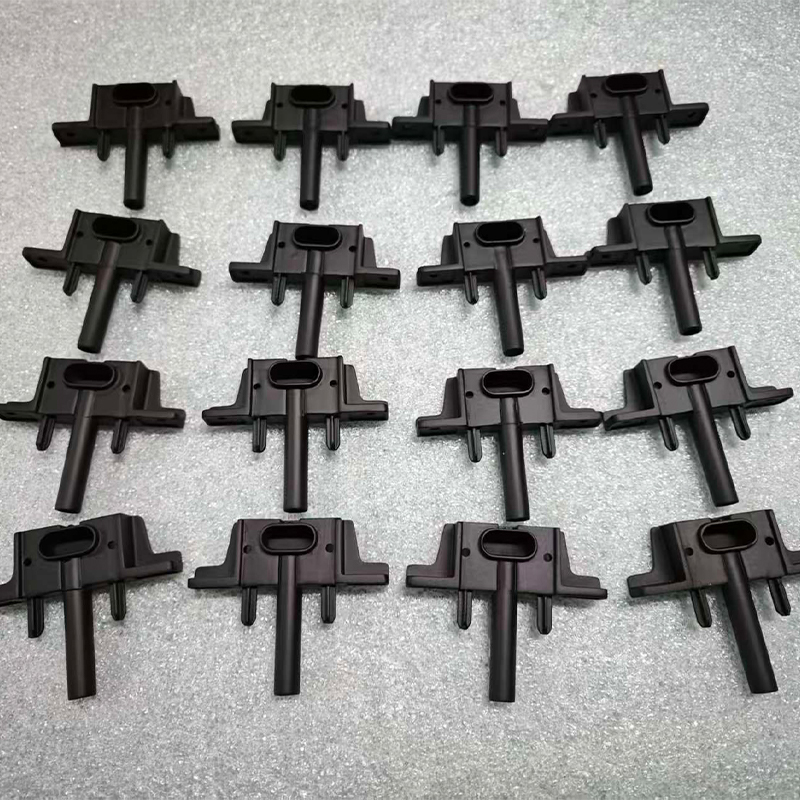
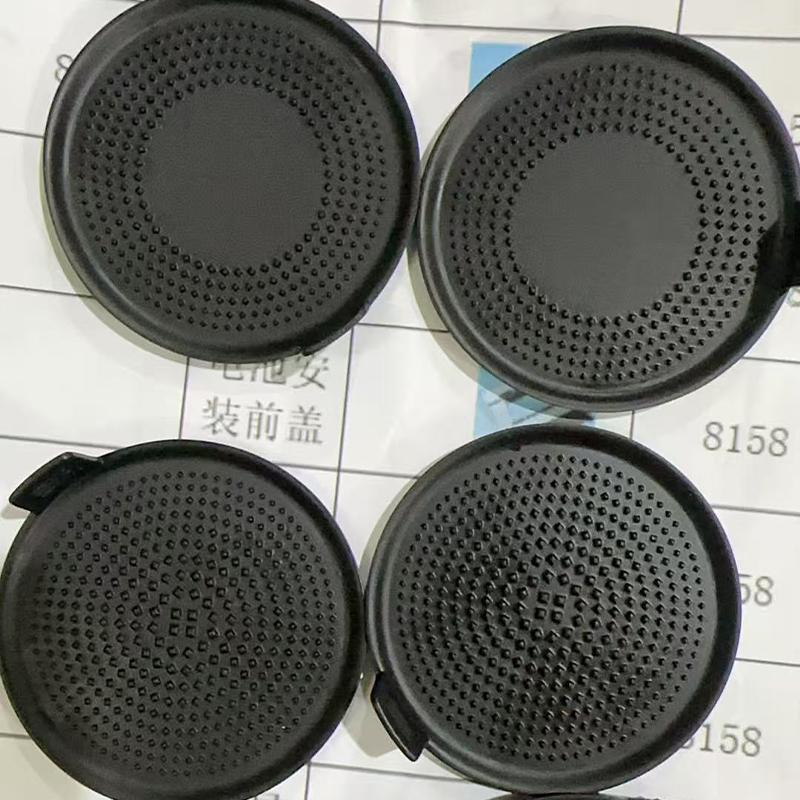
Our Vacuum Casting Services range covers ABS-like, PP-like, rubber-like and low-pressure urethane casting, plus compression molded silicone parts. The route suits low-volume prototypes, market-testing batches and pre-production validation where geometry must match the eventual injection-molded part.
Process Route: Master Model to Finished Casting
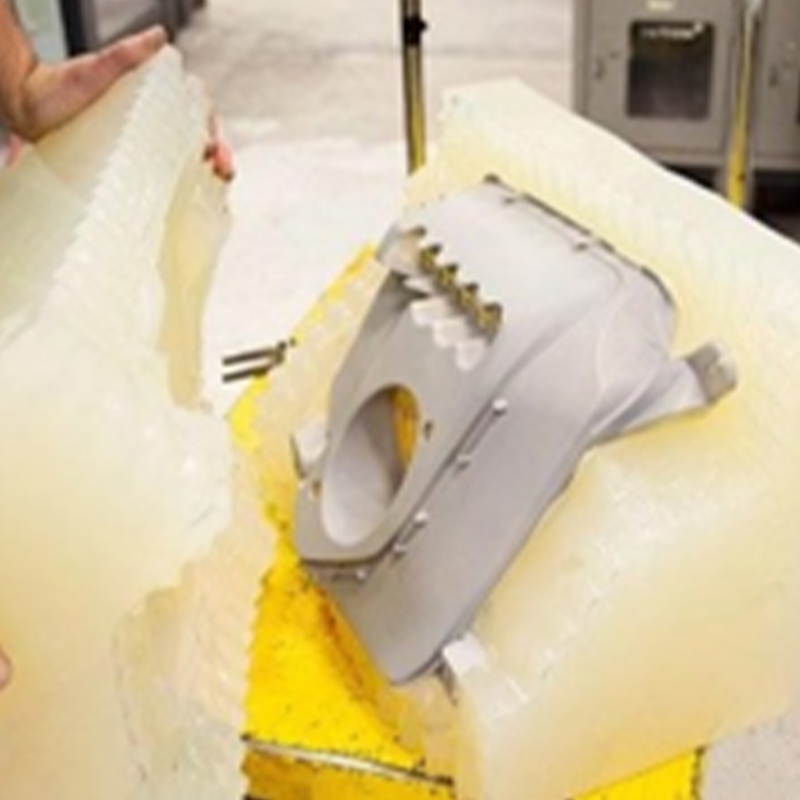
Vacuum casting injects polyurethane resin into a silicone mold under vacuum, so entrained air is removed before the resin cures. The result is a bubble-free casting that reproduces fine surface detail and sharp edges from the master model.
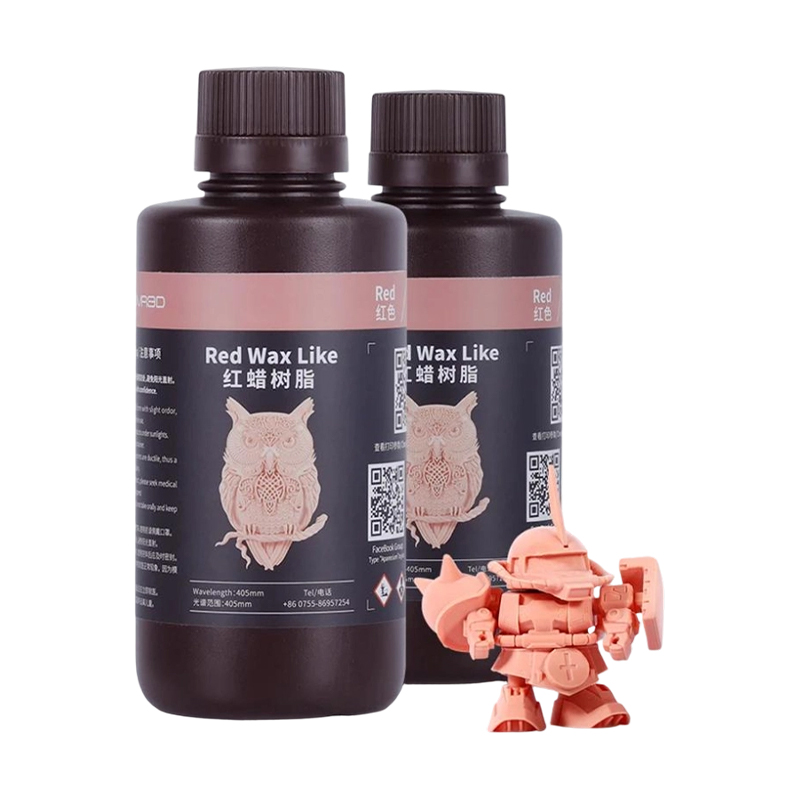
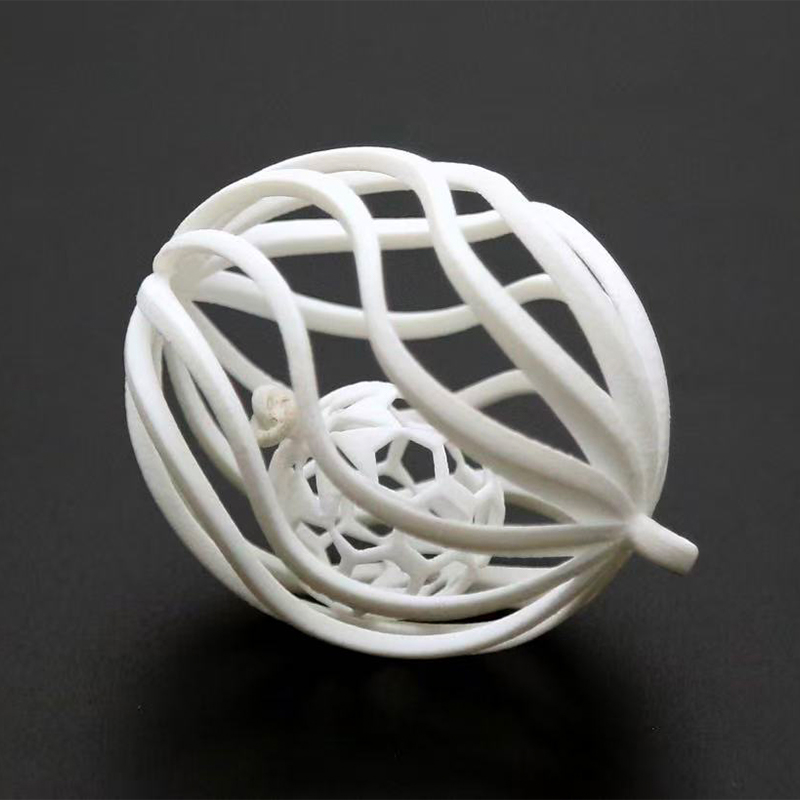
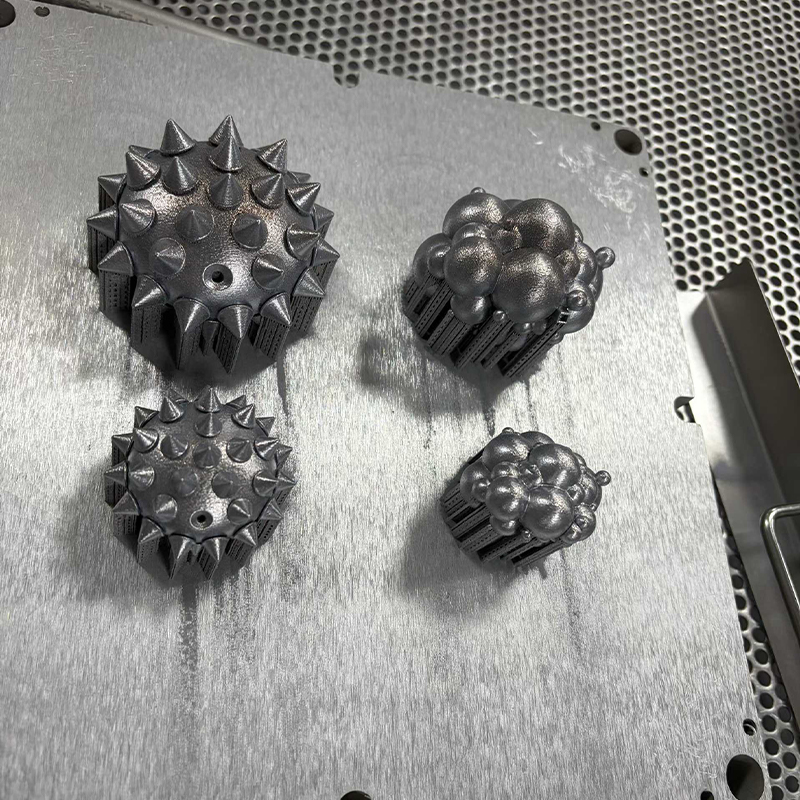
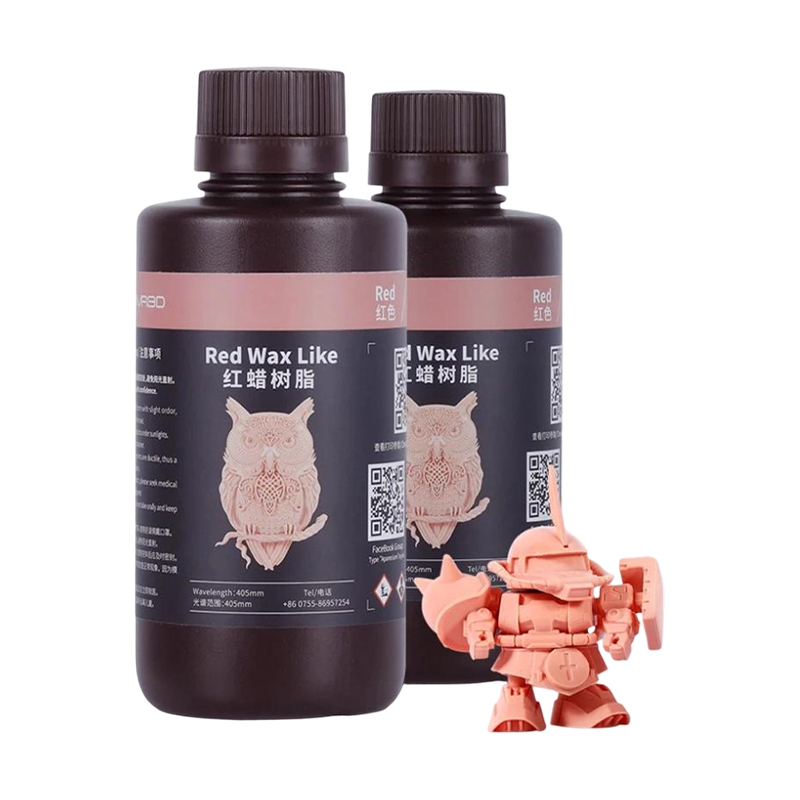
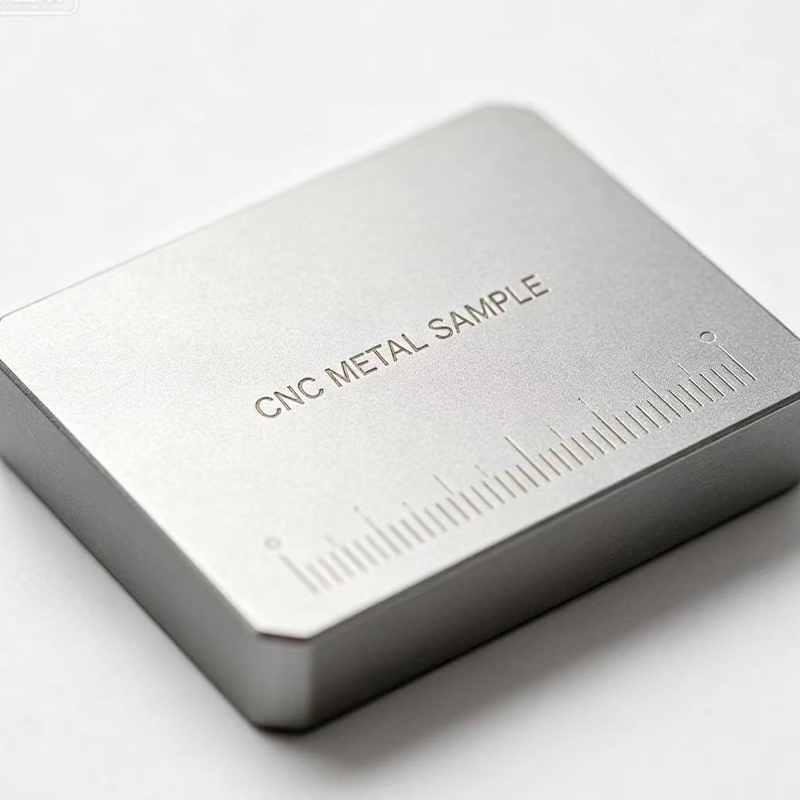
- Master model: SLA or DLP resin print for fine detail, SLS nylon for functional geometry, or CNC machined stock when the master must hold tight tolerances.
- Silicone mold: poured around the master, cut open, and used as the cavity for repeated casting cycles.
- Casting: vacuum, low-pressure or high-pressure injection depending on wall thickness, part size and material.
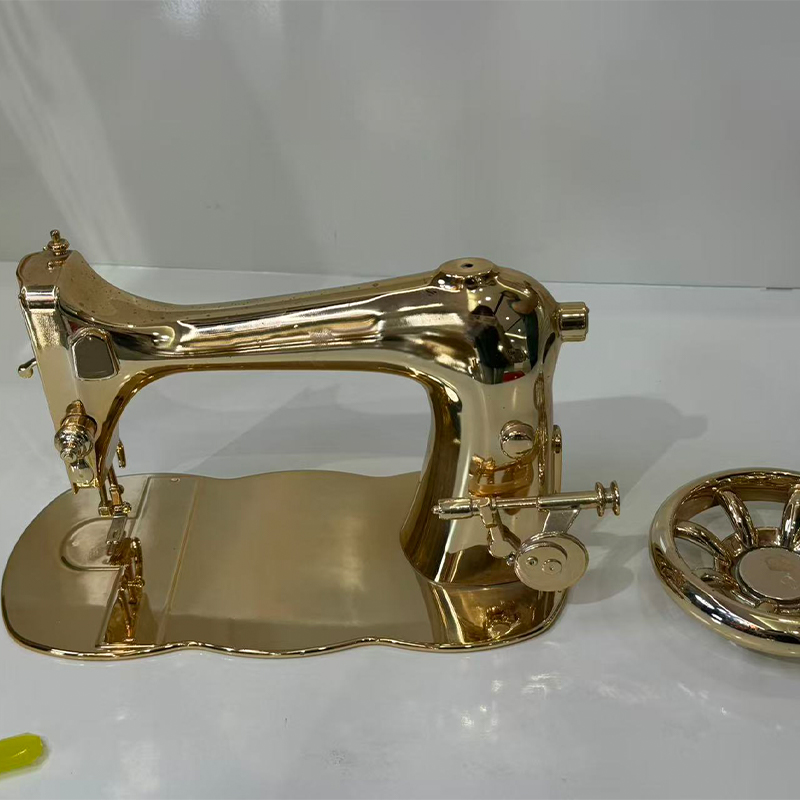
- Finishing: trimming, sanding, painting, coating, laser engraving, silk screen or electroplating as required.
A single silicone mold set typically replicates 15–25 parts before the cavity degrades. That makes the process economical for quantities that do not justify steel tooling, and it keeps the same geometry available for a later injection-mold program.
Material Range and Application Fit
Material selection is driven by the mechanical behavior the part must demonstrate, not by appearance alone. We cast the following families in silicone molds:
| Material | Behavior | Typical Fit |
|---|---|---|
| ABS-like | Rigid, impact-resistant, holds molded detail | Housings, enclosures, structural covers |
| PP-like | Semi-flexible, fatigue-resistant | Living hinges, clips, flexible covers |
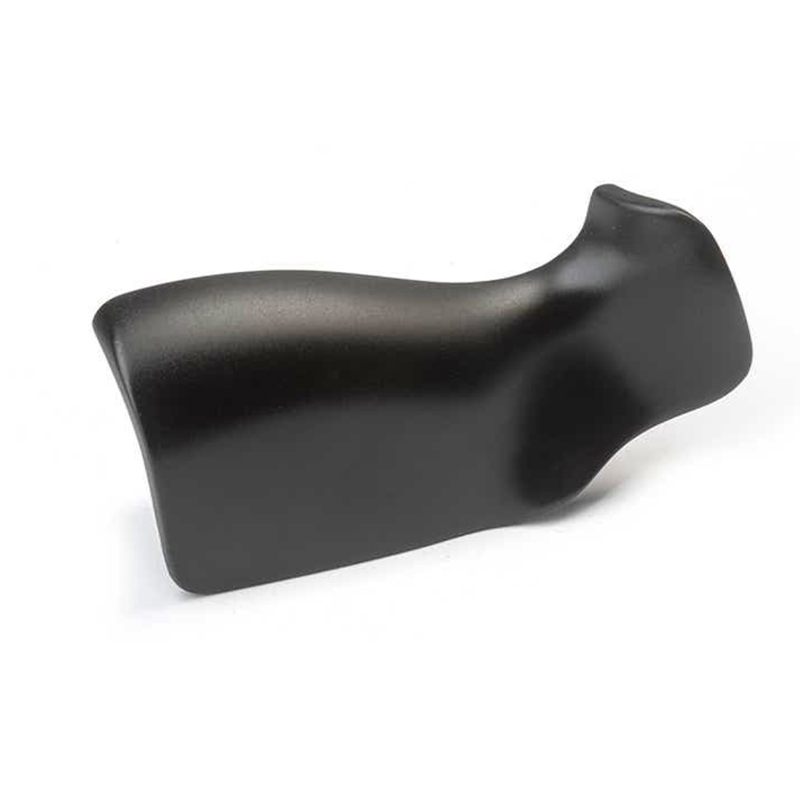
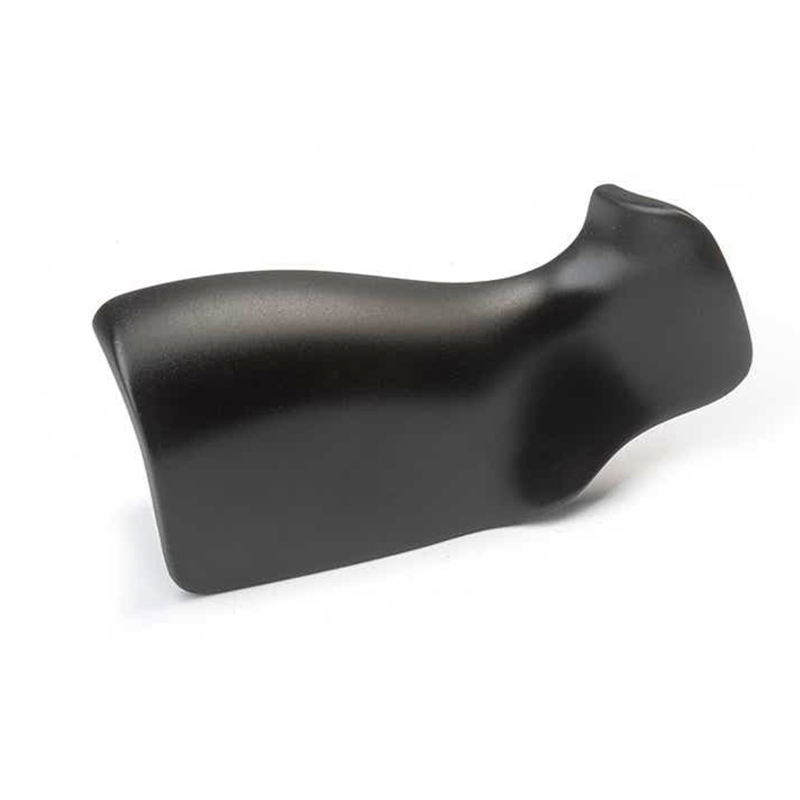
| Rubber-like | Elastic, rubber feel, high elongation | Grips, seals, overmold simulation |
| Low-pressure urethane | Low internal stress, consistent wall thickness | Thick-walled and large-size castings |
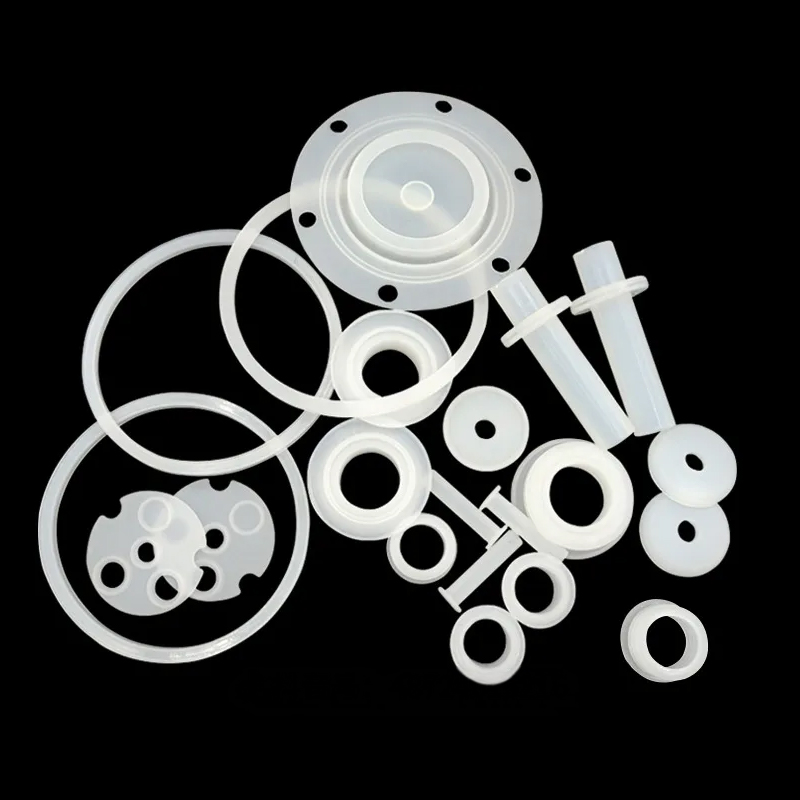
| Compression molded silicone | Heat and weather resistant, Shore A controllable | Seals, anti-slip grips, wearable soft parts |
Low-pressure urethane casting is the route for thick-walled or large-size parts where conventional vacuum casting can leave shrink marks and internal stress. Compression molded silicone parts are cured under heat and pressure for soft components that must stay dimensionally repeatable across a batch.
Where Vacuum Casting Fits in Product Development
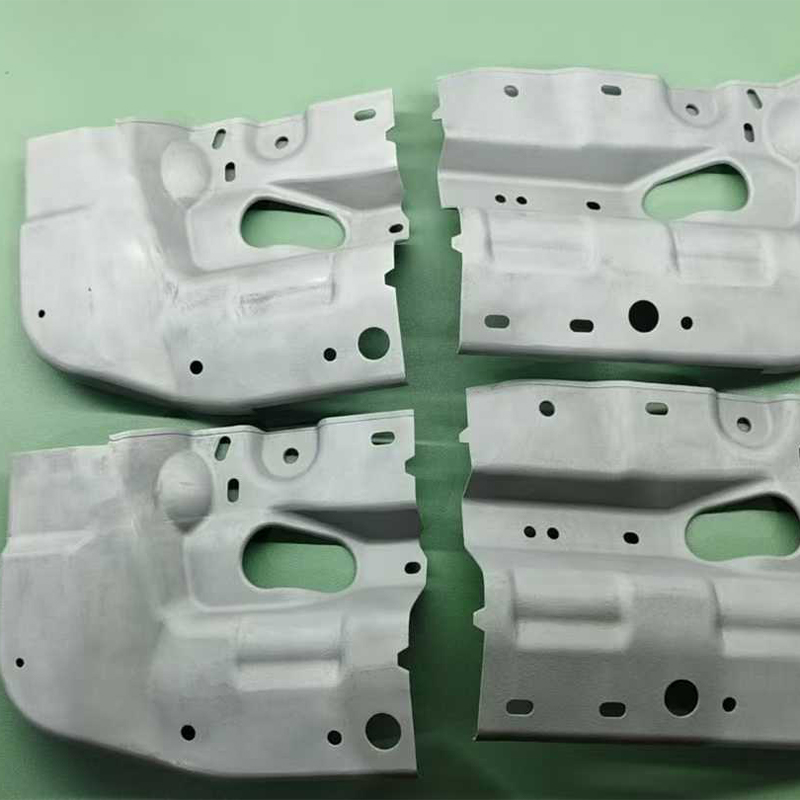
We supply cast parts for automotive interiors and full-size models, consumer electronics housings and wearables, UAV and eVTOL components, robotics joints and end-effectors, and medical rehabilitation accessories. Each application places different demands on the casting.
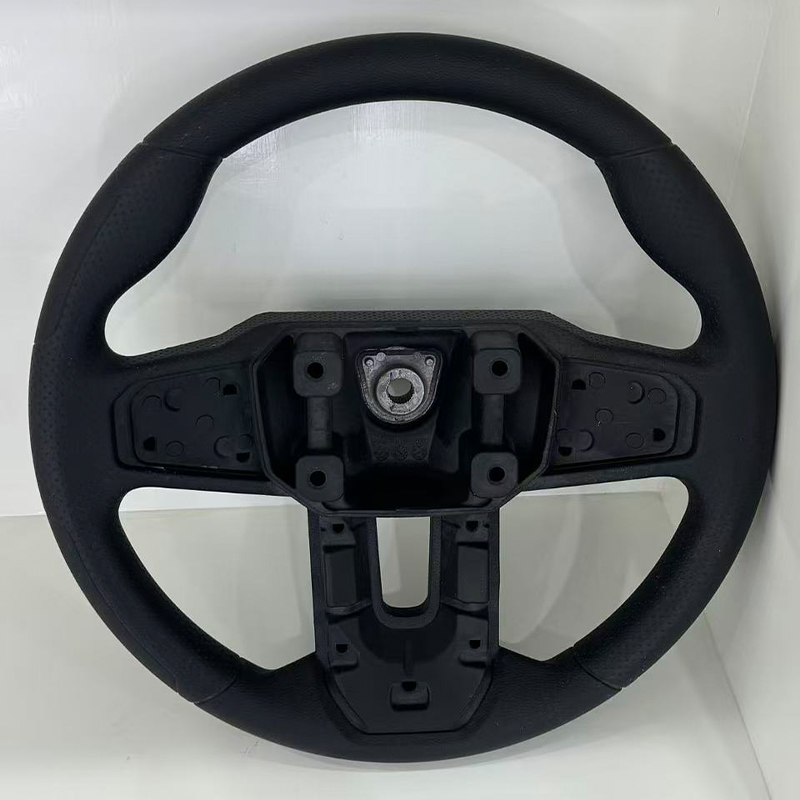
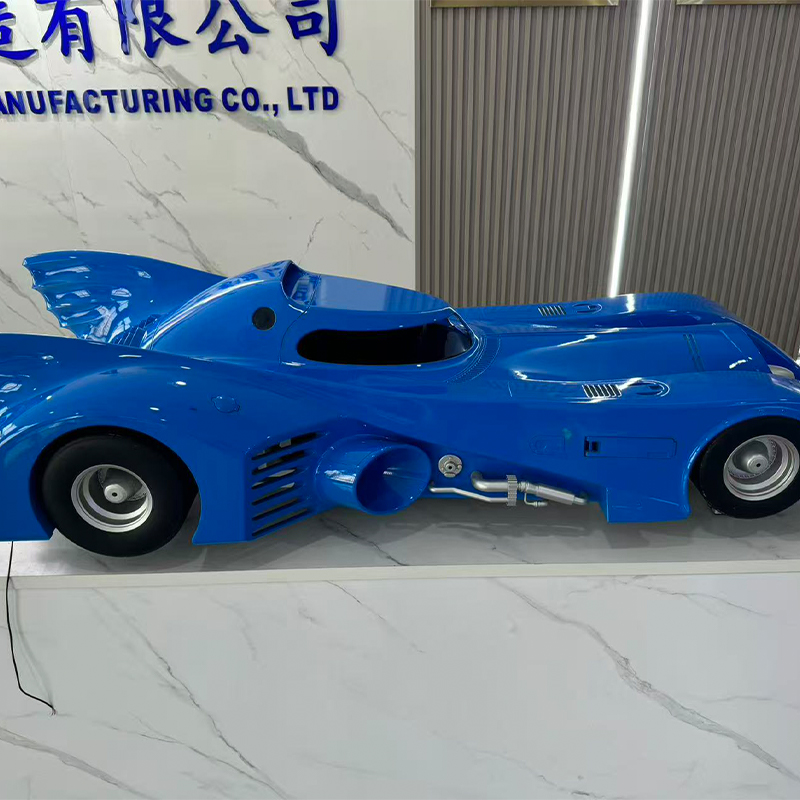
- Automotive: interior panels, trim and large housing prototypes where color, texture and fit must be evaluated at full scale.
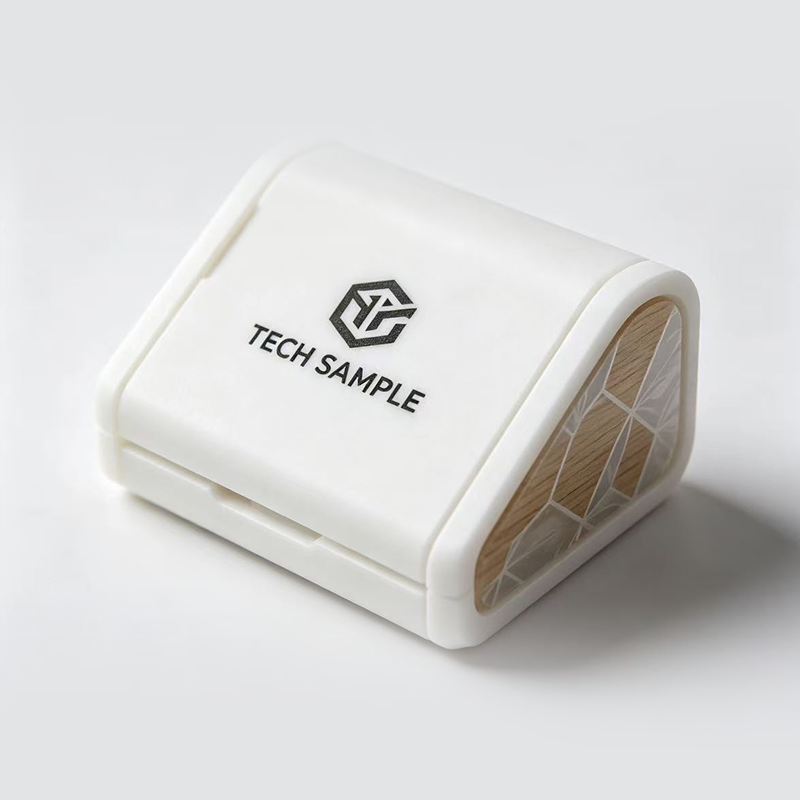
- Consumer electronics: earphone and wearable housings that need molded-in detail and a paint or coating match to the production finish.
- UAV and eVTOL: lightweight covers and complex shells for fit checks before composite or injection tooling is committed.
- Robotics: joint covers, connecting-rod housings and end-effector shells for functional testing.
Configuration Options
We configure each casting program around the working point rather than a fixed catalog. The choices below are confirmed during quotation and recorded on the process sheet.
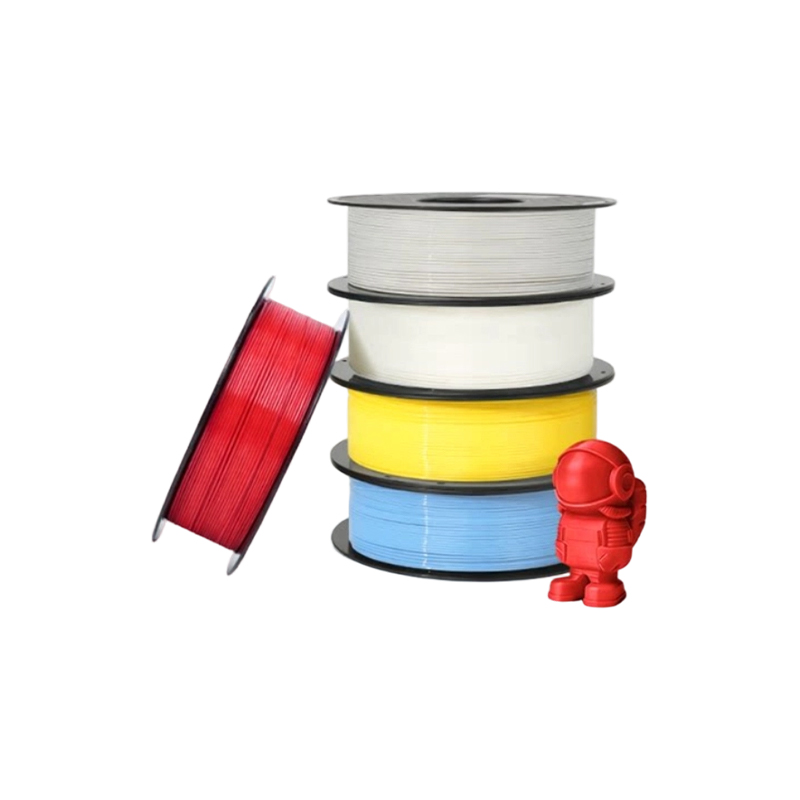
- Master model source: SLA resin, DLP resin, SLS nylon, SLM metal, FDM plastic, or CNC machined stock.
- Casting method: vacuum, low-pressure or high-pressure injection.
- Material: ABS-like, PP-like, rubber-like, low-pressure urethane, or compression molded silicone.
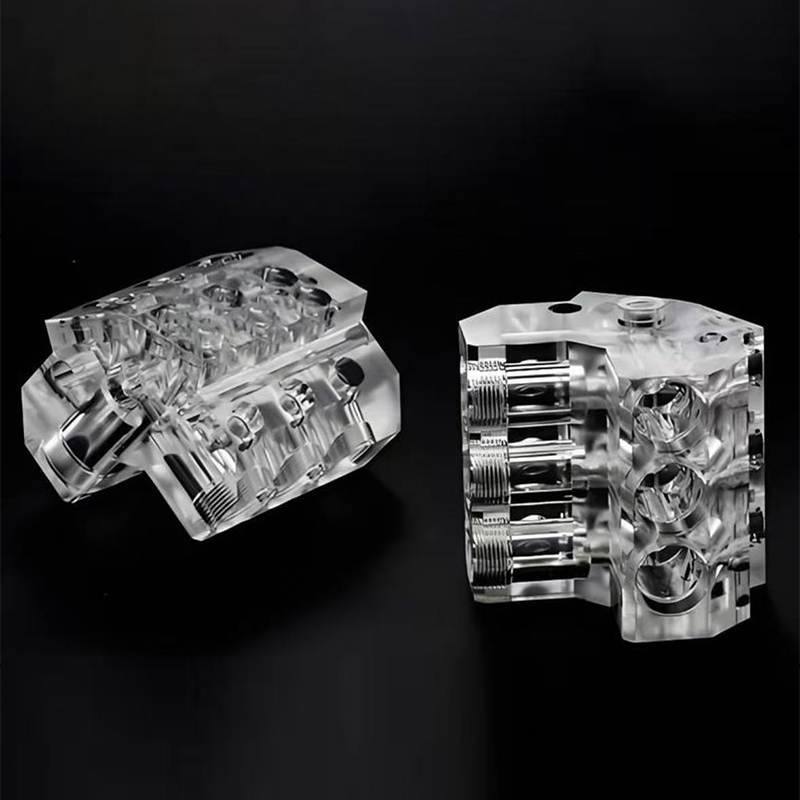
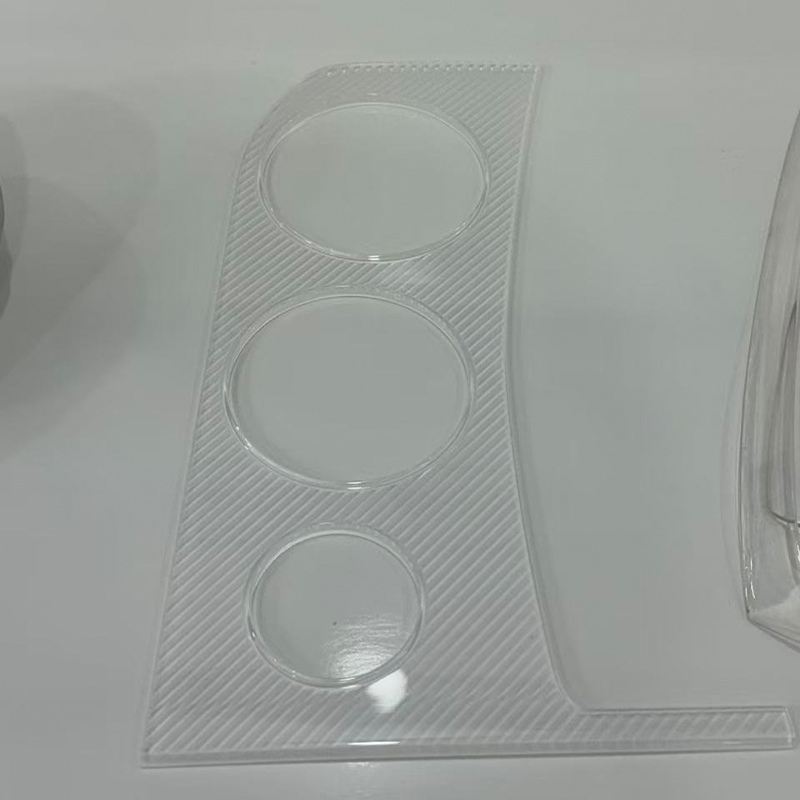
- Color and texture: molded-in color, matte or glossy paint, soft-touch coating, or transparent and semi-transparent casting.
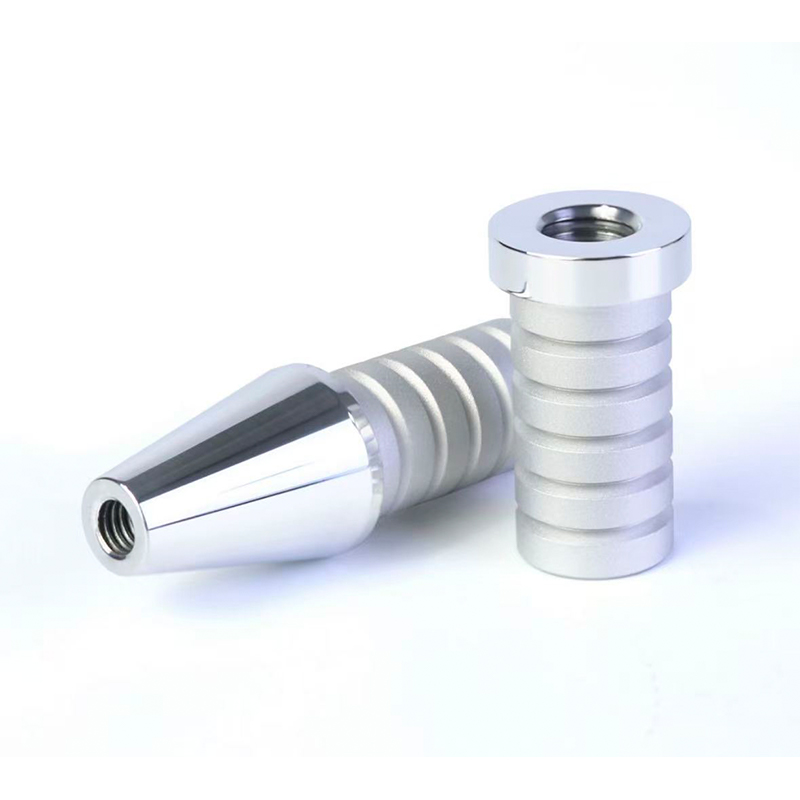
- Secondary operations: laser engraving, decal and silk screen printing, electroplating and anodizing, grinding, polishing and sandblasting.
Surface finishing runs on the same site, so a cast housing can be painted, printed and assembled without a second supplier. See Surface Finishing Services for the available treatments.
Specifications That Drive the Casting
The following variables determine mold design, casting method and finishing sequence. We confirm them against the 3D file and the intended function before releasing the mold.
- Part size and wall thickness: thick sections favor low-pressure urethane casting to limit shrink marks.
- Draft and undercuts: silicone molds flex, but deep undercuts still need a split or inserted core.
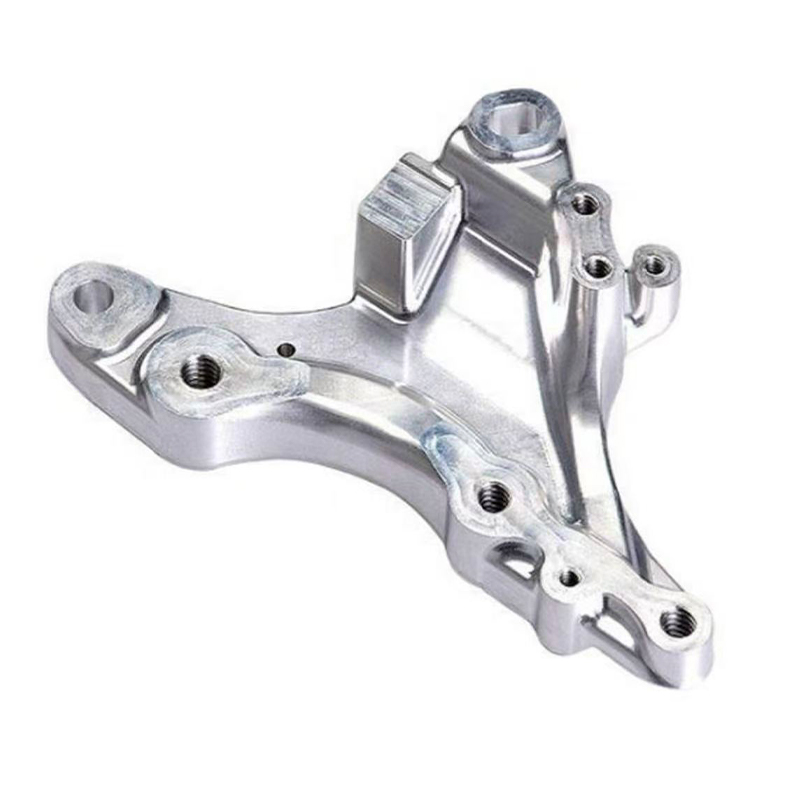
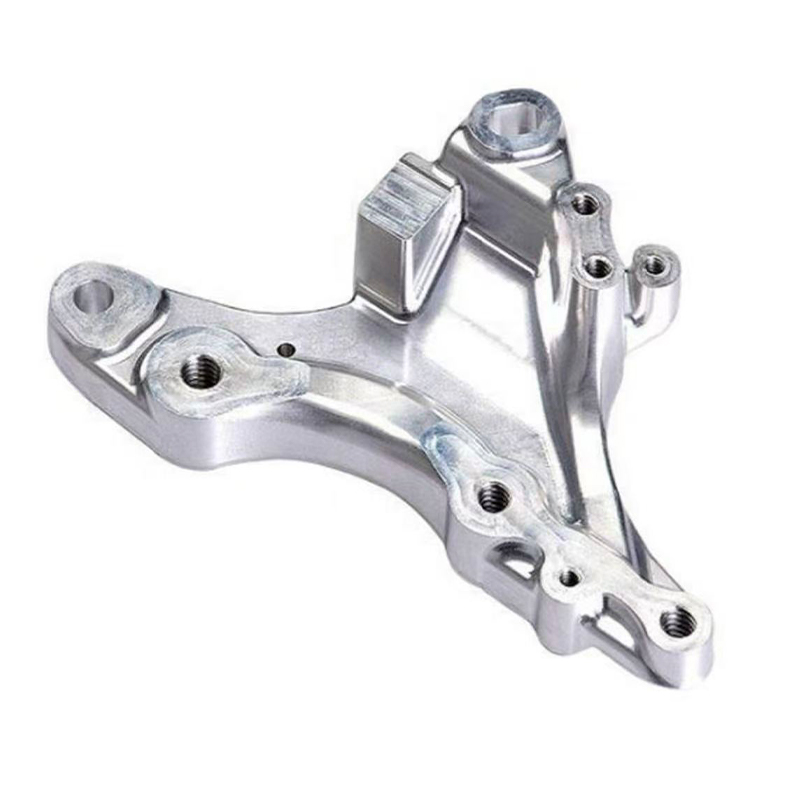
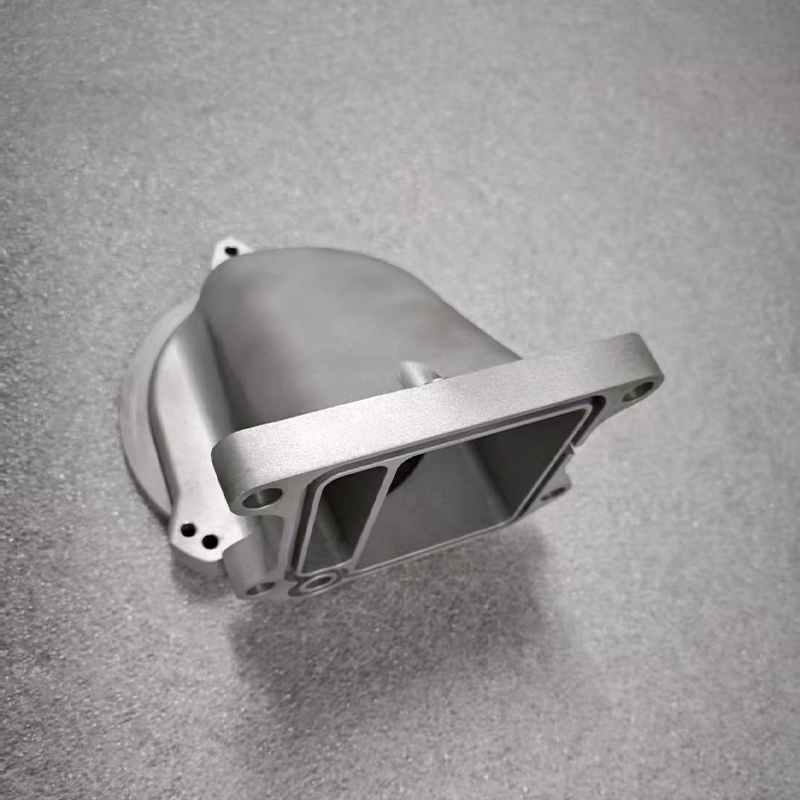
- Tolerance expectation: cast parts are not machined parts; critical interfaces are often machined after casting.
- Surface requirement: molded texture, paint class, gloss level and transparency.
- Batch quantity: 15–25 parts per mold set, with additional mold sets for larger runs.
- Color and material match: reference to a Pantone, RAL or physical sample.
Quality Control and Acceptance
We run full-process inspection covering raw material incoming check, in-process sampling and finished product dimension verification. Every cast part is checked against the agreed dimensional tolerance and appearance standard before packing.
- Raw material tested before storage.
- Periodic sampling during casting to stabilize precision.
- Final inspection of dimensions, color, texture and assembly fit.
- Project zoning, staff non-disclosure agreements and an isolated internal network protect customer drawings and models.
For programs that require it, we prepare first-article samples and inspection records for customer approval before the batch continues.
Information We Use to Configure Your Solution
To quote a vacuum casting program accurately, we need the following inputs. Missing items are confirmed with you before the mold is cut.
- 3D file in STEP, IGES or STL, plus 2D drawing if tolerances are called out.
- Target quantity and whether the parts are for fit check, functional test or market sample.
- Material behavior required: rigid, semi-flexible, rubber-like or silicone.
- Color, texture and finish reference.
- Critical dimensions and any interface that must be machined after casting.
- Assembly requirement, if the cast part mates with other components.
- Delivery destination and packaging requirement.
Related Capabilities on the Same Platform
Vacuum casting rarely stands alone. Master models come from our printing and machining lines, and finishing runs in-house.
- SLA Resin 3D Printing Service for fine-detail masters.
- SLS Nylon 3D Printing Service for functional masters.
- CNC Milling Service for masters and post-cast machining.
Frequently Asked Questions
How many parts can one silicone mold produce?
A single silicone mold set typically replicates 15–25 parts. For larger quantities we build additional mold sets from the same master, keeping geometry consistent across the run.
Can you match an injection-molded surface finish?
Yes. Vacuum casting reproduces the master model's surface detail, and our in-house painting, coating, laser engraving and printing bring the part to the specified texture, gloss and color.
What is the difference between vacuum casting and low-pressure urethane casting?
Standard vacuum casting removes air from the resin under vacuum. Low-pressure urethane casting injects resin at controlled low pressure, which reduces internal stress and shrink marks in thick-walled or large-size parts and improves wall thickness consistency.
Do you supply compression molded silicone parts as well?
Yes. We cure silicone rubber in heated molds under pressure to produce seals, anti-slip grips and soft components for wearable devices, with controllable Shore A hardness and heat and weather resistance.
How do you protect our design data?
Projects are zoned in closed workshops, staff sign non-disclosure agreements, and drawing files are held on an isolated internal network that blocks unauthorized external transmission.
What file formats do you need for a quotation?
Send STEP, IGES or STL files, plus a 2D drawing if tolerances are specified. Include quantity, material behavior, color and finish reference, and any critical interface that must be machined after casting.


