



 English
 Español








Surface Finishing Services for Prototype and Production Parts
As a Surface Finishing Services Manufacturer manufacturer, we match product configuration to the application, operating limits, interfaces and acceptance criteria defined for each project.
Zhejiang Jiaheng Intelligent Equipment Manufacturing Co., Ltd. is a China-based Surface Finishing Services manufacturer working from an integrated platform that covers 3D printing, CNC machining, vacuum casting and post-processing under one roof. We finish parts that we produce ourselves and parts supplied by customers, so the surface result is controlled by the same team that controls the geometry.
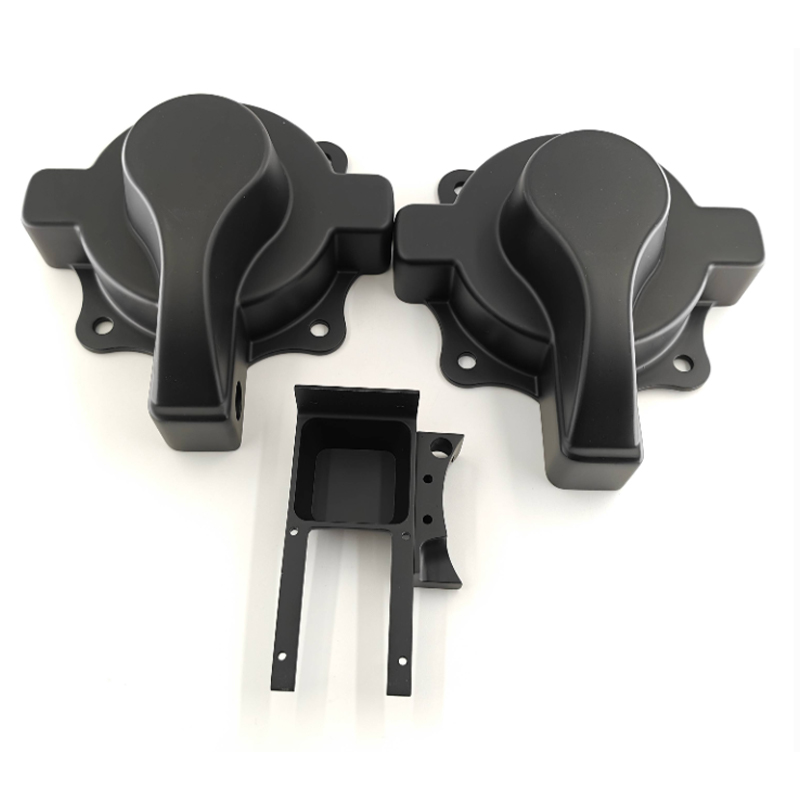
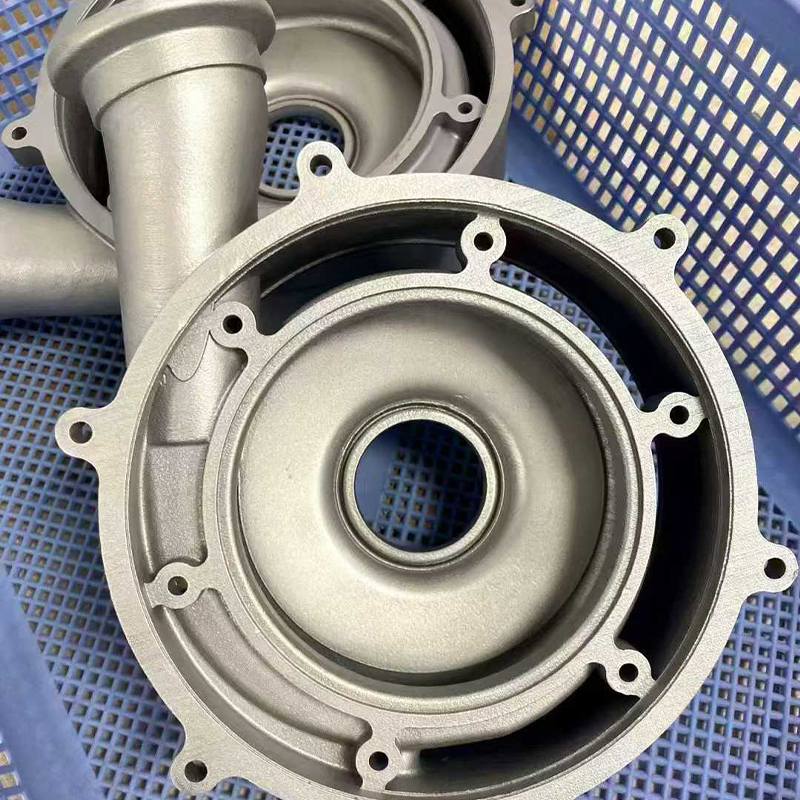
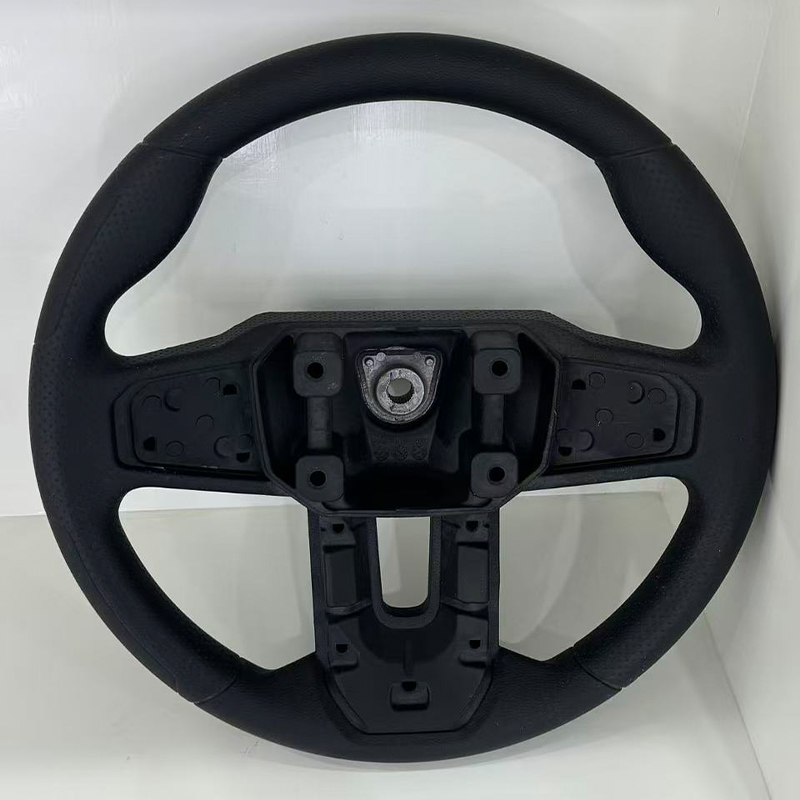
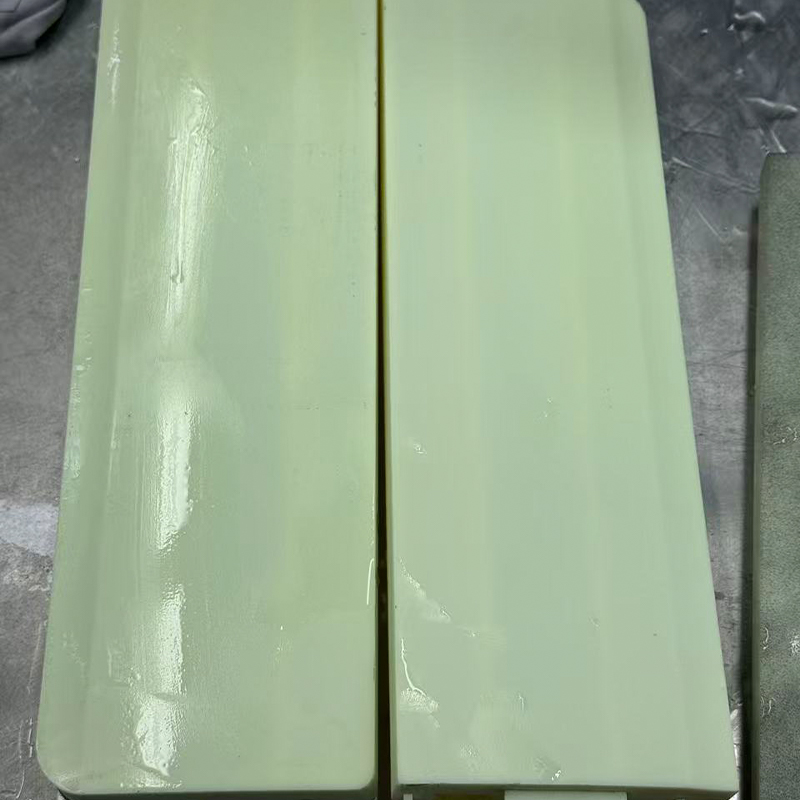
Our Surface Finishing Services range covers grinding, polishing and sandblasting, transparent part treatment, painting and baking, electroplating and anodizing, decal and silk screen printing, laser engraving, and soft or hard coating. These processes are applied to resin, nylon, metal and cast urethane parts for automotive, consumer electronics, UAV and eVTOL, robotics and medical rehabilitation projects.
Where Each Finishing Process Fits
Finishing is selected from the substrate, the required appearance and the service environment, not from a single default process. A sandblasted nylon bracket, a high-gloss painted ABS-like housing and a chrome-plated resin trim part follow different routes through our workshop.
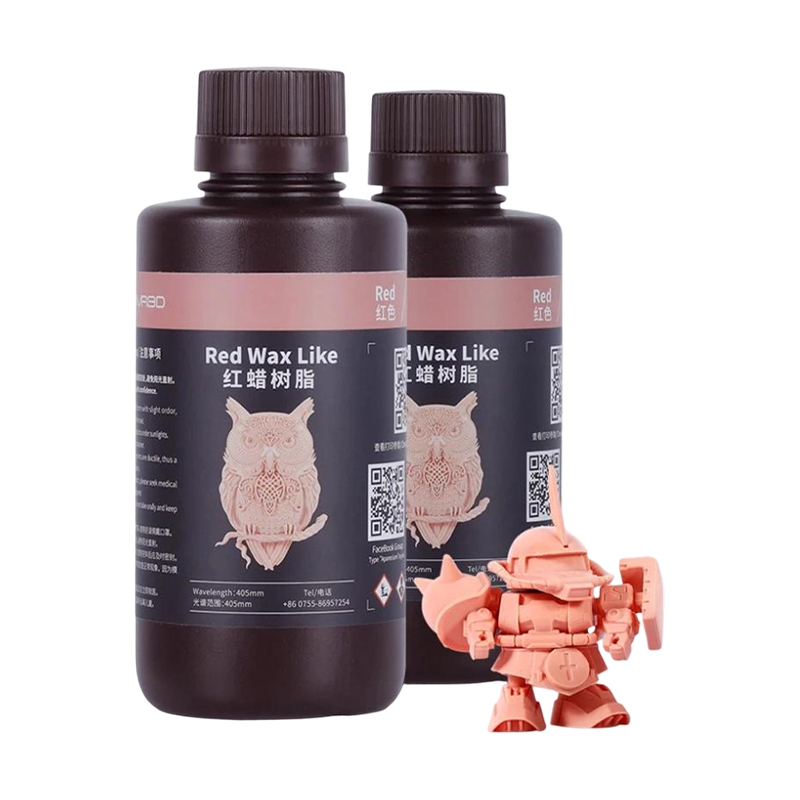
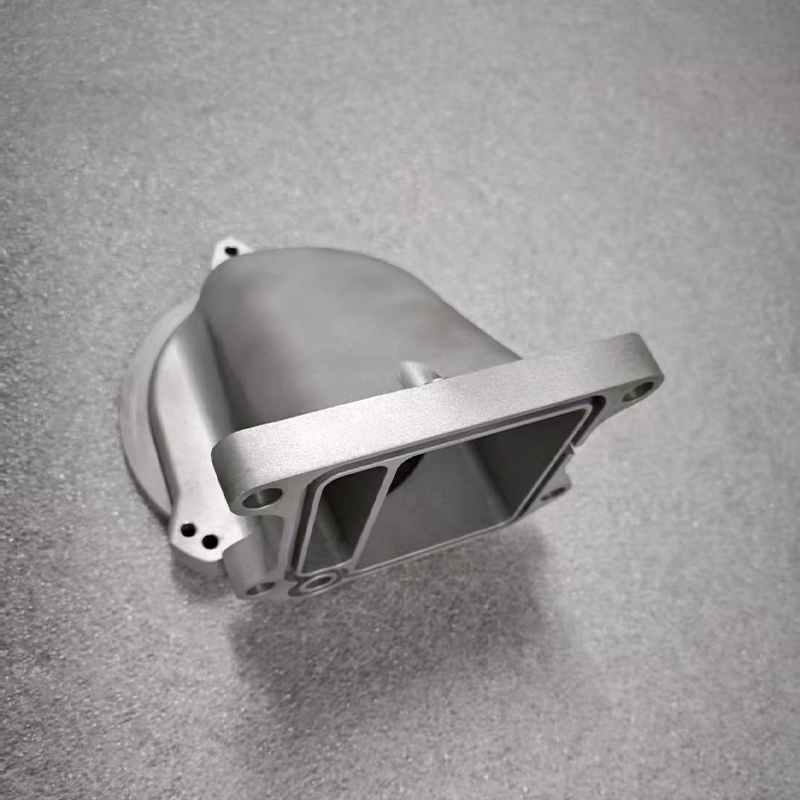
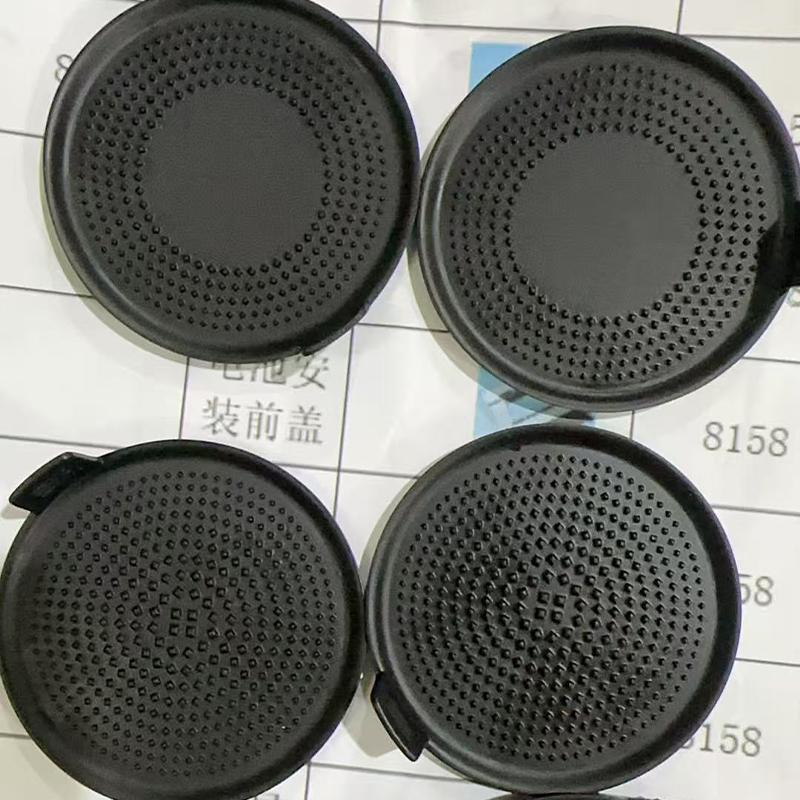
Grinding, Polishing & Sandblasting — removes print layer lines and tool marks, producing a smooth or uniformly textured base for subsequent painting, coating or bonding.
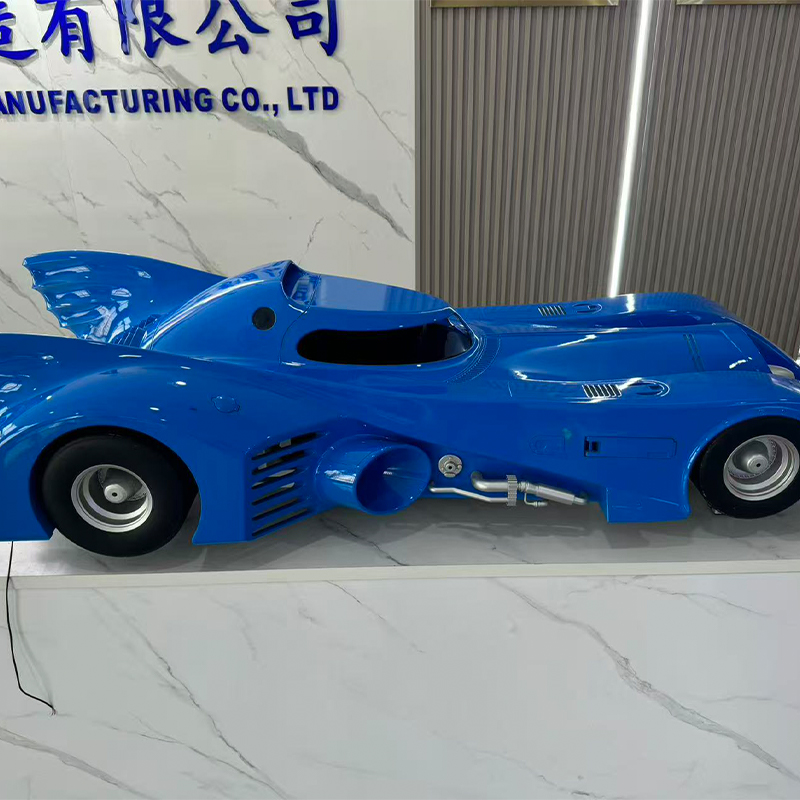
Painting & Coating (Matte / Glossy Finish) — matte, satin or glossy paint effects matched to customer-specified Pantone or RAL color codes.
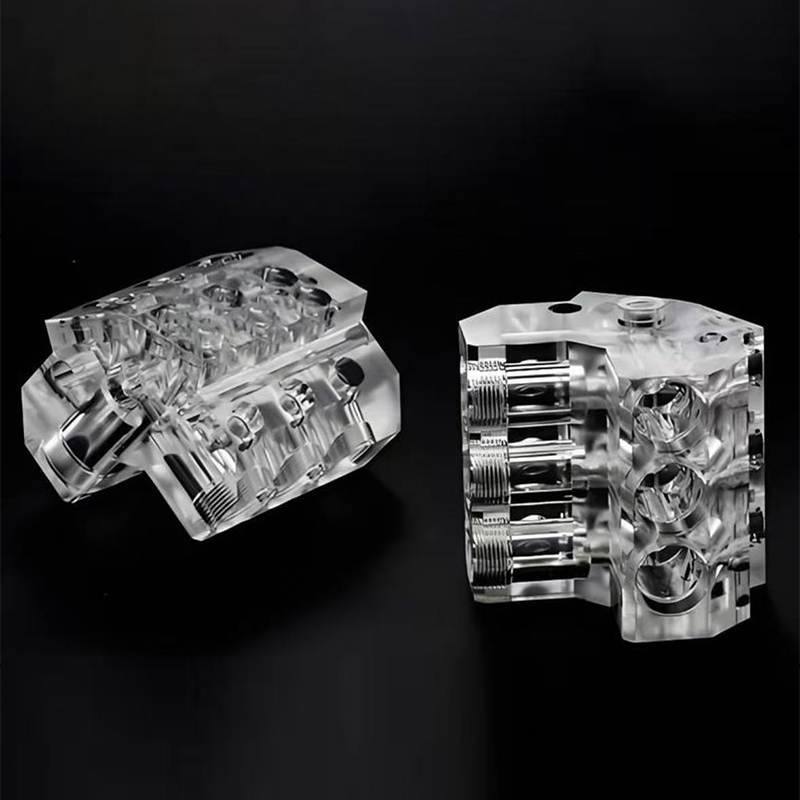
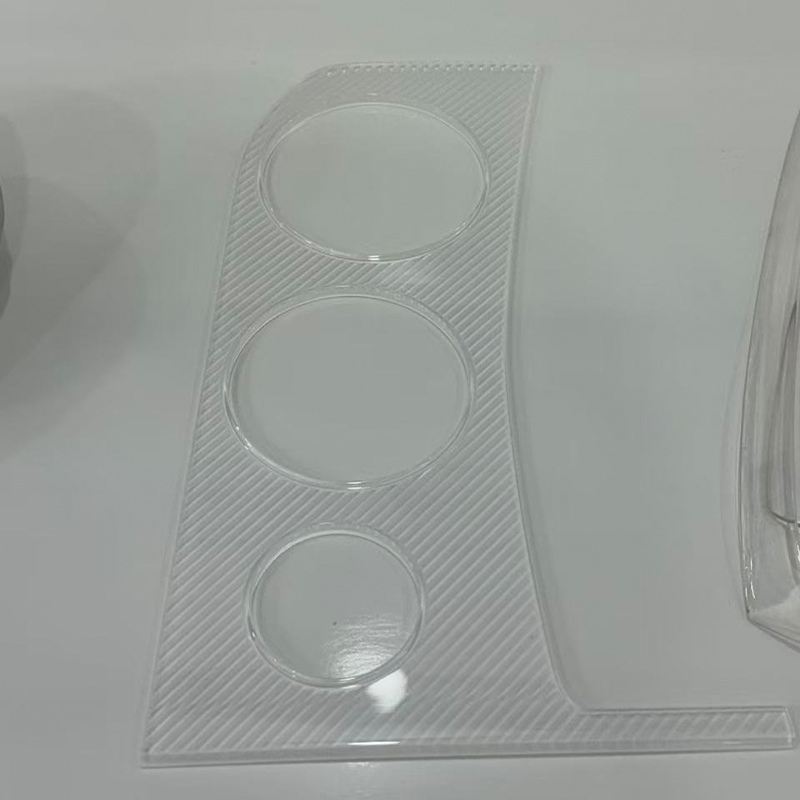
Transparent Parts (Semi-Transparent / Fully Transparent) — fine polishing, transparent coating and optical-grade post-processing for light-guide, lens and window parts.
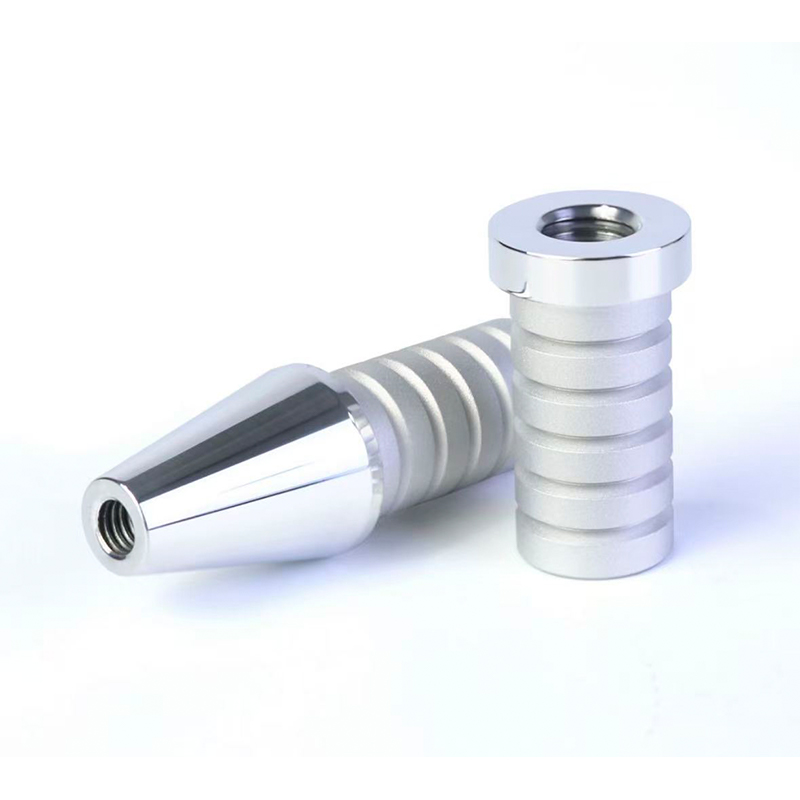
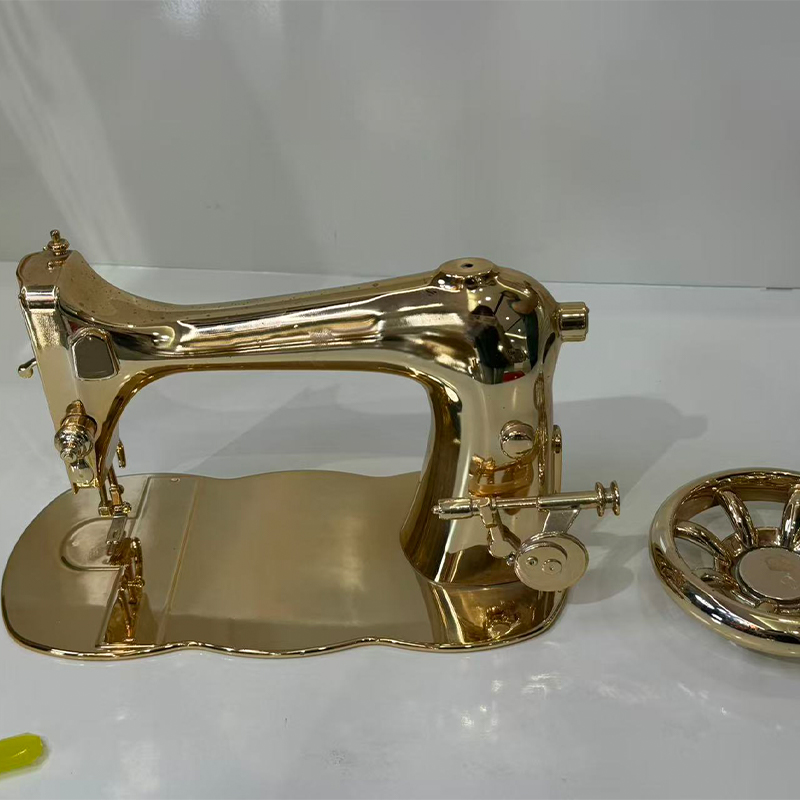
Electroplating & Anodizing — chrome, nickel and zinc plating plus anodizing for decorative gloss, corrosion resistance or conductivity.
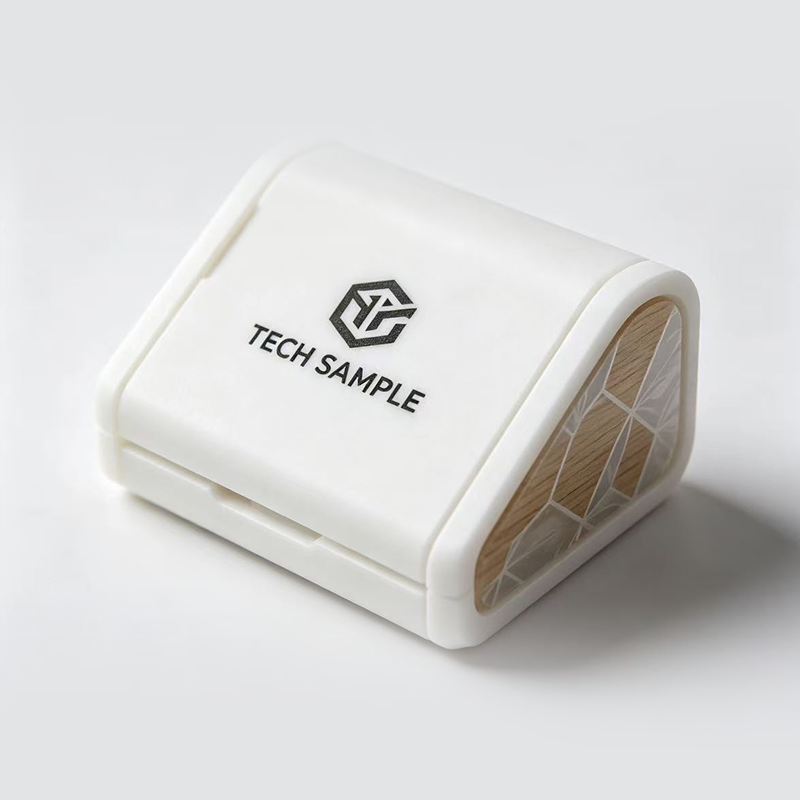
Decal & Silk Screen Printing — logos, patterns and instructional text applied with precise registration and durable adhesion.
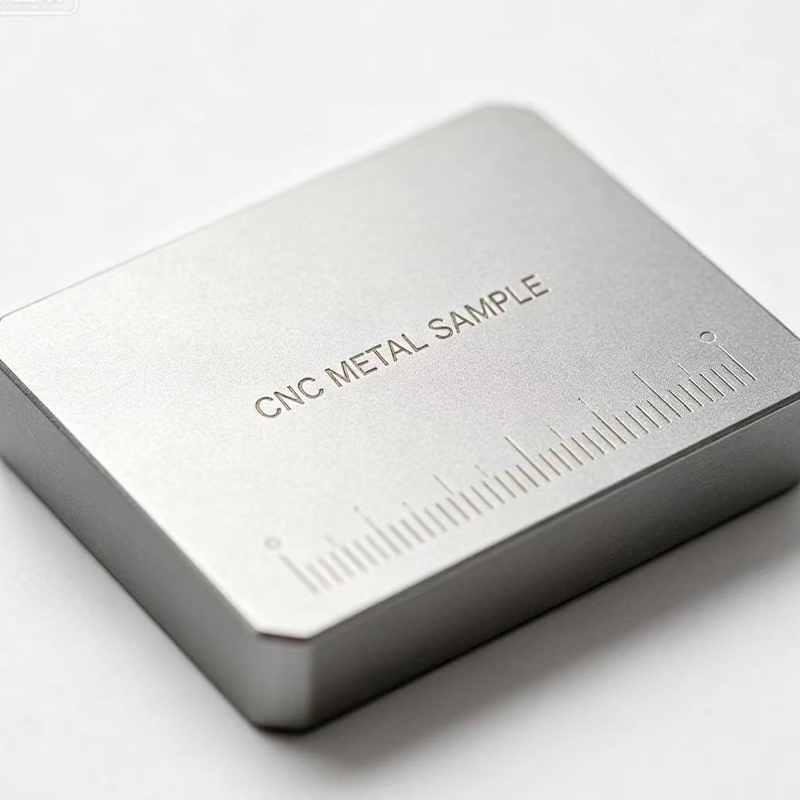
Laser Engraving — non-contact permanent marking of traceability codes, nameplates and decorative patterns on metal or plastic, without tooling.
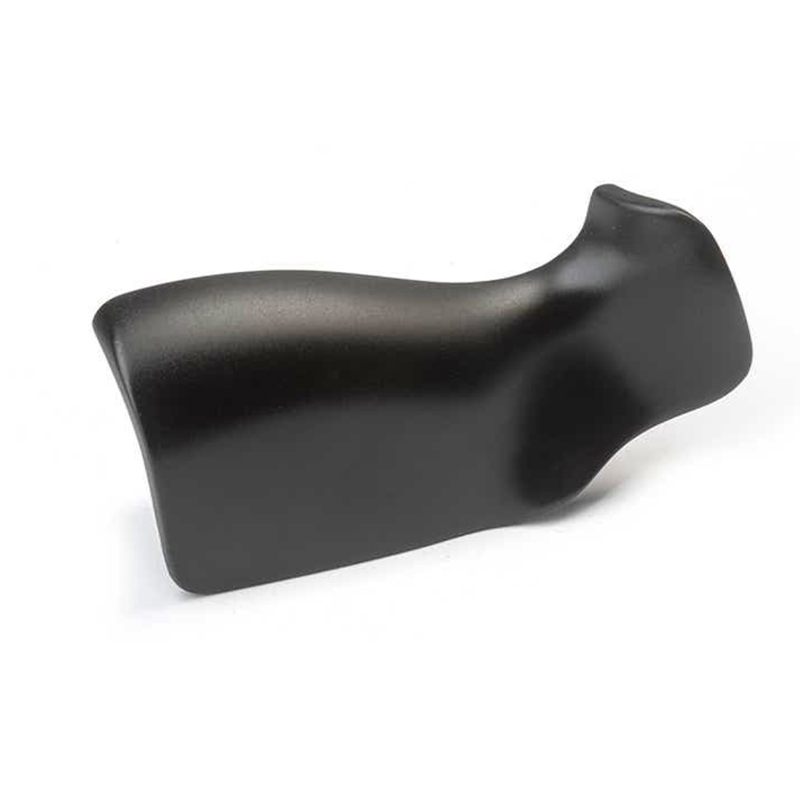
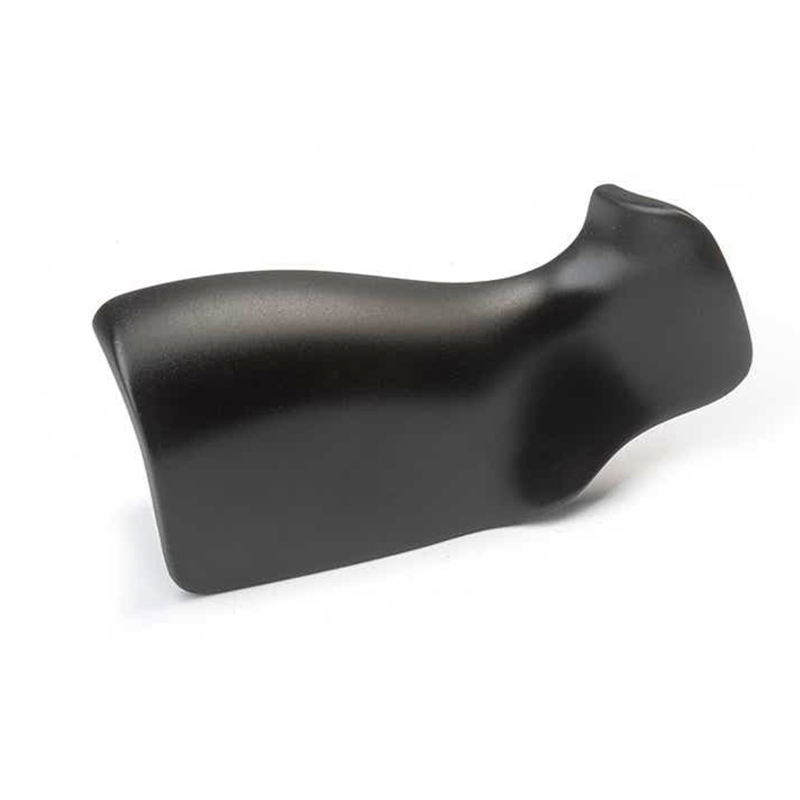
Soft Coating & Hard Coating — rubber-like soft-touch grip for handheld areas, or hard wear-resistant coating for industrial parts exposed to abrasion.
Substrate and Process Matching
The same finish behaves differently across substrates. We confirm the base material before quoting, because heat resistance, porosity and surface energy determine whether a coating will cure correctly and adhere over the life of the part.
| Substrate | Typical Finishing Route | Application Focus |
|---|---|---|
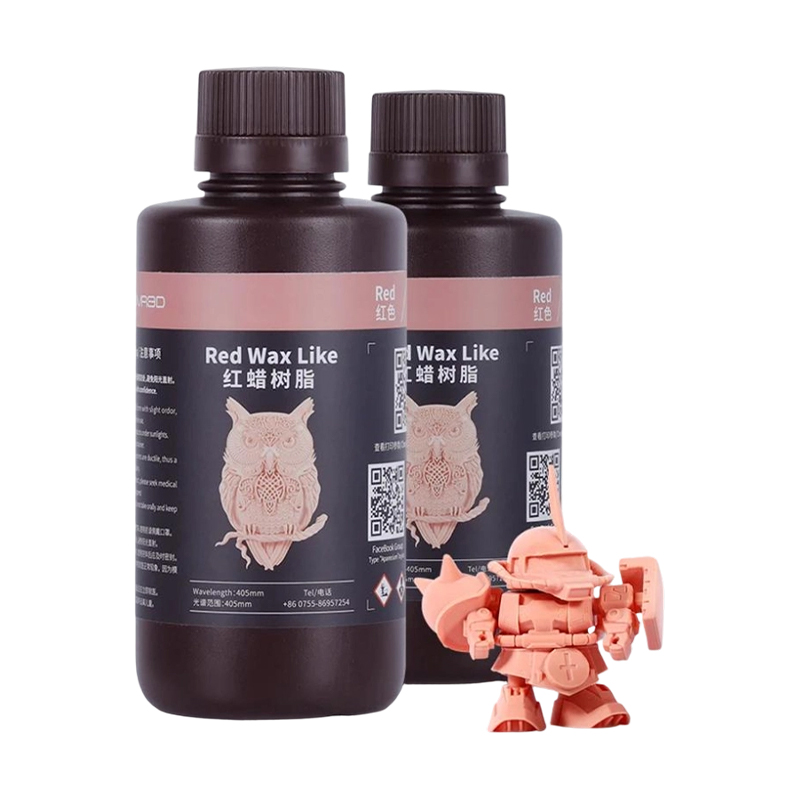
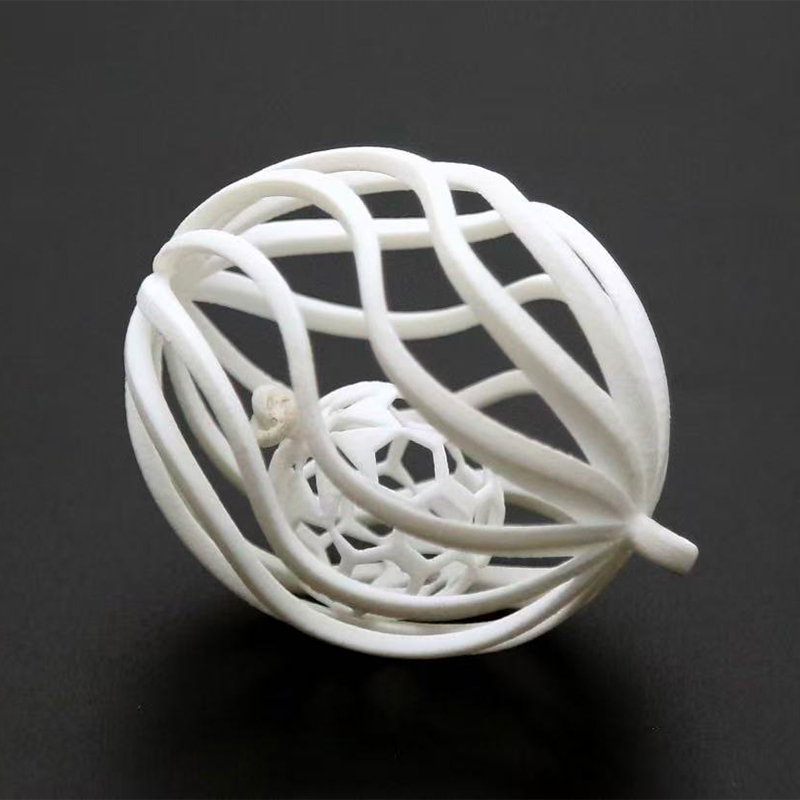
| SLA / DLP resin | Grinding, primer, paint, transparent coating, electroplating | Appearance models, housings, light guides |
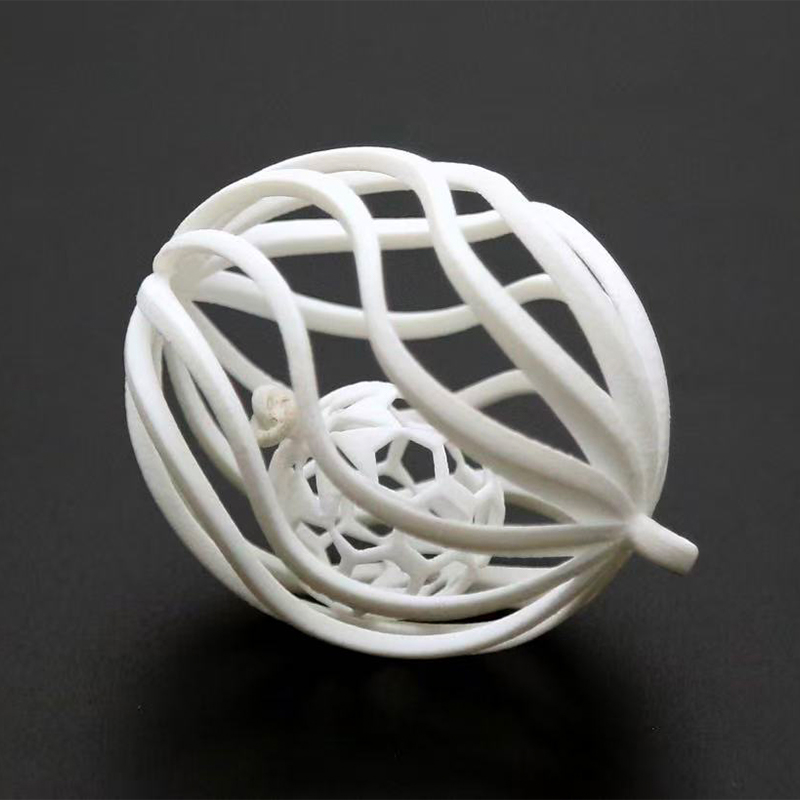
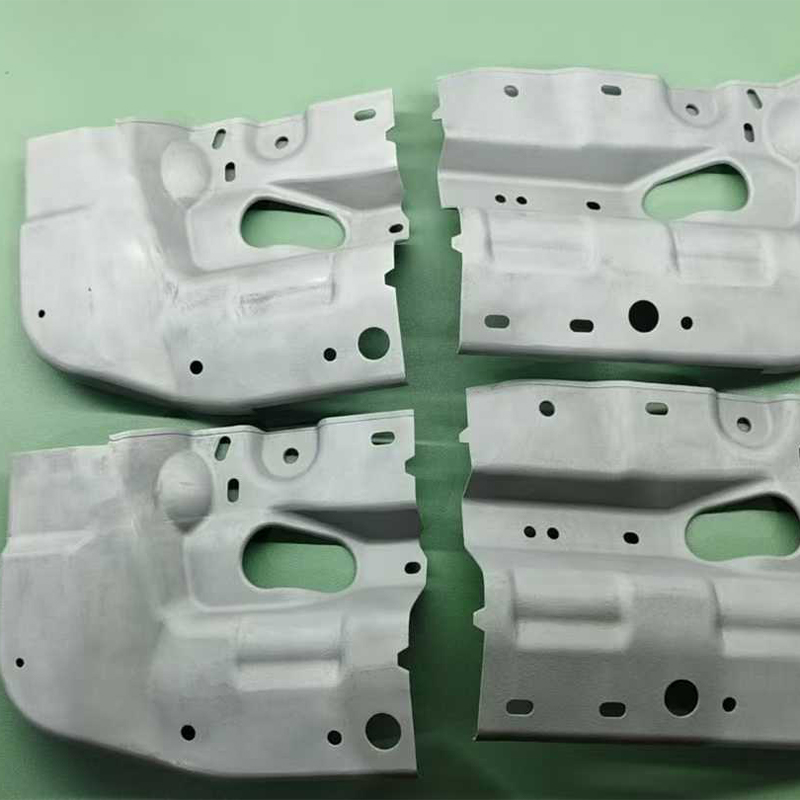
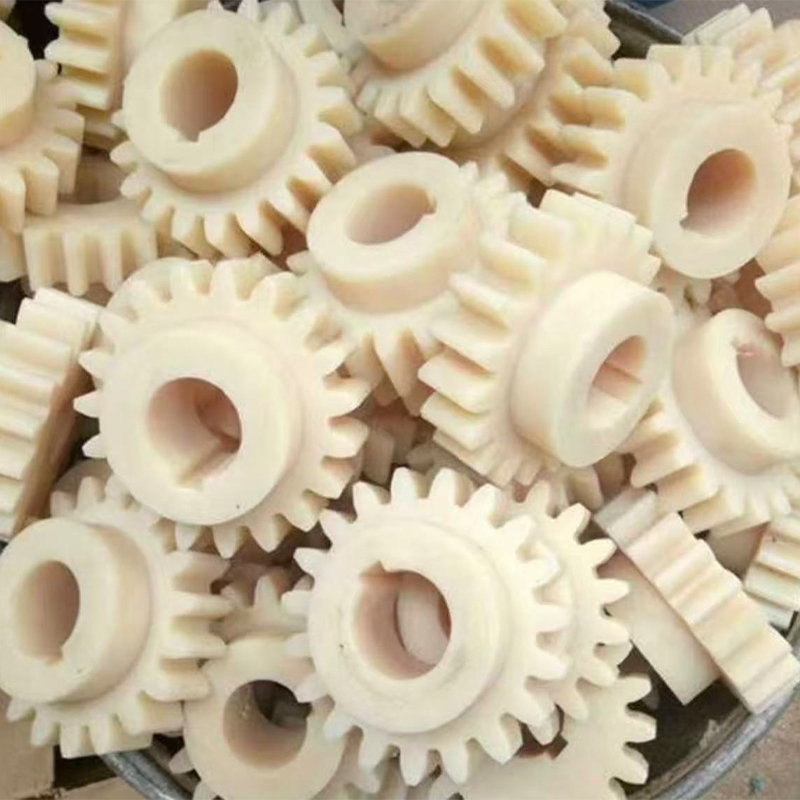
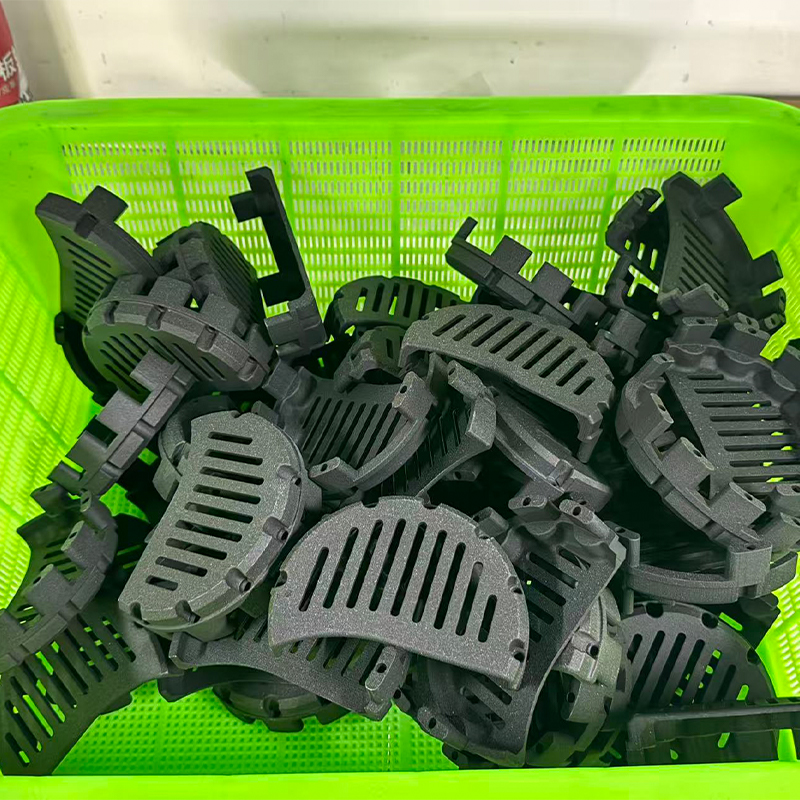
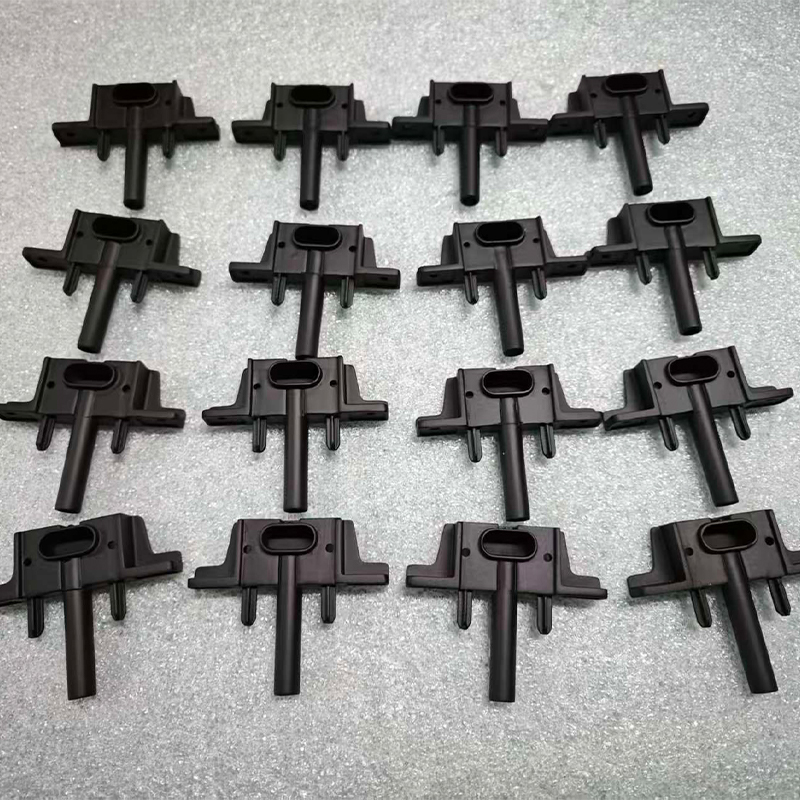
| SLS nylon and glass-filled nylon | Sandblasting, dyeing, painting, laser engraving | Functional brackets, ducts, enclosures |
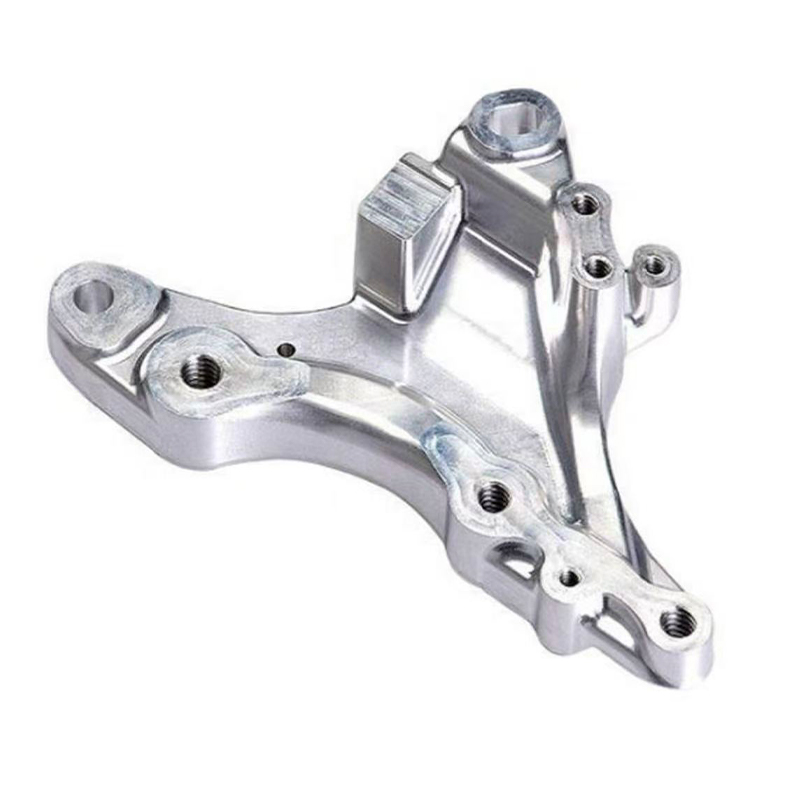
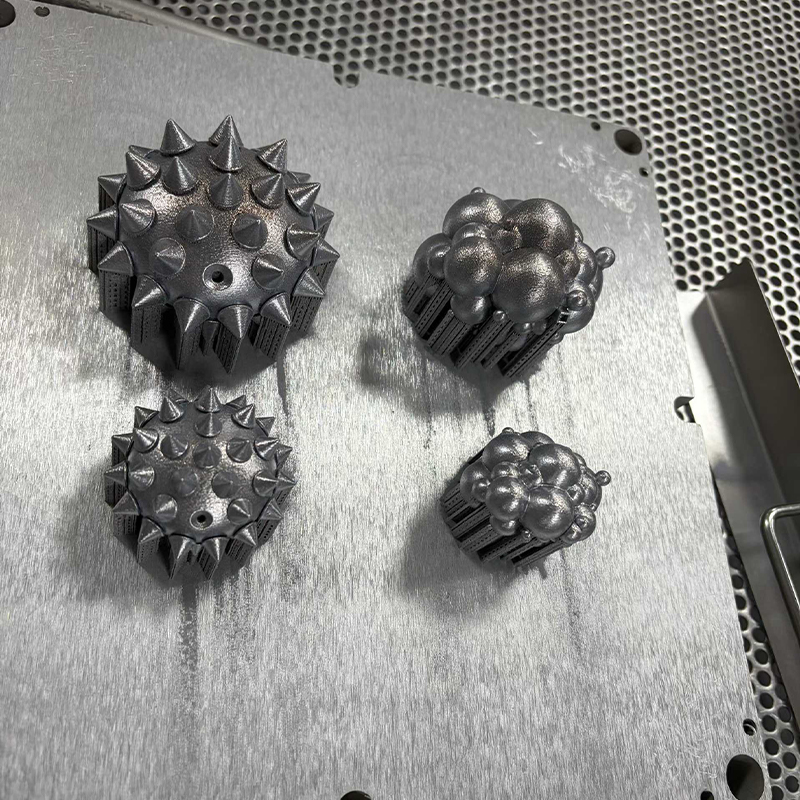
| SLM metal (AlSi10Mg, 316L, Ti6Al4V, H13/S136) | Polishing, sandblasting, anodizing, electroplating, engraving | Structural parts, mold inserts, medical accessories |
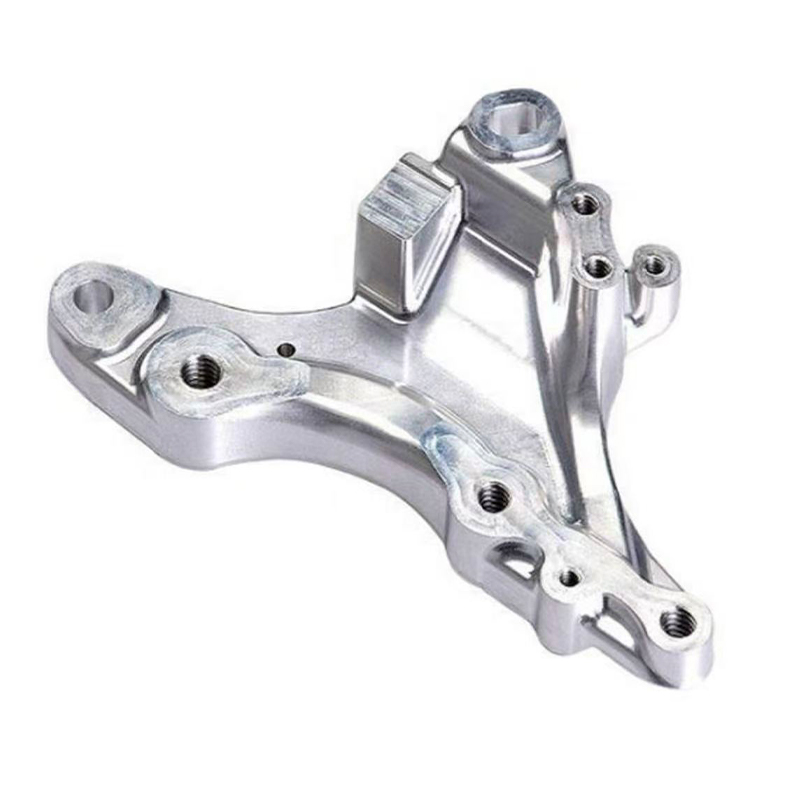
| CNC machined aluminum, steel, engineering plastic | Anodizing, painting, polishing, silk screen printing | Precision components, panels, fixtures |
| Vacuum cast urethane and silicone | Painting, soft coating, texture replication, printing | Small-batch housings, gaskets, overmolded grips |
Appearance Specification and Color Control
Color and gloss are specified before production, not judged after delivery. We work to Pantone and RAL references for painted and coated parts, and we record the agreed gloss level, texture direction and masking boundaries on the process sheet.
- Color reference: Pantone / RAL code, or a physical master sample supplied with the order.
- Gloss level: matte, satin or high gloss, confirmed on a first-article part.
- Texture: smooth, sandblasted, or mold-replicated grain from the master pattern.
- Masking: threads, bores, mating faces and electrical contact areas kept free of coating.
- Marking: engraving depth, print position and registration tolerance for logos and labels.
Integration with Our Manufacturing Range
Finishing is the last step of a route that starts with the geometry. Because we run 3D Printing Services, CNC Machining Services and Vacuum Casting Services in the same production base, a part does not leave our control between forming and finishing. That matters most when a painted surface must hide layer lines, or when an anodized finish must not alter a critical bore.
For appearance-critical programs we plan the finishing allowance into the upstream process: extra stock on CNC parts for polishing, print orientation on resin parts to keep layer lines away from visible faces, and gate and vent placement on cast parts so that sanding does not distort a cosmetic surface.
Quality Control and Acceptance
Our quality system covers incoming material checks, in-process sampling and final shipment inspection. Finished workpieces are inspected against the agreed dimensional tolerance and appearance standard before packing.
- Dimensional verification of critical features after coating, including masked bores and threads.
- Visual inspection under defined lighting for color, gloss, runs, orange peel and edge coverage.
- Adhesion and hardness checks on coating batches where the specification requires them.
- First-article approval before the batch continues, with the approved sample retained for reference.
- Project zoning in closed workshops, staff non-disclosure agreements and an isolated internal network to protect customer drawings and models.
Information We Use to Configure Your Solution
A finishing quotation is built from the part, the substrate and the acceptance criteria. Sending the following with your enquiry lets us confirm the process route and price the operation correctly the first time.
- 3D model or 2D drawing with the surfaces to be finished clearly identified.
- Base material and the upstream process that produced the part.
- Required color reference, gloss level and texture, plus any master sample.
- Masking list: threads, bores, mating faces, contacts and areas that must stay conductive.
- Functional requirements such as wear resistance, corrosion resistance, grip or transparency.
- Quantity, batch split and required delivery date.
- Marking artwork, engraving content and print position for logos or traceability codes.
Packaging, Documentation and Follow-Up
Finished parts are packed to protect the cosmetic surface through transit, with separation between coated faces and any hardware. Shipments are accompanied by the inspection record for the batch. Where a program continues into repeat production, we retain the approved finish sample and process parameters so that later batches match the original appearance.
Technical communication continues during processing, so that a detail such as a masking boundary or a print position can be adjusted before the batch is committed. After delivery we follow up on any usage issue and support re-production of the same specification.
Frequently Asked Questions
Can you finish parts that you did not manufacture?
Yes. We finish customer-supplied parts as well as parts produced by our own 3D printing, CNC machining and vacuum casting lines. The substrate and its condition are checked before the route is confirmed.
How do you match a specific color?
We match to Pantone or RAL references, or to a physical master sample supplied with the order, and confirm the result on a first-article part before the batch proceeds.
Will coating change the dimensions of my part?
Paint and coating add a thin layer. Critical bores, threads and mating faces are masked, and critical dimensions are verified after finishing against the agreed tolerance.
Which finishes suit transparent parts?
Semi-transparent and fully transparent results come from fine polishing followed by transparent coating and optical-grade post-processing, applied to resin and cast parts used as lenses, windows and light guides.
Can you apply permanent markings and logos?
Laser engraving produces permanent, wear-resistant markings on metal and plastic without tooling, while decal and silk screen printing handle multi-color logos, control panel labels and functional text with precise registration.
What is the smallest batch you accept?
We accept prototype samples and small-batch production as well as larger contract runs, and we quote each batch against the finishing route it requires.


