



 English
 Español








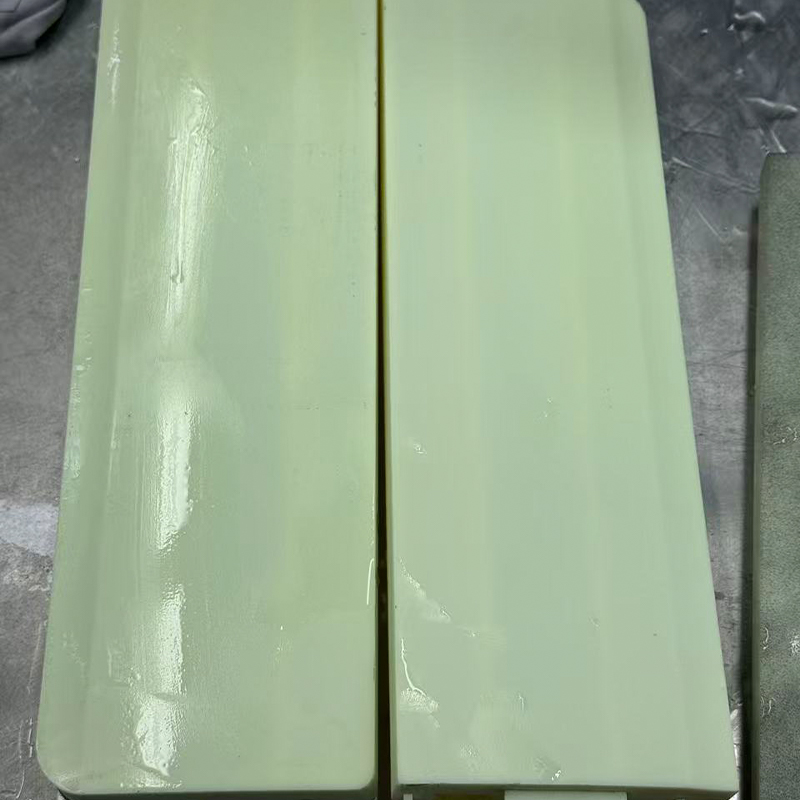
CNC Milling Service Manufacturer for Functional and Appearance Parts
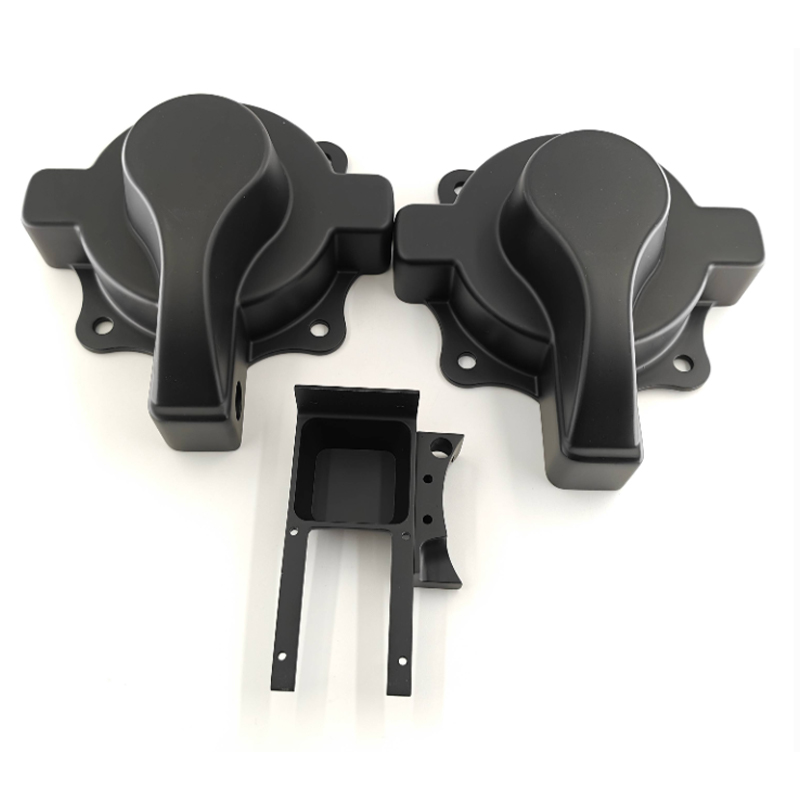
Zhejiang Jiaheng Intelligent Equipment Manufacturing Co., Ltd. is a China CNC milling service manufacturer and OEM/ODM factory. Our CNC Milling Service cuts and forms metal and engineering plastic parts on 3-axis, 4-axis and 5-axis machining centers, from single prototypes to small and repeat batches.
The work sits inside our integrated platform: 3D printing, CNC machining, vacuum casting and surface finishing run under one roof, so a part can be milled, finished, checked and shipped without changing suppliers mid-project.
What Our CNC Milling Service Covers
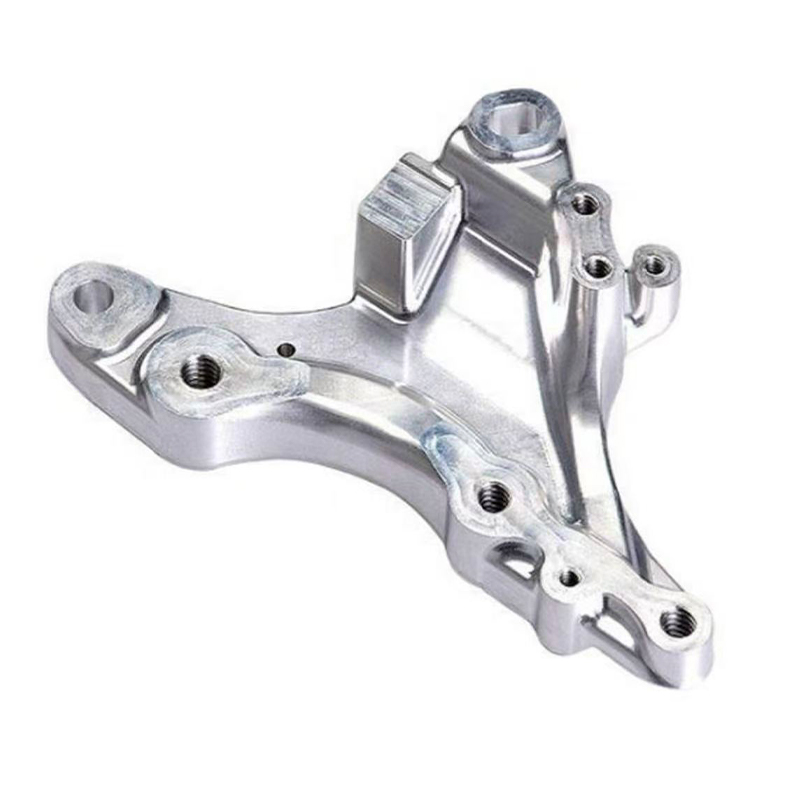
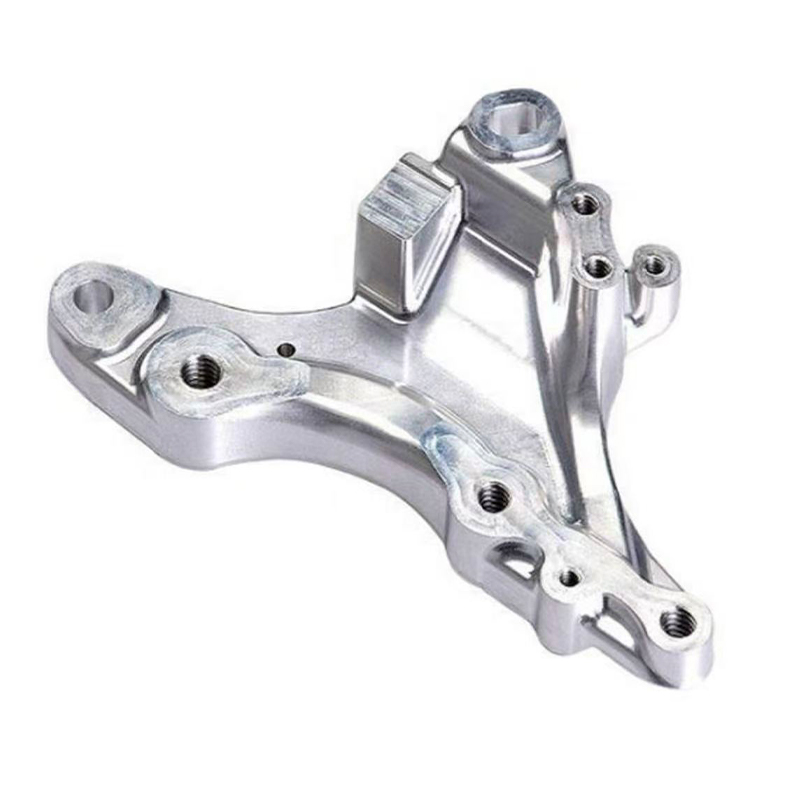
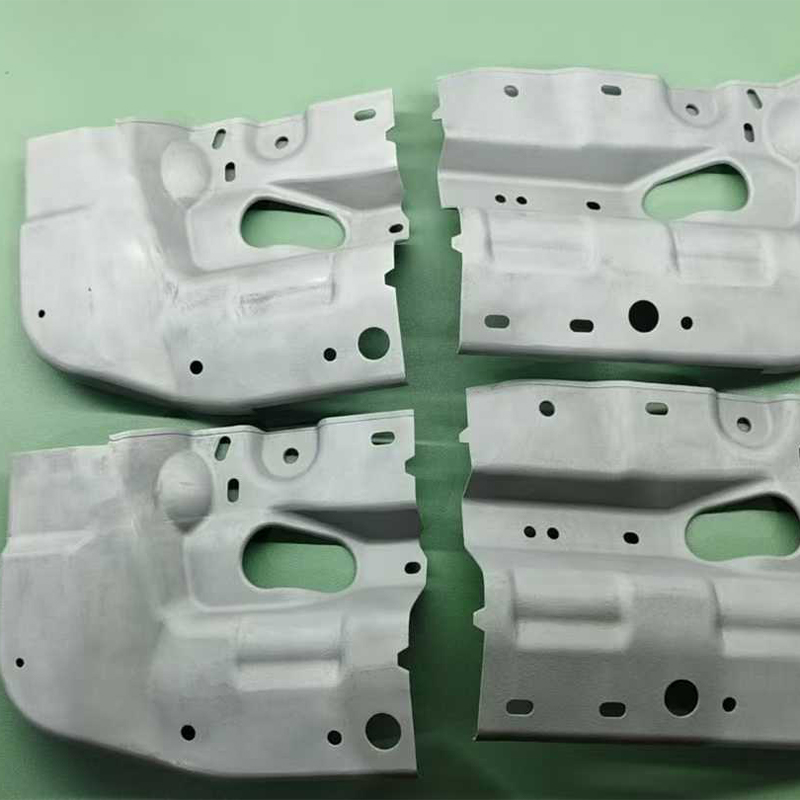
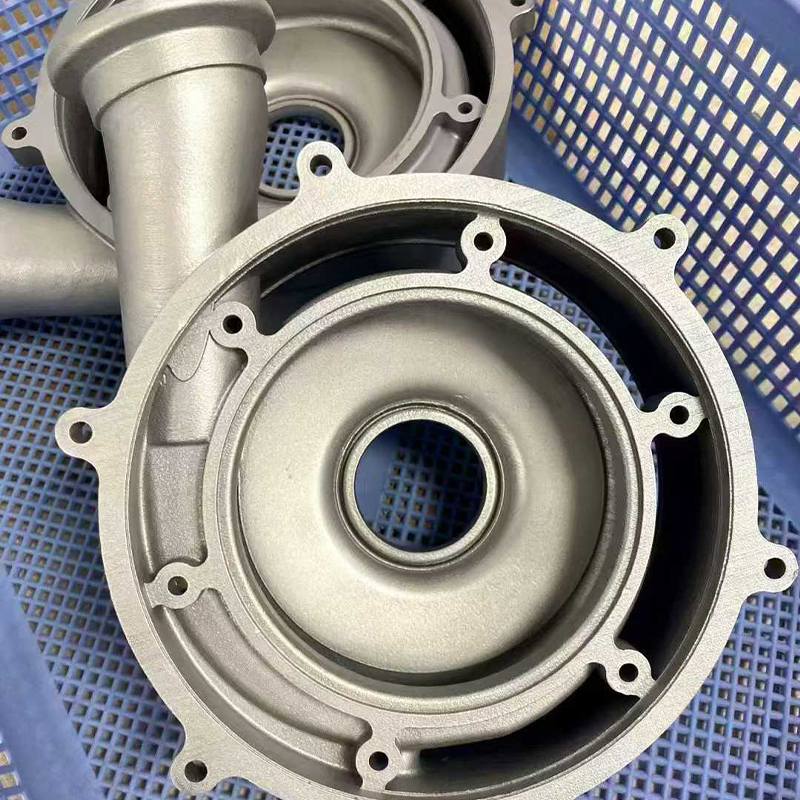
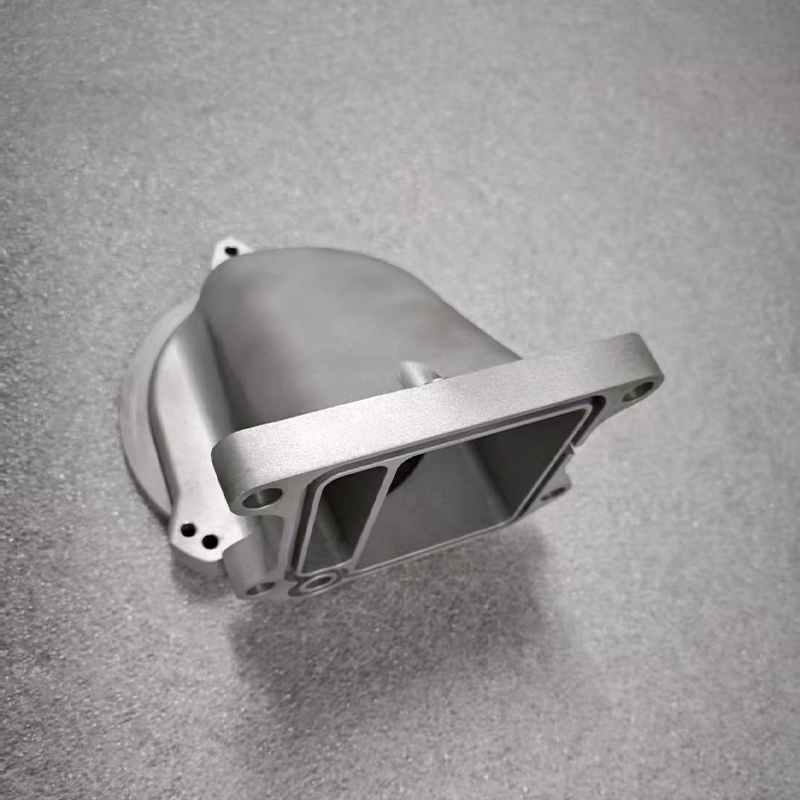
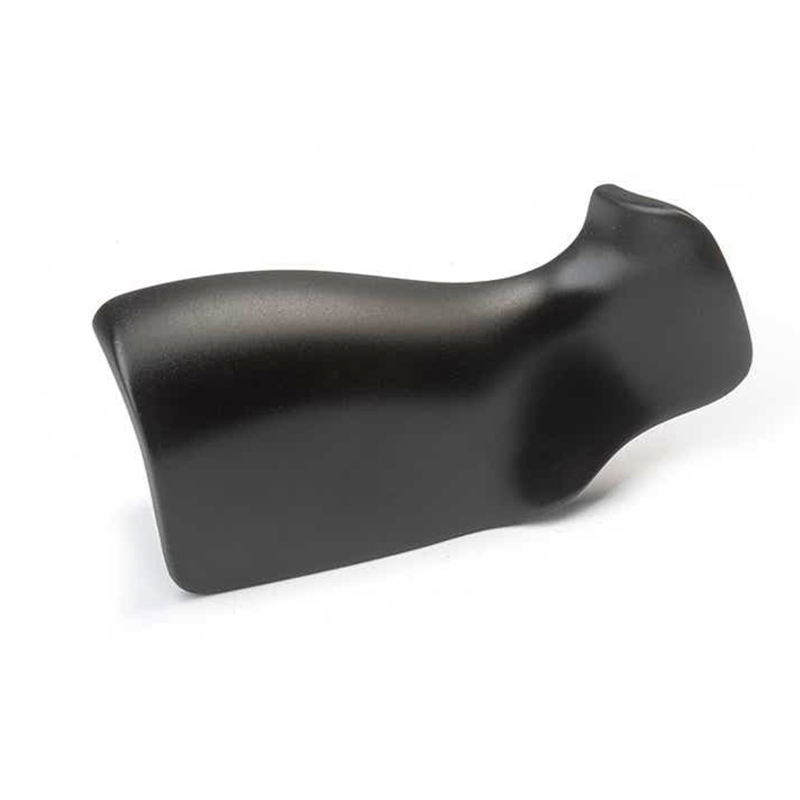
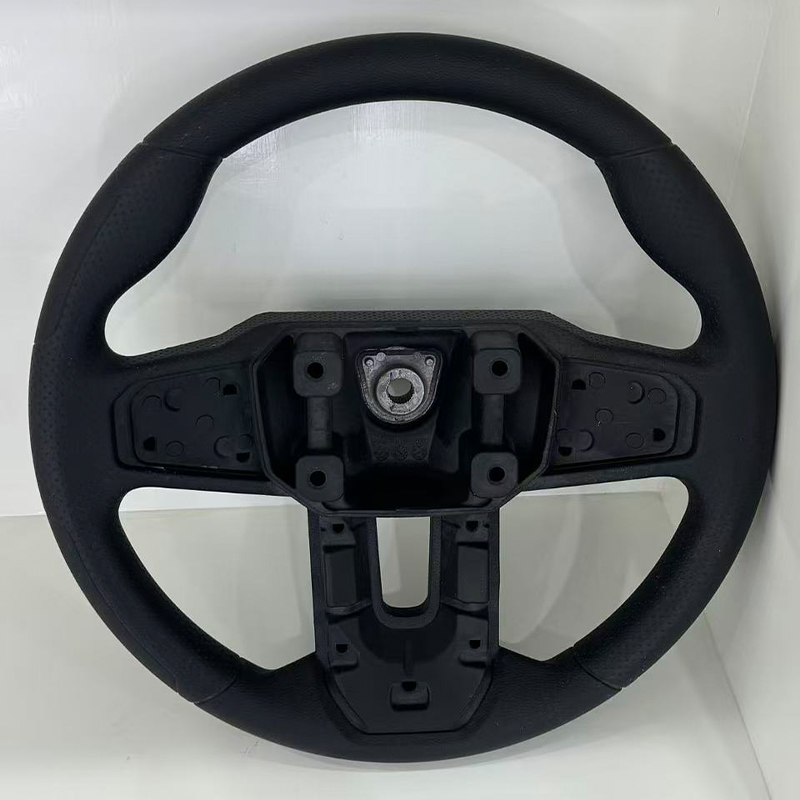
Milling removes material with rotating multi-tooth cutters along programmed tool paths. That makes it the right route when a part needs true material properties, tight tolerances, sharp edges, threaded features or a machined surface rather than a layered one. We mill heat sink housings, medical device enclosures, mold inserts, insulation components, jigs and fixtures, and complex functional or appearance prototypes.
- 3-axis milling — flat faces, pockets, slots, through-holes and prismatic geometry.
- 4-axis milling — indexed work on multiple faces of one part in a single setup.
- 5-axis milling — contoured surfaces, undercuts and multi-face features that would otherwise need repositioning.
- Finishing passes — tool paths and cutting parameters tuned per material to balance cycle time against surface quality.
Material Systems We Machine
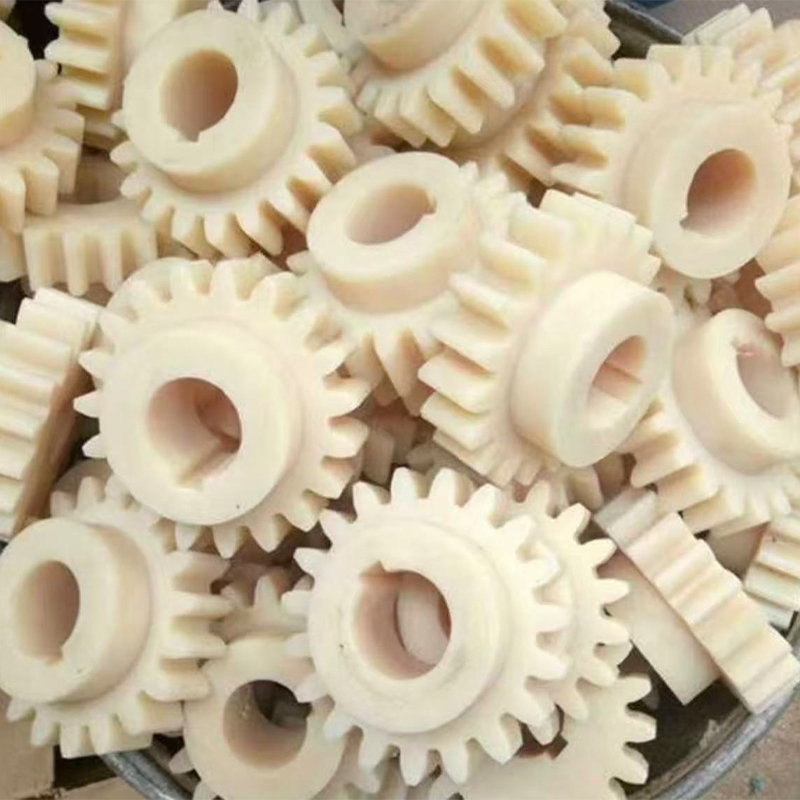
Our milling range spans four material families: aluminum alloy, stainless steel, alloy steel and engineering plastics. Because we hold both metals and plastics in one workshop, a project that mixes a machined aluminum housing with a POM or PEEK insulator can be produced in one setup sequence and one inspection flow.
| Material family | Grades we run | Typical milled parts |
|---|---|---|
| Aluminum alloy | 6061, 5052, 2A12, 7075 | Heat sink housings, brackets, enclosures, UAV frames |
| Stainless steel | 303, 304, 316, 316L, 420, 430, 17-4PH, 301 | Medical enclosures, shafts, fittings, wear parts |
| Alloy steel | Q235 (A3), 45#, Cr12, 3Cr13, GCr15, 40Cr, 65Mn, SKD11 | Mold inserts, structural plates, tooling components |
| Engineering plastics | ABS, PTFE, POM, bakelite, PMMA, PPS, PU, PC, PEEK, PP, PVC, FR4, HDPE, LDPE, PA6 and more | Insulators, jigs, covers, low-weight functional parts |
Tolerance, Geometry and Where Milling Fits
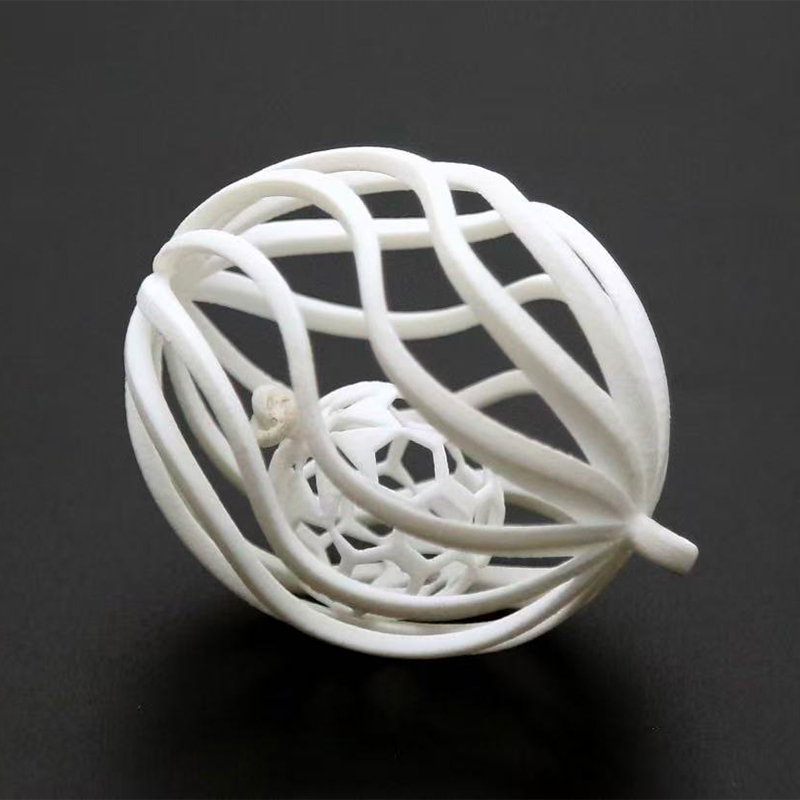
We hold tolerances up to 0.1 mm on our milling work. Complex surfaces, undercuts and multi-face features are completed in one process, which reduces the cumulative error that comes from re-fixturing a part across several operations. Milling is the preferred route for high-precision structures that are difficult to achieve through 3D printing or casting — thin walls with machined faces, press-fit bores, sealing grooves and threaded interfaces.
Where a design is still open, we compare the milling route against our other processes before quoting. A Precision CNC Milling Service suits the tightest functional features; a CNC Turning Service covers rotational parts; Vacuum Casting is often more economical for small batches of a validated design.
Configuration Options and Interfaces
Milled parts rarely ship as bare geometry. We configure each order around the features the assembly actually needs.
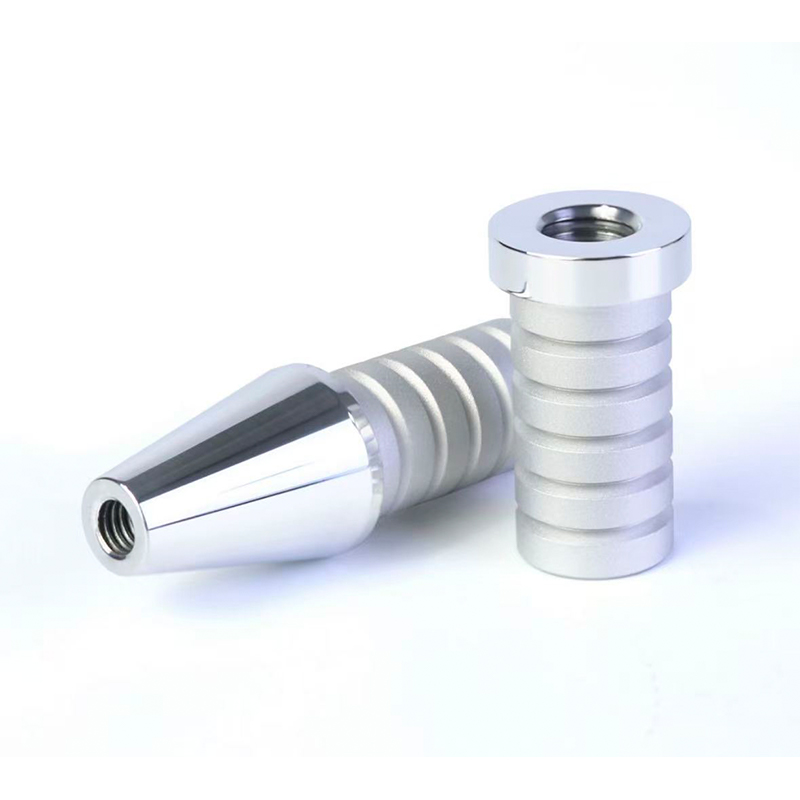
- Threads and inserts — metric and imperial threads, tapped holes, heat-set insert bores.
- Mating features — dowel holes, locating shoulders, snap fits, O-ring and gasket grooves.
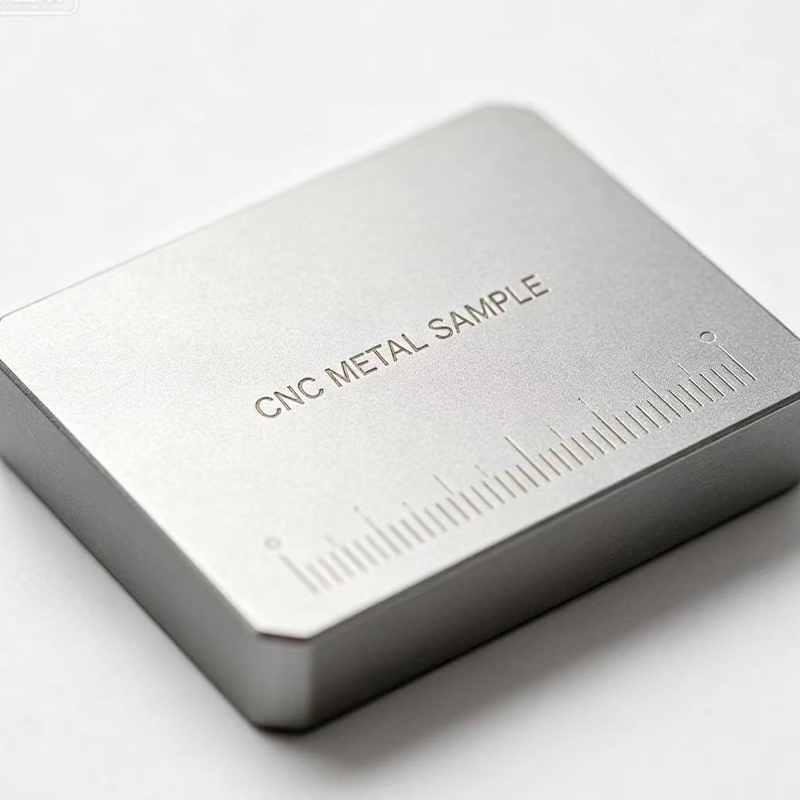
- Surface condition — as-machined finish, or routed to Grinding, Polishing & Sandblasting, anodizing, painting or laser marking.
- Marking and identification — part numbers, revision codes and traceability marks where the drawing calls for them.
- Batch structure — one-off prototype, pilot lot, or repeat production against a frozen drawing revision.
Quality Control and Acceptance
We run full-process inspection rather than a single end check. Raw material is inspected before it enters storage, semi-finished parts are sampled periodically during production to hold machining precision, and finished workpieces are dimensionally verified against the drawing tolerance and appearance standard before packing. Only parts that pass the final shipment check are released.
For projects that need documented acceptance, we agree the inspection items, sampling plan and report format at the quotation stage so the first article and the production lot are measured the same way. Design data is handled under project zoning, staff non-disclosure agreements and an isolated internal network.
Installation, Assembly and Downstream Fit
Milled parts are usually assembled into a larger system, so fit at the interface matters more than the isolated dimension. We review the mating components in the same assembly — a cast housing, a printed bracket, a turned shaft — and machine to the shared datum rather than to each drawing in isolation. Where a part pairs with a printed or cast component, we can produce both and control the fit between them.
Information We Use to Configure Your Solution
A milling quotation is only as good as the input. These are the items we work from when preparing a configuration and price.
| Input | Why we need it |
|---|---|
| 3D model and 2D drawing | Defines geometry, datums and which dimensions are critical |
| Material and grade | Sets cutting parameters, tooling and achievable surface finish |
| Tolerance and critical features | Determines machine selection and inspection method |
| Quantity and batch plan | Drives setup strategy and unit cost across the lot |
| Surface and finish requirement | Sequences finishing after machining and protects critical faces |
| Assembly context and mating parts | Allows fit control against the real interface |
| Inspection and documentation needs | Sets the acceptance plan agreed before production |
Maintenance, Spares and Repeat Orders
Milled parts are generally maintenance-light, but wear surfaces, threaded interfaces and sealing faces do degrade in service. We keep the production record for each part — material batch, drawing revision, machining route and inspection result — so a replacement or a revised lot can be produced against the same baseline. After-sales follow-up covers usage problems and re-production demands, and design optimization suggestions are available early in a project to reduce downstream production cost.
Related Capabilities in Our Range
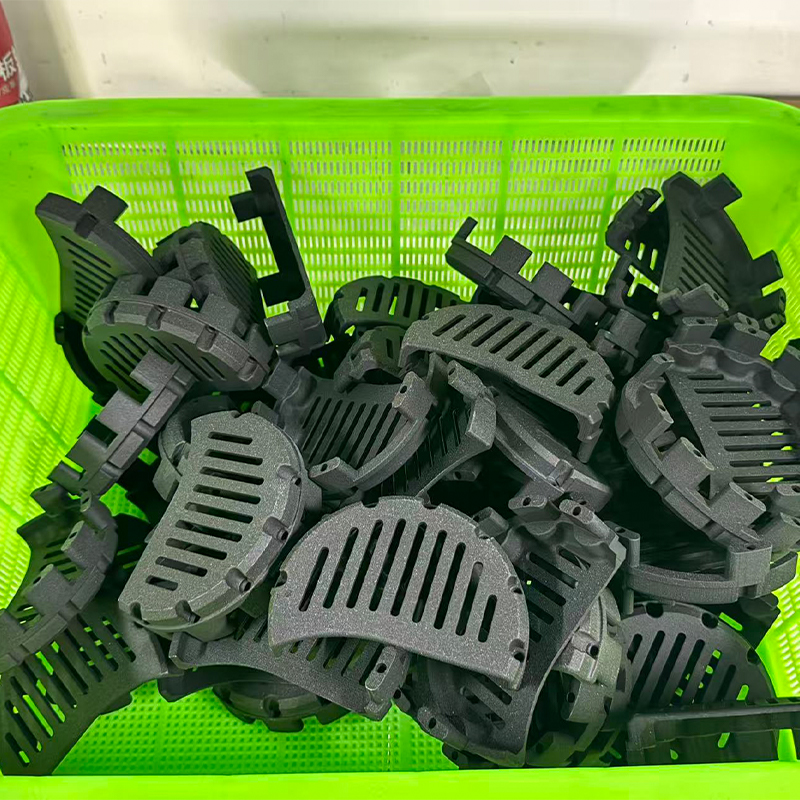
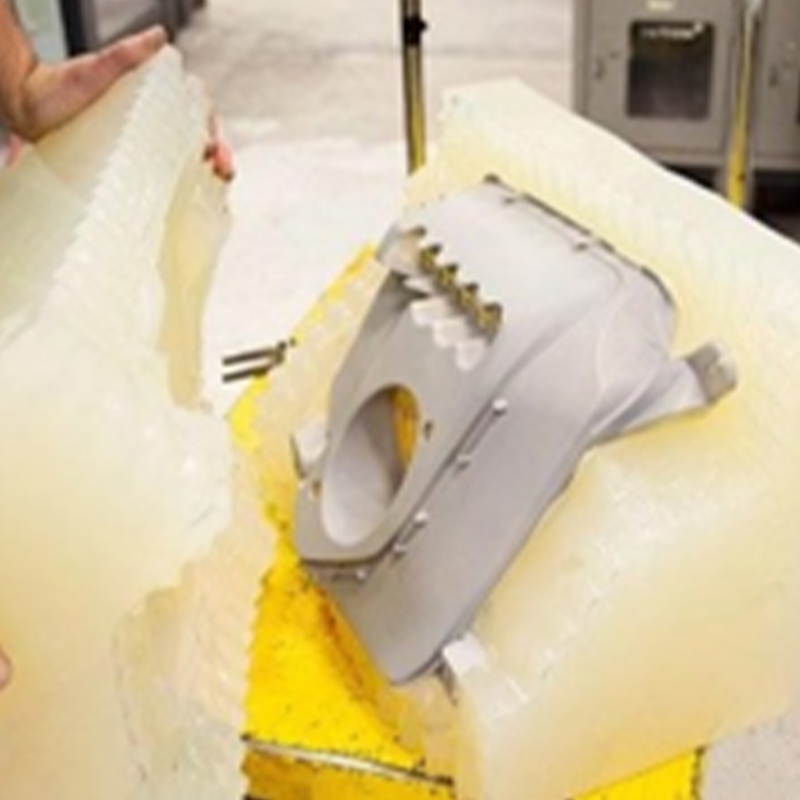
Milling is one route within our Products range. Where a project needs a different process, we produce it in the same workshop: resin, nylon and metal 3D printing for early geometry, vacuum casting and compression molded silicone parts for low-volume replication, and surface finishing for appearance and protection. That combination lets a program move from concept model to machined functional prototype to a small production batch without re-sourcing.
Frequently Asked Questions
What tolerance can Jiaheng hold on milled parts?
We hold tolerances up to 0.1 mm on our CNC milling work. Tighter or non-standard requirements are reviewed against the specific feature, material and geometry before we confirm feasibility in the quotation.
Which materials can you machine?
Aluminum alloys 6061, 5052, 2A12 and 7075; stainless steels 303, 304, 316, 316L, 420, 430, 17-4PH and 301; alloy steels Q235, 45#, Cr12, 3Cr13, GCr15, 40Cr, 65Mn and SKD11; and over 30 engineering plastics including ABS, PTFE, POM, bakelite, PMMA, PPS, PU, PC, PEEK, PP, PVC, FR4, HDPE, LDPE and PA6.
Can you machine complex surfaces and undercuts?
Yes. Our 4-axis and 5-axis machining centers complete complex surfaces, undercuts and multi-face features in one process, which avoids the error introduced by re-fixturing a part across separate operations.
Do you handle both prototypes and repeat batches?
We accept custom orders of all batch sizes — single prototype samples, pilot lots and repeat production. The machining route and inspection plan are set according to the batch size and the critical features of the part.
How is quality verified before shipment?
Raw material is inspected before storage, semi-finished parts are sampled during production, and finished parts are dimensionally and visually verified against the drawing before packing. Only parts that pass the final shipment check are released.
How do I get a milling quotation?
Send the 3D model and 2D drawing, material and grade, tolerance and critical features, quantity, surface finish requirement and any inspection or documentation needs. We review the geometry and return a configuration and price based on the actual working point.


