



 English
 Español








Vacuum Casting Manufacturer for Silicone Mold Urethane Parts
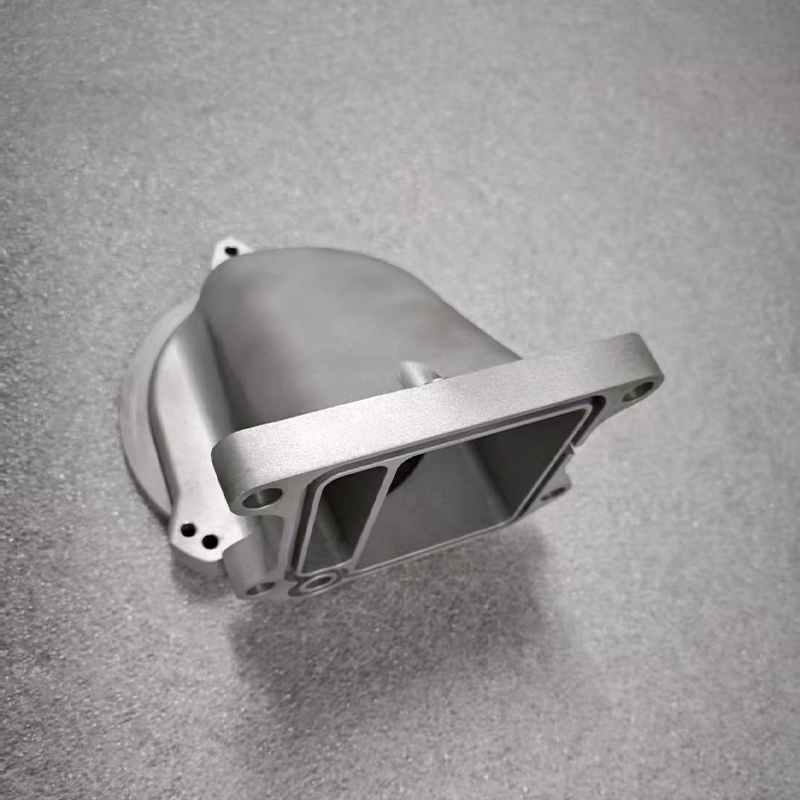
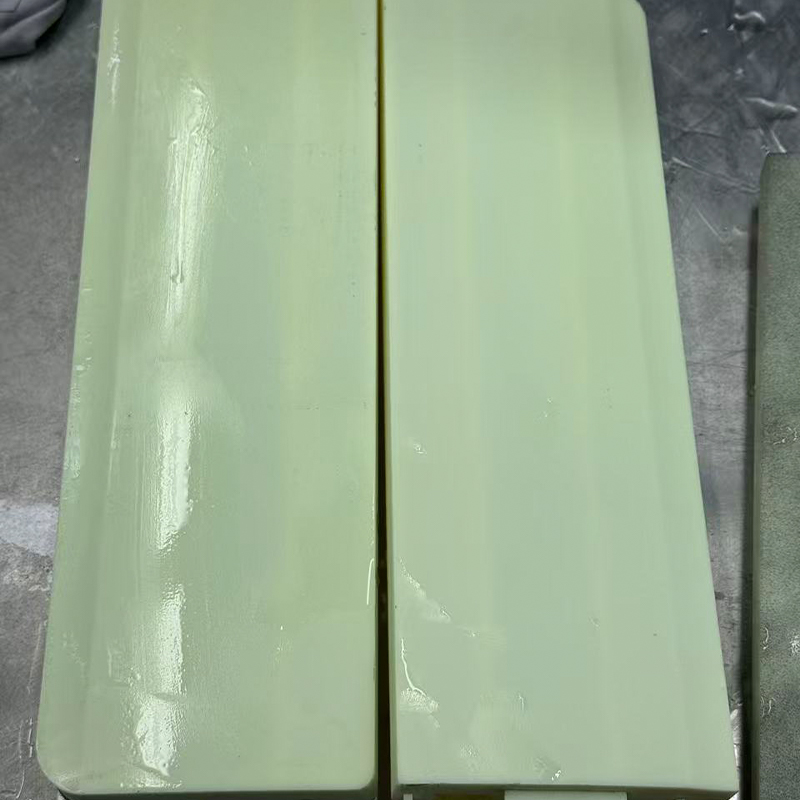
Zhejiang Jiaheng Intelligent Equipment Manufacturing Co., Ltd. is a China vacuum casting manufacturer producing polyurethane parts in silicone molds under vacuum. We cast ABS-like, PP-like and rubber-like materials for low-volume prototypes, market-testing batches and pre-production validation.
Our Vacuum Casting route starts from a 3D printed or CNC machined master model, so the same geometry can move from prototype to a small production run without steel tooling. A single silicone mold typically replicates 15–25 high-precision parts.
How the Vacuum Casting Process Works
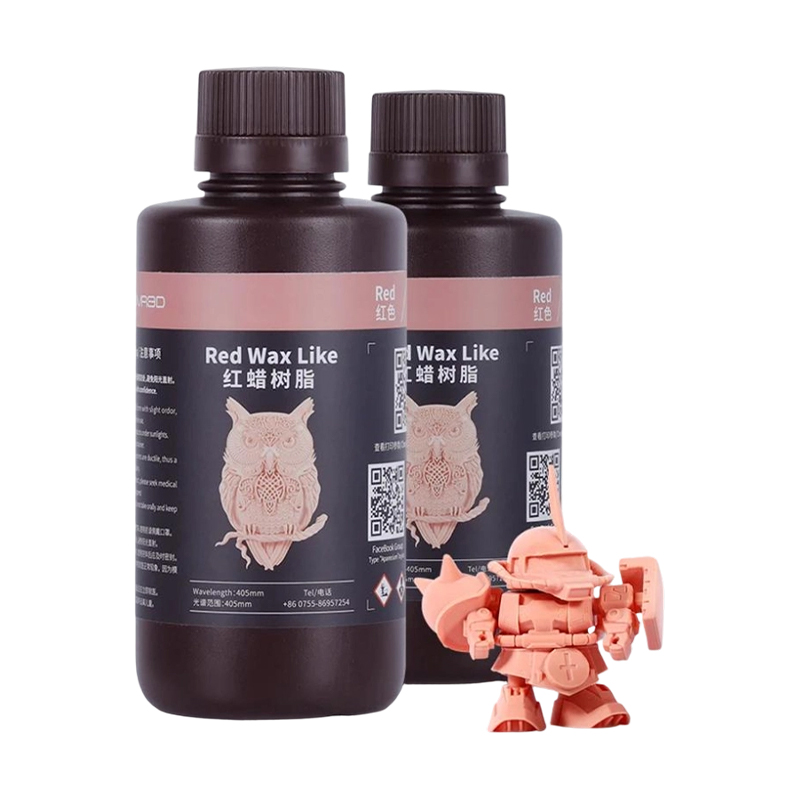
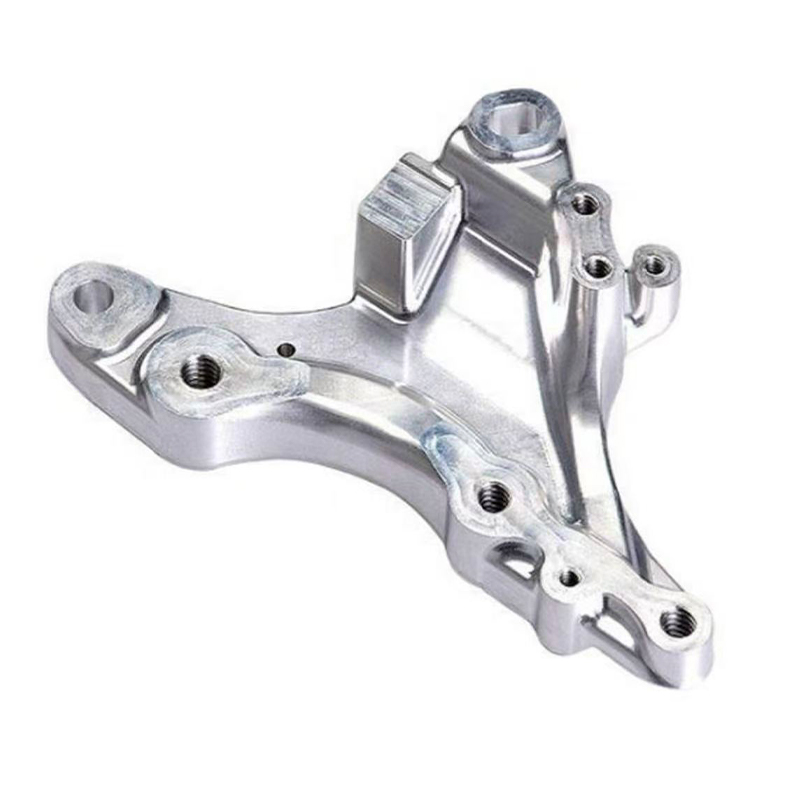
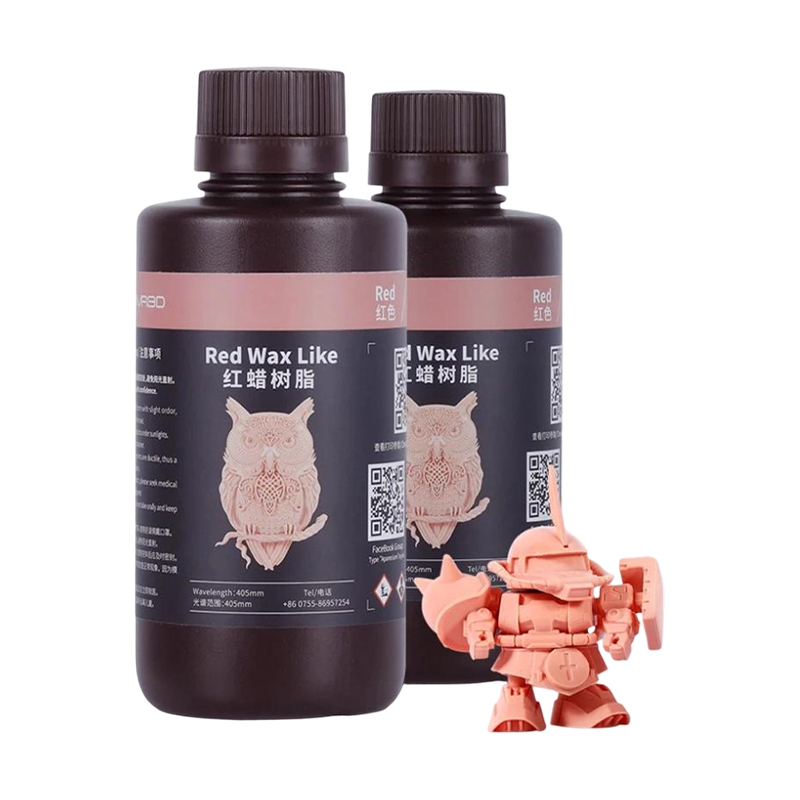
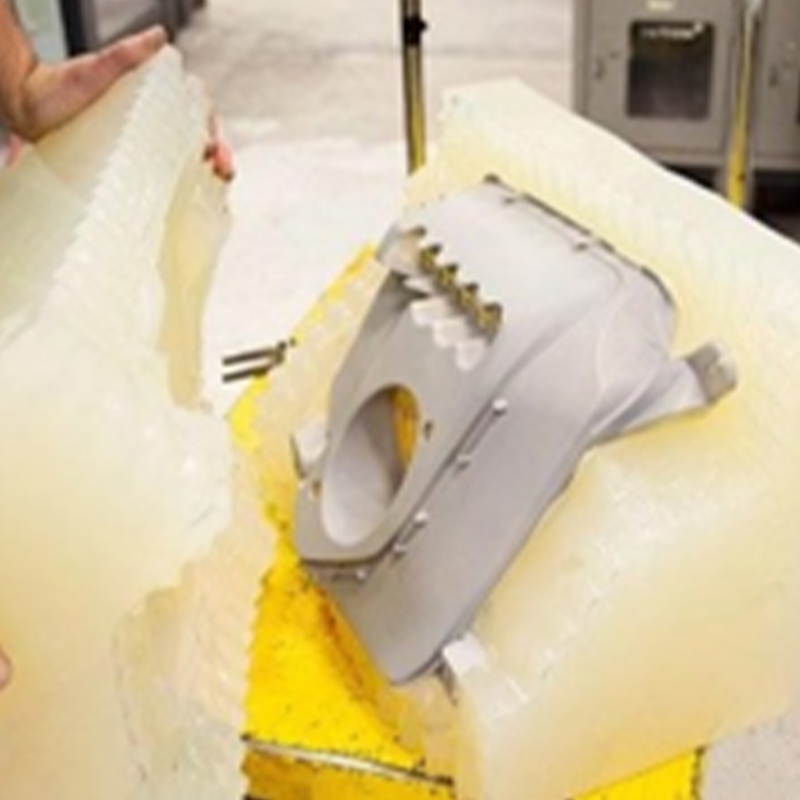
We build the master model by SLA Resin 3D Printing Service or by CNC machining when the master needs a harder, smoother surface. The master is suspended in a silicone block, the mold is cut and the cavity is filled with degassed polyurethane resin under vacuum, which removes bubbles and reproduces injection-molding-grade surface quality.
- Master model: 3D printed resin, CNC machined plastic or metal
- Mold: silicone block, cut and reassembled around the master
- Casting: vacuum or low-pressure injection of degassed polyurethane
- Finishing: trimming, sanding, painting, coating, printing or laser engraving
Our Vacuum Casting Material Range
Material selection is the main decision in a vacuum casting project. We hold three established urethane families and match them to the mechanical and cosmetic requirement of the part.
| Material | Behavior | Typical Fit |
|---|---|---|
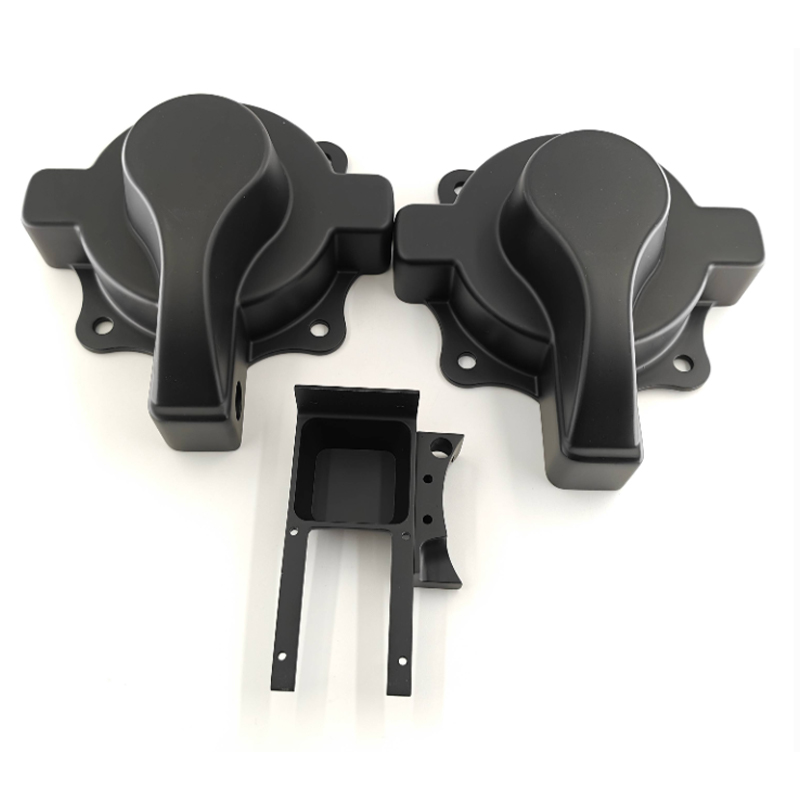
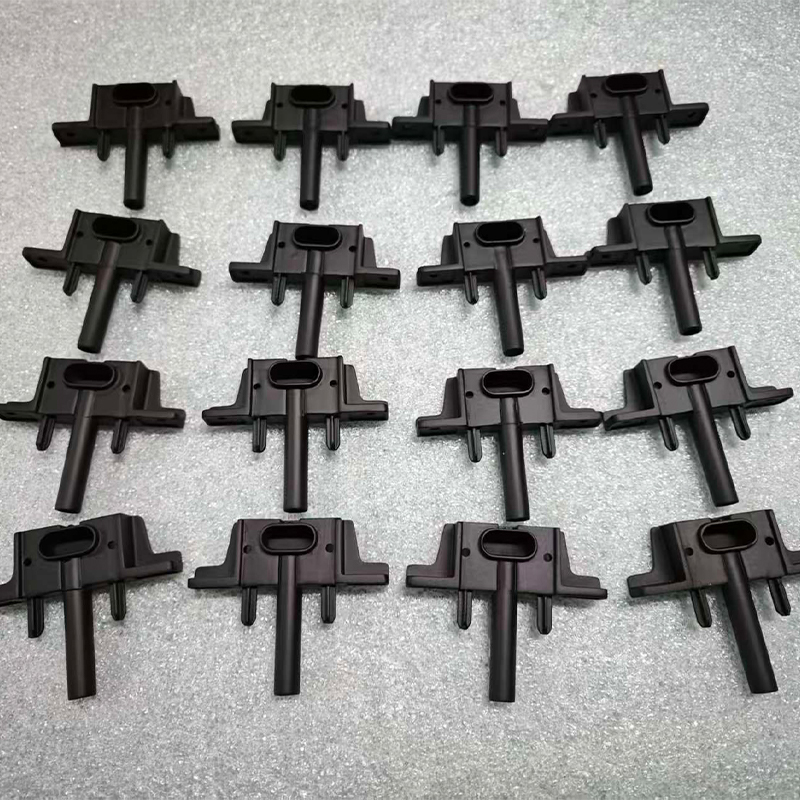
| ABS-Like Material | Rigid, impact-resistant, reproduces ABS injection-molded feel | Housings, enclosures, brackets, functional prototypes |
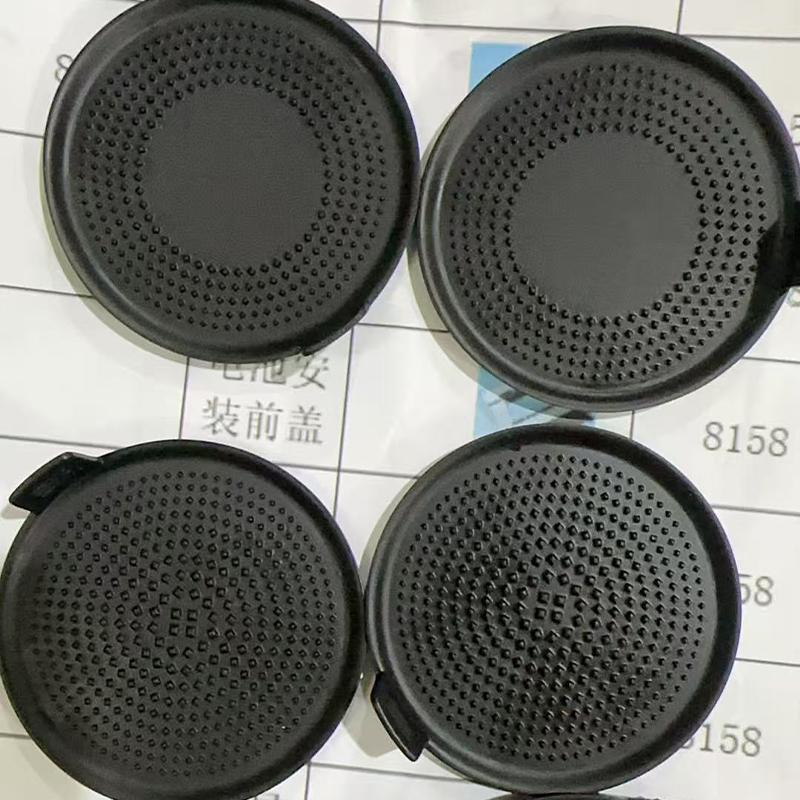
| PP-Like Material | Semi-flexible, fatigue-resistant, close to PP molded parts | Living hinges, clips, snap-fit covers, wearable parts |
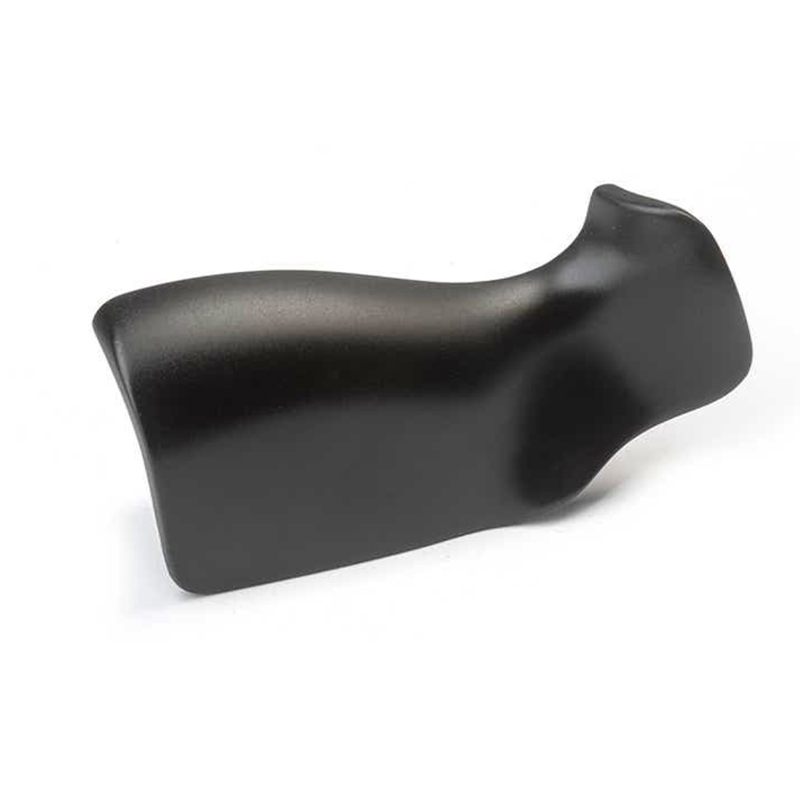
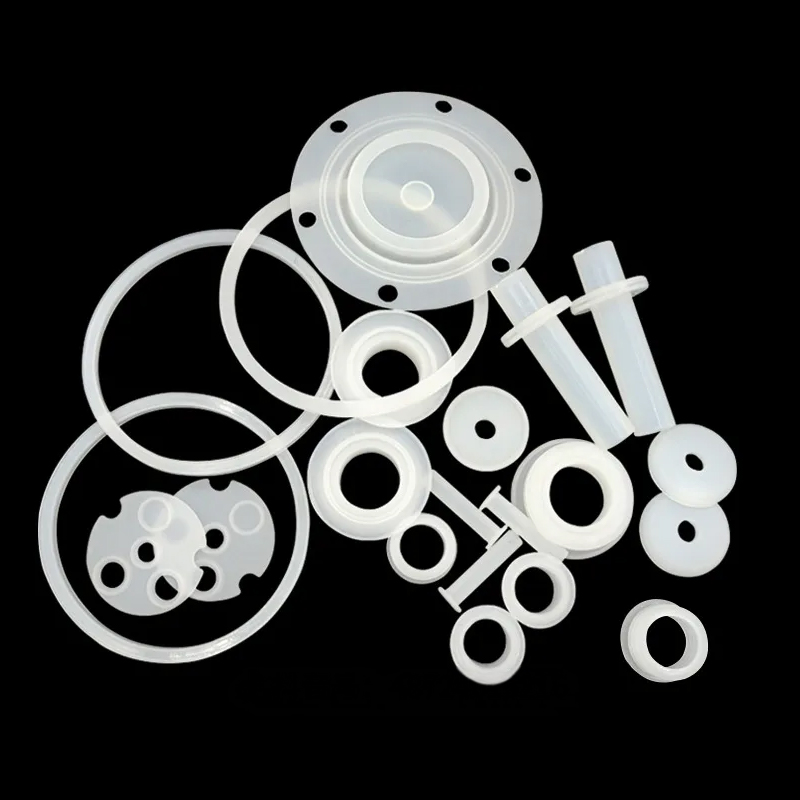
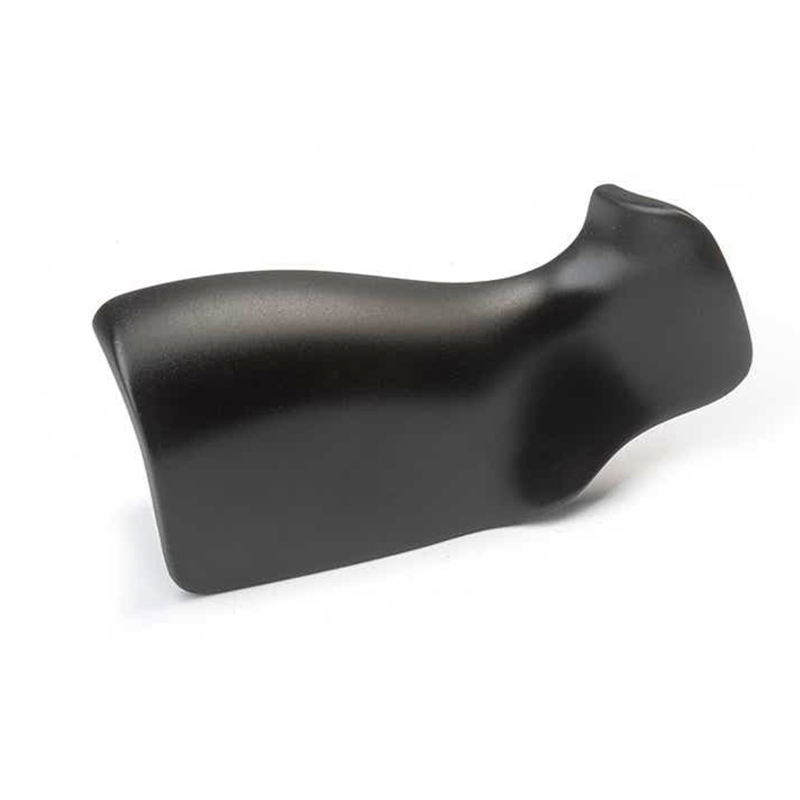
| Rubber-Like Material | Flexible, elastic, rubber feel after casting | Gaskets, grips, seals, overmold-style soft components |
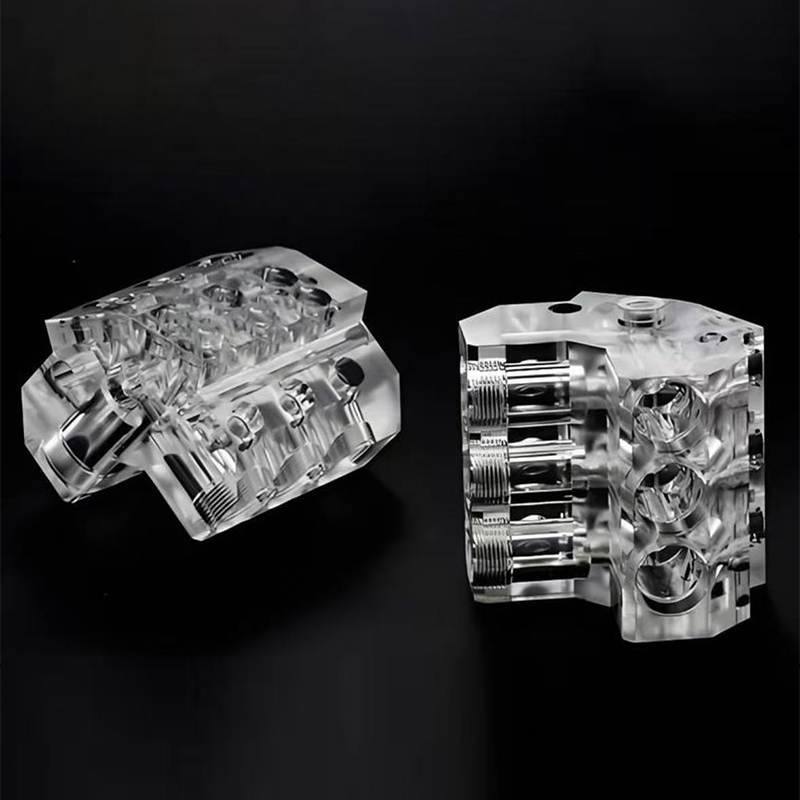
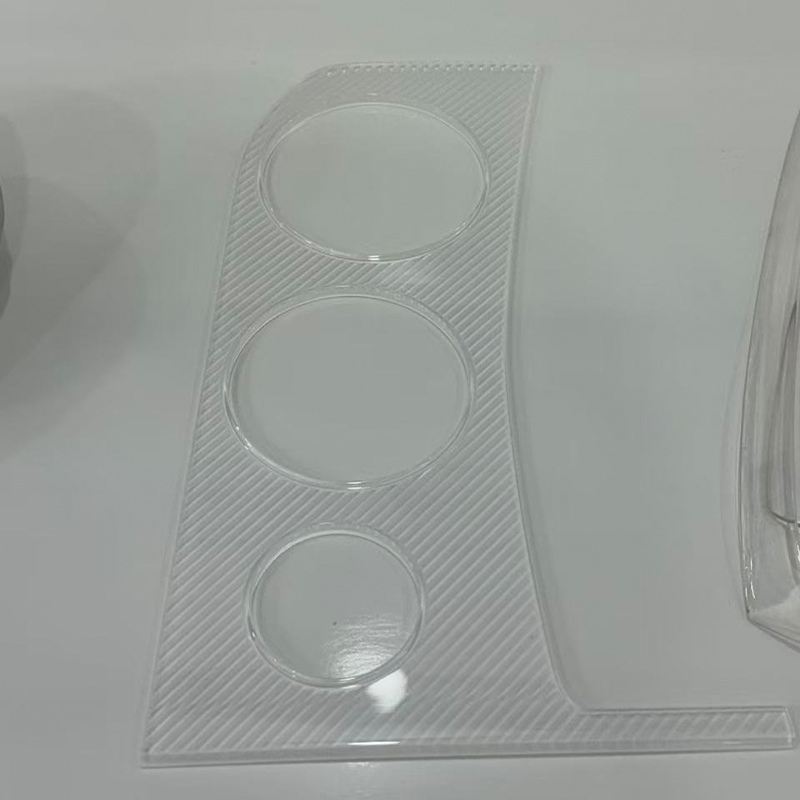
Where a project needs a soft-touch or high-gloss cosmetic surface, we apply Soft Coating & Hard Coating after casting. Transparent and semi-transparent lenses or light guides are produced with dedicated transparent casting materials and polishing.
Specifications That Define a Casting Project
The proposal we return is built around the working point of the part, not a generic catalog number. These are the variables we confirm before quoting.
- Part size and wall thickness — determines mold block size and casting flow
- Material family — ABS-like, PP-like or rubber-like, plus color and hardness target
- Surface finish — texture, gloss level, paint, coating or printing
- Quantity — mold life is typically 15–25 shots, so batch size drives mold count
- Tolerance and fit — critical dimensions, mating parts and assembly checks
- Cosmetic standard — visible faces, color match and acceptance criteria
Where Vacuum Casting Fits in a Product Program
Vacuum casting sits between prototype printing and injection molding. It is the right route when a design is close to frozen, several identical parts are needed for testing, and steel tooling is not yet justified.
- Design verification and fit-and-function builds
- Market-testing and pre-production validation batches
- Bridge production while hard tooling is being cut
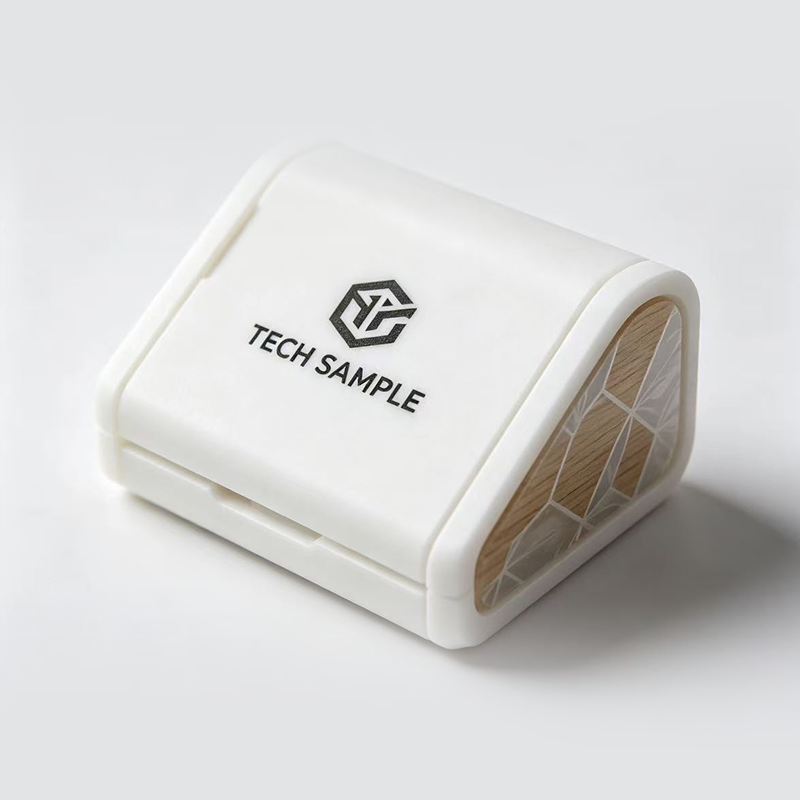
- Custom enclosures, covers, handles and wearable housings
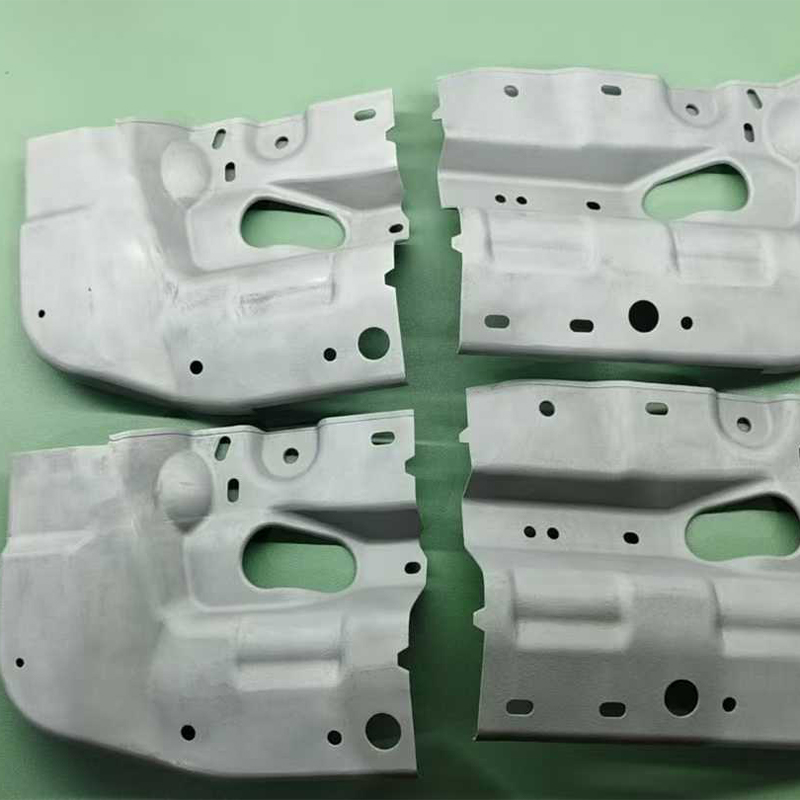
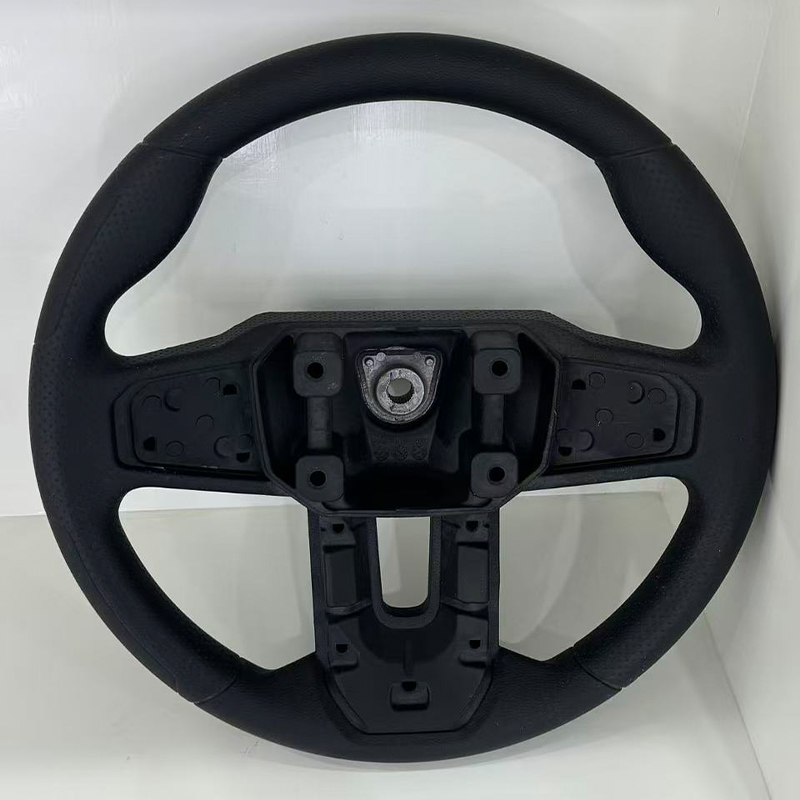
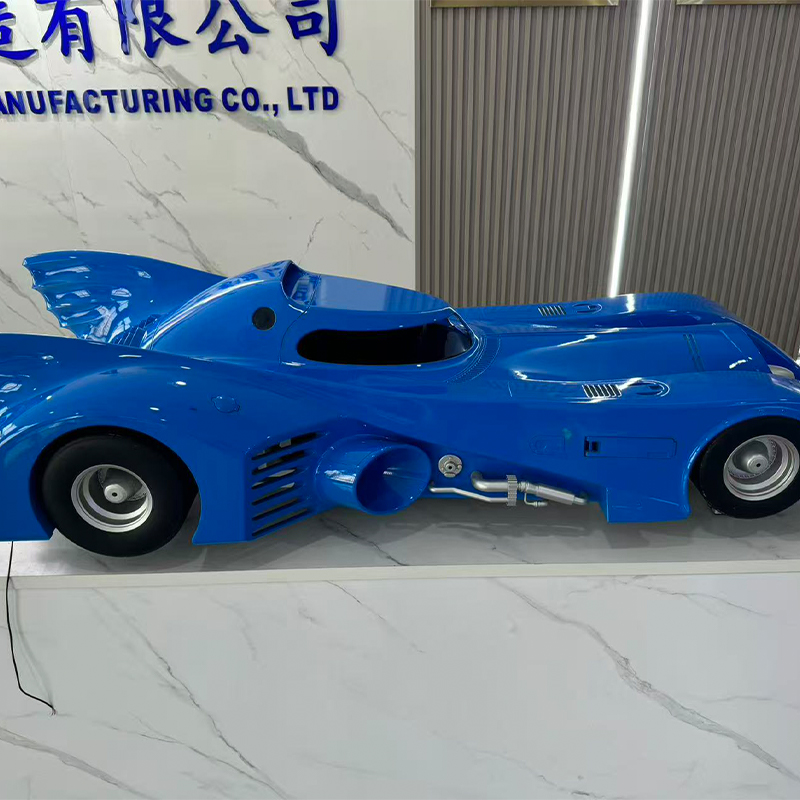
- Automotive interior and exterior validation parts
For parts that will ultimately be molded, we can also produce Compression Molded Silicone Parts when the requirement is a true silicone component rather than a urethane cast.
Finishing, Color and Assembly
Cast parts leave the mold with a seam line and sprue. We trim, sand and prepare the surface before any cosmetic operation, then apply the finish specified for the program.
- Painting and coating in matte or glossy finish
- Decal and silk screen printing for graphics and branding
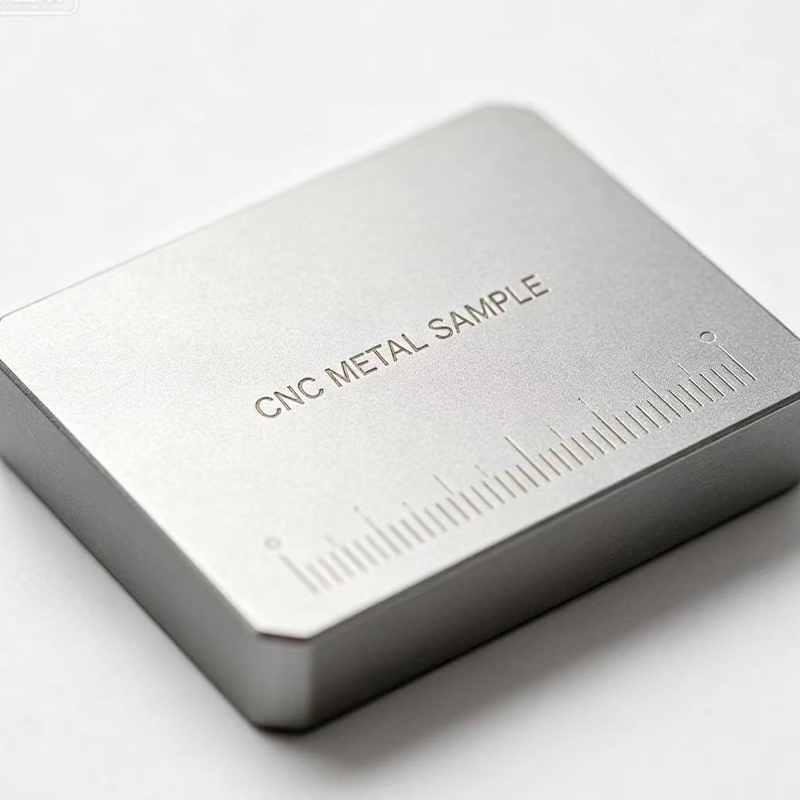
- Laser engraving for permanent marks
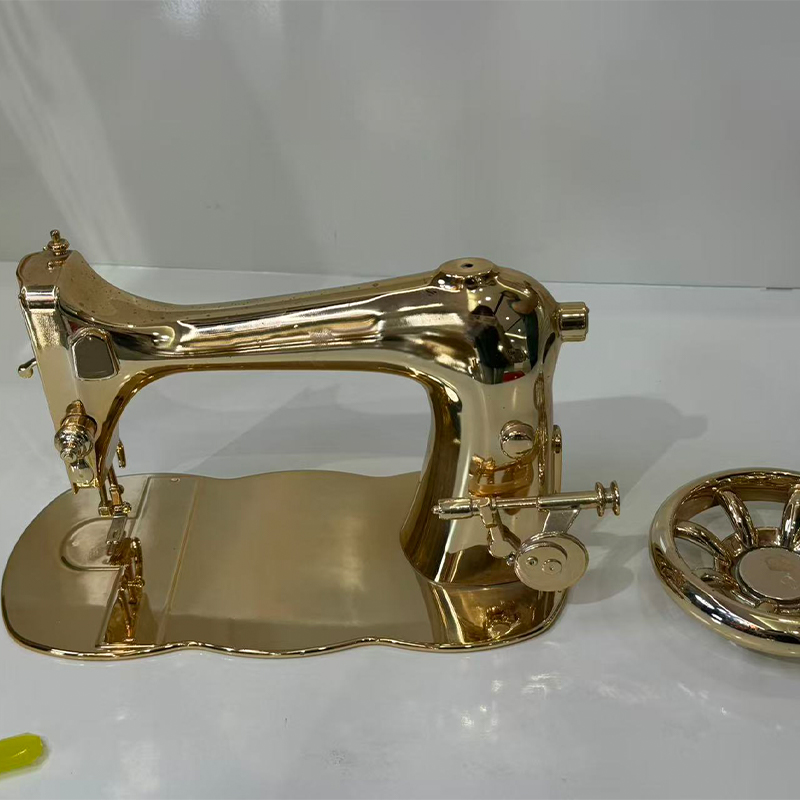
- Electroplating and anodizing-look finishes on cast substrates
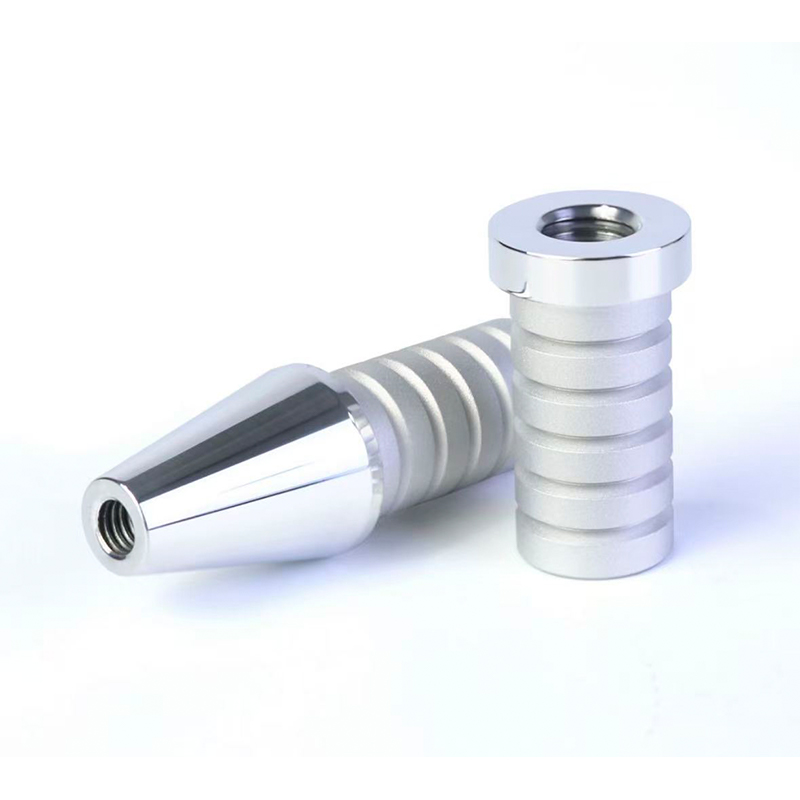
- Grinding, polishing and sandblasting for texture control
Quality Control and Acceptance
We run full-process inspection: incoming raw material check, in-process sampling during casting and finishing, and final dimensional and appearance verification before packing. Each customized workpiece is inspected against the dimensional tolerance and appearance standard agreed for the project.
- Raw material inspection before storage
- Periodic sampling during production
- Final shipment check on dimensions and cosmetics
- Project zoning and NDA-protected data handling
Information We Use to Configure Your Solution
Send the 3D file and the following project data, and we will return a casting route, material recommendation and quotation.
- STEP, STL or IGES model with the latest revision
- Target quantity and whether the batch may repeat
- Material behavior required (rigid, semi-flexible, rubber-like)
- Color, gloss level and texture reference
- Critical dimensions and mating components
- Assembly, insert or hardware requirements
- Delivery destination and required date
Frequently Asked Questions
How many parts can one silicone mold produce?
A single silicone mold typically replicates 15–25 high-precision parts. For larger batches we build multiple molds from the same master so the parts stay consistent across the run.
Which material should I choose for my part?
Choose ABS-like for rigid, impact-resistant housings and brackets, PP-like for semi-flexible parts with living hinges or snap fits, and rubber-like for gaskets, grips and seals. We confirm the grade against the mechanical and cosmetic requirement before casting.
Can cast parts match an injection-molded appearance?
Yes. Vacuum degassing removes bubbles and the silicone cavity reproduces fine detail, so cast parts reach injection-molding-grade surface quality. Painting, coating, printing and laser engraving are applied afterward to match the specified finish.
What file formats do you accept for a quotation?
Send STEP, STL or IGES files together with quantity, material behavior, color, critical dimensions and delivery date. We review the model for casting feasibility and return the mold plan, material recommendation and price.
Do you support transparent and soft-touch parts?
We cast transparent and semi-transparent parts with dedicated materials and polishing, and apply soft coating or hard coating where a soft-touch or scratch-resistant surface is required.
How is my design data protected?
Projects are handled under zoning management in closed workshops, staff sign non-disclosure agreements, and drawing files are kept on an isolated internal network. Your models and product data are not transmitted externally without authorization.


