



 English
 Español








Industrial 3D Printing Services from Jiaheng
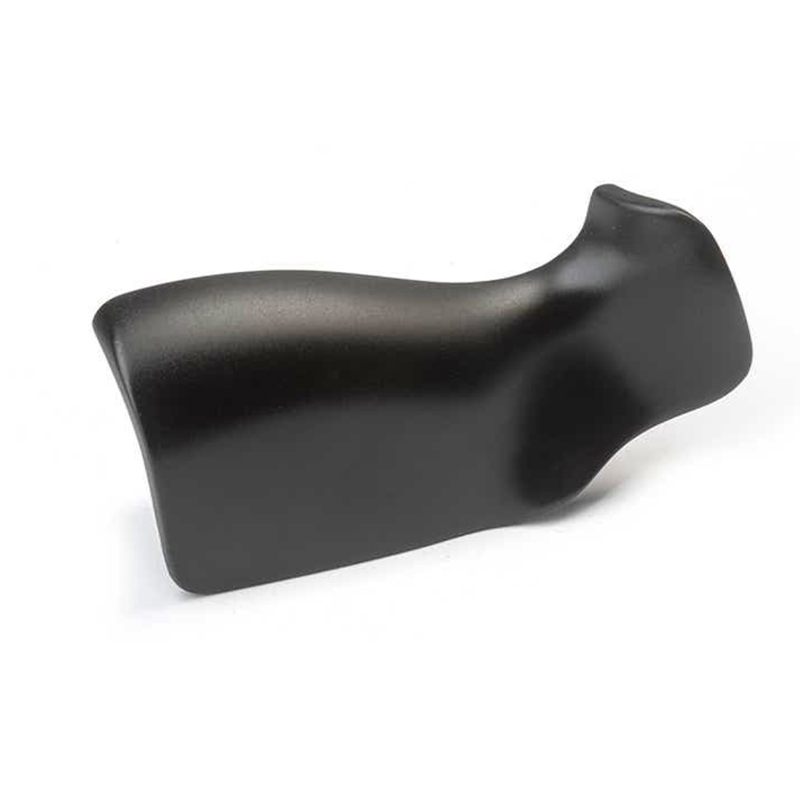
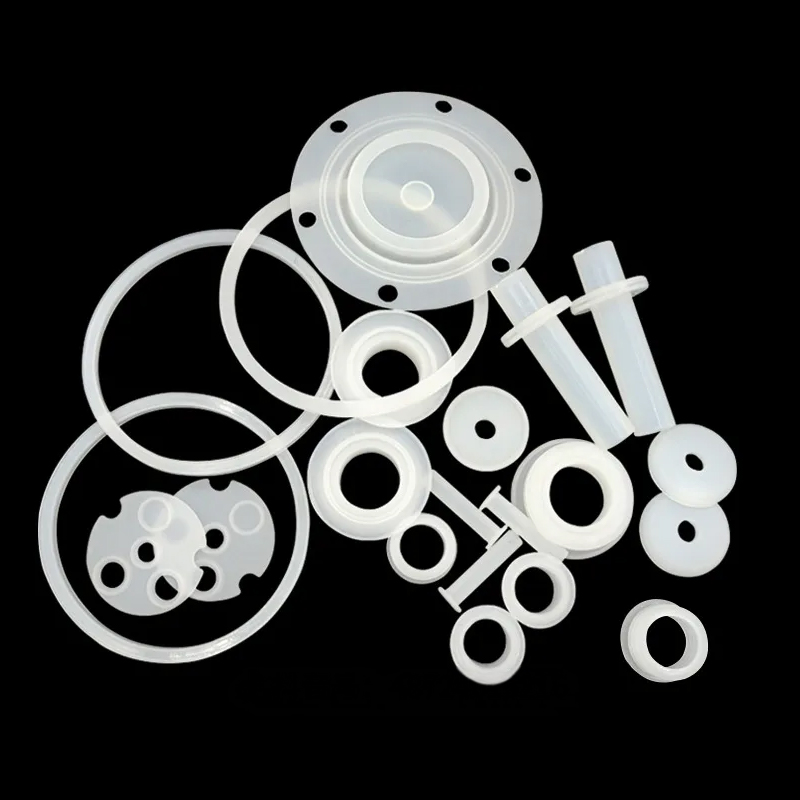
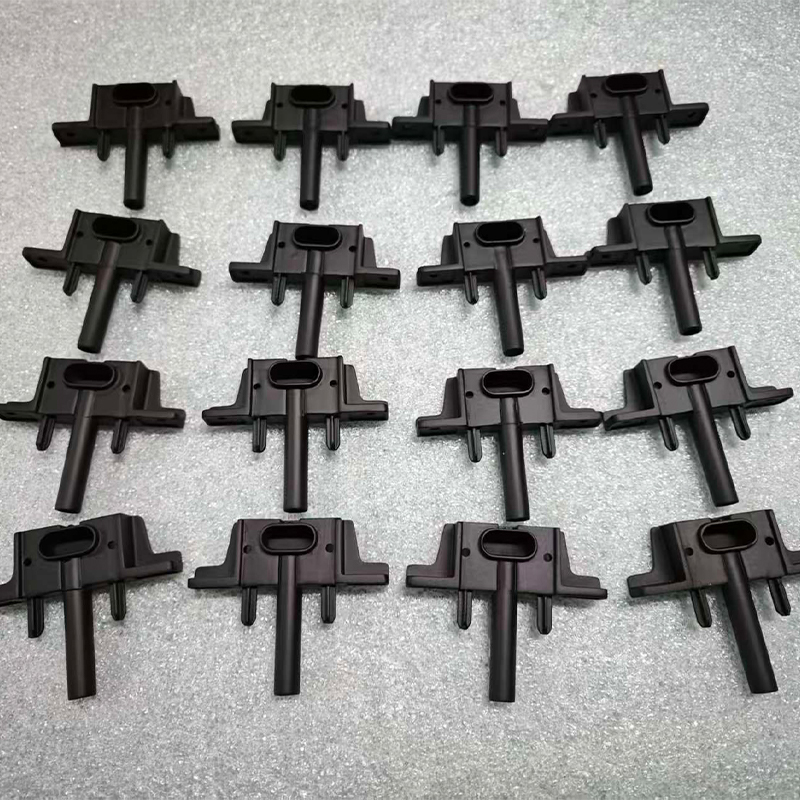
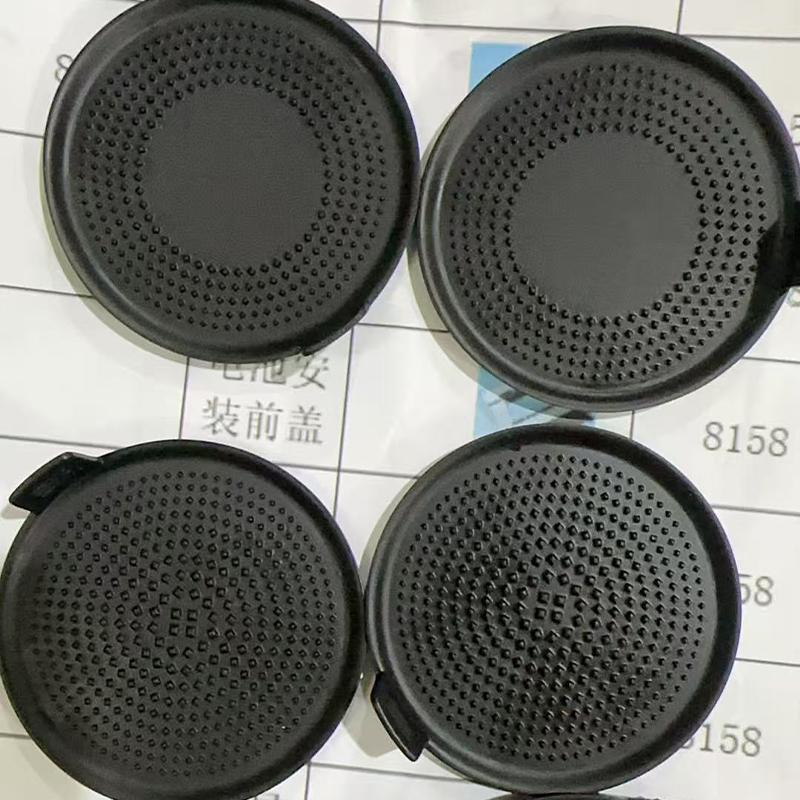
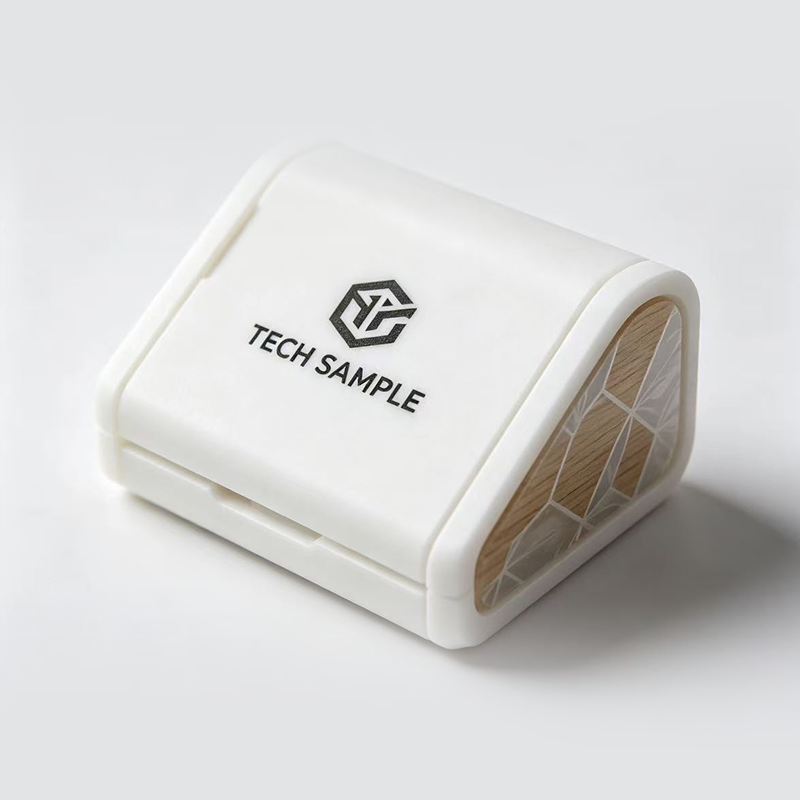
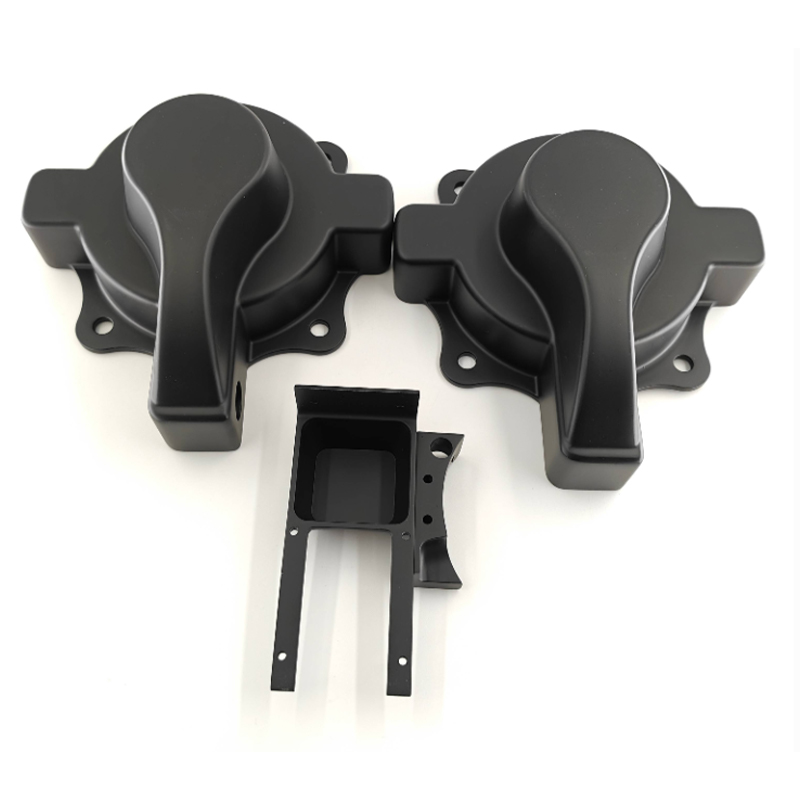
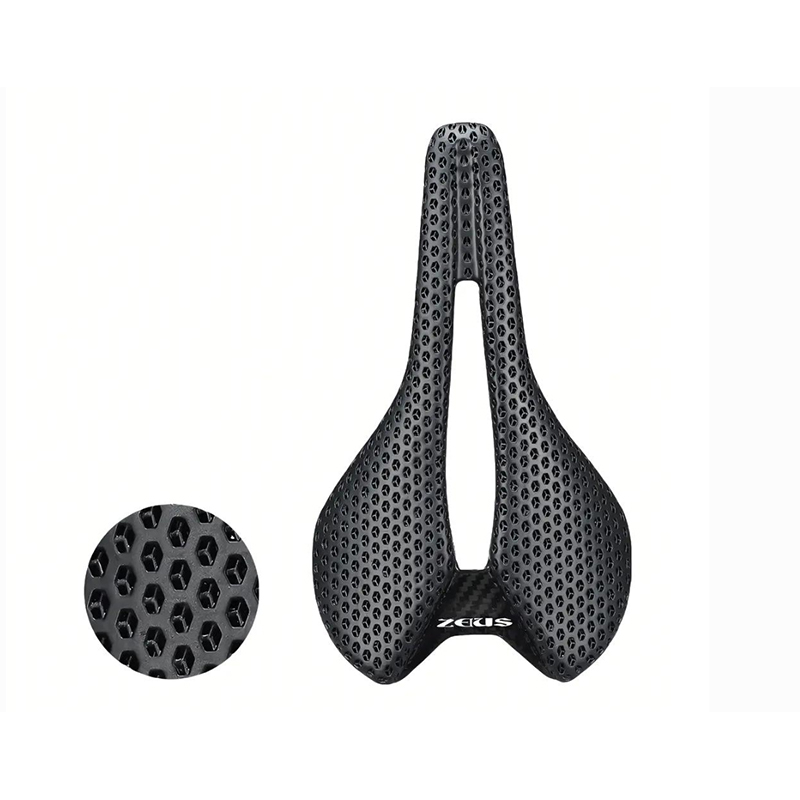
Zhejiang Jiaheng Intelligent Equipment Manufacturing Co., Ltd. is a China 3D printing services manufacturer running resin, nylon, metal and composite processes under one roof in Pinghu, Jiaxing. Our 3D Printing Services cover SLA photocuring, DLP, SLS nylon, SLM metal and FDM plastic, so a project can move from concept model to functional part without changing suppliers.
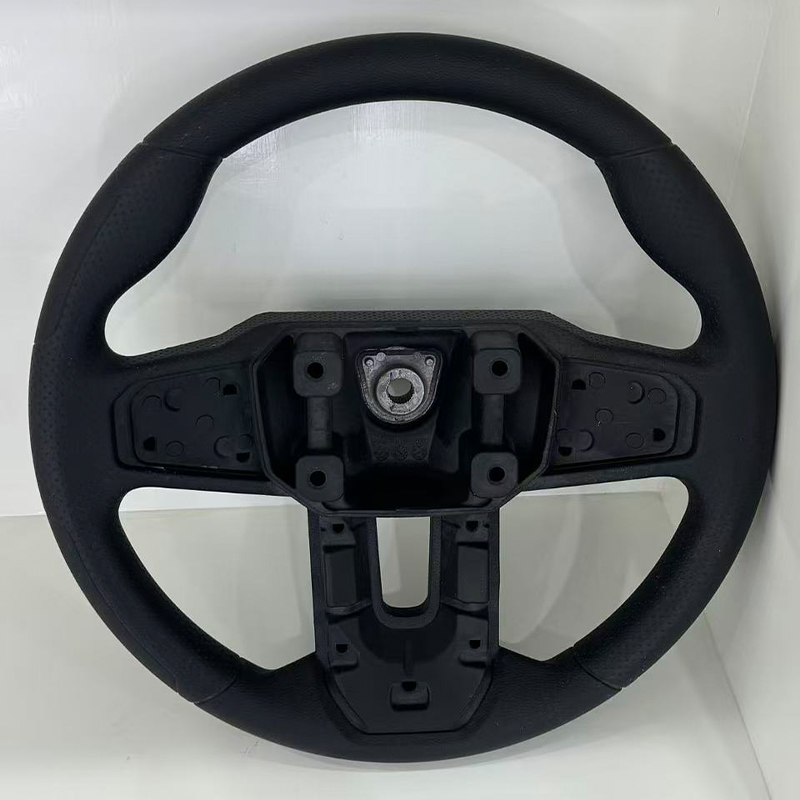
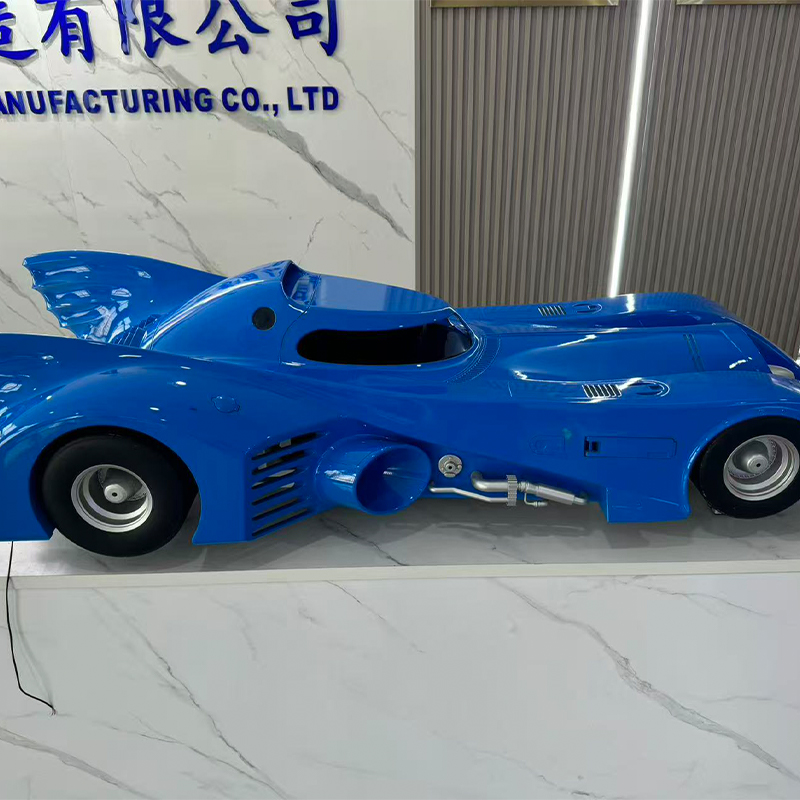
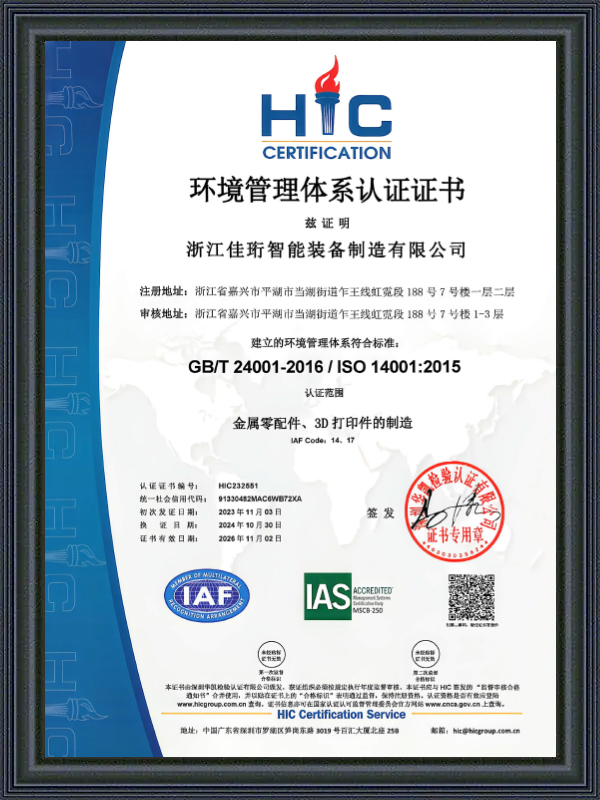
We build prototypes, appearance models, jigs, master patterns and small-batch functional parts for automotive design, consumer electronics, UAV and eVTOL, robotics and medical rehabilitation projects. Equipment scale reaches a maximum single-piece build size of 1.7 × 0.8 × 0.65 meters, and our quality system is ISO 9001 certified.
Our 3D Printing Range and Where Each Process Fits
Each process in our range answers a different combination of surface finish, mechanical load, temperature and geometry. We select the route from the part function, not from a single preferred machine.
| Process | Typical Materials | Best-Fit Parts | Application Notes |
|---|---|---|---|
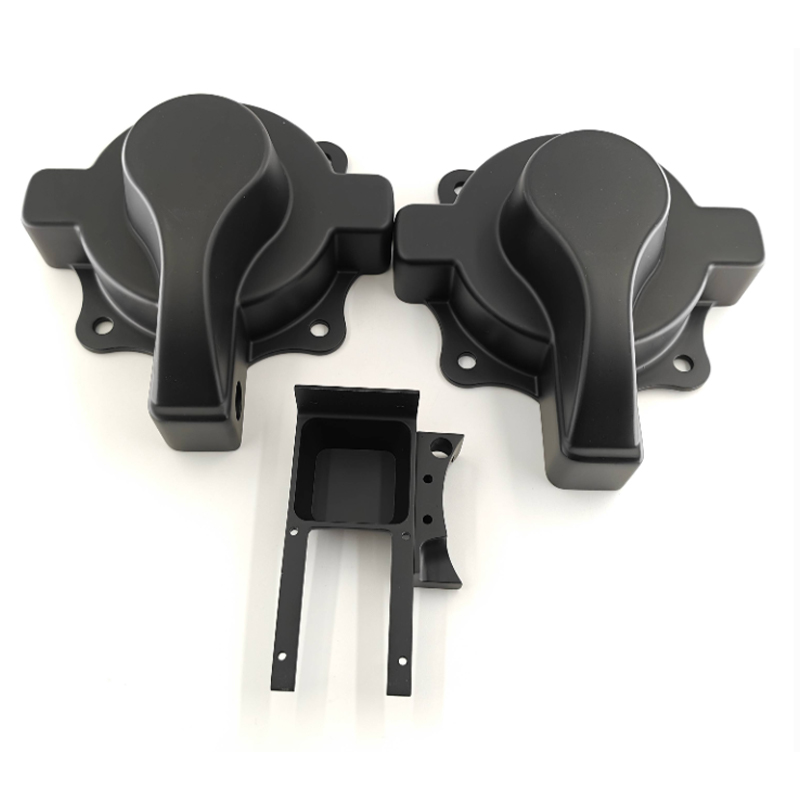
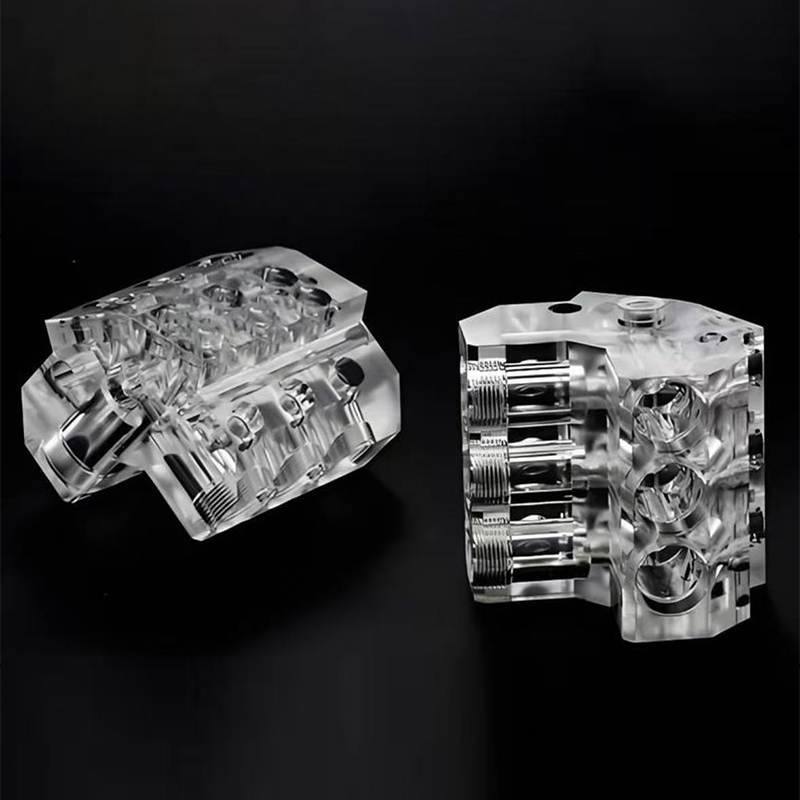
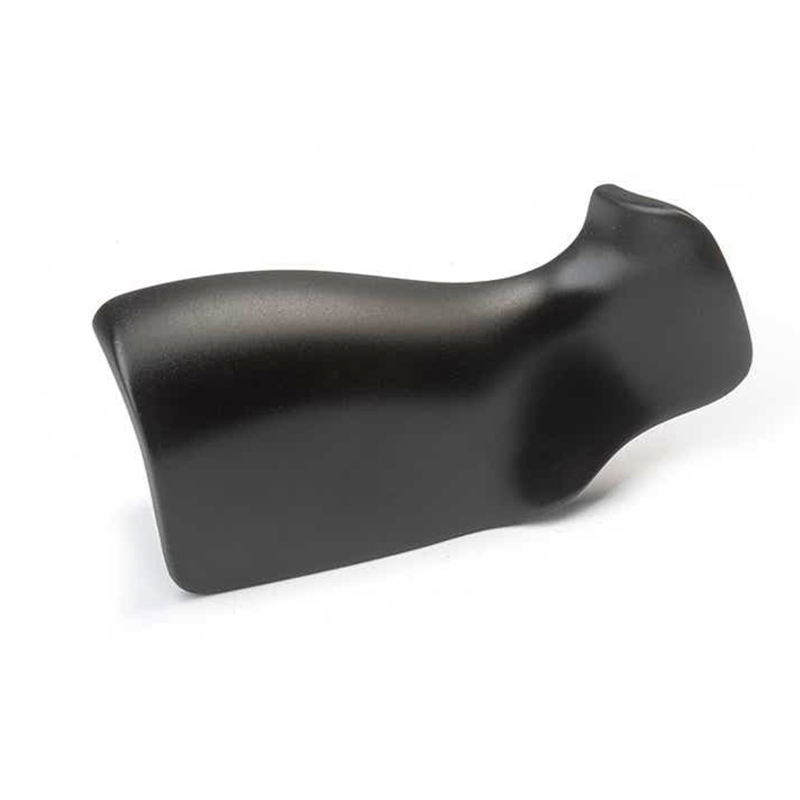
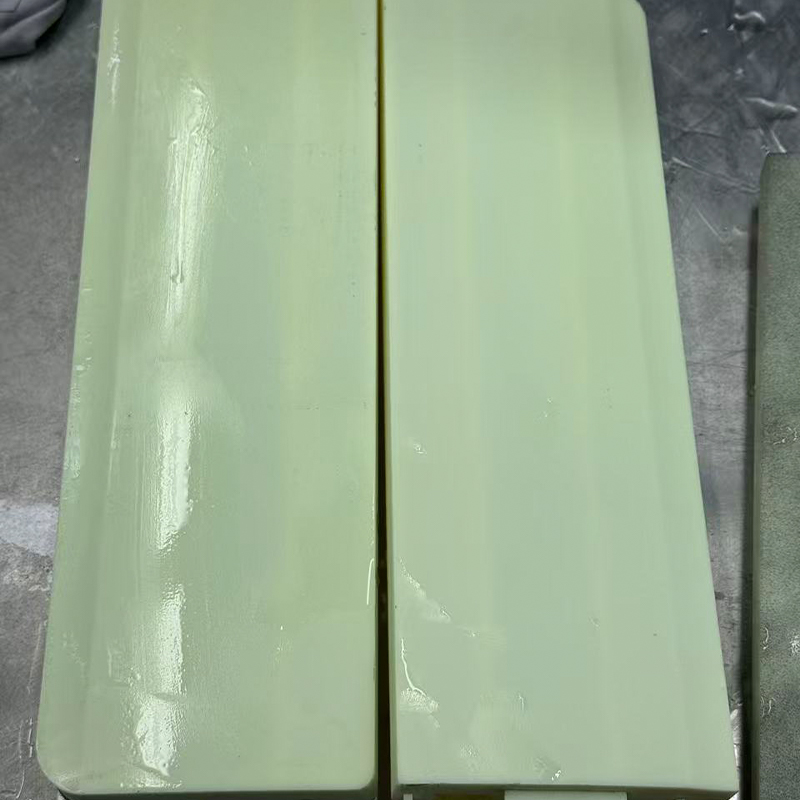
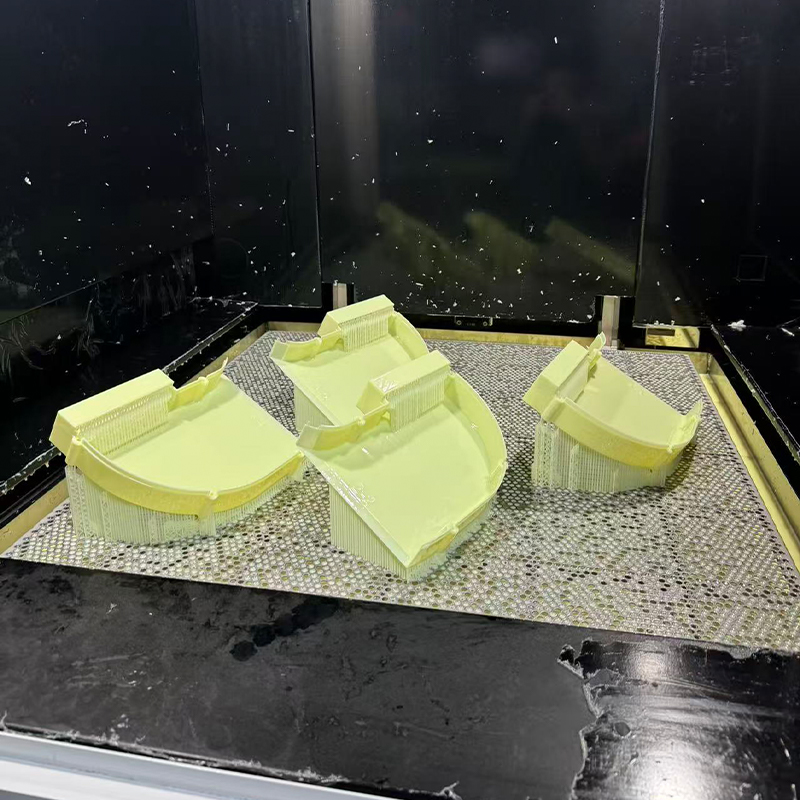
| SLA Resin 3D Printing Service | Off-white, black, transparent, flexible, yellow ABS-like resin | Appearance prototypes, concept models, silicone mold masters | Smooth surfaces and fine detail; wide size coverage up to 1.7 × 0.8 × 0.65 m |
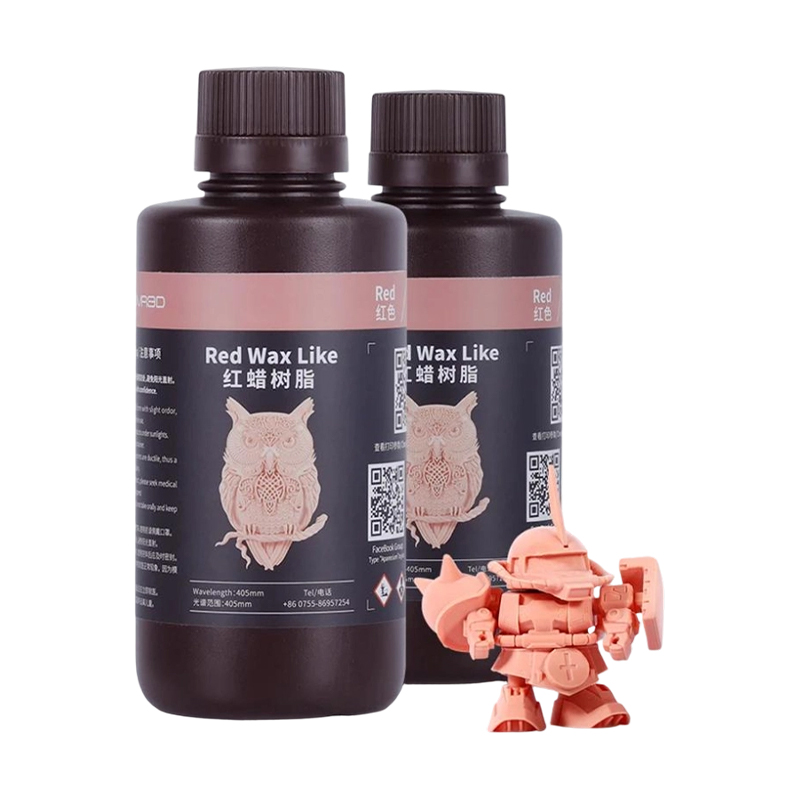
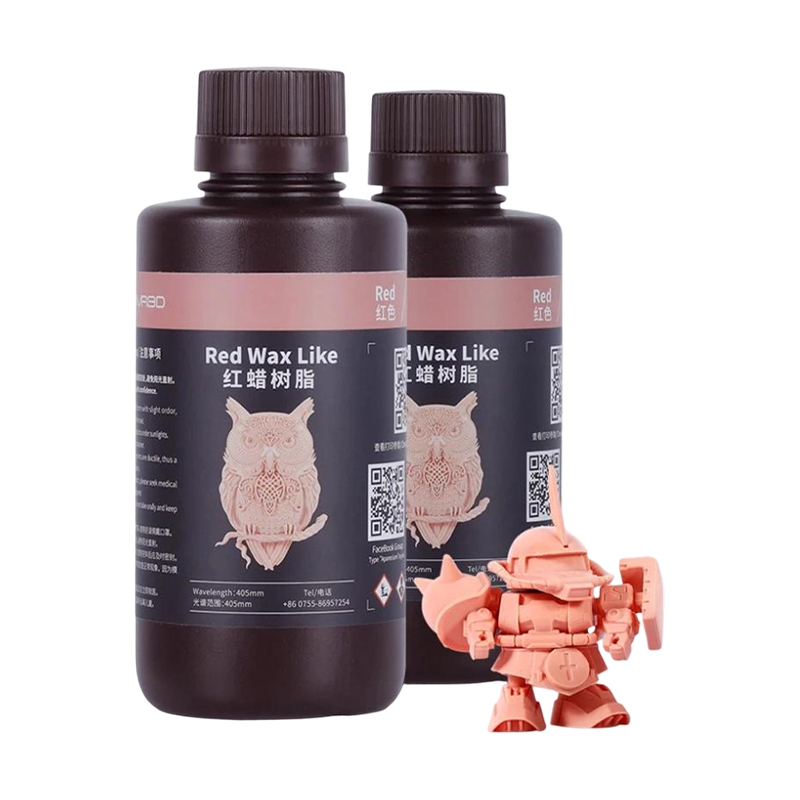
| DLP Resin 3D Printing Service | Red wax casting resin and fine-detail resins | Jewelry, figurines, dental models, small precision parts | Full-layer exposure gives fast build speed and very fine texture reproduction |
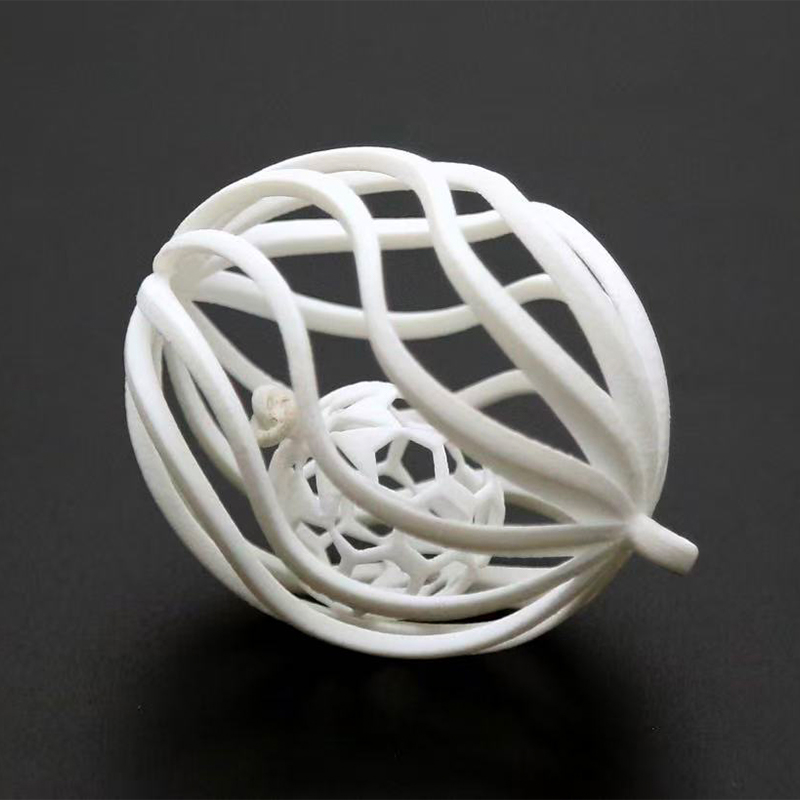
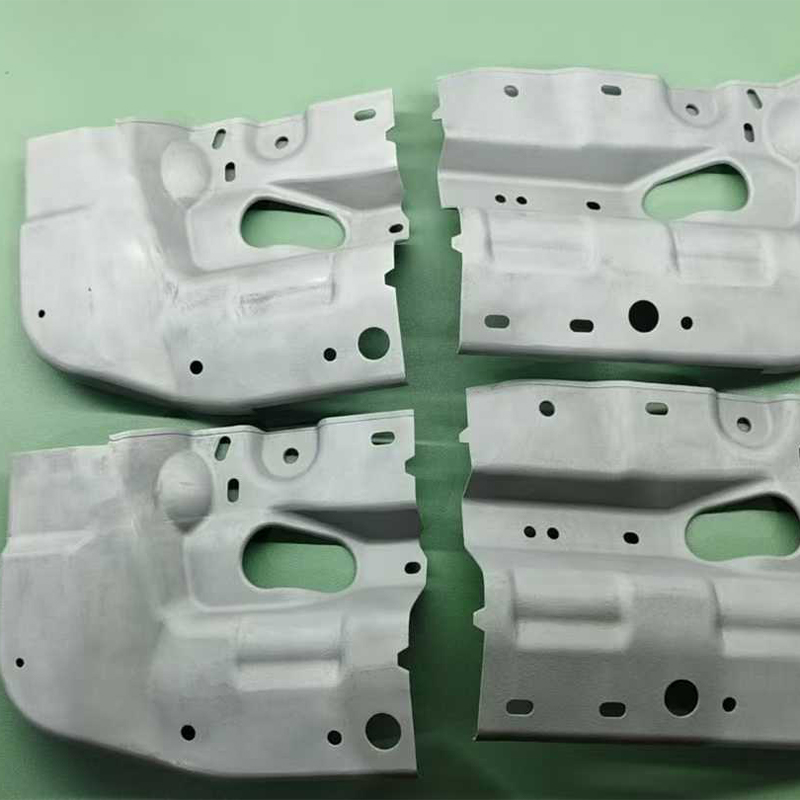
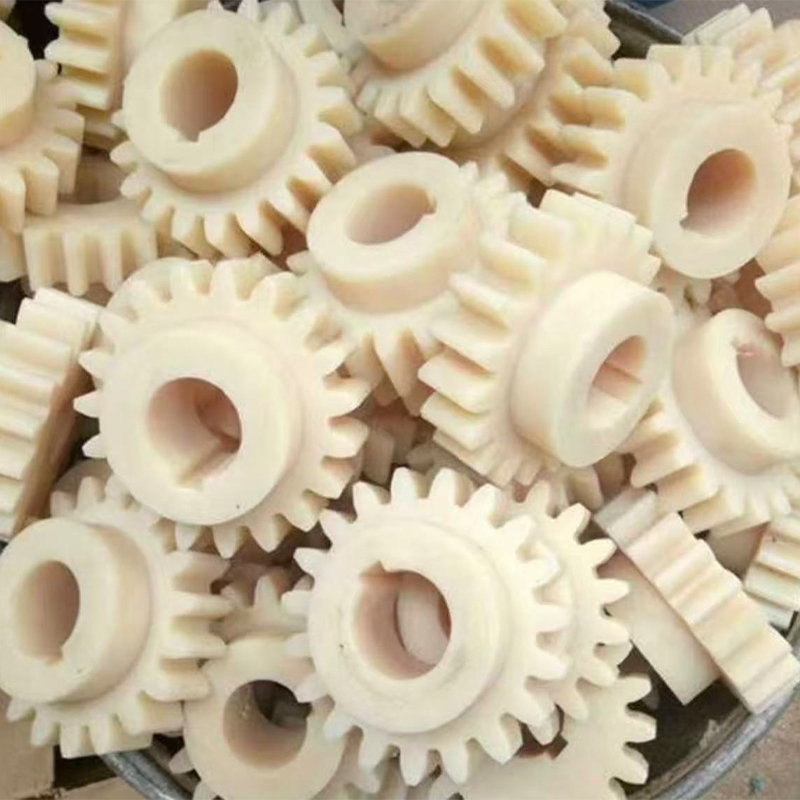
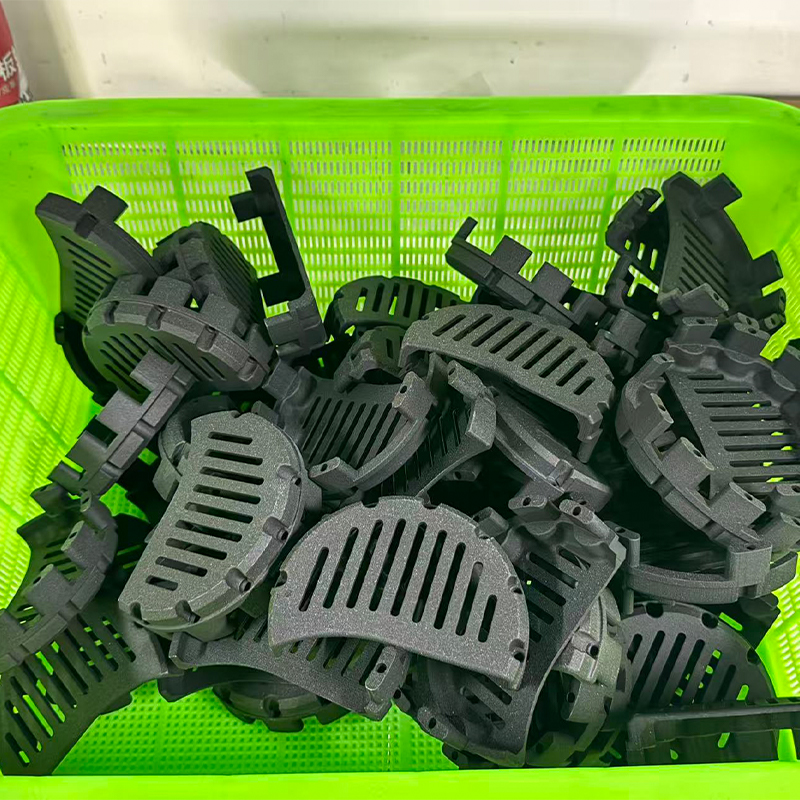
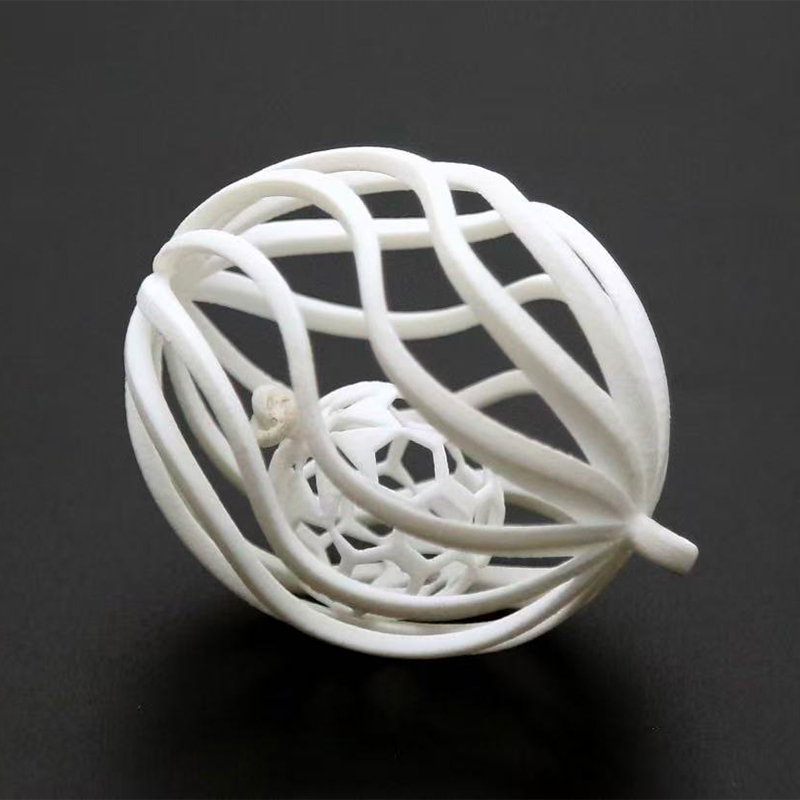
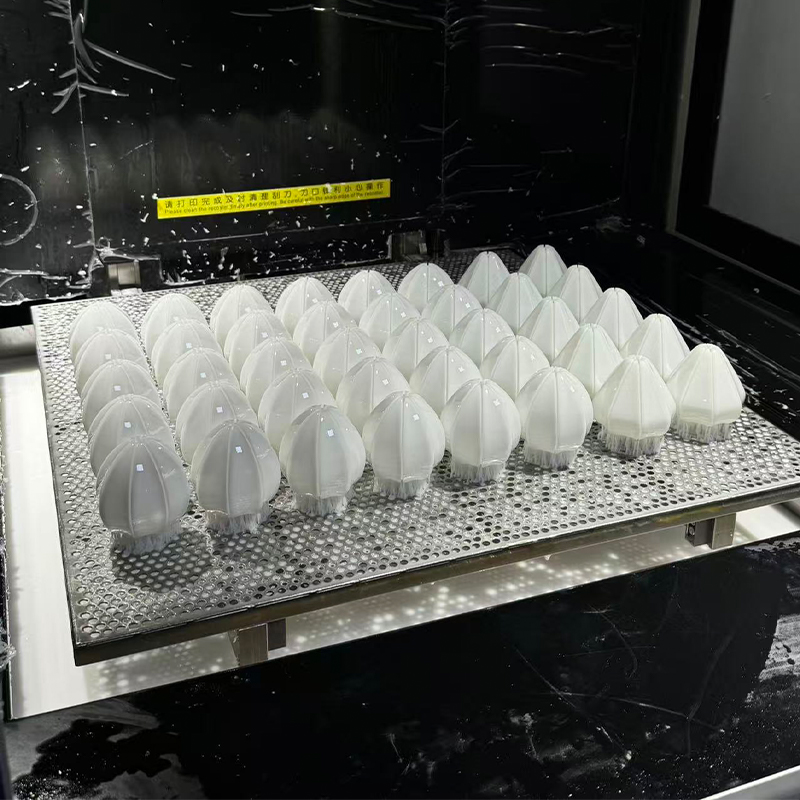
| SLS Nylon 3D Printing Service | White nylon, black nylon, nylon + glass fiber | Snap-fits, thin-wall housings, end-use functional parts | No support structures; nested assemblies and internal channels in one build |
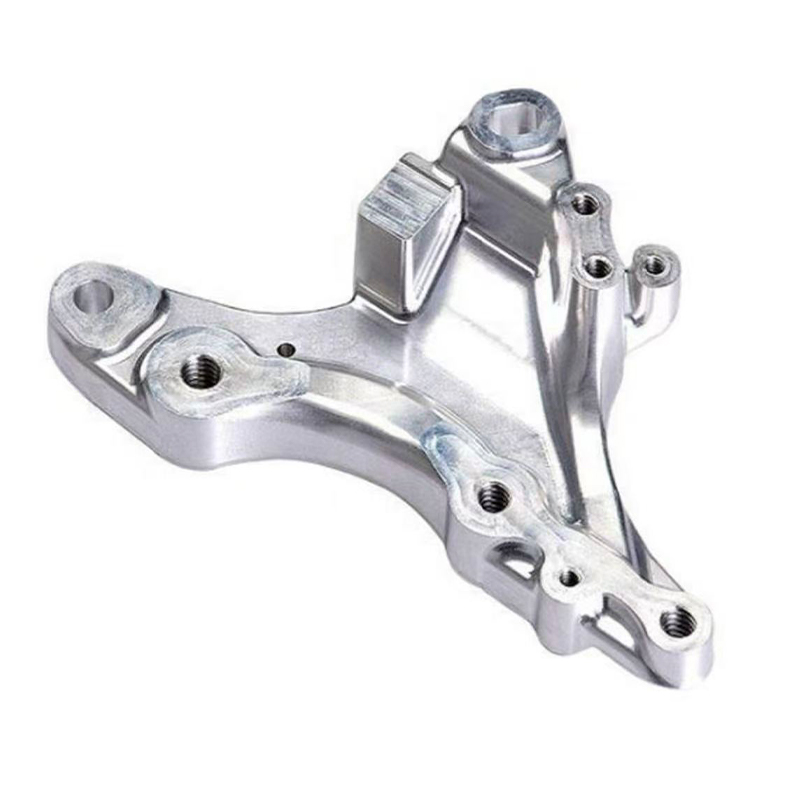
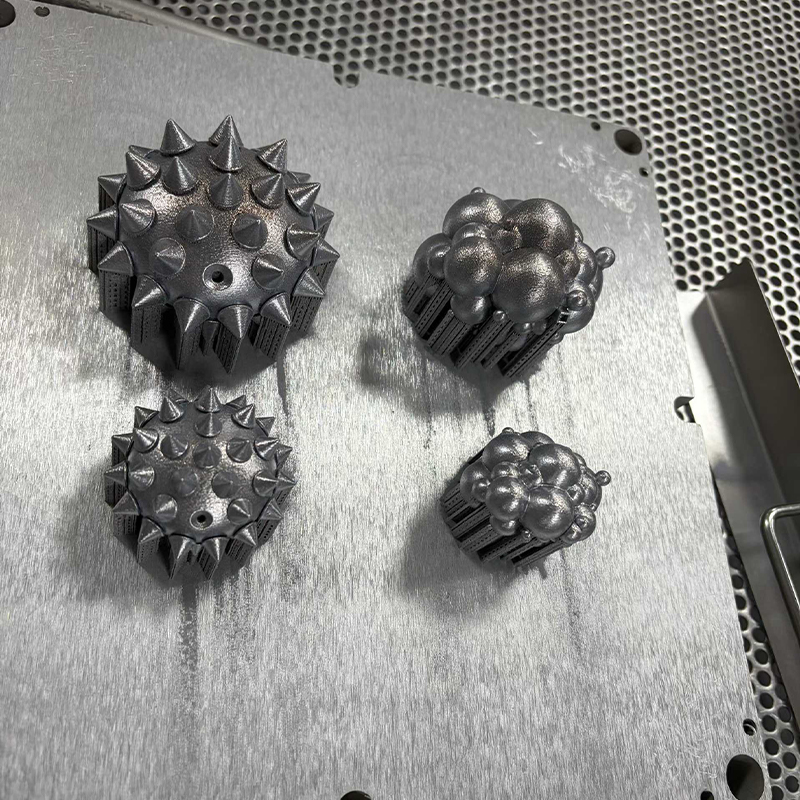
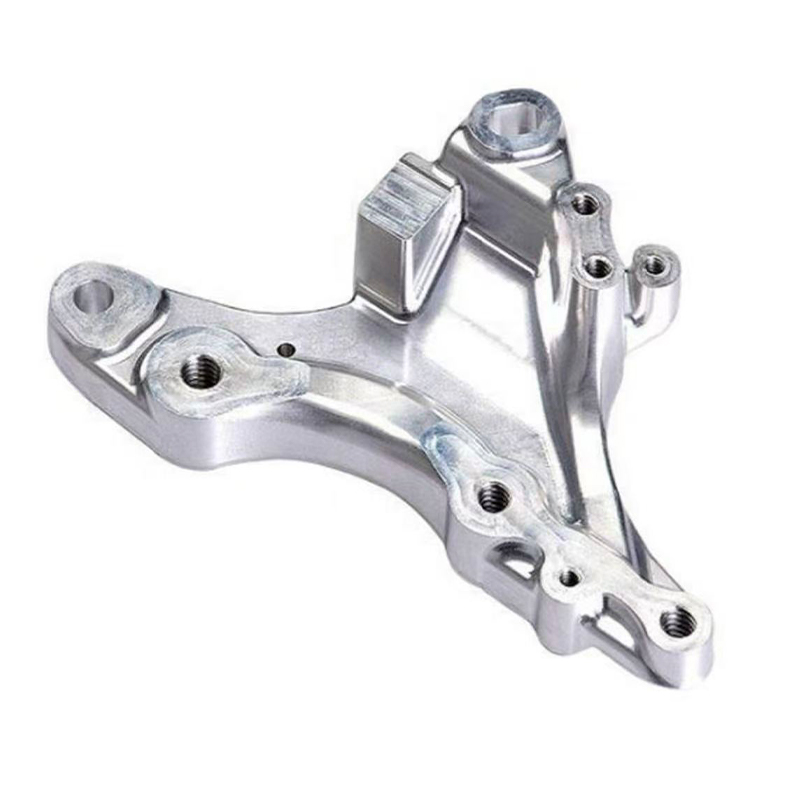
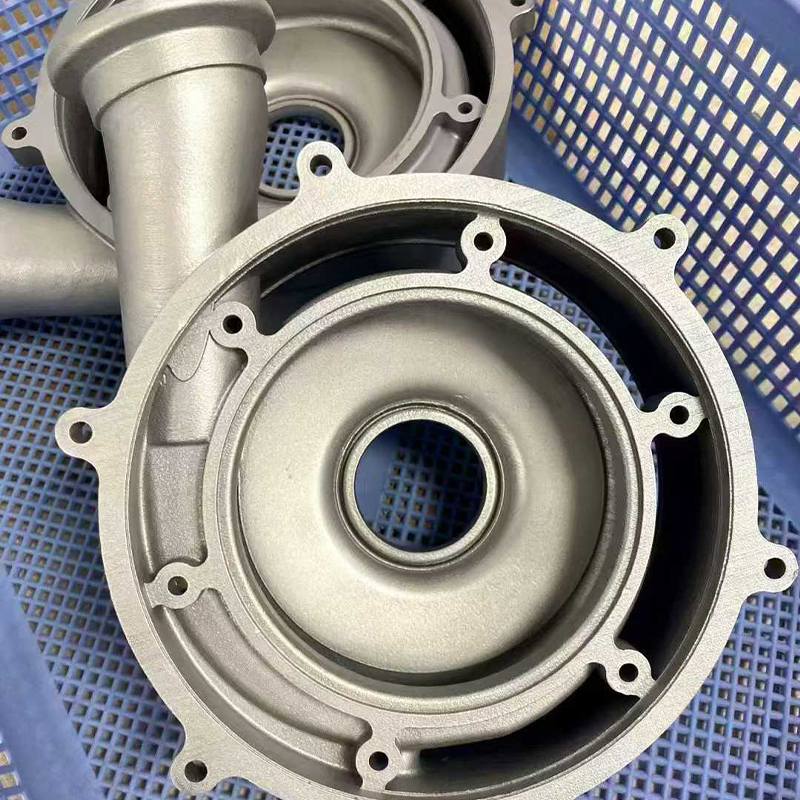
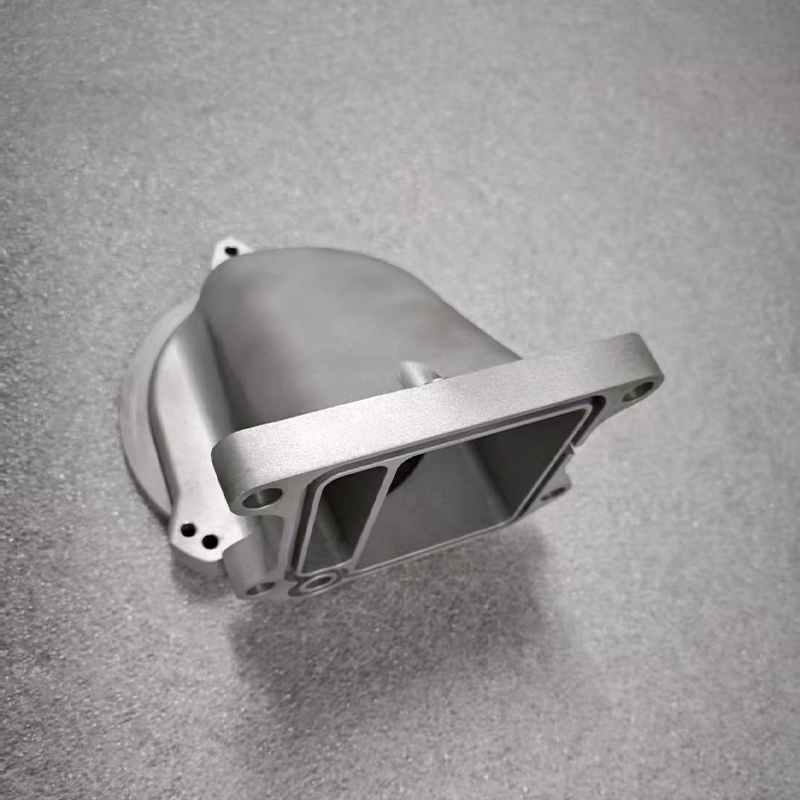
| SLM Metal 3D Printing Service | Stainless steel 316L, AlSi10Mg, Ti6Al4V, tool steel H13 / S136 | Lightweight brackets, heat-dissipation channels, tooling inserts | Near-100% density metal parts with high-precision post-processing |
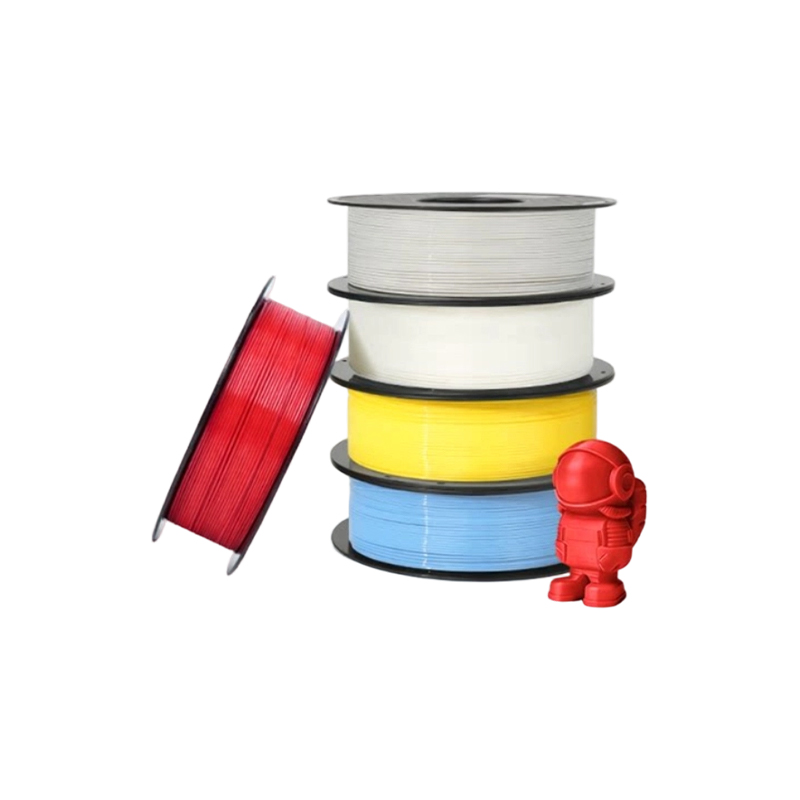
| FDM Plastic 3D Printing Service | PLA, PETG, ABS, HT-PLA, PAHT+CF, PPS+CF | Jigs, fixtures, large housings, high-temperature engineering parts | Carbon-fiber grades raise stiffness and heat resistance for functional use |
Material Selection for Resin, Nylon and Metal Parts
Material choice drives appearance, load capacity and downstream processing. We keep the common grades in production so a project can be quoted and built without long material lead times.
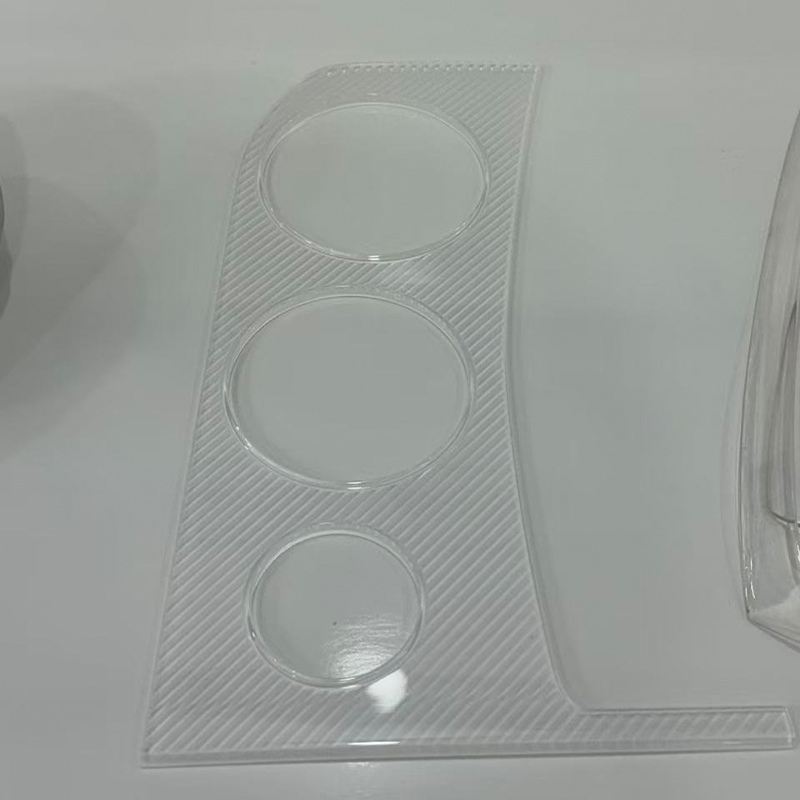
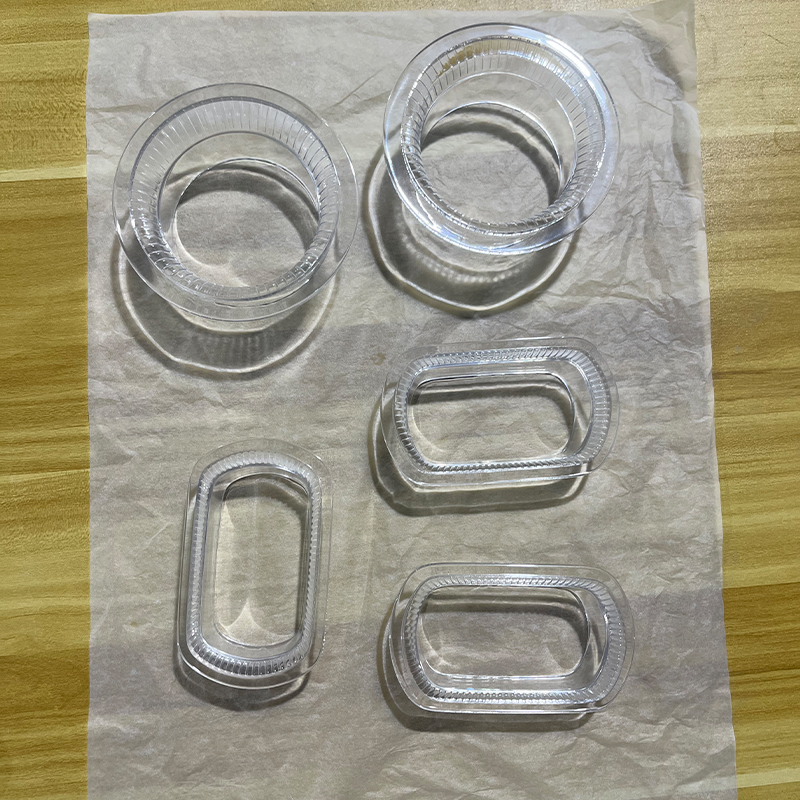
- Resin: off-white and black resin for general appearance parts, transparent resin for light-guide and lens checks, flexible resin for seals and grips, yellow ABS-like resin where toughness is needed.
- Nylon: white and black nylon for functional parts, nylon + glass fiber where rigidity and heat resistance matter.
- Metal: stainless steel 316L for corrosion resistance, aluminum AlSi10Mg for lightweight structures, titanium Ti6Al4V for strength-to-weight, tool steel H13 / S136 for mold inserts.
- Engineering FDM: HT-PLA, PAHT+CF and PPS+CF for parts that see heat or mechanical load in service.
Specifications That Define a Printable Part
We confirm the working point before printing: overall envelope, minimum feature size, wall thickness, tolerance class, surface requirement and any post-processing. These variables decide process, orientation and support strategy.
- Build envelope: up to 1.7 × 0.8 × 0.65 m for large single-piece resin work; smaller precision platforms for DLP detail parts.
- Accuracy and repeatability: dimensional tolerance and appearance standards are verified per workpiece, with periodic in-process sampling to hold machining precision stable.
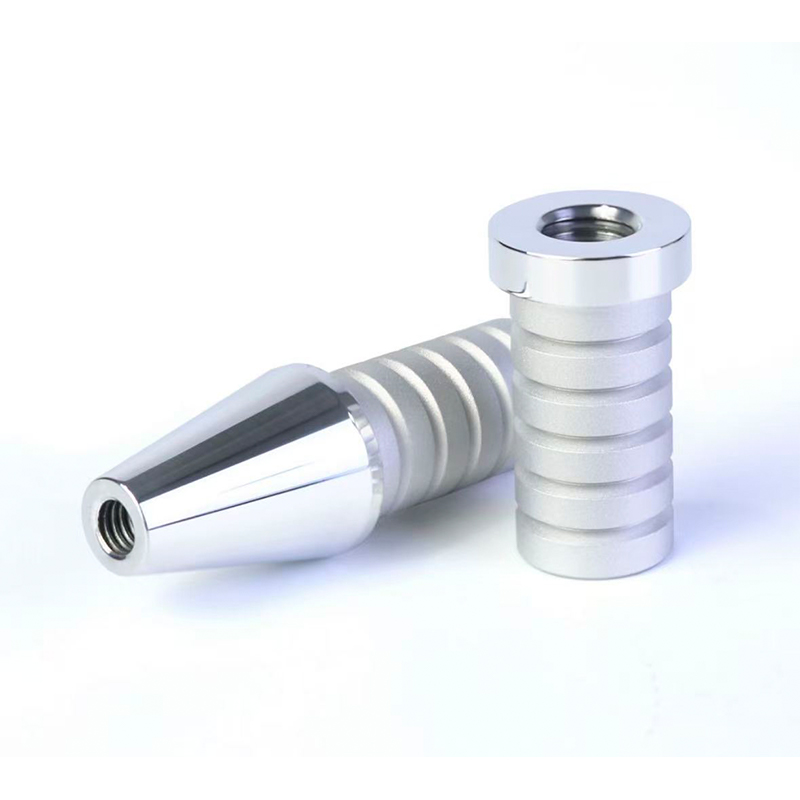
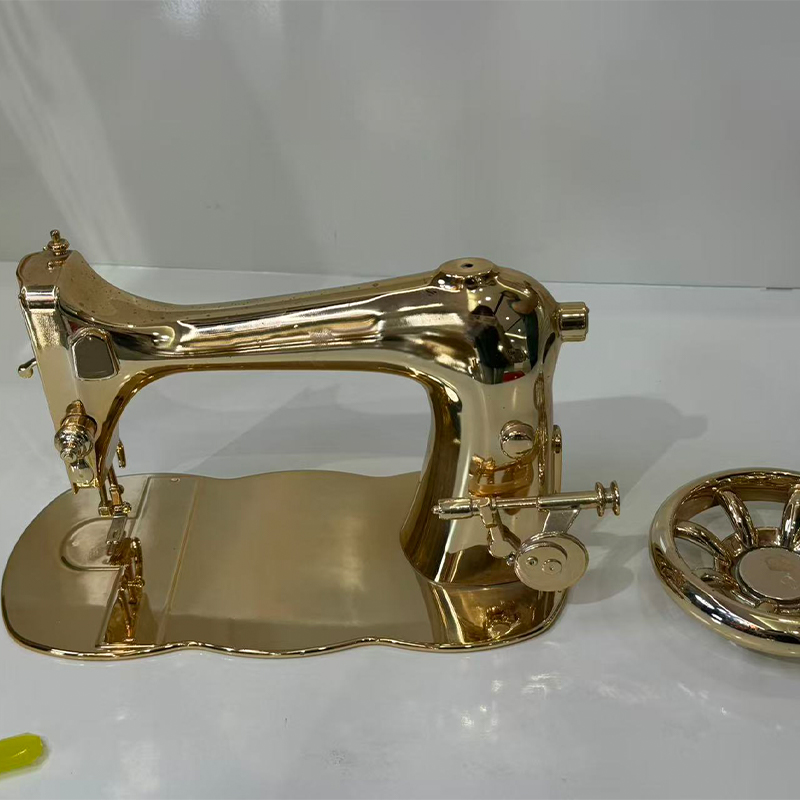
- Surface: as-built matte or smooth finishes, with optional grinding, polishing, sandblasting, painting, coating, laser engraving, electroplating and anodizing through our Surface Finishing Services.
- Assembly fit: mating features, threads and inserts are reviewed so printed parts interface with machined or cast components.
From Print to Finished Part: Integrated Production
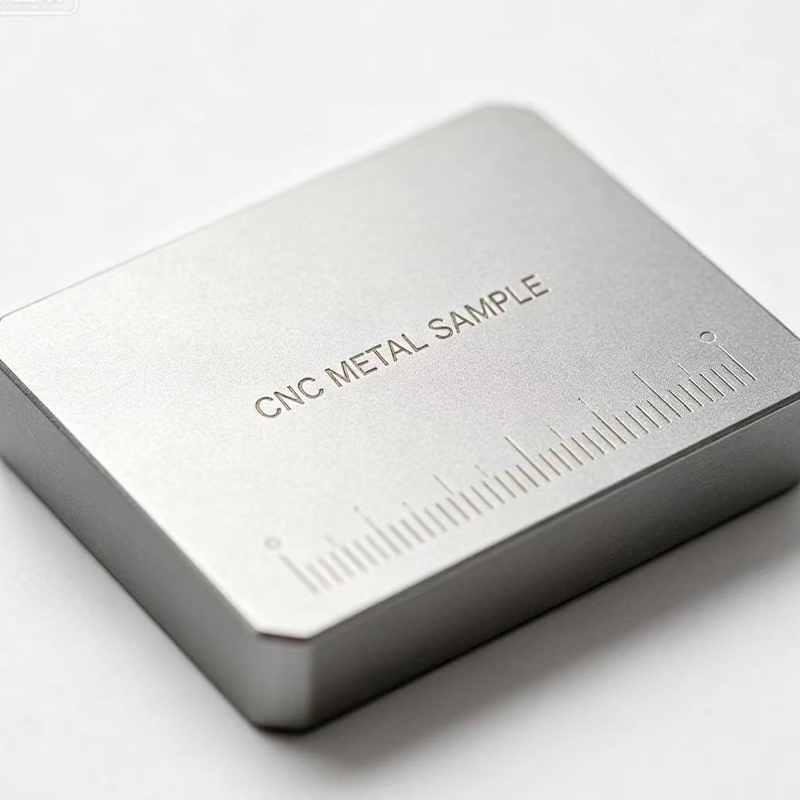
Printed geometry often needs secondary operations to reach final function. Because we also run CNC Machining Services and Vacuum Casting Services, a printed master can be machined, replicated in silicone molds for low-cost small batches, or finished and assembled in the same workflow.
This matters for bridge production: a validated SLA or SLS part can become a silicone mold master for 20–100 units, or a machined insert can be bonded into a printed housing, without shipping the model between vendors.
Quality Control and Confidentiality
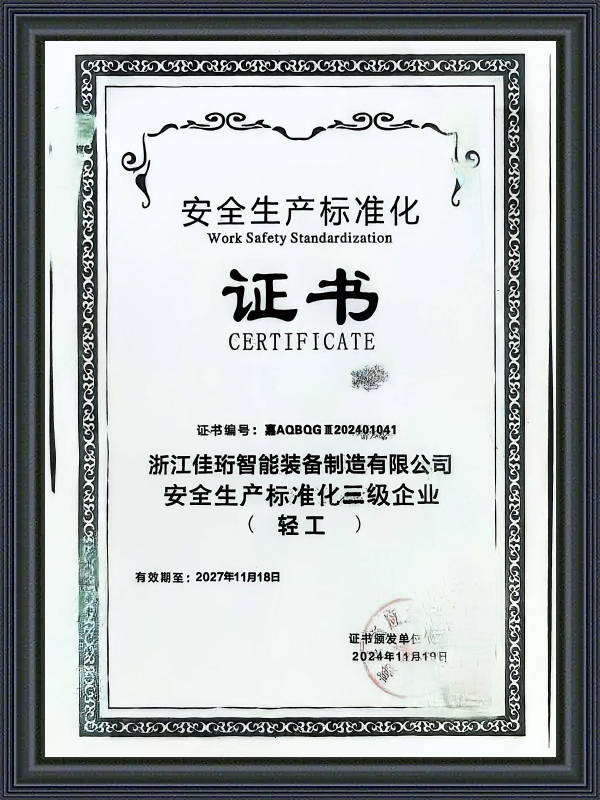
Our quality system is ISO 9001 certified and follows full-process inspection: raw material incoming check, in-process sampling, and finished-product dimension and appearance verification before shipment.
- Independent closed workshops separate customer projects to prevent cross-data leakage.
- Staff sign non-disclosure agreements; the internal network is isolated from external transmission of drawing files.
- Inspection records accompany the shipment so the receiving team can verify against the agreed tolerance and finish.
Information We Use to Configure Your Solution
A usable quotation starts from the part, not the process. We prepare the configuration and price from the following inputs.
- 3D model in STEP, STL or native CAD, plus 2D drawing where tolerances are critical.
- Part function, load case, temperature range and whether the part is a visual model or a functional component.
- Required quantity, batch split and target delivery date.
- Surface finish, color, transparency and any post-processing such as painting, coating or anodizing.
- Assembly context, mating parts and interface dimensions.
- Acceptance criteria: critical dimensions, inspection method and documentation requirements.
Delivery, Documentation and Support
Parts are packed to protect fine surfaces and thin walls, with project identification and quantity checked against the order. We provide inspection data and material identification with the shipment where the project requires it.
Our design team reviews models before printing and raises optimization suggestions that can reduce cost or improve printability. During processing we keep technical communication open so details can be adjusted, and after delivery we follow up on usage questions and repeat production demands.
Frequently Asked Questions
Which 3D printing process should I choose for a functional part?
For impact-resistant functional parts we usually recommend SLS nylon, which needs no support structures and handles snap-fits and thin walls. Where stiffness and heat resistance are higher, nylon + glass fiber or FDM PAHT+CF and PPS+CF grades are used. Metal parts that carry structural load go to SLM with stainless steel 316L, AlSi10Mg or Ti6Al4V.
What is the largest part you can print in one piece?
Our resin equipment covers a maximum single-piece build size of 1.7 × 0.8 × 0.65 meters. Larger assemblies can be printed in sections and joined, or produced through vacuum casting when quantities justify a mold.
Can printed parts be finished to match a production appearance?
Yes. We support grinding, polishing, sandblasting, painting and coating in matte or glossy finishes, transparent part treatment, laser engraving, decal and silk screen printing, electroplating and anodizing. These operations run in-house so appearance samples and production parts follow the same finish specification.
How do you handle small-batch production after prototyping?
Once a prototype is validated, we can use it as a master for silicone mold replication through vacuum casting, which suits low-cost, high-precision small batches. For higher volumes or tighter tolerances, CNC machining or tooling inserts printed in H13 / S136 tool steel are available.
What files and information do you need for a quotation?
Send the 3D model, quantity, material preference if known, surface finish, critical tolerances and target date. If the part function or assembly context is described, we can recommend the process route and flag design changes that reduce cost before production starts.
How is my design data protected?
Projects run in independent closed workshops, all staff sign non-disclosure agreements, and the internal network is isolated so drawing files are not transmitted externally without authorization. Confidentiality applies from quotation through delivery.


