- 3D Printing Services

- CNC Machining Services

- Vacuum Casting Services

- Surface Finishing Services


 English
 Español


Polyether Ether Ketone 3D Printing: Process Control, Cost, and Supplier Guide
Content
- 1 Polyether Ether Ketone 3D Printing: What the Process Really Demands
- 2 Why Crystallinity Decides Whether a PEEK Part Performs
- 3 The PEEK 3D Printing Process: Drying, Extrusion, Cooling, and Annealing
- 4 PEEK vs PPS-CF vs PAHT-CF: A Practical Material Comparison
- 5 Design Rules That Keep PEEK Parts Out of the Scrap Bin
- 6 What Drives the Cost of Polyether Ether Ketone 3D Printing
- 7 When a PEEK 3D Printing Service Makes Sense, and When It Does Not
- 8 Quality Checks to Request From a PEEK 3D Printing Manufacturer
- 9 Where Jiaheng Fits in a High-Performance Build Program
- 10 Sourcing PEEK 3D Printed Parts: Manufacturer, Supplier, or Wholesaler?
- 11 Applications Where PEEK 3D Printing Earns Its Place
- 12 FAQ: Polyether Ether Ketone 3D Printing
- 12.1 Is polyether ether ketone 3D printing possible on a normal desktop printer?
- 12.2 What nozzle and chamber temperatures does PEEK need?
- 12.3 Why does PEEK need annealing after printing?
- 12.4 Is 3D printed PEEK as strong as machined PEEK?
- 12.5 Can PEEK parts be machined after 3D printing?
- 12.6 How much does PEEK 3D printing cost?
- 12.7 Is PEEK food safe or biocompatible?
- 12.8 What is the difference between PEEK and PPS-CF for 3D printing?
- 12.9 How should I request a quote from a PEEK 3D printing manufacturer?
- 12.10 Does Jiaheng supply PEEK 3D printing?
- 13 Keep Exploring the Manufacturing Route
A PEEK part can look flawless when it leaves the printer and still underperform in service if the polymer never reaches the right semi-crystalline state. Polyether ether ketone 3D printing is less about loading a high-temperature filament and more about controlling heat through drying, extrusion, cooling, annealing, and inspection. The process is viable for demanding parts, but only when the supplier treats temperature and crystallinity as measurable process outputs rather than printer settings.
That distinction matters at the quotation stage. PEEK is an expensive engineering thermoplastic, and high-temperature material extrusion runs slowly. A buyer who compares only the price per cubic centimeter will miss the larger cost drivers: heated chamber time, support strategy, annealing, machining allowance, inspection, and scrap risk. A buyer who compares only the datasheet will miss the process gap between a test coupon and a real bracket, seal, insulator, or wear part.
The practical answer is to start with the function of the part, not the name of the polymer. If the part needs broad chemical resistance, high continuous heat, wear resistance, and stiffness at elevated temperature, PEEK deserves serious evaluation. If the part mainly needs heat resistance and stiffness in a dry environment, a high-temperature carbon fiber compound, a metal additive route, or a machined design may deliver a more predictable program. The rest of this guide explains where polyether ether ketone 3D printing earns its cost and where it becomes an expensive mismatch.
Polyether Ether Ketone 3D Printing: What the Process Really Demands
PEEK is a semi-crystalline thermoplastic with a high melting point and a strong property profile. In material extrusion printing, the polymer is heated well above its melt point, deposited layer by layer, and then cooled under controlled conditions. The exact profile depends on the resin grade, nozzle geometry, part geometry, and printer, but the general direction is clear: PEEK needs a hot nozzle, a hot build chamber, and a disciplined cooling strategy. A machine that can reach the nozzle temperature but cannot hold chamber heat will struggle to produce consistent parts.
This is why polyether ether ketone 3D printing sits in a different category from printing PLA, PETG, or even standard nylon. The filament may need drying before use, the build surface must tolerate high temperature, and the chamber atmosphere should be stable throughout the build. Drafts, open doors, and short preheat cycles can create thermal gradients that show up later as warpage, poor layer bonding, or inconsistent crystallinity. Those defects may not be visible on the outside of the part.
A common mistake is to focus on the nozzle temperature alone. The nozzle melts the polymer, but the chamber and cooling profile influence how the polymer solidifies. Slow, controlled cooling generally supports crystallinity. Fast cooling can leave the material in a more amorphous state, which may reduce chemical resistance and dimensional stability. Some suppliers print PEEK at a lower chamber temperature and rely on post-print annealing to build crystallinity. That can work, but it shifts risk into the annealing step and requires a verified cycle for the part geometry.
There is also a hardware cost dimension. High-temperature printers use more robust heaters, insulation, motors, and thermal controls than standard machines. That cost is recovered through machine time, not through material alone. For a buyer, the implication is simple: ask for the actual process window, not just the material name. Ask how the supplier verifies chamber uniformity, how it handles thermal expansion during a long build, and how it records the annealing cycle.
Why Crystallinity Decides Whether a PEEK Part Performs
PEEK can exist in amorphous and semi-crystalline forms. In a printed part, the ratio between them is not a laboratory curiosity. It affects stiffness, dimensional stability, chemical resistance, and the way the part behaves under sustained load. A semi-crystalline structure is generally preferred for demanding applications because the ordered regions contribute to strength and resistance. An amorphous or partly crystalline part may be easier to produce, but it can fall short in the exact conditions where PEEK is chosen.
Cooling rate is the main lever. If the deposited polymer cools slowly within a hot chamber, the polymer chains have time to organize. If it cools quickly, the structure is frozen in a less ordered state. The part geometry also matters. Thin walls, sharp corners, and large flat areas lose heat at different rates, so a single print can contain zones with different thermal histories. That is one reason PEEK parts often require generous radii, gradual thickness transitions, and a well-planned build orientation.
Annealing is the second lever. A post-print thermal cycle can increase crystallinity and relieve residual stress, but it can also introduce distortion if the part is heated or cooled too quickly, or if it is not supported properly. The right cycle depends on section thickness, geometry, and the supplier's validation data. A generic recipe copied from a material datasheet is not a process control plan. Good suppliers tie the annealing cycle to the part, record the actual ramp and soak, and inspect critical dimensions after the cycle.
For buyers, crystallinity should appear in the quality conversation. Ask whether the supplier measures it, how often, and on what sample. Differential scanning calorimetry can provide a crystallinity indication, while density checks and mechanical coupons can support the same conclusion from a different angle. Not every job needs a full laboratory report, but a PEEK part for chemical service, high heat, or a safety-related function should not rely on visual inspection alone.
The PEEK 3D Printing Process: Drying, Extrusion, Cooling, and Annealing
A robust polyether ether ketone 3D printing workflow is a chain of controls. Each step protects the next one. The exact parameters belong to the material supplier and the printer platform, but the sequence is consistent enough to use as a purchasing checklist.
- Confirm the resin grade and batch. PEEK is not a single commodity. Grades differ in viscosity, filler content, color, and intended processing. Record the batch and keep it traceable to the build.
- Dry and protect the filament. Moisture and contamination can create voids, surface defects, and inconsistent extrusion. Follow the resin supplier's drying schedule and keep the material in a dry state during the build.
- Preheat the chamber and stabilize the machine. A hot nozzle is not enough. The chamber, build plate, and surrounding hardware need time to reach a stable condition before the first layer.
- Print with a validated profile. Nozzle temperature, layer height, extrusion width, cooling, and speed should come from a qualified profile for the material and geometry, not from trial and error on the buyer's part.
- Control cooling and build interruption risk. Long builds need stable power, thermal control, and a plan for pauses. A cold draft or an unplanned pause can create a weak layer that is difficult to detect later.
- Anneal and inspect. The post-print cycle should be documented. Critical dimensions, mass, surface condition, and any test coupons should be checked against the agreed plan.
Two process choices deserve early discussion. The first is build orientation. PEEK parts are often anisotropic because the bond between layers is not identical to the strength within a layer. If the highest load runs across the layer direction, the design may need a different orientation, a thicker section, or a secondary operation. The second is machining allowance. Many PEEK parts are printed near net shape and then machined on critical interfaces because printing alone may not hold every tolerance economically.
Support removal is another practical risk. PEEK is tough, and support structures can be difficult to remove without marking the surface. The support material, interface layer, and removal method should be agreed before the build. For sealed or chemically exposed parts, the buyer should also ask whether supports leave open paths or surface damage that could affect performance.
PEEK vs PPS-CF vs PAHT-CF: A Practical Material Comparison
Most PEEK projects are not really asking for PEEK as a name. They are asking for a combination of heat, chemical resistance, stiffness, wear behavior, and dimensional stability. That opens the comparison to other high-performance routes. The chart below is a planning aid, not a material datasheet; it compares the relative process burden of three routes that buyers often review together.
The scores reflect how much thermal control, drying discipline, and post-processing attention each route tends to demand in a custom manufacturing setting. They should be used to frame a conversation with the supplier, not to replace application testing.
Relative process demand for high-temperature polymer routes
Indicative planning scores, not measured material properties
Higher score means greater thermal and process control demand in a typical custom build. Geometry, printer platform, and validation requirements can change the picture.
The chart is useful because it separates material capability from manufacturing burden. PEEK sits at the top of the burden scale, so it should be reserved for parts where its property combination is doing real work. PPS-CF is often a more practical route for chemically exposed brackets, fixtures, and components that need high heat plus stiffness without the full PEEK process chain. PAHT-CF is easier to process and can suit structural housings, jigs, and lightweight brackets where the continuous temperature is lower.
For teams comparing prototypes and low-volume production, the decision should include finishing and tolerance strategy. A PPS-CF or PAHT-CF part may print faster and machine more easily, but it still needs the right wall thickness, fiber orientation, and inspection plan. PEEK may justify its cost in a seal, bushing, chemical fixture, or high-heat insulator where failure is expensive. The wrong comparison is price per part alone; the right comparison is total cost of a validated part.
| Consideration | PEEK | PPS-CF | PAHT-CF |
|---|---|---|---|
| Heat resistance | Very high | High | Moderate to high |
| Chemical resistance | Very high | High | Moderate |
| Process difficulty | Very high | High | Moderate |
| Annealing attention | Usually required | Often recommended | Often recommended |
| Typical fit | Seals, bushings, chemical fixtures, high-heat insulators | Chemically exposed brackets, pump parts, fixtures | Housings, jigs, lightweight structural parts |
| Relative material cost | Highest | Mid to high | Mid |
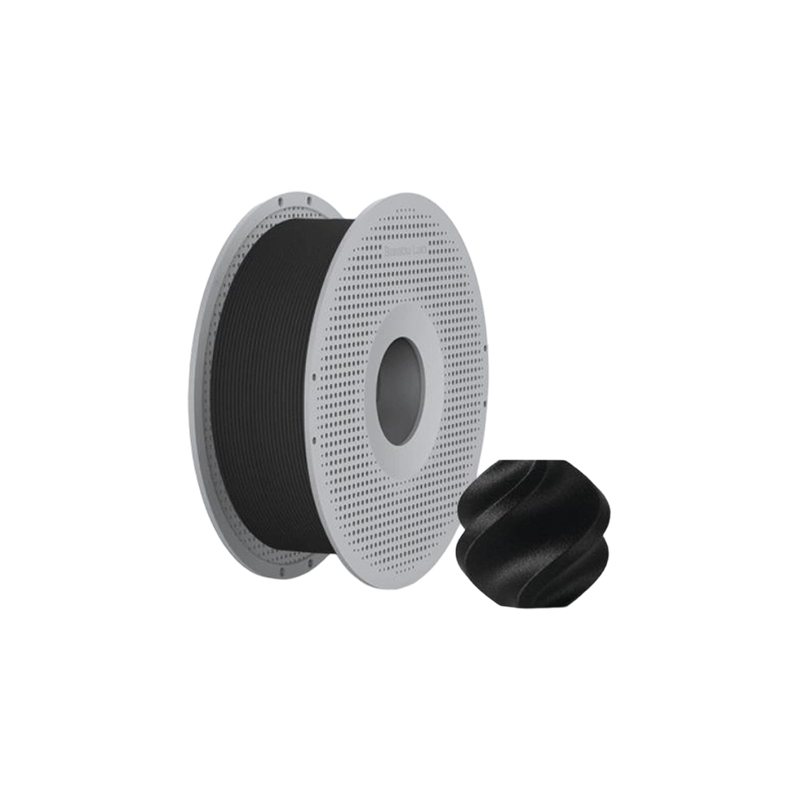
For chemically exposed brackets and fixtures where PEEK is over-specified, the PPS-CF route is a practical high-temperature alternative. It offers a useful balance of stiffness, heat resistance, and process maturity for custom parts that do not need the full PEEK property envelope.
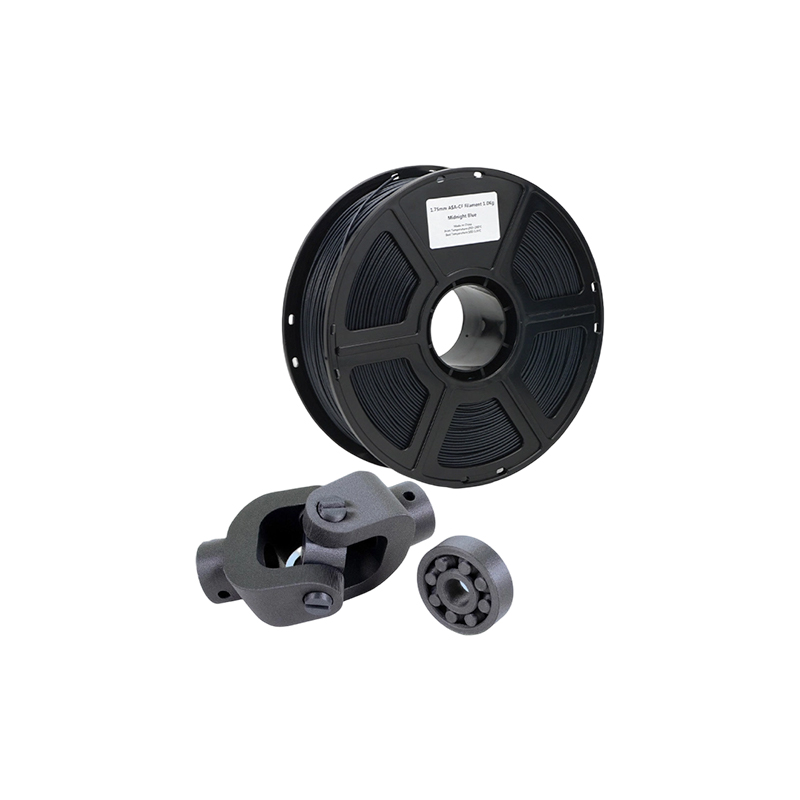 PPS+CF Carbon Fiber 3D Printing for Functional PartsA high-temperature FDM material option for chemically exposed brackets and fixtures needing stiffness, heat resistance, and process maturity without PEEK-level over-specification.View Product →
The final choice should be made with the drawing, the service environment, and the validation plan in hand. A material that is easier to print can still fail if the design ignores layer direction or chemical exposure. A material that is harder to print can still be the lower-risk choice if the application truly needs its properties. That is why a material comparison table is a starting point, not a purchase order.
Design Rules That Keep PEEK Parts Out of the Scrap Bin
PEEK is tough, but it is not forgiving of poor print geometry. Large flat areas, abrupt thickness changes, and sharp internal corners concentrate thermal stress. The part may survive printing and then move during annealing or machining. Design for thermal stability from the beginning, and the process becomes more predictable.
Use generous radii at internal corners. Transition between thick and thin sections gradually. Avoid long, unsupported spans where the first layers must carry their own heat. If a flat face is critical, consider a machining allowance rather than printing the final surface. Ribs can improve stiffness, but they also create thermal mass differences; a rib layout that works in injection molding may not be the best layout for material extrusion.
Think about layer direction before you finalize the drawing. If a PEEK part will see tensile load across layers, the design may need more section thickness or a different build orientation. If the part will be machined after printing, leave enough stock for the finishing operation and define the datums that will survive annealing. A beautiful printed surface is not useful if the critical bore moves after heat treatment.
Tolerances deserve a separate conversation. Printing can hold a practical tolerance band for many features, but PEEK's thermal expansion and shrinkage behavior make tight tolerances across long dimensions more difficult. When a drawing calls for bearing fits, seal grooves, or flatness on a large face, plan for precision CNC finishing. That is often the most economical way to combine the material properties of PEEK with the dimensional control of machining.
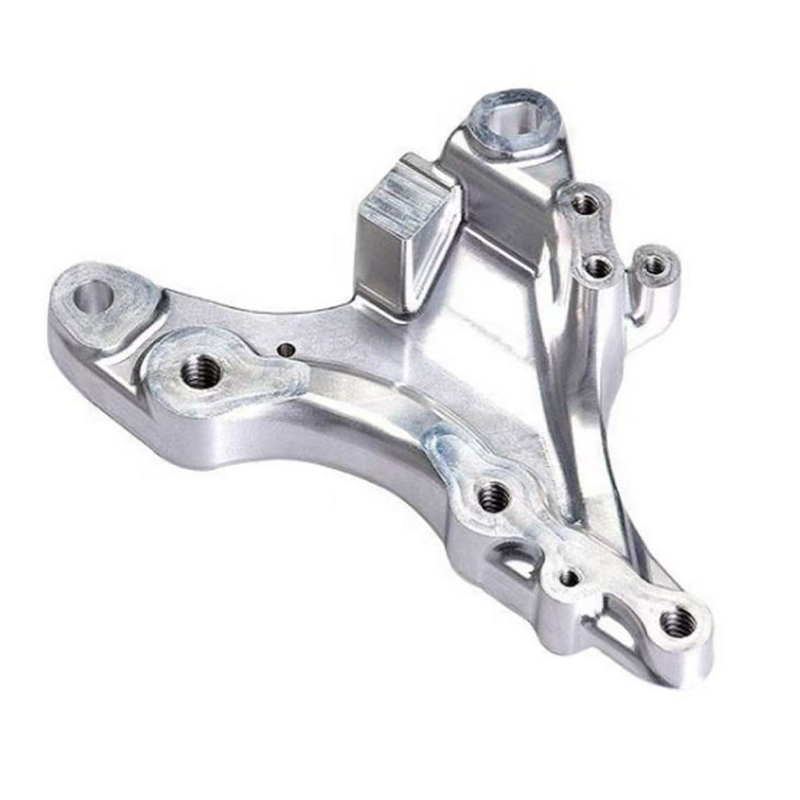
When PEEK prints need tight tolerances, precision CNC milling is often the finishing step that makes the design practical. It can establish datums, clean up critical interfaces, and bring the part into the agreed inspection plan without forcing the printer to hold every tolerance in one operation.
 Precision CNC Milling for Tight-Tolerance PEEK and MoldsA machining option for establishing datums, cleaning critical interfaces, and handling large-format molds when printed PEEK parts need tighter tolerances.View Product →
Also consider assembly. PEEK parts may be joined with inserts, fasteners, or adhesive, and each method has a thermal limit. A design that is stable at room temperature can loosen after repeated heat cycles. If the part will be sealed, check that the printed surface and the machining marks do not create leak paths. If it will slide or rotate, check wear direction against layer orientation.
What Drives the Cost of Polyether Ether Ketone 3D Printing
PEEK is expensive before the printer starts. The material cost is high, the machine is specialized, and the build runs slowly. Those are only the visible costs. A realistic quotation also reflects drying, chamber preheat, long machine occupancy, annealing, inspection, support removal, and scrap risk. Buyers who compare only the filament price will be surprised by the spread between suppliers.
- Material and batch size. Small orders may carry a material premium because the supplier must open, dry, and qualify a batch for a short run.
- Machine time. High-temperature builds are slow, and the heated chamber consumes energy before the first layer is deposited.
- Geometry and support. Tall parts, dense supports, and difficult access increase build time and post-processing labor.
- Annealing and fixtures. A controlled thermal cycle may require dedicated fixtures to prevent distortion.
- Machining allowance. Near-net printing plus CNC finishing can be more predictable than printing to final tolerance.
- Inspection. Dimensional reports, material traceability, and test coupons add cost, but they reduce the risk of accepting a part that cannot be validated.
- Scrap and rework. PEEK does not tolerate process shortcuts. A supplier that quotes without a scrap allowance may recover the cost elsewhere.
The cost conversation should therefore start with the application and the acceptance criteria. If the part is a non-critical fixture, a simpler inspection plan may be enough. If the part is a chemical seal or a high-heat insulator, the validation cost is part of the product. A good supplier will separate one-time engineering, build cost, finishing, and inspection so the buyer can see where the money is going.
Volume changes the equation but does not remove the process burden. PEEK is not a material where a large order automatically becomes cheap. The supplier may need dedicated fixtures, batch traceability, and a stable print profile before scaling. For low-volume custom work, the practical target is repeatability first, then price improvement through nesting, build layout, and finishing efficiency.
When a PEEK 3D Printing Service Makes Sense, and When It Does Not
A PEEK 3D printing service makes the most sense when the part is geometrically complex, the volume is low to moderate, and the application needs the material's combination of heat, chemical resistance, and mechanical performance. Functional prototypes, small production runs, replacement parts, and designs with internal channels or consolidated assemblies are natural candidates. Printing can also shorten the path from design iteration to a testable part when the alternative is a long mold or machining program.
It makes less sense when the part is simple, large, and geometrically friendly to machining. A plain block, ring, or plate may be faster and more economical in PEEK stock shape, especially when tight tolerances are required. Printing is also a poor fit when the design needs a surface finish that would require extensive hand work, or when the part will be exposed to conditions outside PEEK's suitability, such as sustained ultraviolet exposure without protection. PEEK is a strong material, but it is not a universal material.
The volume question is important. At very low volume, printing avoids tooling and can deliver a complex shape quickly. At higher volume, the economics may shift toward compression molding, machining, or another process, depending on geometry and tolerance. The right answer is not a rule based on a single quantity. It is a comparison of total cost, lead time, risk, and the value of design freedom.
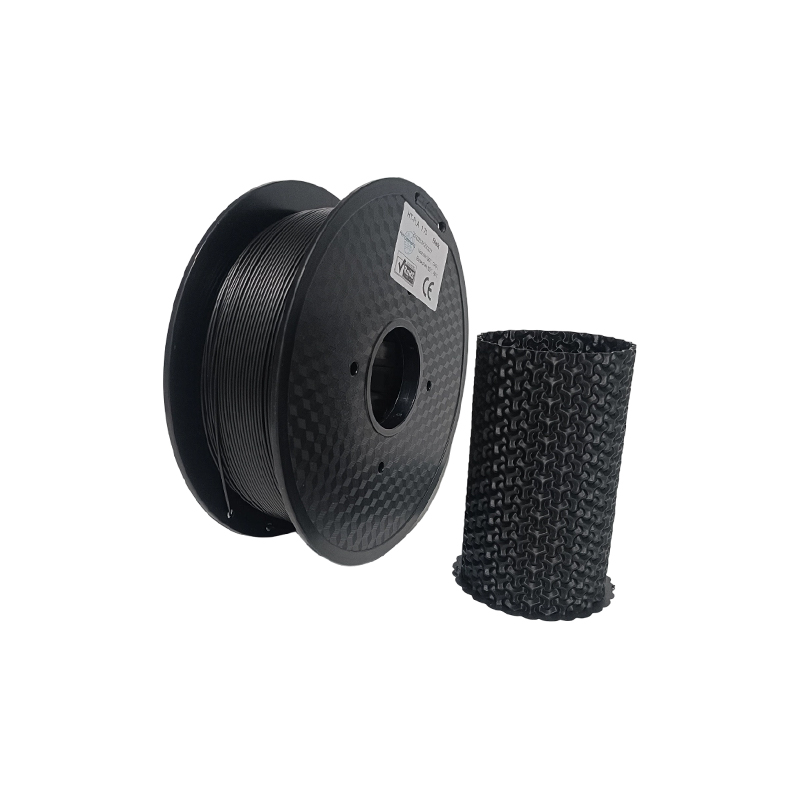
For fixtures, housings, and lightweight structural parts where the continuous temperature is lower than PEEK's range, PAHT-CF can be a more practical high-temperature nylon carbon fiber route. It can reduce process burden while still giving useful stiffness and heat performance for many industrial parts.
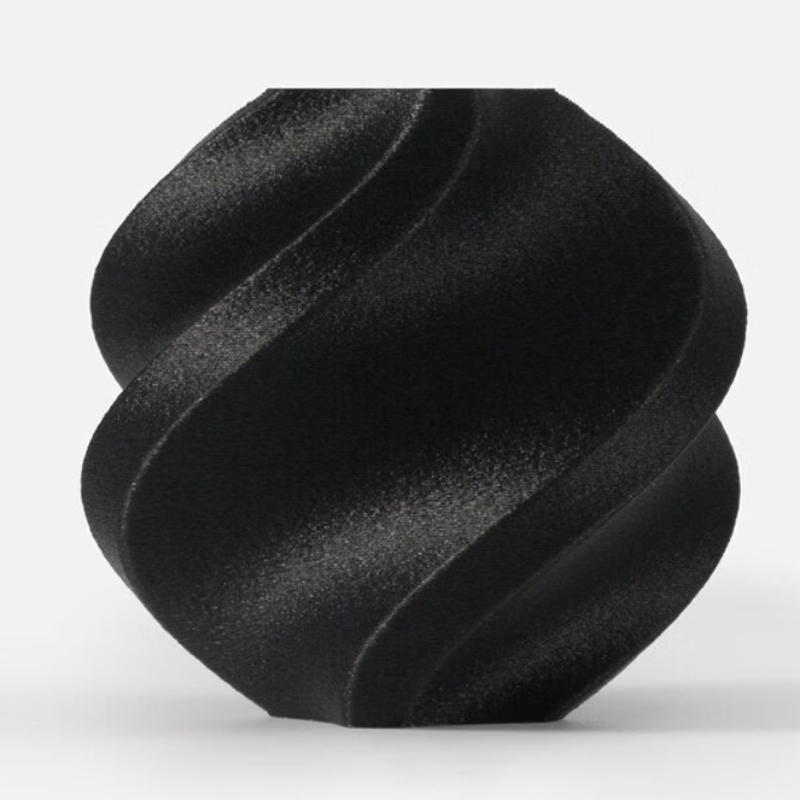 PAHT+CF High-Temperature Nylon Carbon Fiber 3D PrintingA practical FDM route for lightweight structural fixtures and housings needing stiffness and heat performance below PEEK’s range, with a strong strength-to-weight ratio.View Product →
A good service provider will tell you when PEEK is not the best use of the budget. That is not a sales failure; it is a sign that the supplier is evaluating the application. Ask for a side-by-side view of PEEK, a high-temperature compound, and a machined or metal route if those options are relevant. The best route is the one that meets the function with the fewest uncontrolled risks.
Quality Checks to Request From a PEEK 3D Printing Manufacturer
Quality control for PEEK should be proportional to the risk. A visual check is not enough for a chemical seal, a high-heat insulator, or a load-bearing bracket. The buyer should ask for evidence that the material, machine, and thermal cycle were controlled. The exact package can vary, but the categories are consistent.
- Material traceability. Grade, batch, supplier certificate, and storage history should be available. If the supplier cannot identify the batch, the property claims are difficult to defend.
- Drying and storage record. A simple log can show that the filament was dried and protected before the build.
- Build record. Printer, nozzle, layer height, chamber temperature, build orientation, and any interruption should be documented.
- Annealing record. Ramp rate, soak temperature, hold time, cooling rate, and fixture used should be traceable to the part or lot.
- Dimensional report. Critical features should be measured after annealing and finishing, not before.
- Material validation. Density, crystallinity, or mechanical coupon data can support the process claim, especially for a new material or a critical application.
- Non-destructive review. Visual inspection, mass check, and, where justified, CT or ultrasonic inspection can reveal internal voids or layer defects.
Ask how the supplier handles a failed build or a failed inspection. A PEEK part that is out of tolerance after annealing should not be quietly reworked without a new inspection plan. The buyer should know whether the part was scrapped, reworked, or accepted under a deviation. That level of discipline is more valuable than a glossy brochure.
Confidentiality also belongs in the quality conversation. PEEK parts often appear in new product development, and the drawings may reveal the function of the assembly. A supplier that handles global OEM work should have a clear approach to file control, access, and project communication. The buyer should not have to choose between process transparency and intellectual property protection.
Where Jiaheng Fits in a High-Performance Build Program
Zhejiang Jiaheng Intelligent Equipment Manufacturing Co., Ltd. operates as a one-stop precision manufacturing partner rather than a single-process print shop. The published service range covers 3D printing, CNC machining, vacuum casting and replication, and surface finishing. That combination is useful when a PEEK evaluation turns into a broader program with polymer prototypes, metal brackets, silicone mold copies, and cosmetic finishing.
The published 3D printing lineup includes SLA resin, DLP resin, SLS nylon, SLM metal, and FDM plastics. Within FDM, the material pages include standard PLA, PETG, and ABS, plus high-temperature options such as HT-PLA, PAHT-CF, and PPS-CF. The SLS range includes black nylon, white nylon, and nylon with glass fiber. The SLM range includes aluminum alloy, stainless steel, titanium alloy, and tool steel. Those routes do not replace a validated PEEK process, but they give a buyer practical alternatives when the application does not need the full PEEK envelope.
For a program that starts with a PEEK-like requirement, the first step is to separate the must-have properties from the preferred material. If chemical resistance and continuous heat are essential, PEEK may remain the reference. If the part mainly needs stiffness, heat resistance, and lightweight structure, PPS-CF or PAHT-CF may be enough. If the part needs metal-level strength or thermal conductivity, SLM titanium or stainless steel may be a better route. If the design needs a smooth cosmetic surface or a color-matched housing, the surface finishing options become part of the plan.
Jiaheng also supports CNC milling, CNC turning, and precision CNC milling, which matters for PEEK parts that need tight interfaces after printing. Vacuum casting and silicone mold replication can support bridge production or low-volume copies when the material and geometry allow. Painting, coating, laser engraving, polishing, sandblasting, electroplating, anodizing, and transparent part treatment round out the post-processing side. The value is not that every project uses every service; it is that the handoffs between printing, machining, finishing, and inspection can be managed in one place.
Because PEEK is not listed among the published material pages, a buyer with a mandatory PEEK requirement should raise that early. The team can review the drawing, temperature, chemical exposure, tolerance, and volume, then confirm whether PEEK is the right fit or whether a comparable route is more practical. That conversation is more useful than forcing every high-performance part into one material name.
Sourcing PEEK 3D Printed Parts: Manufacturer, Supplier, or Wholesaler?
The words manufacturer, supplier, and wholesaler are often used interchangeably in sourcing, but they mean different things for a custom PEEK part. A manufacturer controls the printing, thermal cycle, machining, and inspection process. A supplier may coordinate the work but not own the process. A wholesaler is more relevant to standard stock shapes, filaments, or catalog components than to a custom printed part with a validation record. For a critical PEEK component, the buyer should know who actually controls the process.
This does not mean a supplier cannot be useful. A capable supplier can manage communication, quality documentation, logistics, and multiple processes. The risk appears when the buyer assumes that the supplier is the manufacturer and then discovers that the process record is controlled by a third party. Ask directly: who prints the part, who anneals it, who machines it, and who signs the inspection report? If the answer changes at each step, the quality responsibility needs to be clear.
A good request for quotation for PEEK 3D printing should include the drawing, the function of the part, the service temperature, the chemical exposure, the expected life, the critical dimensions, the surface requirement, the inspection level, and the target quantity. It should also state whether PEEK is mandatory or whether the supplier may propose an alternative. That last point can save significant time and cost.
For global OEM programs, add the commercial requirements early: Incoterms, packaging, labeling, confidentiality, and change control. A low piece price can be erased by a shipment that arrives without the right documentation or a part that cannot be traced to its material batch. The sourcing decision should be based on the total delivered package, not the quote line alone.
Applications Where PEEK 3D Printing Earns Its Place
PEEK is often evaluated in automotive, aerospace, oil and gas, semiconductor, medical equipment, robotics, and industrial machinery. The common thread is not a single industry; it is a combination of heat, chemicals, wear, and weight. A part that sees only room-temperature air may not need PEEK. A part that sees hot fluid, repeated cleaning, or sustained load at elevated temperature has a stronger case.
In automotive and industrial equipment, PEEK can be considered for underhood components, seals, bushings, wear pads, and fixtures that face heat or chemicals. In oil and gas, chemical resistance and dimensional stability may matter for seals, insulators, and downhole components, although the validation requirements are severe. In semiconductor and electronics manufacturing, PEEK may appear in wafer handling, test fixtures, and insulating parts where particle generation and chemical exposure matter. In medical equipment, PEEK is used in instruments and device components, but patient-contacting or implantable applications require a regulatory path that is separate from the printing process.
Robotics and drone or eVTOL programs often start with weight reduction. PEEK can be useful where a high-temperature polymer part must also be strong and chemically resistant, but it is not automatically the lightest or most economical choice. A carbon fiber high-temperature compound, a metal additive part, or a machined aluminum design may be better for a given bracket or housing. The right answer depends on the load path, the thermal exposure, and the production volume.
Consumer electronics is another area where the material choice should be questioned. PEEK can provide heat resistance and dimensional stability in internal fixtures, but cosmetic housings often need surface finishing and color control that may be easier with other polymers. If the part is a functional internal component, PEEK may be justified. If it is a visible shell, the finishing cost and the risk of surface defects may outweigh the material benefit.
The common failure mode is to specify PEEK for every high-performance application without checking the actual service condition. A better approach is to list the requirements, rank them, and test the top two material routes. That is more work at the front end, but it reduces the chance of an expensive part that solves the wrong problem.
FAQ: Polyether Ether Ketone 3D Printing
Is polyether ether ketone 3D printing possible on a normal desktop printer?
Usually no. PEEK needs a high-temperature hotend, a heated chamber, a build surface that tolerates heat, and a controlled cooling strategy. A standard desktop printer may reach a high nozzle temperature on paper, but it often cannot hold the chamber temperature or manage the thermal load for a reliable build. Even on a capable machine, the process requires a validated profile and post-print annealing.
What nozzle and chamber temperatures does PEEK need?
The exact values depend on the grade and printer, but PEEK is processed well above standard engineering plastics. Nozzle temperatures commonly sit above 350 C, and chamber temperatures are often in the range of 150 C to 200 C. Some processes use a lower chamber temperature and rely on annealing. Buyers should ask for the supplier's validated window rather than a single number copied from a datasheet.
Why does PEEK need annealing after printing?
Annealing can increase crystallinity and relieve residual stress from the layer-by-layer build. That can improve dimensional stability and support the property profile the application expects. The risk is that a poorly controlled anneal can distort the part. The cycle should be matched to geometry and wall thickness, with dimensional checks after the cycle.
Is 3D printed PEEK as strong as machined PEEK?
Not automatically. Material extrusion creates layer boundaries, so the part can be anisotropic. A printed and annealed PEEK part may perform well in compression or in directions aligned with the layers, but it may not match a machined part in every direction. For highly loaded parts, the design should account for layer orientation and may need machining, thicker sections, or a different process.
Can PEEK parts be machined after 3D printing?
Yes. Many high-performance parts are printed near net shape and then machined on critical interfaces. This can improve tolerance, flatness, and surface finish. The machining plan should account for the printed material's stress state and the annealing cycle, and the final inspection should happen after all thermal and machining steps.
How much does PEEK 3D printing cost?
There is no useful single price without the geometry and validation level. Material, machine time, support removal, annealing, machining, inspection, and scrap risk all contribute. A small, simple part and a large, critical part can differ by a wide margin. The best approach is to quote the part with a clear inspection plan and a separate allowance for engineering and finishing.
Is PEEK food safe or biocompatible?
Do not treat "PEEK" as a blanket approval. Food-contact and medical applications depend on the specific grade, additives, processing, cleaning, and regulatory pathway. A printed part can also have surface and porosity characteristics that differ from a machined or molded part. Those applications require a dedicated compliance review, not a material name alone.
What is the difference between PEEK and PPS-CF for 3D printing?
PEEK generally offers a higher property ceiling, especially in heat and chemical resistance, but it also demands more process control and cost. PPS-CF is a high-temperature carbon fiber compound that can be a practical choice for fixtures, brackets, and chemically exposed parts that do not need the full PEEK envelope. The right choice depends on the service condition and the validation plan.
How should I request a quote from a PEEK 3D printing manufacturer?
Send the drawing, the function, the service temperature, the chemical exposure, the critical dimensions, the surface requirement, the inspection level, and the target quantity. State whether PEEK is mandatory or whether alternatives may be proposed. Ask who controls printing, annealing, machining, and inspection. That information will produce a more useful quote than a drawing alone.
Does Jiaheng supply PEEK 3D printing?
PEEK is not listed among the published material pages. The available routes include SLS nylon, PPS-CF, PAHT-CF, other FDM plastics, SLA and DLP resins, SLM metals, CNC machining, vacuum casting, and surface finishing. If PEEK is mandatory, share the application requirements so the team can confirm whether it is the right fit or whether a comparable route is more practical.
Keep Exploring the Manufacturing Route
If you are comparing a PEEK requirement with other high-performance routes, it helps to see the full process range before the material decision is fixed. A one-stop manufacturing platform can compare polymer printing, metal printing, CNC finishing, and surface treatment under one quality conversation.
The most useful next step is to put the drawing and the service conditions side by side. That gives the supplier enough information to recommend PEEK, a high-temperature compound, a metal route, or a machined design without guessing. It also gives the buyer a clear basis for comparing price, lead time, and risk.
Polyether ether ketone 3D printing is a strong option for the right part, but it is not a shortcut around engineering. The material rewards controlled drying, stable chamber heat, thoughtful orientation, documented annealing, and inspection after thermal processing. It punishes assumptions. A supplier that can explain those controls is more valuable than one that simply lists PEEK on a material page.
For buyers, the practical path is to define the function, rank the requirements, and compare at least two routes. PEEK may be the correct answer for a chemical seal, a high-heat insulator, or a wear part. PPS-CF, PAHT-CF, SLS nylon, SLM metal, precision CNC, or a combination may be the better answer for a bracket, housing, fixture, or prototype. The goal is not to avoid PEEK. The goal is to use it where its properties solve a real problem and where the process can be validated.
related products
-
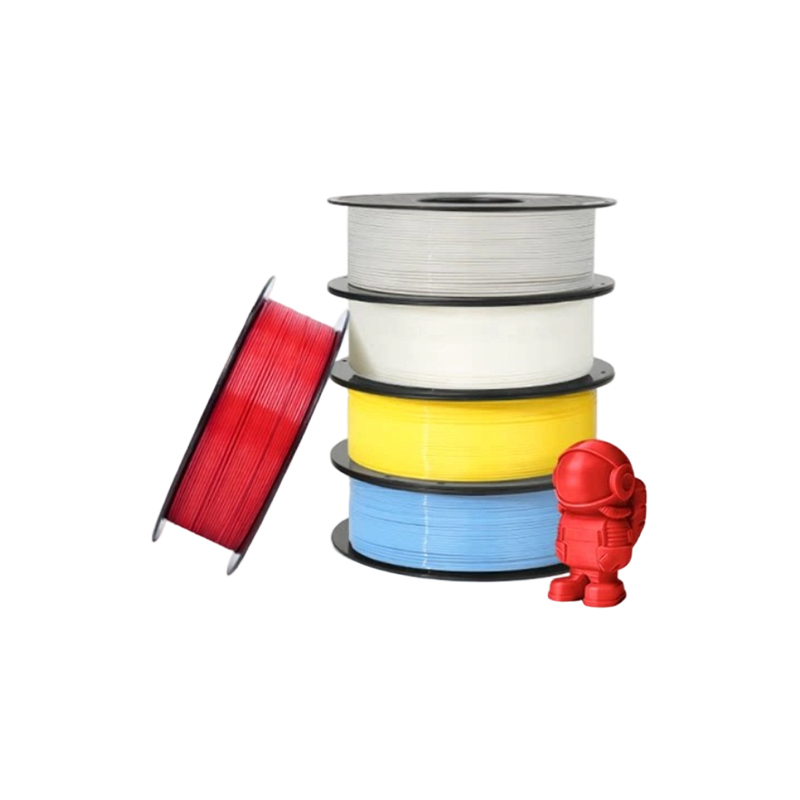 Standard FDM Materials 3D Printing Service (PLA, PETG, ABS)
-
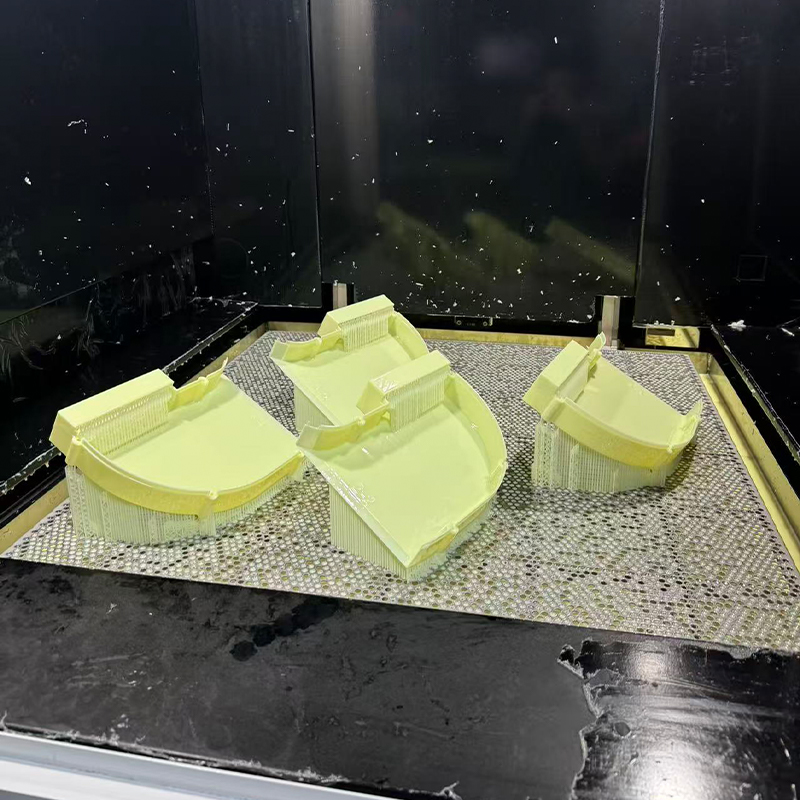 Yellow ABS-Like Resin 3D Printing Service
-
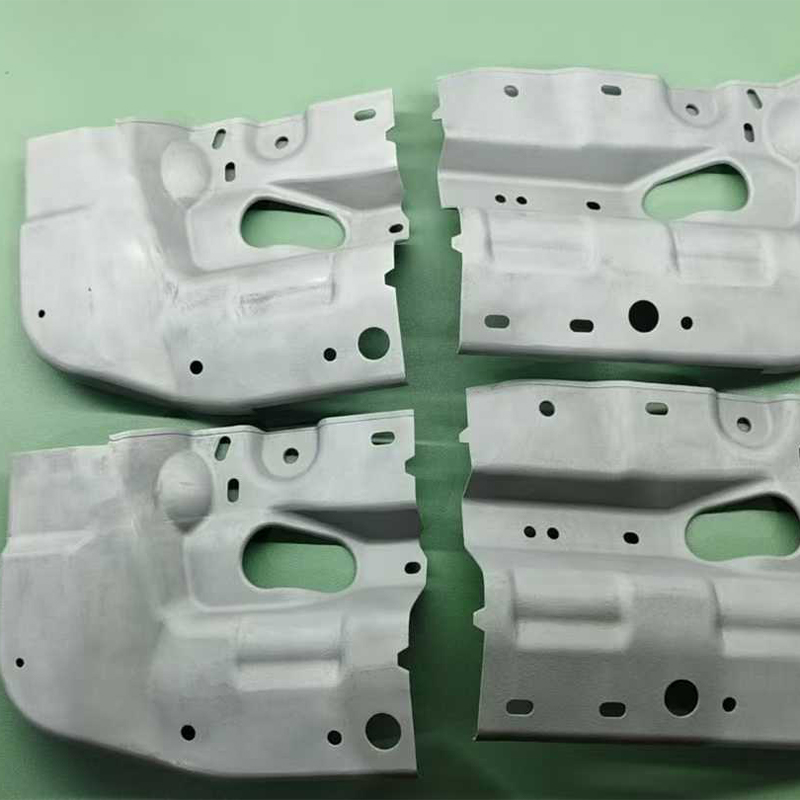 Aluminum Alloy AlSi10Mg 3D Printing Service
-
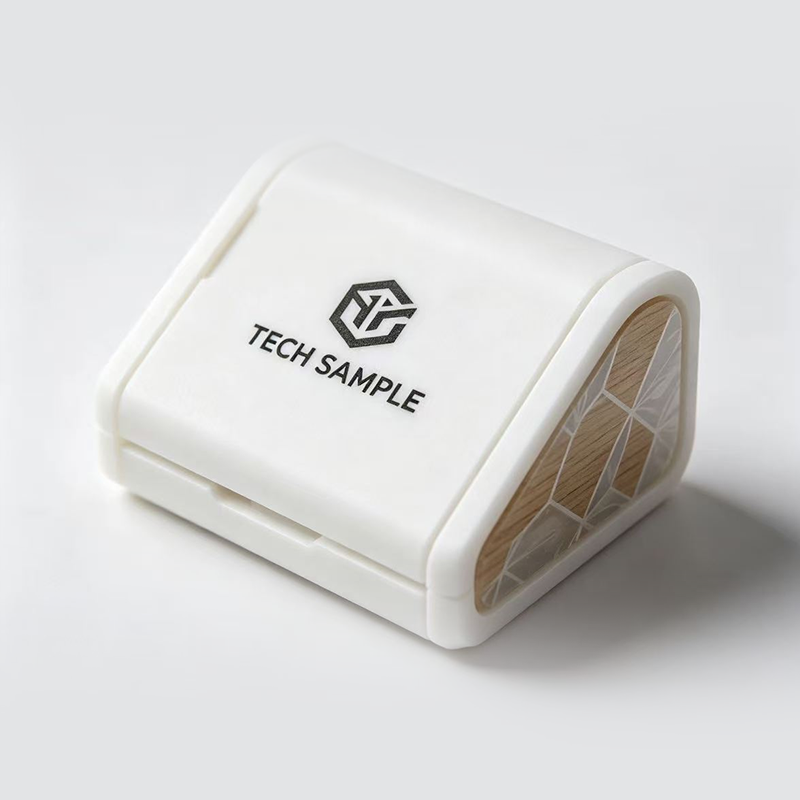 Decal & Silk Screen Printing
-
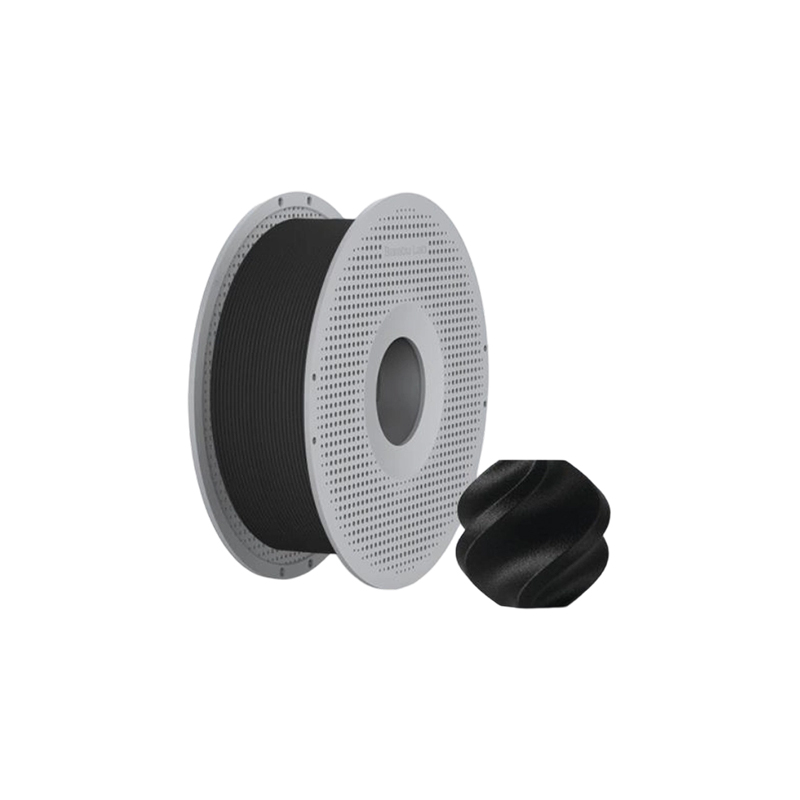 PAHT+CF High-Temp Nylon Carbon Fiber Reinforced Material 3D Printing Service
-
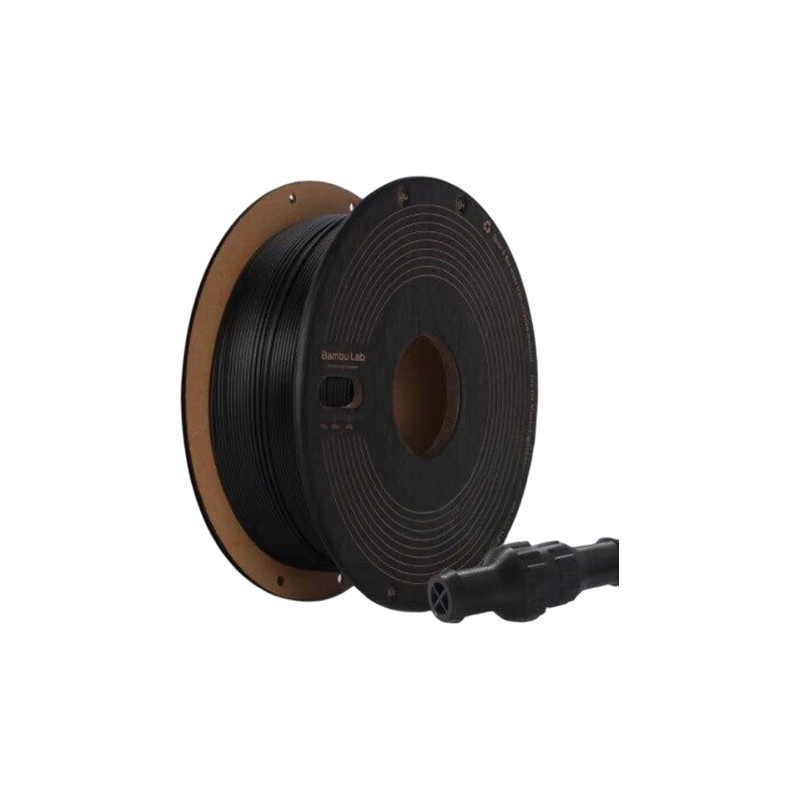 PPS+CF Carbon Fiber Reinforced Material 3D Printing Service
Contact Information
-

zjjh@jiahzn.cn
-

+86-18936159957
-
+86-18966326325
ADD
-

Building 7, No. 188, Hongni Section of Zha Wang Road, Danghu Subdistrict, Pinghu City, Jiaxing City, Zhejiang Province, China
Copyright © 2026 by Zhejiang Jiaheng Intelligent Equipment Manufacturing Co., Ltd. OEM/ODM Integrated Smart Manufacturing Platform Manufacturers
