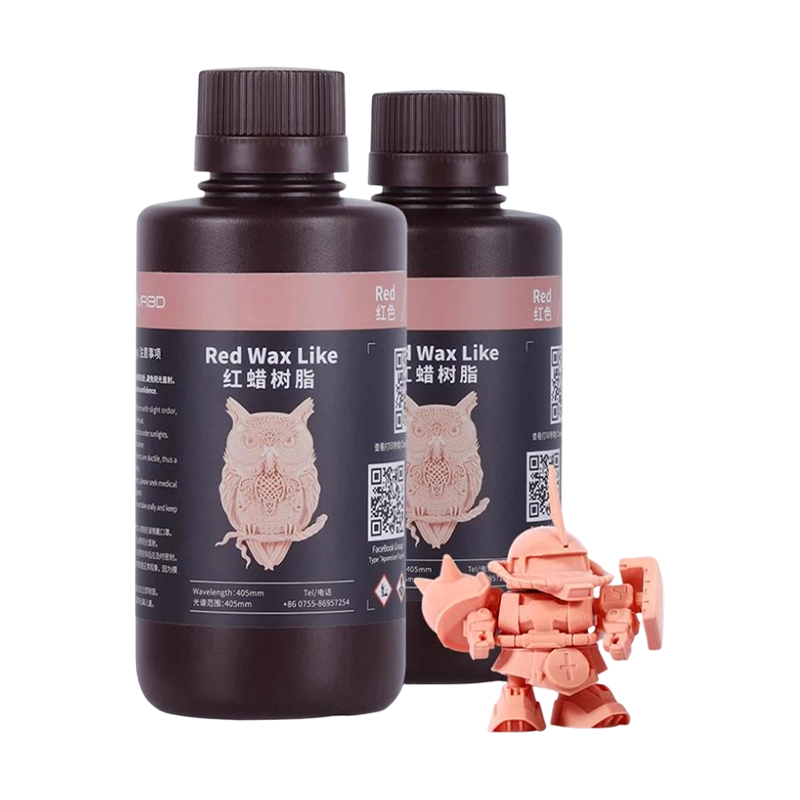
- 3D Printing Services

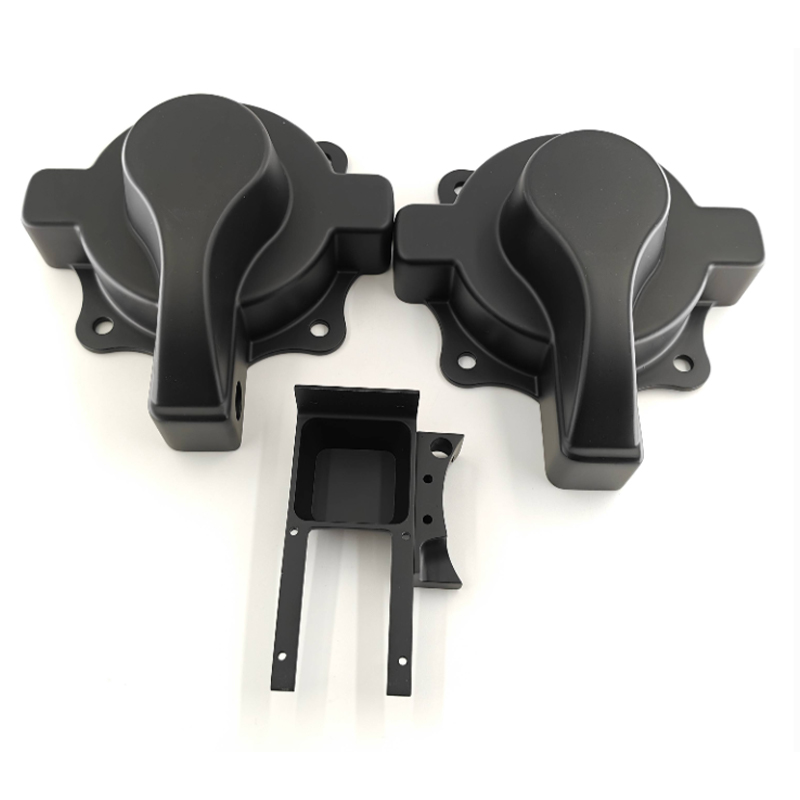
- CNC Machining Services

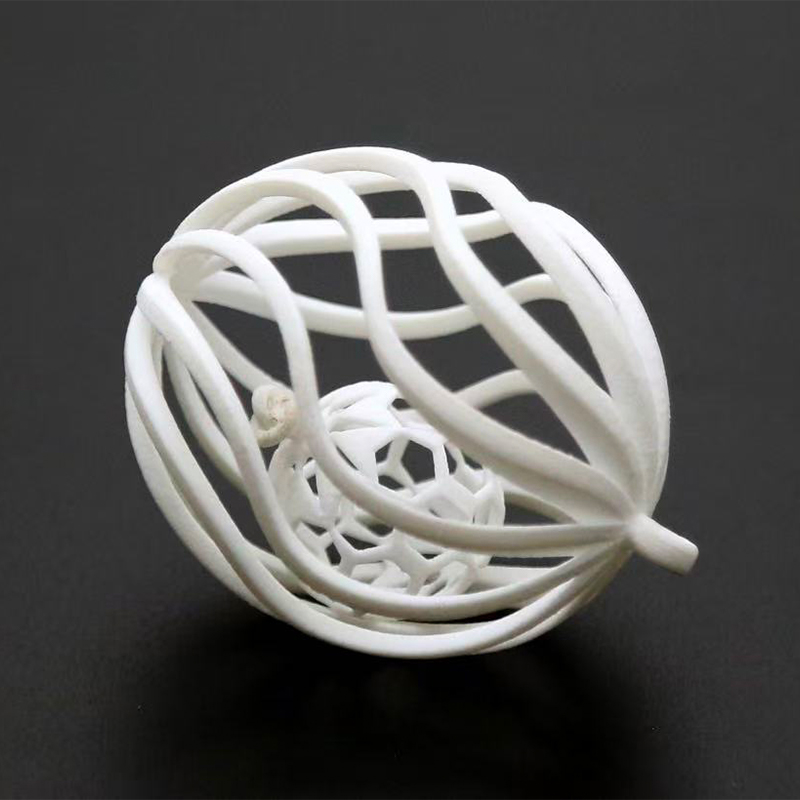
- Vacuum Casting Services

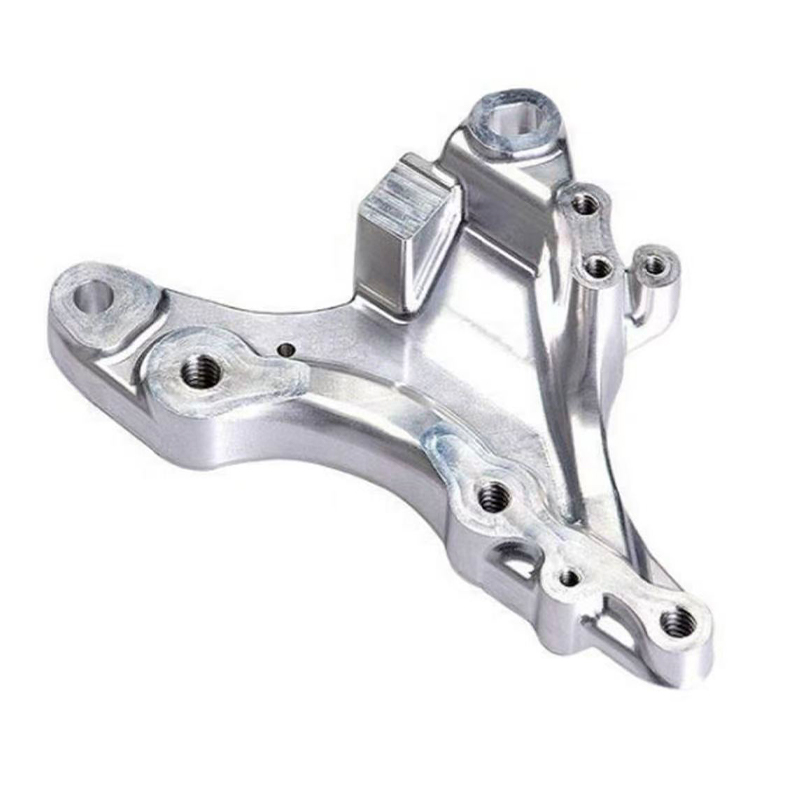
- Surface Finishing Services


 English
 Español


Rapid Prototyping Services: How to Choose a Reliable Manufacturing Partner
Content
- 1 What Rapid Prototyping Services Actually Deliver
- 2 How to Match a Prototyping Method to the Question You Need Answered
- 3 3D Printing for Rapid Prototyping Services: Where It Fits Best
- 4 CNC Machining and Precision Milling in a Prototyping Program
- 5 Vacuum Casting and Silicone Molds for Low-Volume Prototypes
- 6 Surface Finishing: The Difference Between a Prototype and a Product Sample
- 7 Selection Criteria for a Reliable Rapid Prototyping Supplier
- 8 Tolerances, Materials, and the Real Cost of Rework
- 9 From Prototype to Low-Volume Production: When One Process Is Not Enough
- 10 Questions to Ask Before You Send a CAD File
- 11 Industry Scenarios: Automotive, Consumer Electronics, Drones, and Robotics
- 12 Confidentiality and Global Delivery
- 13 Explore Related Manufacturing Resources
- 14 Frequently Asked Questions About Rapid Prototyping Services
- 14.1 What are rapid prototyping services?
- 14.2 Should I choose 3D printing or CNC machining for my prototype?
- 14.3 What tolerance can a rapid prototyping supplier hold?
- 14.4 Can vacuum casting replace injection molding for a small batch?
- 14.5 What file format should I send for a quote?
- 14.6 How do I protect my design during prototyping?
- 14.7 Can a prototyping supplier handle low-volume production after the prototype?
- 14.8 What affects lead time for rapid prototyping services?
A product team sends a CAD file on Monday and needs a physical part by Friday for a fit check, a customer demo, or a pilot build. That is the moment rapid prototyping services become practical rather than theoretical. The right service does more than turn a model into plastic or metal; it gives the team a fast way to test a design question, expose a tolerance problem, and decide what to change before tooling money is committed.
That is also why the buying decision deserves attention. A rapid prototyping supplier can be a 3D printing shop, a CNC machining partner, a vacuum casting specialist, or a manufacturer that connects all three with surface finishing and low-volume production. The difference shows up in lead time, material choice, DFM feedback, and how smoothly a prototype becomes a product sample. A prototyping supplier is not a wholesaler of standard parts; it is a manufacturing partner that interprets a design and returns a physical answer.
What Rapid Prototyping Services Actually Deliver
Rapid prototyping services usually deliver three things at once: geometry, material behavior, and a communication tool. Geometry is the obvious one. A physical part shows whether a cover sits flush, whether a connector clears a wall, or whether a bracket can be assembled with the intended fastener. Material behavior is less obvious but often more important. A resin model may look right and still flex too much, crack at a snap fit, or soften near a heat source. The communication tool matters because a physical sample lets design, engineering, purchasing, and marketing discuss the same object instead of different interpretations of a screen.
Good prototyping work also includes design-for-manufacturing feedback. Before the machine starts, the supplier should review wall thickness, draft angles, support placement, tool access, tolerance stack-up, and surface finish. That feedback is not paperwork. It is the difference between a part that arrives on time and a part that arrives with a note saying the thin rib broke during support removal. A manufacturer that asks questions before quoting is usually a better partner than one that simply accepts every file and promises everything.
There is also a commercial role. A prototype can support an investor demo, a trade show sample, a customer pilot, or an internal design review. In each case, the part needs to look and behave appropriately for the audience. A rough FDM fixture may be perfect for a factory trial and completely wrong for a retail buyer meeting. The prototyping service should understand the purpose, not only the geometry.
How to Match a Prototyping Method to the Question You Need Answered
The fastest way to choose a process is to start with the question, not the machine. If the question is “Does the housing look right in the hand?” a smooth resin print may be enough. If the question is “Will this aluminum bracket survive a vibration test?” the part probably needs metal and a process that produces metal properties. If the question is “Can we show fifty units to a focus group next month?” vacuum casting may be a better bridge than another round of 3D printing.
| Method | Best for | Typical materials | Strengths | Limits to plan for |
|---|---|---|---|---|
| SLA and DLP resin 3D printing | Visual models, fit checks, smooth surfaces, transparent or flexible parts | Standard resin, ABS-like resin, flexible resin, transparent resin, red wax resin | Fine detail, smooth finish, fast turnaround | Layer lines, limited heat resistance, support removal marks |
| SLS nylon 3D printing | Functional brackets, ducts, living hinges, small assemblies | Black nylon, white nylon, glass-fiber-reinforced nylon | Good strength, no support structures, complex geometry | Porous surface, lower detail than resin, color limited |
| SLM metal 3D printing | Metal prototypes with complex internal channels or lightweight structures | AlSi10Mg aluminum, 316L stainless steel, Ti6Al4V titanium, H13/S136 tool steel | Metal properties, design freedom, consolidated parts | Higher cost, post-processing, support removal, thermal stress |
| CNC machining | Tight tolerances, real engineering plastics, threads, inserts, large parts | Aluminum, steel, brass, ABS, PC, POM, nylon, and other machinable grades | Excellent dimensional control, broad material range, good surface finish | Setup cost, tool access limits, material waste |
| Vacuum casting and silicone molds | Low-volume duplicates, color matching, rubber-like parts, pre-launch samples | Polyurethane resins, ABS-like, PP-like, rubber-like materials | Lower cost per part at small volumes, good surface detail, color options | Mold life limits, slower than direct printing for one-offs, shrinkage control |
| Surface finishing | Appearance samples, texture matching, branding, durability checks | Paint, coatings, anodizing, electroplating, laser engraving, decals | Improves visual and tactile quality, supports customer approvals | Adds lead time, color variation risk, process-specific design rules |
The table is a starting point, not a rulebook. Many projects combine methods. A CNC-machined insert may be overmolded into a vacuum-cast housing. A resin print may be painted to test a color scheme. A metal bracket may be machined first and later produced by casting. The useful question is: what does the next decision require? If the decision needs a smooth appearance, prioritize surface. If it needs a precise fit, prioritize tolerance. If it needs a material response, prioritize the material and process pair.
3D Printing for Rapid Prototyping Services: Where It Fits Best
3D printing remains the default entry point for many rapid prototyping services because it removes tooling from the first loop. A design change can be printed and tested without a mold, a fixture, or a long setup. That speed is useful during early concept work, but it can also hide problems if the process is chosen carelessly. Resin printing, nylon sintering, metal melting, and filament extrusion produce different surfaces, strengths, and tolerances. Treating them as one category leads to mismatched expectations.
Resin processes for appearance and fit
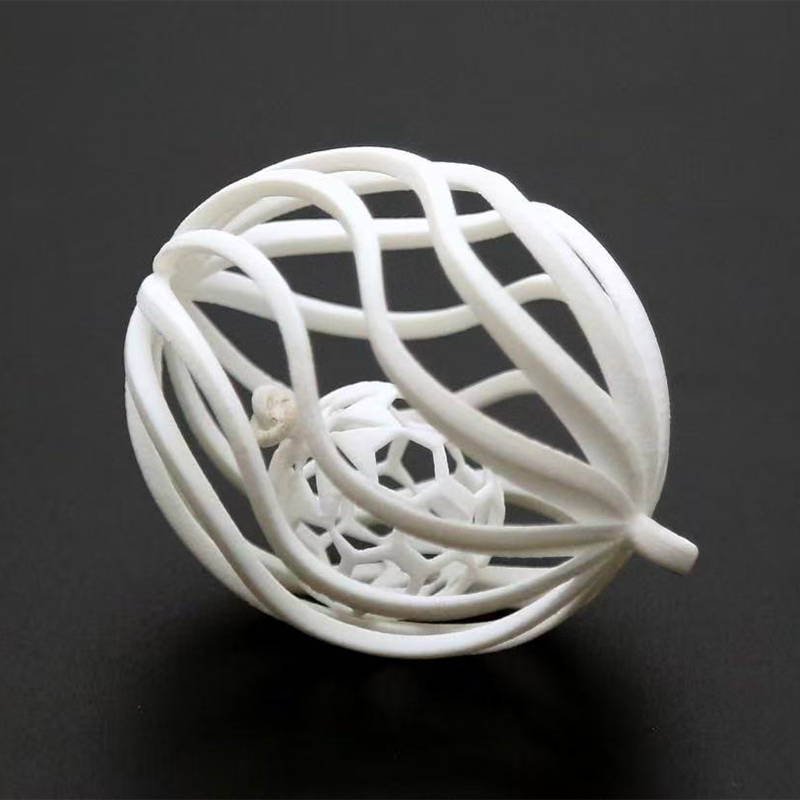
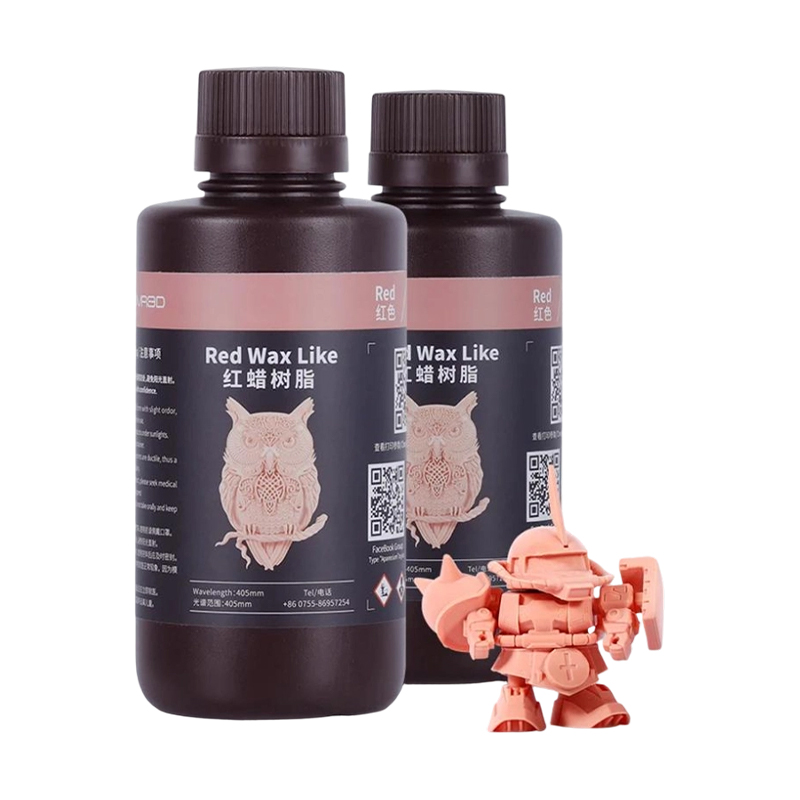
SLA and DLP resin printing are often used when the part needs to look clean, show fine detail, or fit into a small assembly. Standard resin gives a smooth surface for visual models. ABS-like resin offers more impact resistance for snap fits and housings. Flexible resin can simulate gaskets, grips, and soft-touch areas. Transparent resin supports light-pipe checks and clear covers. Red wax resin is used in casting workflows where a pattern is needed. These materials are not interchangeable, and a supplier should explain the trade-offs rather than simply quoting the lowest price per gram.
Resin parts usually need support removal, cleaning, and post-curing. That post-processing can affect dimensional accuracy and surface quality. A thin feature may warp during curing. A transparent part may need polishing to reach the intended clarity. A flexible part may tear if supports are removed too quickly. These are normal production details, but they should be discussed before the file is released.
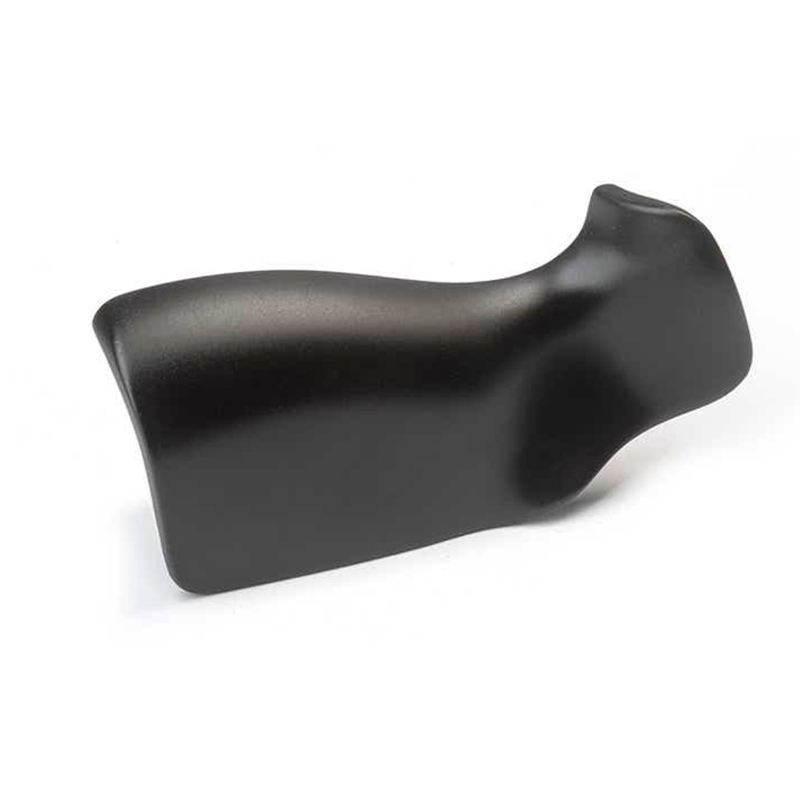
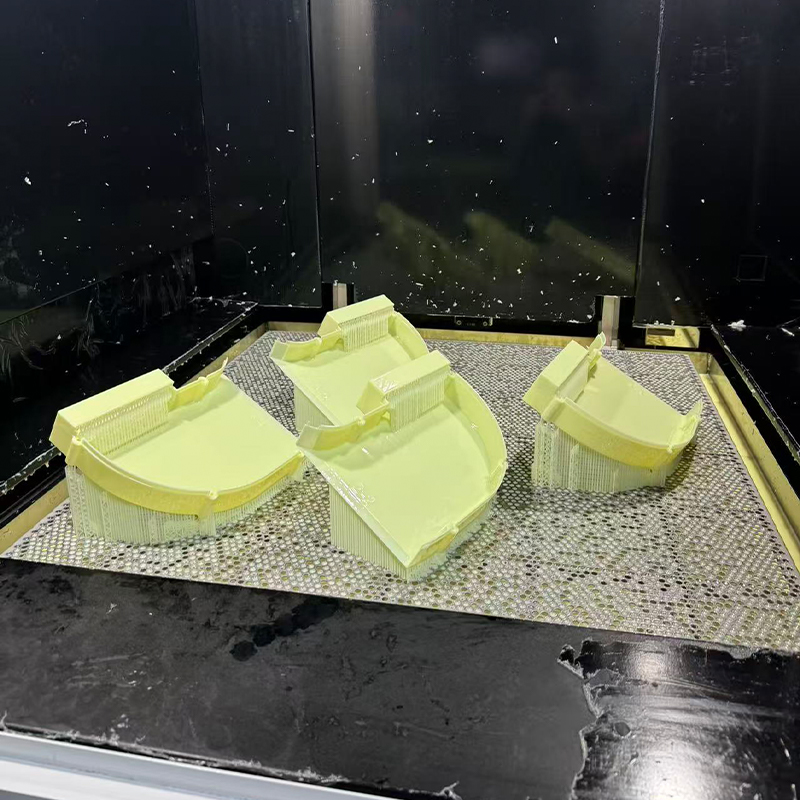 SLA Resin 3D Printing for High-Detail PrototypesStereolithography service produces smooth, fine-detail prototypes in ABS-like, transparent, black, off-white, and flexible resins for concept models and functional housings.View Product →
Nylon and metal printing for functional checks
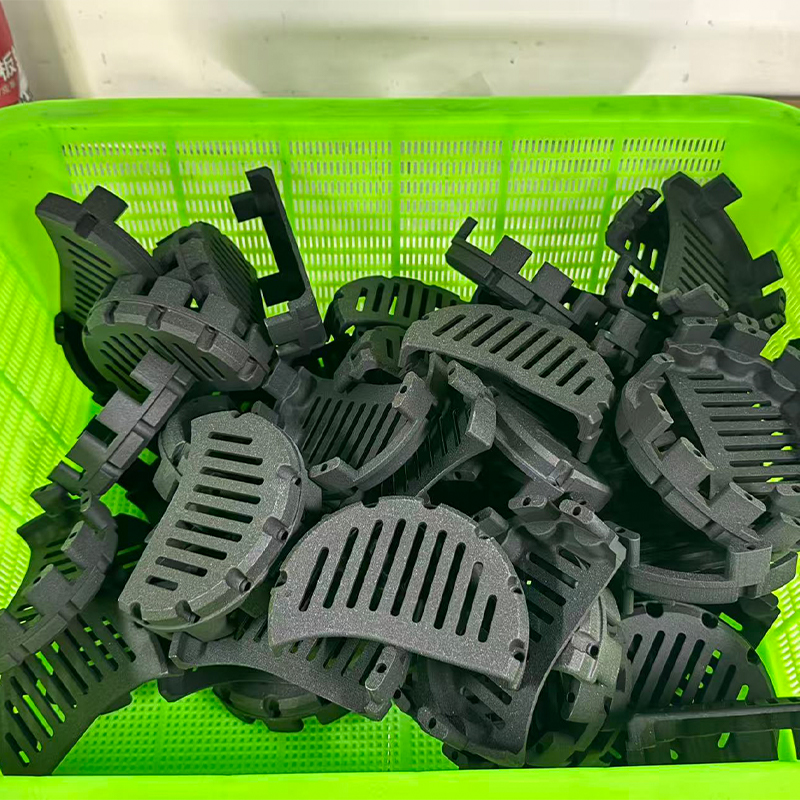
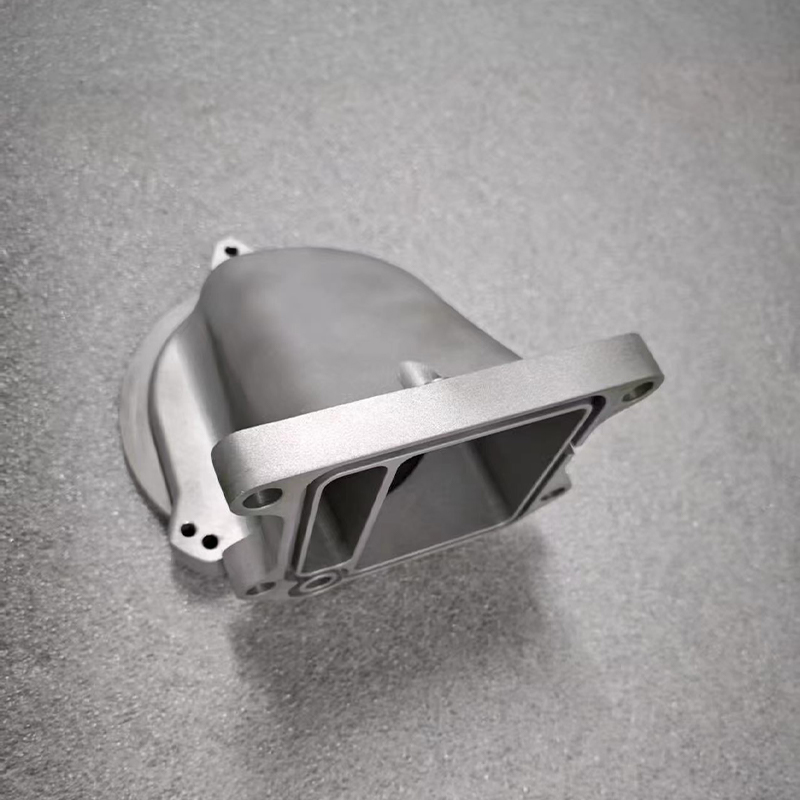
SLS nylon is a strong candidate for functional brackets, ducts, covers, and small assemblies that need to survive handling. Because the process uses unsintered powder as support, it can produce nested geometry and living hinges without the support marks common in resin processes. The surface is typically porous and matte, which is fine for internal parts but may need finishing for customer-facing samples. Glass-fiber-reinforced nylon can improve stiffness, though it also changes the surface and wear behavior of the part.
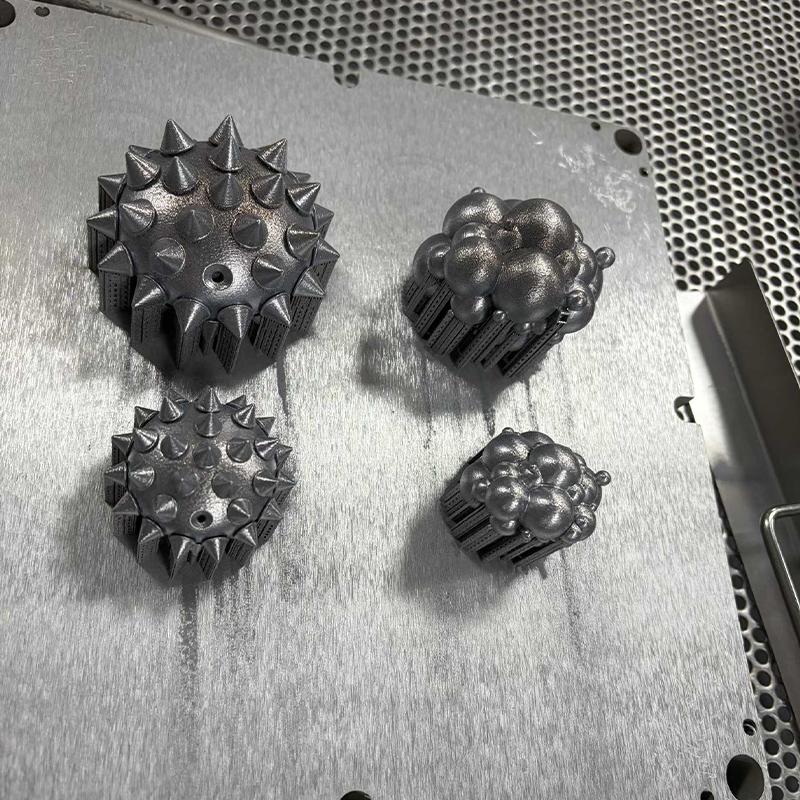
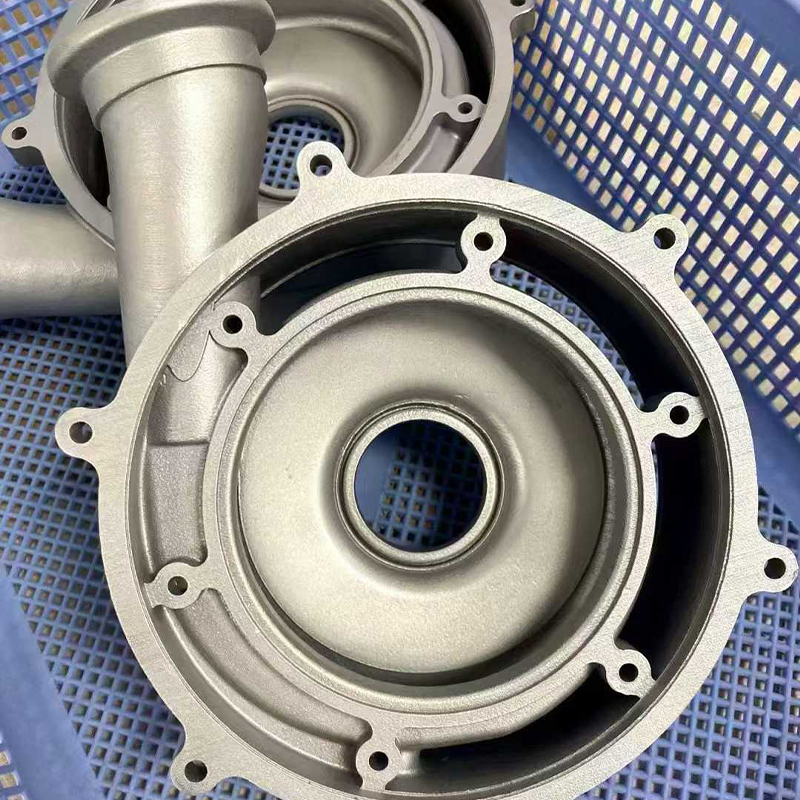
SLM metal printing is used when the prototype must be metal, when internal channels are important, or when a consolidated design can remove several assembled parts. Aluminum, stainless steel, titanium, and tool steel each bring different properties and post-processing needs. Metal printing is rarely the lowest-cost route for a simple block, but it can be the most direct route for a complex geometry that cannot be machined easily.
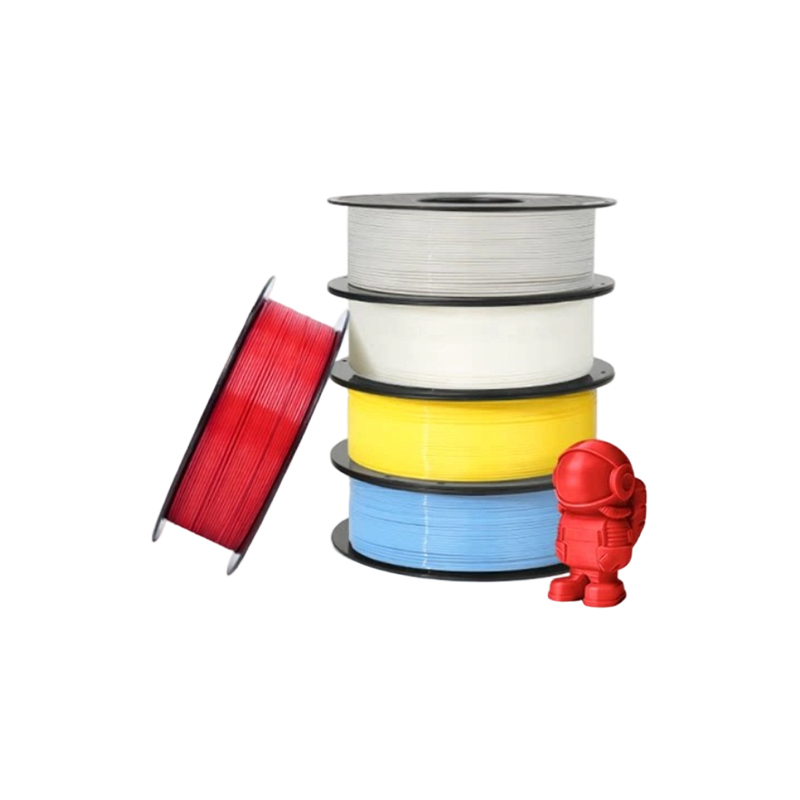
FDM printing is often used for large fixtures, jigs, check gauges, and early concept models where cost and size matter more than fine detail. Standard materials such as PLA, PETG, and ABS cover general needs, while high-temperature PLA, PAHT+CF, and PPS+CF support more demanding functional checks. The visible layer lines are part of the process, so FDM is usually a poor fit for a display sample that must look molded.
CNC Machining and Precision Milling in a Prototyping Program
CNC machining enters the prototyping conversation when the part needs tighter tolerances, real engineering materials, or a surface that behaves like the final product. A machined ABS or polycarbonate housing can be assembled with real screws and inserts. An aluminum bracket can be tested on a vehicle or robot without the caveat that it is only a resin mock-up. A machined acrylic light guide can be polished to check clarity. These are practical advantages that 3D printing cannot always match.
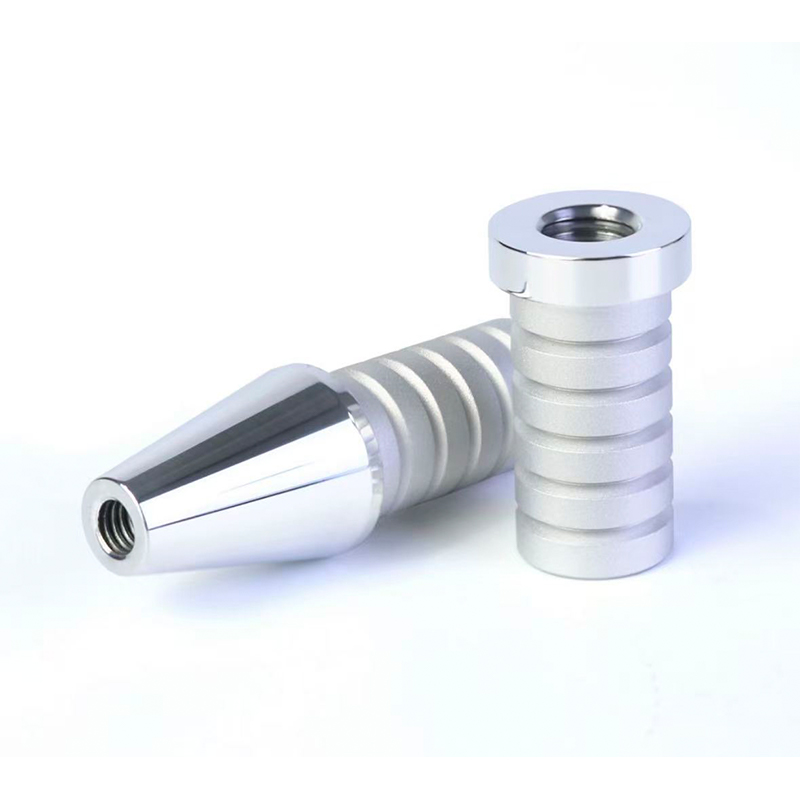
CNC milling is usually the first choice for prismatic parts, pockets, slots, mounting faces, and threaded holes. CNC turning is better for round parts such as shafts, bushings, spacers, and adapters. Precision CNC milling extends the same idea to features that need careful control, such as bearing seats, sealing surfaces, and mating interfaces. The trade-off is setup time and tool access. A design with deep narrow pockets, sharp internal corners, or undercuts may need electrical discharge machining or a redesign. A supplier that reviews the model early can often suggest a small change that keeps the part machinable without changing its function.
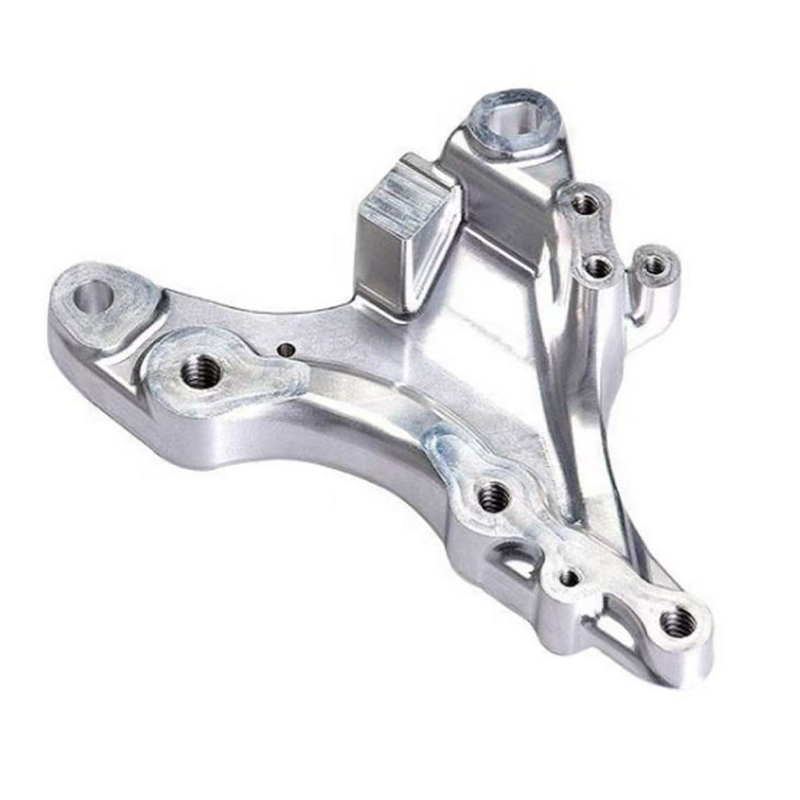
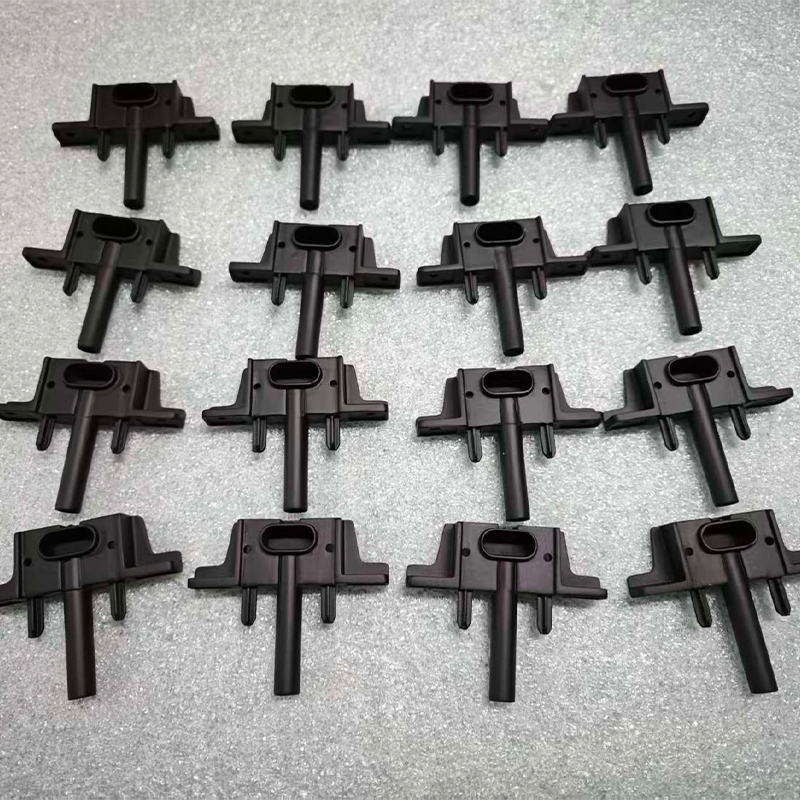
 CNC Milling Service for Metal and Plastic PartsCustom 3-axis to 5-axis milling covers aluminum, stainless steel, alloy steel, and engineering plastics, with tolerances to 0.1 mm for functional prototypes and fixtures.View Product →
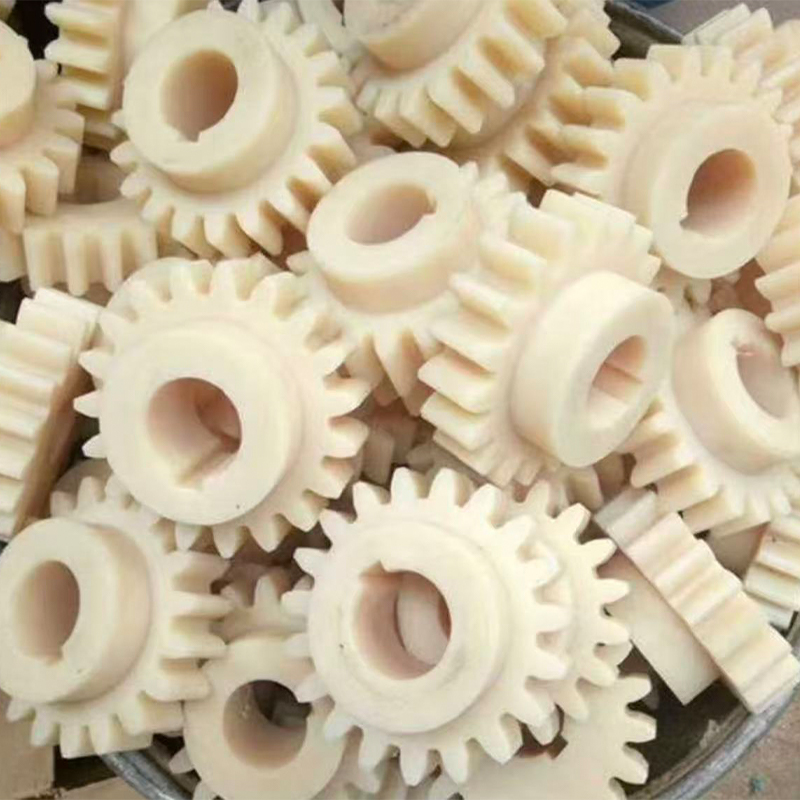
Material choice is a major part of the CNC decision. Aluminum is popular for prototypes because it is light, machinable, and can be anodized. Stainless steel is used when corrosion resistance or strength matters. Brass and copper appear in electrical and thermal applications. Engineering plastics such as POM, PC, ABS, and nylon are common for covers, fixtures, and insulators. Each material has different chip behavior, stress relief, and surface finish requirements, so the same geometry may need different parameters or even a different design approach.
CNC prototypes also tend to look more like production parts. Tool marks can be removed by sanding, polishing, or bead blasting. Anodizing, painting, laser engraving, and electroplating can be applied after machining. That makes CNC a strong choice for customer-facing samples, especially when the final product will also be machined or when the sample must survive repeated handling. The cost is usually higher per part than a simple 3D print, but the value comes from the confidence the part provides.
Vacuum Casting and Silicone Molds for Low-Volume Prototypes
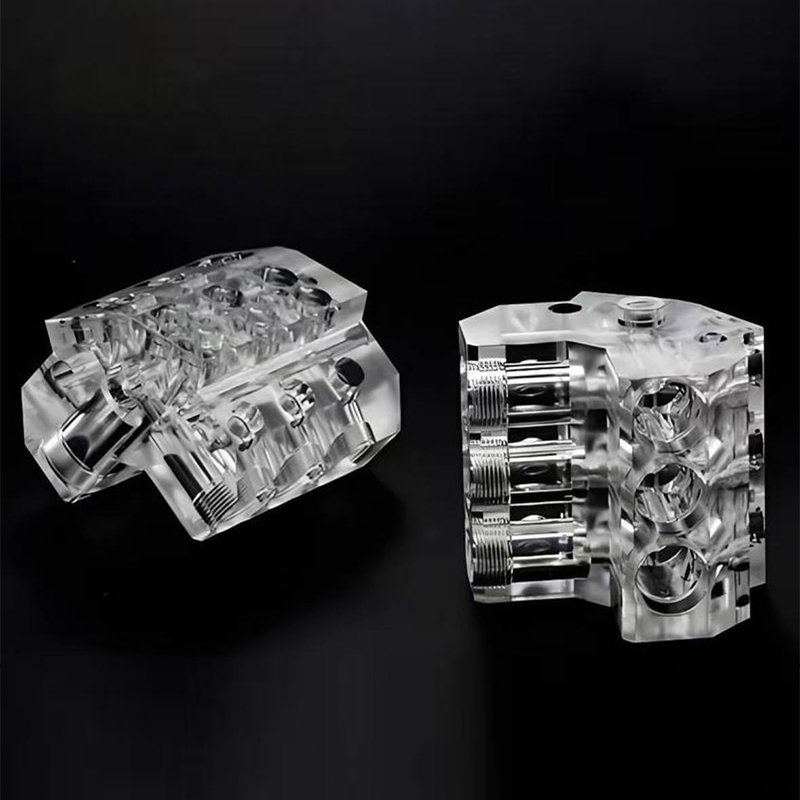
Vacuum casting fills the gap between a one-off prototype and a production tool. A master pattern is made by 3D printing or CNC machining, a silicone mold is cast around it, and polyurethane resin is poured under vacuum to produce duplicates. That workflow is useful when the team needs ten, fifty, or a hundred parts for market testing, field trials, sales samples, or pre-production validation. The per-part cost often falls compared with direct 3D printing, and the surface can be tuned to match a molded appearance.
Silicone molds can reproduce fine detail and capture textures, logos, and tight features. Material options include ABS-like, PP-like, rubber-like, and other polyurethane systems. That range allows a team to test a soft grip, a snap-fit housing, or a painted cover without committing to injection molding. Color matching is possible, but it is not the same as production color control. A supplier should discuss pigment, surface texture, and gloss level before producing a full set.
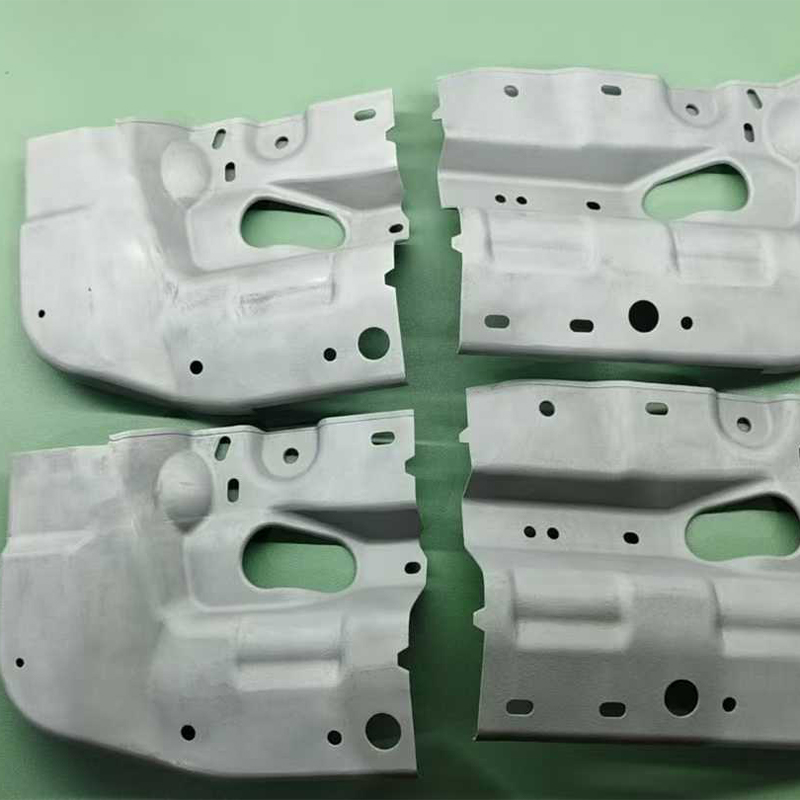
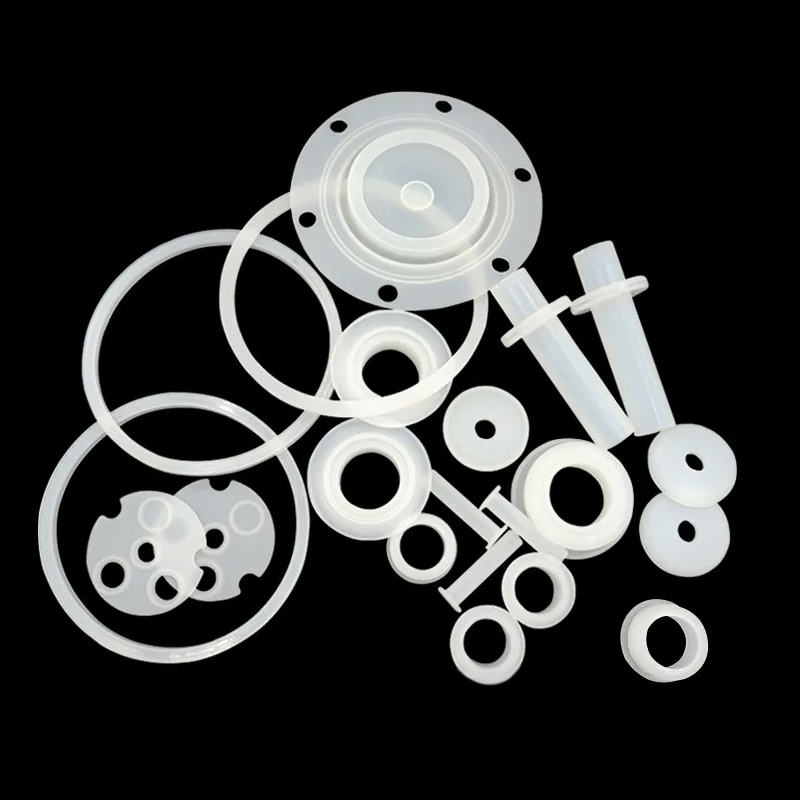
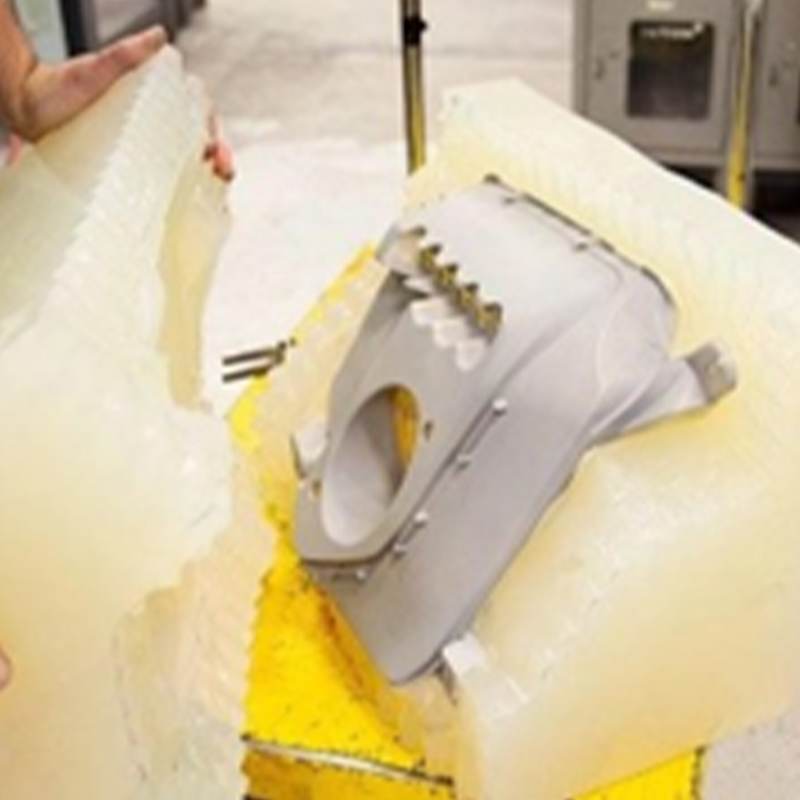 Vacuum Casting for Low-Volume Polyurethane PrototypesSilicone-mold casting produces 15–25 parts per mold in ABS-like, PP-like, and rubber-like resins for fit checks, enclosures, and bridge production.View Product →
Vacuum casting has limits that should be planned early. A silicone mold has a finite life, and the master pattern must be accurate because every copy inherits its geometry. Shrinkage varies by resin, so critical dimensions may need compensation. Very small holes, thin walls, and sharp edges can wear the mold faster. The process is also less suitable for high-temperature applications or parts that need metal-like strength. For the right project, however, it is an efficient bridge that produces a consistent batch without tooling steel.
This is where a one-stop manufacturer can reduce friction. If the master pattern is printed in-house, the silicone mold is made in-house, and the finishing is completed in-house, the handoffs are shorter and the responsibility is clearer. The customer does not need to coordinate three suppliers or explain the same requirement three times. That matters when the schedule is tight and the appearance standard is specific.
Surface Finishing: The Difference Between a Prototype and a Product Sample
A prototype can be dimensionally correct and still fail a customer review because the surface looks wrong. Surface finishing closes that gap. Painting and coating can match a matte or glossy appearance. Anodizing gives aluminum a durable, production-like finish. Electroplating adds a metallic look or conductive surface. Laser engraving creates branding, serial numbers, or markings. Decals and silk-screen printing reproduce labels and graphics. Soft and hard coatings change the feel and scratch resistance. Transparent parts can be polished or coated to reach semi-transparent or fully transparent appearance.
Finishing should be defined before the quote, not after the parts arrive. A “paint to match” request is not a specification. The supplier needs a color reference, a gloss level, a texture sample, and a definition of which surfaces are visible. If the part will be handled, the finish should survive handling. If it will be cleaned with solvents, the coating should resist them. If it is a display sample, the cosmetic standard may be stricter than for an internal fixture. These details affect process choice, lead time, and reject rate.
Finishing also interacts with the prototyping process. A resin part may need sanding before paint because layer lines can telegraph through a thin coating. A machined part may need bead blasting to create a uniform texture before anodizing. A vacuum-cast part may need mold release removal before painting. A supplier that controls both the part and the finish can adjust the upstream process instead of trying to fix defects at the end.
Selection Criteria for a Reliable Rapid Prototyping Supplier
Most buyers shortlist prototyping suppliers on price and lead time, then discover later that communication and engineering support matter just as much. A useful evaluation should look at how the supplier handles questions, not only how fast it can quote. The chart below reflects the criteria that often separate a smooth project from a costly loop of reprints and explanations.
These percentages are not a market statistic; they are a practical ranking based on common buyer concerns in custom prototyping projects. Use them as a discussion checklist rather than a scorecard.
The first bar matters because early feedback prevents late rework. If a supplier spots a thin wall, a deep pocket, or a tolerance stack problem before machining, the customer can change the design while change is still cheap. The second bar matters because a single-process shop may force every question into one answer. A manufacturer with resin, nylon, metal, CNC, vacuum casting, and finishing can recommend a different route when the first one is not suitable.
Tolerance control and inspection deserve more than a checkbox. Ask how critical dimensions are measured, what reference datum is used, and whether the inspection report will include the features that matter to assembly. Lead time reliability is also a technical issue, not only a scheduling one. A realistic supplier will flag a finish that adds two days or a mold that needs an extra cure cycle. Confidentiality is equally practical. The supplier should know who can see the files, how data is stored, and what happens when a project ends.
Surface finishing quality often decides whether a sample is accepted. A part that fits perfectly but has uneven paint or visible support marks will still fail a customer review. The best supplier will discuss cosmetic acceptance before production and show a sample or a clear standard when the finish is critical.
Tolerances, Materials, and the Real Cost of Rework
Tolerance is one of the most misunderstood parts of rapid prototyping. A drawing may say “±0.1 mm” on every dimension, but not every process can hold that everywhere. Resin printing may hold tight detail in plane while warping across a large flat face. SLS nylon may be strong and accurate enough for a bracket but have a rougher surface that affects a sealing face. CNC machining can hold tight tolerances on accessible features, but a deep pocket or a thin wall may move during machining. Vacuum casting inherits the master pattern and adds shrinkage, so critical dimensions need compensation.
The practical approach is to identify critical-to-function dimensions and let the supplier focus on those. A mounting hole pattern, a bearing seat, a sealing groove, or a connector opening usually matters more than the overall length of a cosmetic cover. If every dimension is marked critical, the supplier has to choose a slower, more expensive route or accept risk. A short tolerance review can often reduce cost without reducing quality.
Material behavior also changes the meaning of a prototype. A resin part may be stiff in a simple bend test and brittle in a drop test. A nylon part may survive impact but creep under a constant load. A machined aluminum part may be strong but heavier than the production plastic part. A vacuum-cast polyurethane part may look like ABS but have different heat resistance. These differences are not defects; they are reasons to test the right property. The supplier should ask what the part must survive, not only what it should look like.
Common sources of rework
- Thin walls or ribs that break during support removal or handling.
- Missing draft on vacuum-cast or molded parts, causing sticking or tearing.
- Sharp internal corners in CNC parts that cannot be reached by the cutter.
- Unrealistic color or gloss targets without a physical reference.
- Threads or inserts specified without enough wall thickness.
- Large flat surfaces that warp after printing, curing, or machining.
- Assemblies quoted as separate parts without checking mating tolerances.
Rework is expensive not only because of the second part. It also consumes engineering time, delays a review, and can push a launch date. A prototype that costs a little more but arrives with the right material and finish can be cheaper than three low-cost attempts that never answer the question. That is the commercial case for early DFM review and a supplier that is willing to say “this feature will not work as drawn.”
From Prototype to Low-Volume Production: When One Process Is Not Enough
Many projects do not move from a single prototype to a single production process. They move through a chain. A design is printed to check form, then machined to check a critical interface, then vacuum cast to produce a small batch for field testing, then finished to match the customer sample. Each step answers a different question. The handoffs between steps are where time is lost if the suppliers are disconnected.
A one-stop manufacturing platform can simplify this chain. The same team can review the CAD file, recommend a process, produce the master pattern, make the silicone mold, cast the batch, and apply the finish. That does not guarantee a perfect result, but it reduces the number of times a requirement is translated and the number of parties who can misinterpret a tolerance. It also makes it easier to compare the prototype with the production intent, because the same supplier sees both.
For low-volume production, vacuum casting and CNC machining are often used together. CNC can produce inserts, pins, and precise mating features. Vacuum casting can produce the surrounding housing in a production-like resin. Surface finishing can unify the appearance. If the final part will be injection molded, the prototype can still test assembly, ergonomics, packaging, and customer response. The goal is not to pretend that a prototype is a production part; it is to reduce the unknowns that remain when production begins.
Questions to Ask Before You Send a CAD File
A good RFQ is not a file attachment with the word “quote” in the subject line. It gives the supplier enough context to choose a process and flag risks. The following list is a practical checklist for a rapid prototyping project, whether the part will be printed, machined, cast, or finished.
- What is the purpose of the prototype: fit check, functional test, appearance sample, assembly trial, or customer demo?
- Which dimensions are critical to function, and which are cosmetic or non-critical?
- What material property matters most: stiffness, impact resistance, heat resistance, transparency, flexibility, or surface finish?
- What is the expected quantity now, and what quantity might be needed after the review?
- What surface finish is required, and is there a physical color or texture reference?
- Will the part be assembled with screws, inserts, adhesives, snap fits, or seals?
- What is the required delivery date, and what is the consequence of a delay?
- What file format is available: STEP, IGES, STL, or a native CAD file?
- Are there confidentiality requirements, and who is allowed to see the data?
- What is the acceptance method for the first article?
The answers do not need to be perfect. They need to be clear enough for the supplier to ask better questions. A rapid prototyping manufacturer that receives this context can often suggest a lower-cost process, a more suitable material, or a design change that improves the chance of a successful first article. That conversation is part of the service, not an extra.
Industry Scenarios: Automotive, Consumer Electronics, Drones, and Robotics
Different industries ask different questions of a prototype. In automotive work, a prototype may be used to check a mounting bracket, a trim fit, a connector housing, or a fixture for the assembly line. The part may need to resist vibration, heat, or chemicals. A resin visual model can confirm packaging, but a machined or metal part may be needed for a real load case. The supplier should know whether the part is under-hood, interior, or external, because that changes the material and finish discussion.
Consumer electronics projects often move quickly from appearance to assembly. A housing may need a smooth painted surface, a precise button opening, and a snap fit that survives repeated use. Resin printing can produce a fast appearance model. CNC machining can produce a housing with real threads and inserts. Vacuum casting can produce a small batch for focus groups or sales samples. Surface finishing can match the intended color and gloss. The key is to test the feel and assembly early, not only the shape.
Drone and eVTOL projects often focus on weight, stiffness, and integration. A prototype arm, mount, or enclosure may need to be light and strong while fitting around electronics. SLS nylon, machined aluminum, and carbon-fiber-reinforced FDM materials can all play a role, but the choice depends on the load and the environment. A prototype that is too heavy or too flexible can mislead the team about the final design.
Robotics projects often need custom grippers, covers, brackets, and sensor mounts. The prototype may be handled roughly, assembled and disassembled many times, or used in a demonstration. That makes surface durability and fastener design important. A machined or vacuum-cast part with proper inserts may be more useful than a fragile printed model, even if the printed model is faster to produce.
Confidentiality and Global Delivery
Prototyping often involves unreleased designs, customer lists, and launch timing. Confidentiality is therefore a manufacturing requirement, not a legal afterthought. A supplier should be able to explain who sees the files, how access is limited, and how physical samples are stored. A simple NDA is useful, but it is not a substitute for internal handling rules. The customer should also ask whether the supplier uses subcontractors and, if so, how those parties are covered.
Global delivery adds another layer. A prototype may need to arrive before a review, a trade show, or a customer visit. The supplier should be able to discuss packaging, customs documentation, and shipping method without treating them as unrelated to the manufacturing schedule. A part that is finished on time but held in transit has missed the review. Good communication includes tracking, photos before shipment, and a clear point of contact when something changes.
For overseas OEM customers, time zone differences can be helpful or harmful. A supplier that replies with clear written summaries and photos reduces the need for repeated calls. A supplier that relies on short messages without dimensions or finish notes creates ambiguity. The best working style is usually a short written recap after each decision: material, process, finish, quantity, inspection, and ship date.
Explore Related Manufacturing Resources
If you want more context on how 3D printing, CNC machining, and vacuum casting fit together in a China-based manufacturing program, the following resources are useful starting points.
China 3D printing services and CNC machining manufacturer guide Zhejiang Jiaheng Intelligent Equipment ManufacturingFrequently Asked Questions About Rapid Prototyping Services
What are rapid prototyping services?
Rapid prototyping services produce physical parts from CAD data using processes such as 3D printing, CNC machining, vacuum casting, and surface finishing. They are used to test form, fit, function, appearance, and assembly before a design is released to production. The best services also provide DFM feedback and help select the process that matches the test.
Should I choose 3D printing or CNC machining for my prototype?
Choose 3D printing when speed, complex geometry, or low setup cost matters most. Choose CNC machining when you need tight tolerances, real engineering materials, threads, inserts, or a production-like surface. Many projects use both: a printed model for early form checks and a machined part for functional validation.
What tolerance can a rapid prototyping supplier hold?
It depends on the process, material, geometry, and feature. Resin printing, SLS nylon, CNC machining, and vacuum casting each have different capability windows. Rather than asking for a single number, identify the critical dimensions and ask the supplier how they will be controlled and inspected. A realistic tolerance discussion is more useful than a blanket claim.
Can vacuum casting replace injection molding for a small batch?
Vacuum casting can produce a small batch of parts that look and feel close to molded production, especially for pre-launch samples, market tests, and bridge volumes. It is not a permanent replacement for injection molding. Mold life, material properties, and long-term consistency are different. The right choice depends on quantity, material, and the life of the program.
What file format should I send for a quote?
STEP or IGES is usually preferred for machined and cast parts because it preserves solid geometry. STL is common for 3D printing but can lose fine features if the mesh is coarse. A native CAD file can be helpful for DFM review when confidentiality allows. Always include units, critical dimensions, and a note on the part purpose.
How do I protect my design during prototyping?
Use an NDA, share only the files needed for the quote, and ask who inside the supplier will have access. A manufacturer with clear data handling and a need-to-know process is usually easier to work with than one that cannot explain its internal controls. Physical samples should also be handled with the same care as digital files.
Can a prototyping supplier handle low-volume production after the prototype?
Many can, but the exact path depends on the process. Vacuum casting, CNC machining, and small-batch finishing can bridge from prototype to pilot production. If the final part will be injection molded, the prototype can still validate assembly, ergonomics, and customer response while the production tool is being planned.
What affects lead time for rapid prototyping services?
Lead time is affected by process, material availability, part size, finish, quantity, and inspection requirements. A simple resin print may move quickly, while a machined part with anodizing or a vacuum-cast batch with color matching needs more steps. A supplier that gives a realistic schedule with dependencies is more useful than one that promises the shortest possible date.
Rapid prototyping services work best when they are treated as a sequence of learning steps rather than a single purchase. The first part should answer a question, the second should reduce a risk, and the third should confirm that the design is ready for the next stage. A supplier that can move between resin printing, nylon and metal printing, CNC machining, vacuum casting, and surface finishing gives the project more ways to answer those questions without restarting the conversation.
The practical takeaway is simple: define the decision, name the critical dimensions, choose the process that can test them, and ask for DFM feedback before the machine starts. That approach will not make every prototype perfect, but it will make the result more useful, easier to explain, and less likely to be repeated. For a team under schedule pressure, that is the real value of a reliable rapid prototyping manufacturer.
Contact Information
-

zjjh@jiahzn.cn
-

+86-18936159957
-
+86-18966326325
ADD
-

Building 7, No. 188, Hongni Section of Zha Wang Road, Danghu Subdistrict, Pinghu City, Jiaxing City, Zhejiang Province, China
Copyright © 2026 by Zhejiang Jiaheng Intelligent Equipment Manufacturing Co., Ltd. OEM/ODM Integrated Smart Manufacturing Platform Manufacturers
