



 English
 Español








One-Stop Precision Manufacturing Solutions Suppliers
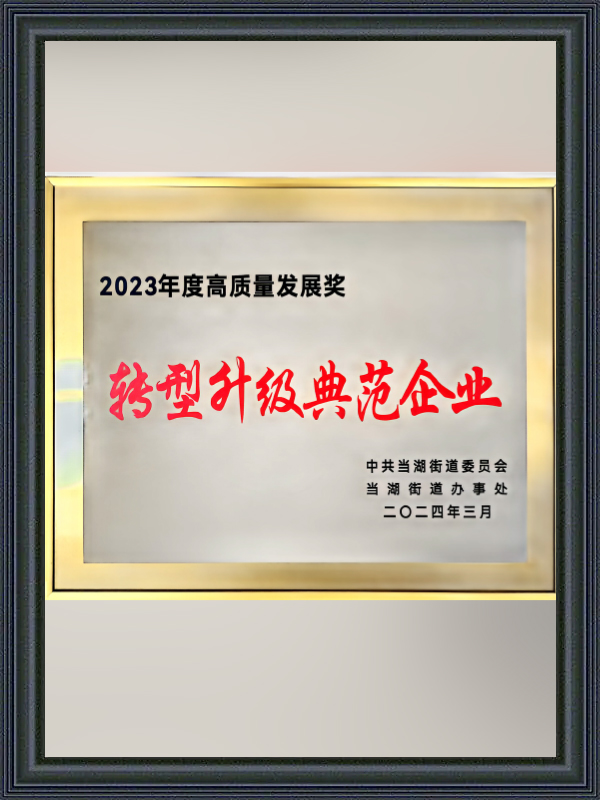
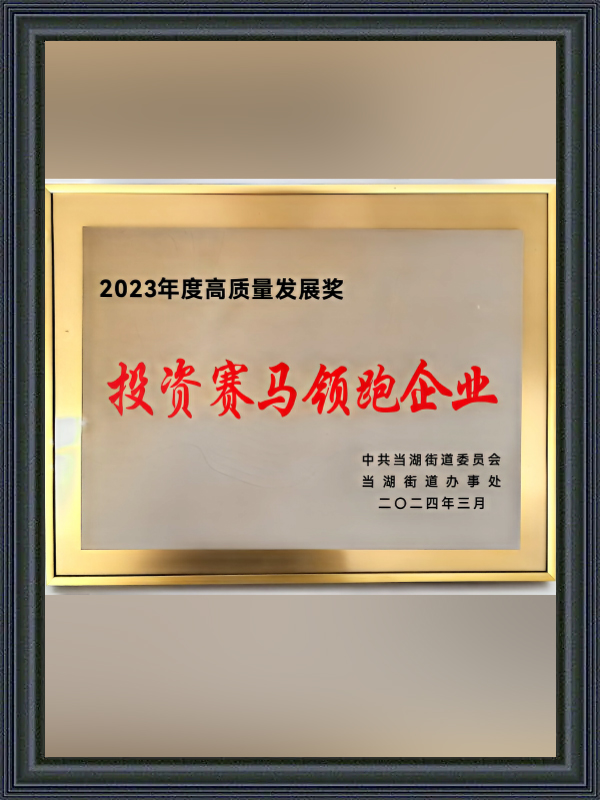
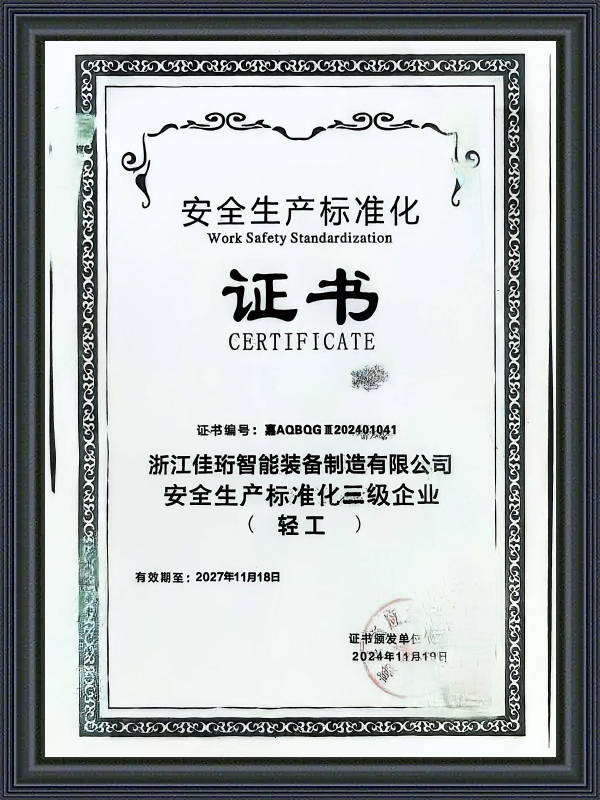
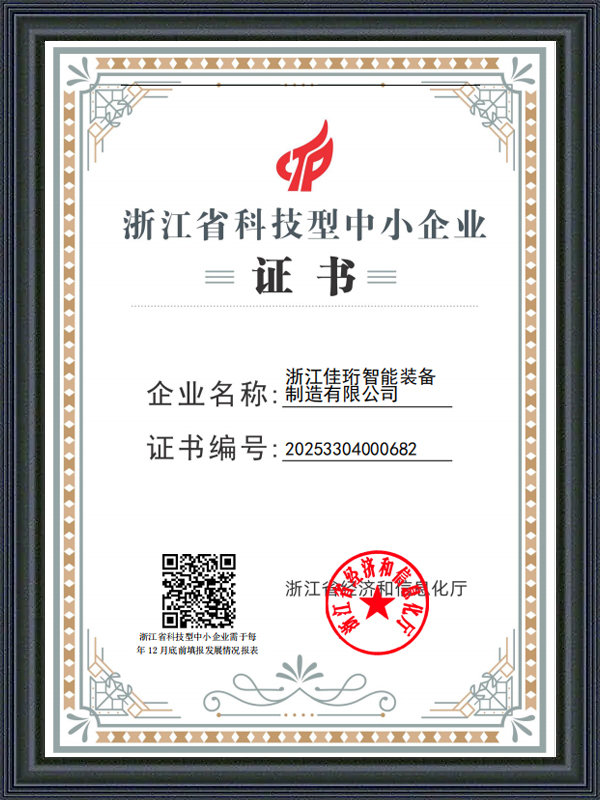
Zhejiang Jiaheng Intelligent Equipment Manufacturing Co., Ltd. is a China one-stop precision manufacturing solutions manufacturer and OEM/ODM factory. We take a part from CAD data through process selection, production, finishing, inspection and packing, so a program can be completed on one platform instead of being split across separate vendors.
Our range covers industrial 3D printing in resin, nylon and metal, precision CNC machining, silicone mold vacuum casting and a full surface finishing department. We accept prototype samples, custom parts and small-to-large batch contract manufacturing for automotive, consumer electronics, UAV and eVTOL, robotics and medical rehabilitation accessory programs.
What We Manufacture
Our One-Stop Precision Manufacturing Solutions Suppliers service is organized around four production departments that share one engineering and quality system. A single project can move between them without re-quoting the whole scope: a resin master pattern can be printed, finished, molded in silicone and then cast in a urethane that mimics ABS or PP.
- 3D printing: SLA and DLP photopolymer resin, SLS nylon, SLM metal and FDM engineering plastics.
- CNC machining: milling, turning and precision milling on 3-axis to 5-axis and high-speed gantry equipment.
- Vacuum casting: silicone molds, low-pressure urethane casting, compression molded silicone parts and rubber parts.
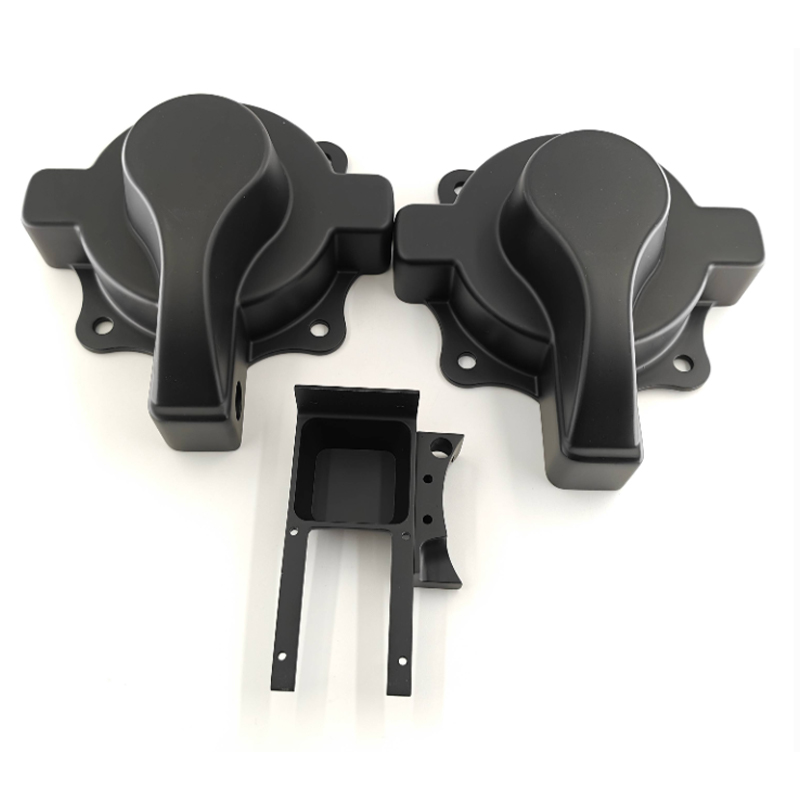
- Surface finishing: painting and coating, electroplating and anodizing, laser engraving, decal and silk screen printing, grinding, polishing and sandblasting.
Our Available Range and Where Each Process Fits
Process selection is driven by geometry, material requirement, surface expectation and quantity. The table below shows how we position each service line and the part families it normally serves.
| Service Line | Typical Materials | Application Fit | Quantity Band |
|---|---|---|---|
| SLA Resin 3D Printing Service | ABS-like, off-white, transparent, black, flexible resin | Concept models, appearance prototypes, silicone mold masters | 1 to tens of pieces |
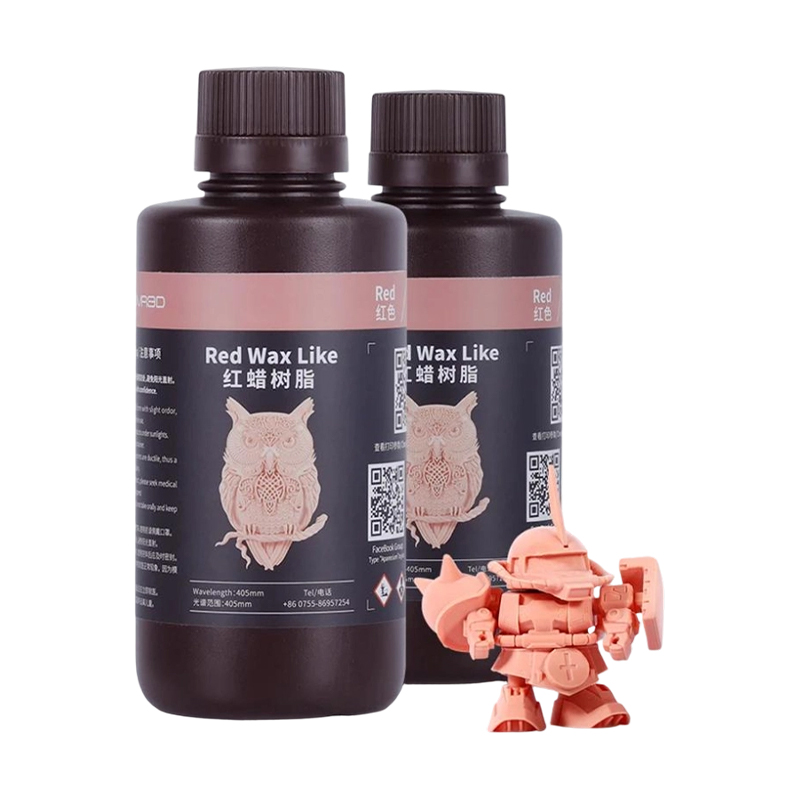
| DLP Resin 3D Printing Service | Red wax casting resin and fine-detail resins | Jewelry, figurines, dental models, small precision parts | Small parts, high detail |
| SLS Nylon 3D Printing Service | White nylon, black nylon, nylon + glass fiber | Snap fits, thin-wall housings, functional end-use parts | One-off to nested builds |
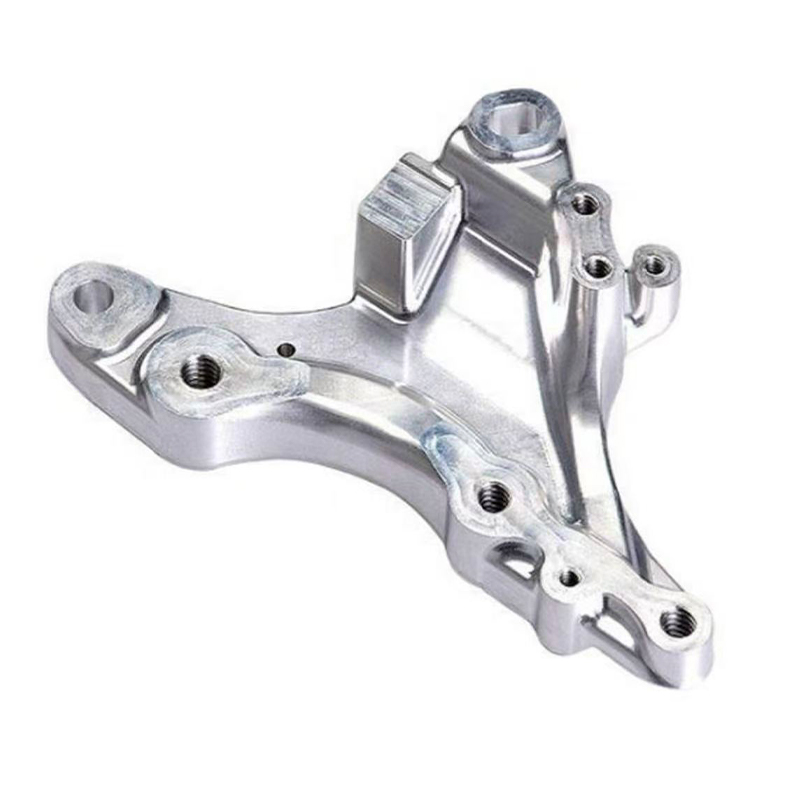
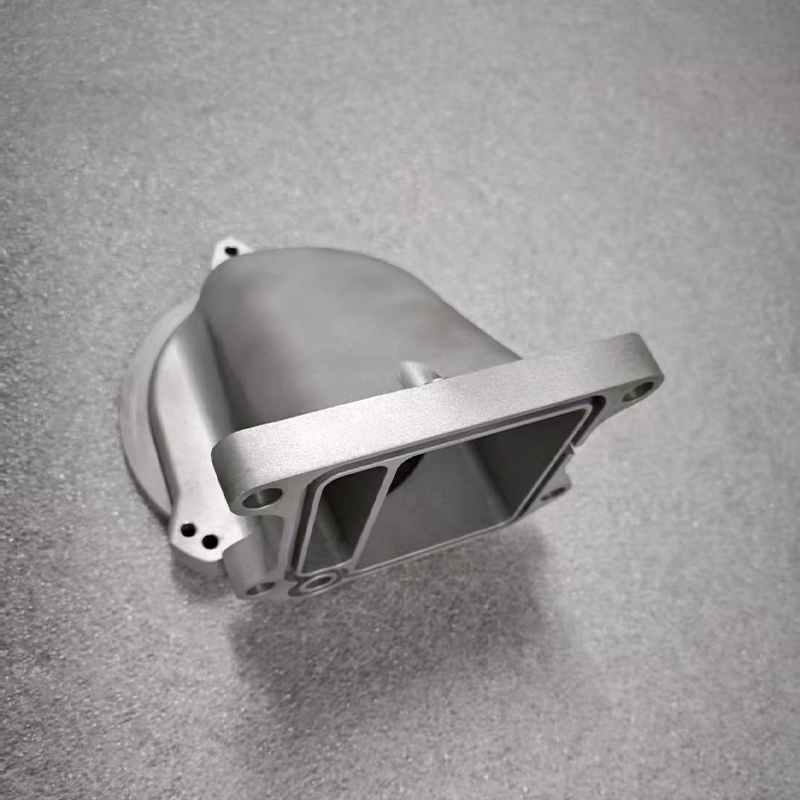
| SLM Metal 3D Printing Service | Stainless steel 316L, AlSi10Mg, Ti6Al4V, H13 / S136 tool steel | Lightweight brackets, heat-dissipation channels, tooling inserts, medical accessories | Prototype to small batch |
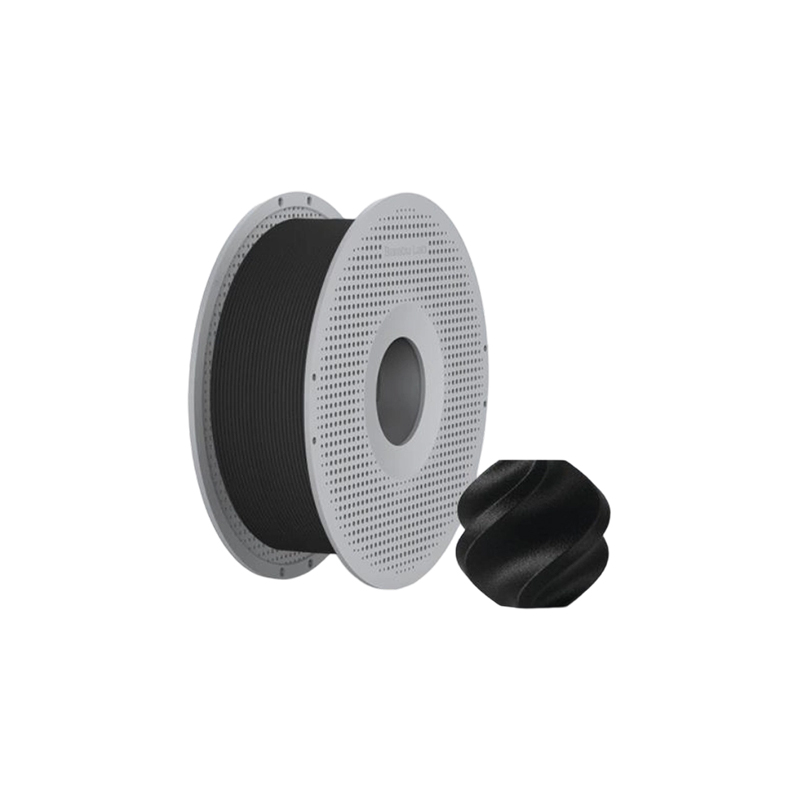
| FDM Plastic 3D Printing Service | PLA, PETG, ABS, HT-PLA, PAHT+CF, PPS+CF | Jigs, fixtures, large enclosures, high-temperature and carbon-reinforced parts | Single units to small runs |
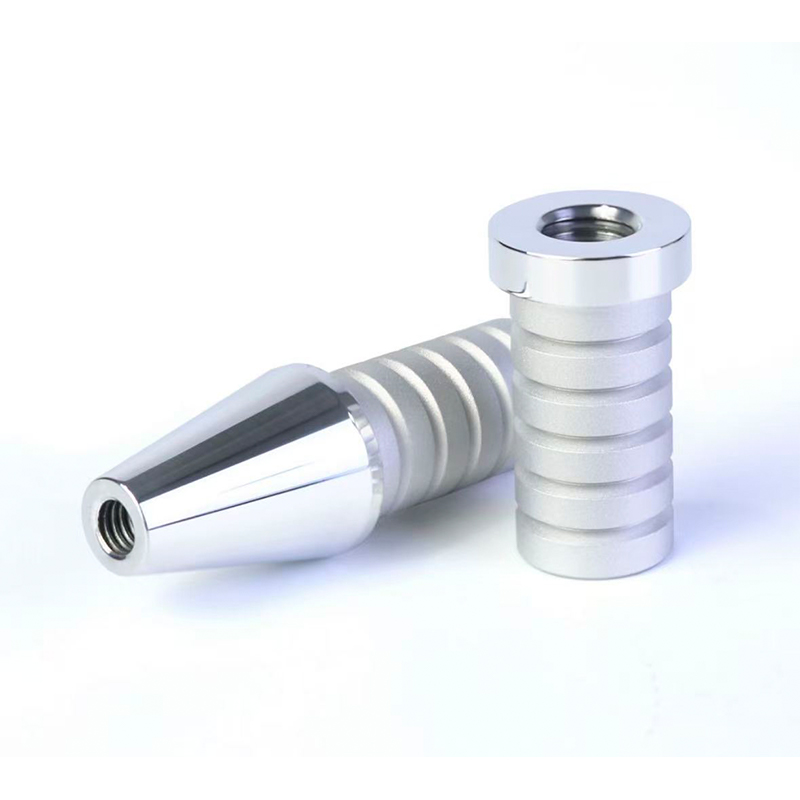
| CNC Milling Service and CNC Turning Service | Engineering plastics and machinable metals | Prismatic housings, shafts, bushings, precision interfaces | Prototype to repeat batch |
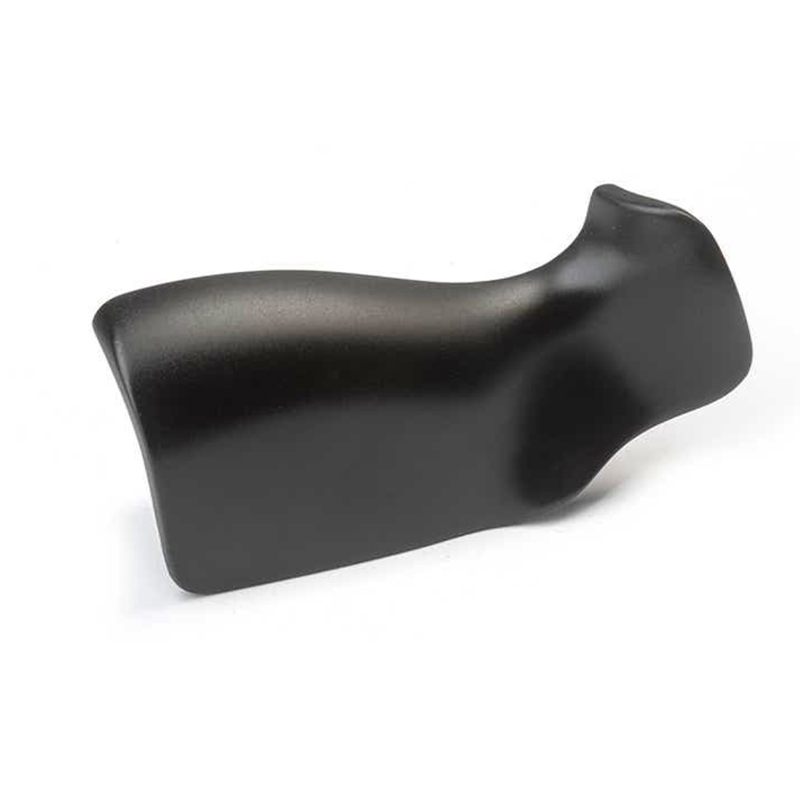
| Vacuum Casting | PP-like, ABS-like and rubber urethanes | Pre-production housings, covers, gaskets, overmolded grips | Low-cost small batch from a silicone mold |
| Painting & Coating (Matte / Glossy Finish) | Primers, color coats, matte and glossy topcoats | Appearance parts, color matching, texture control | Applies across all departments |
3D Printing: Matching Technology to Part Requirement
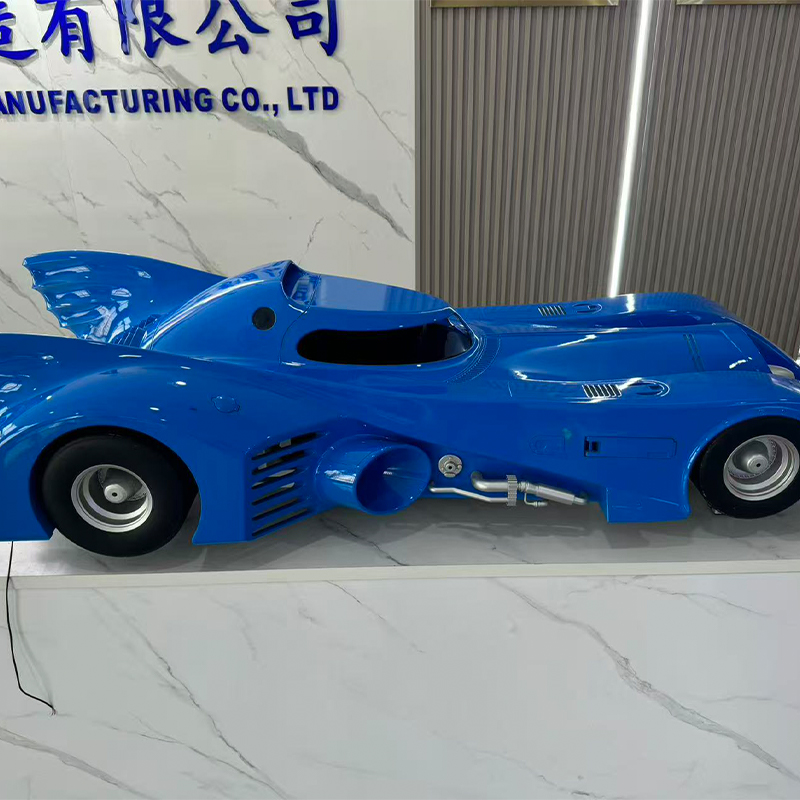
Resin printing covers appearance and master-pattern work. Our SLA line runs a maximum build volume of 1.7 x 0.8 x 0.65 m, which allows full-size automotive styling sections and large enclosures to be produced in one piece. DLP uses full-layer exposure for faster builds and finer texture, which suits small parts where surface detail is the governing requirement.
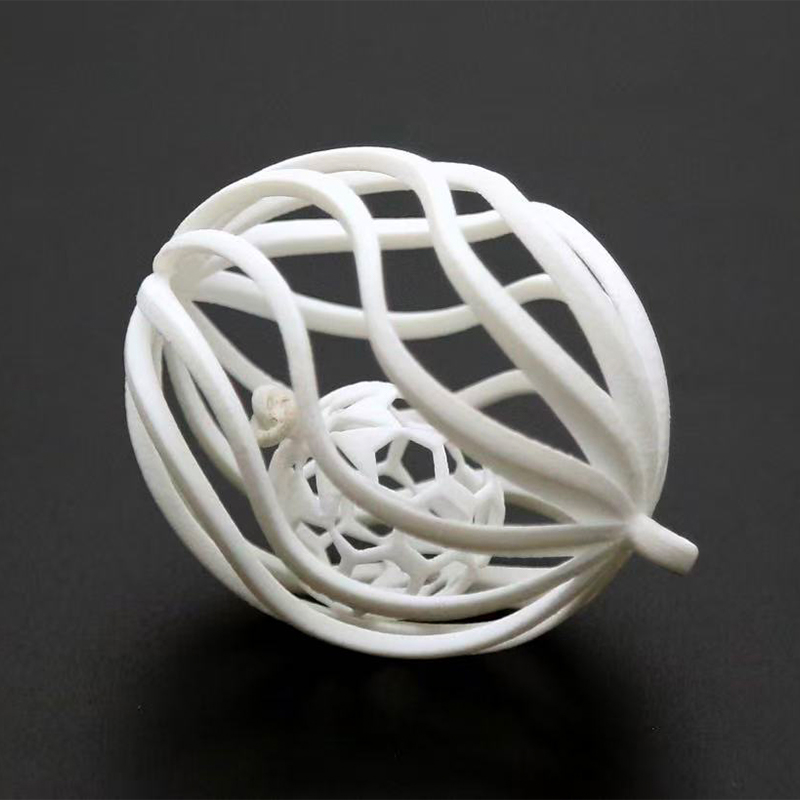
Nylon sintering needs no support structures, so internal channels, living hinges and nested assemblies can be built in a single operation. Glass-fiber reinforced nylon raises rigidity and heat resistance for brackets and structural housings. Metal printing with 316L, AlSi10Mg, Ti6Al4V or H13 / S136 produces near-100% dense functional metal parts, including conformal cooling inserts and lightweight brackets that would otherwise require multi-part assembly.
FDM Engineering Materials
- Standard FDM materials (PLA, PETG, ABS): general fixtures, covers and visual models.
- HT-PLA: higher-temperature service than standard PLA for jigs and housings.
- PAHT+CF: carbon-fiber reinforced high-temperature nylon for stiff, heat-exposed functional parts.
- PPS+CF: carbon-fiber reinforced PPS for chemical and thermal resistance in demanding fixtures.
CNC Machining and Vacuum Casting
Our machining department integrates high-speed gantry milling machines, 3-axis to 5-axis machining centers and CNC lathes. Milling covers prismatic housings, panels and precision interfaces; turning covers rotational parts such as shafts, bushings and threaded components. Where a part needs both, we machine it in one setup sequence so datum relationships stay consistent.
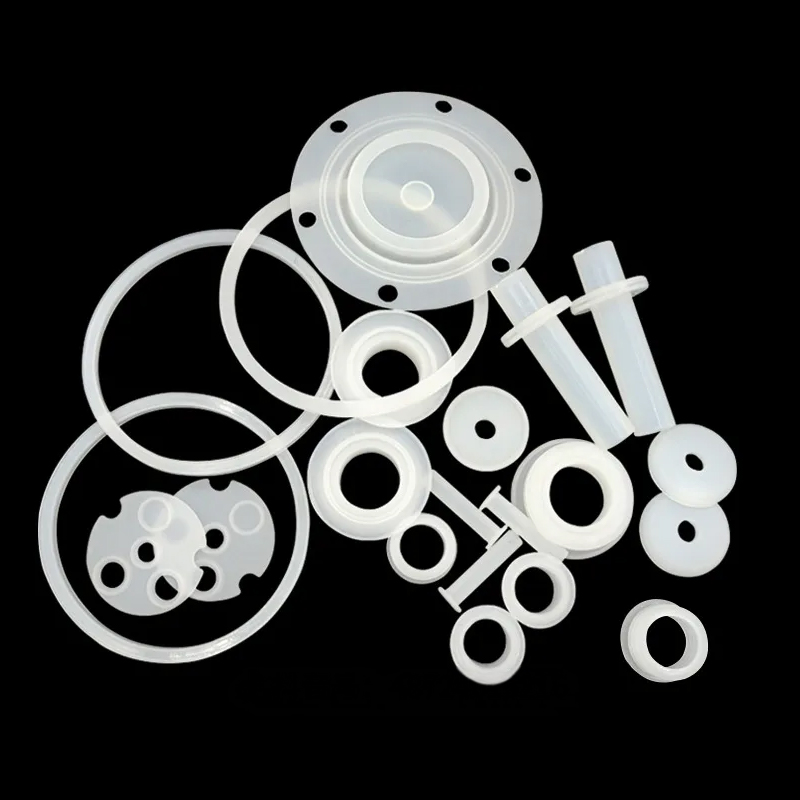
Vacuum casting uses a 3D printed or CNC machined master to build a silicone mold, then casts urethane under vacuum or low pressure. This is the cost-effective route for pre-production batches of 10 to 100 pieces in PP-like, ABS-like or rubber materials, and it accepts the same inserts, threads and snap features as the final molded part. Compression molded silicone covers gaskets, seals and soft-touch components that must remain flexible.
Surface Finishing and Appearance Control
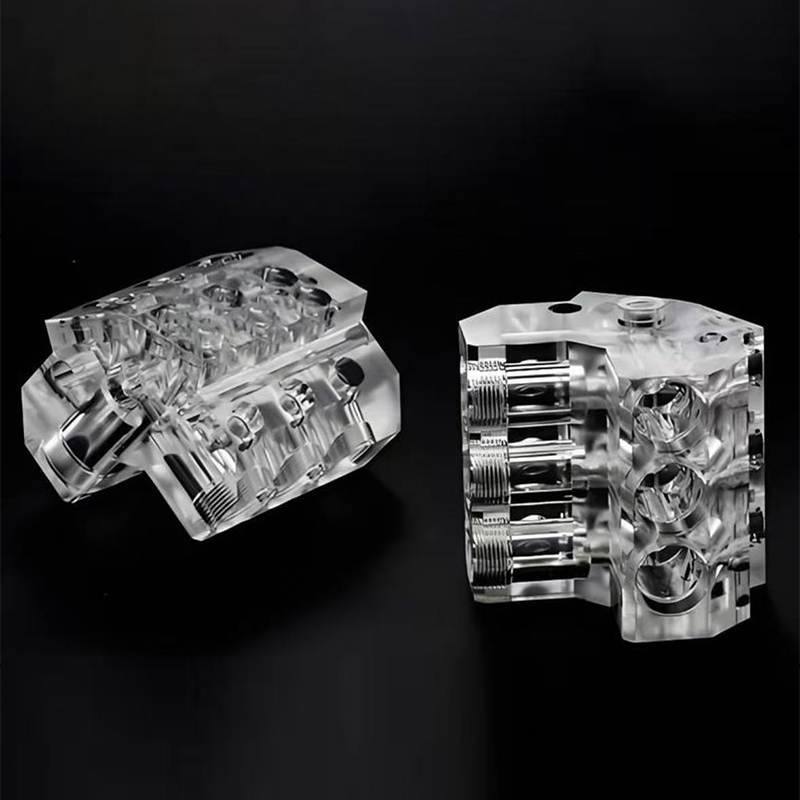
Finishing determines whether a prototype reads as a production part. We apply soft and hard coatings, electroplating and anodizing, laser engraving, decal and silk screen printing, grinding, polishing and sandblasting, and matte or glossy painting. Transparent parts can be delivered semi-transparent or fully transparent with controlled clarity.
- Color and texture: paint systems matched to a supplied sample or color reference.
- Marking: laser engraving and silk screen printing for logos, scales and part numbers.
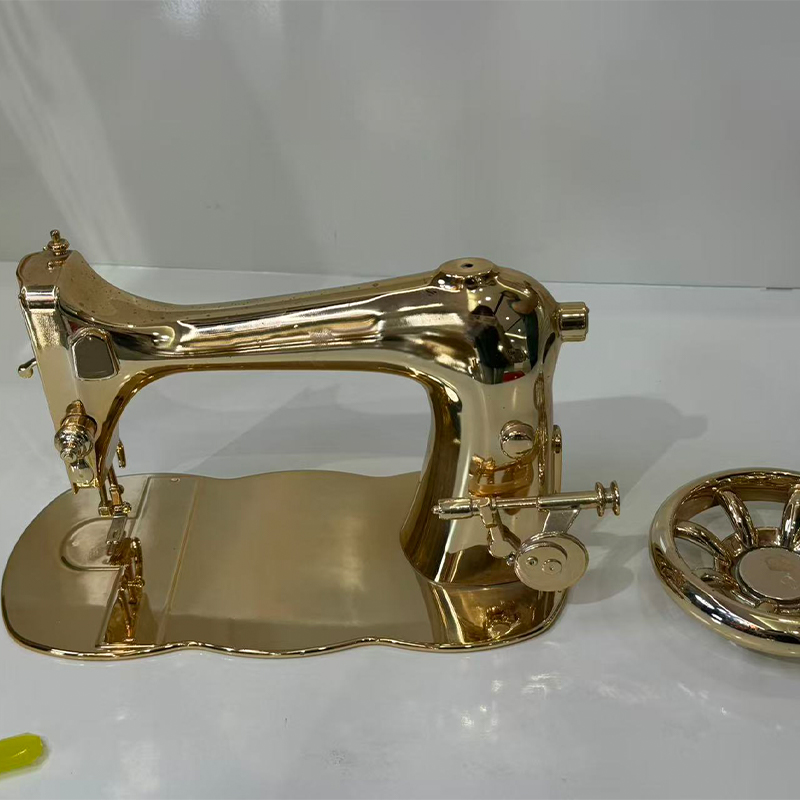
- Metal appearance: anodizing and electroplating for housings and trim parts.
- Optical parts: polishing and transparent treatment for lenses, light guides and windows.
Quality Control and Acceptance
We run full-process inspection: incoming raw material checks before storage, periodic sampling during production, and finished-part dimensional and appearance verification before shipment. Every customized workpiece is inspected against the agreed dimensional tolerance and appearance standard, which keeps precision consistent between prototype and batch production.
Confidentiality is handled as a production control, not a promise. Customer projects are separated in closed workshops, staff sign non-disclosure agreements, and drawing files are held on an isolated internal network that blocks unauthorized external transmission.
Information We Use to Configure Your Solution
A usable quotation depends on the working point of the part, not on a category name. We prepare the process route and price from the following inputs.
- 3D data: STEP, STL, IGES or native CAD, with the revision level identified.
- Material and finish: required polymer or metal grade, color, gloss level and texture.
- Critical dimensions: tolerances, datums and any fit or mating requirement.
- Quantity and batch plan: prototype count, pilot batch and expected repeat volume.
- Function: load, temperature, chemical exposure, impact and service life.
- Interface requirements: inserts, threads, magnets, sealing surfaces and assembly sequence.
- Documentation: inspection report format, marking and packaging requirements.
Project Support, Delivery and Serviceability
Our engineering team reviews the design before production and raises optimization suggestions that reduce downstream cost, such as wall thickness adjustments, draft for molding, or splitting a part that cannot be printed or machined in one piece. Technical communication continues during processing so details can be adjusted without restarting the job.
Finished parts are inspected, protected and packed for export shipment, and we follow up on usage issues and repeat production demands after delivery. Spare and replacement parts can be re-run from the retained digital data, which is useful for fixtures and low-volume service components.
Frequently Asked Questions
Which process should be used for a pre-production batch of 50 housings?
Vacuum casting is normally the most economical route at that quantity. We build a silicone mold from a printed or machined master and cast in an ABS-like or PP-like urethane, which gives production-representative appearance and mechanical behavior without tooling investment.
Can you produce large appearance models in one piece?
Yes. Our SLA equipment covers a maximum build volume of 1.7 x 0.8 x 0.65 m, so full-size styling models and large enclosures can be printed as single parts and then finished to the required color and gloss.
How do you handle parts that need both machining and printing?
We combine the routes in one project. A typical example is a printed or cast body with machined metal inserts, or a metal SLM bracket that is then CNC machined on its critical interfaces to hold the specified tolerance.
What tolerance and inspection documentation can be provided?
Parts are inspected against the dimensional tolerance and appearance standard agreed at order confirmation, with raw material checks, in-process sampling and final shipment inspection recorded. The inspection report format is defined with the order so it matches your incoming quality process.
How is design confidentiality protected?
Projects are separated in closed workshops, all staff sign non-disclosure agreements, and drawing files are stored on an isolated internal network that prevents unauthorized external transmission.
Can you support repeat orders and after-sales follow-up?
Yes. We retain the digital data and process route for each part, so repeat batches and replacement components can be re-produced consistently, and we follow up on usage problems and re-production requests after delivery.


